How to Choose a Lens for Wildlife and Bird Photography
As an Amazon Associate we earn from qualifying purchases. Some links in this guide are affiliate links — see our affiliate disclosure for details.
Short answer: How do you choose a lens for wildlife and bird photography?
A wildlife lens needs enough focal length to fill the frame, a wide aperture to keep shutter speeds fast, stabilization for handheld shooting and a weight you can carry for hours. No lens gives all four cheaply, so pick your priority.
A lens for wildlife and bird photography needs four things: enough focal length to make a distant animal fill the frame, a wide enough maximum aperture to keep shutter speeds fast, stabilization that helps when you hold the camera by hand, and a weight you can carry for hours. No lens gives you all four at a low price, so the job is to decide which of them matters most for the animals you photograph and accept the trade-off for the rest.
This guide works through those four factors in order, explains how each one is measured, and ends with a decision method you can apply to any lens, whatever the brand.
Start with focal length and your sensor size
Focal length decides how big the animal appears in the frame, and it is the first number most people look at. A lens of 300mm on a full-frame camera shows a songbird at a distance where a 50mm lens would show only a speck. Many wildlife photographers consider the 200mm to 500mm range the practical core for animals that will not let you come closer, and some work at 600mm or more for birds and mammals that stay wary.
The figure on the lens is not the whole story, because the sensor changes the effective angle of view. A crop sensor records a smaller piece of the image circle, so a lens behaves as if it were longer. Digital Photography School lists Canon APS-C bodies at a 1.6x crop factor and most Nikon, Sony and Fujifilm APS-C bodies at 1.5x. A 400mm lens on a Canon APS-C body therefore frames like a 640mm lens on a full-frame body. That can be an advantage for distant birds, but it also means a crop body does not need as long a lens to reach the same distance.
Before you buy, multiply the focal length by your crop factor. If the result still falls short of the subject distances you usually face, the lens is too short for that work, whatever the reviews say about its sharpness.
Maximum aperture: light, speed and background
The maximum aperture of a lens controls how much light reaches the sensor and how quickly you can shoot. A lens that opens to f/2.8 gathers roughly twice the light of one that opens to f/4 at the same focal length. In practice that difference lets you use a faster shutter speed at the same ISO, which matters for birds in flight and for animals that move suddenly.
Most telephoto lenses fall into two groups. Fast primes and some zooms hold f/2.8 or f/4 through their range. Lighter zooms usually open to around f/5.6 at the long end, and that smaller opening costs real shutter speed at dawn, dusk and under forest cover. The wider aperture also gives a shallower depth of field, which helps separate a bird from a busy background, though it makes precise focus on a small target harder.
A teleconverter is the usual way to stretch a fast lens further, but it has a cost. A 1.4x converter reduces the light by about one stop, and a 2x converter by about two stops, so a lens that starts at f/4 can end up at f/8 or slower. Autofocus can also slow or stop with a smaller maximum aperture. Treat a teleconverter as an extension of the lens's reach, not a substitute for a longer lens with a wide aperture.
Stabilization and the shutter speed floor
Shake is the most common reason long lenses produce soft pictures, and the basic rule is well established. The reciprocal rule says the shutter speed should be at least the reciprocal of the focal length, so 1/400 second for a 400mm lens. Adobe's telephoto guide gives the same rule, with image stabilization described as an important help when you hold a long, heavy lens by hand.
Apply the crop factor to this rule as well. On a Canon APS-C body with a 1.6x factor, a 400mm lens behaves like 640mm, so the floor moves to about 1/640 second. The telephoto lenses explained guide covers how the same arithmetic applies across focal lengths.
Stabilization gives you room below that floor for a still subject, which is why it is valuable for perched birds and resting mammals. It does not freeze a moving animal. For a bird in flight or a running deer, the shutter speed you need is set by the motion of the subject, not by the lens, so stabilization is a secondary feature for that kind of work.
Support matters too. A monopod or a gimbal head on a tripod often gives more sharpness than the stabilizer alone, and it costs far less than upgrading the lens.
Weight and handling: the factor that decides whether you keep shooting
A lens that is too heavy to hold steady for a long session produces fewer usable frames, however good its optics are. Heavy super-telephoto primes are excellent on a tripod and tiring over a full morning of walking. Lighter zooms with a smaller maximum aperture are easier to carry and often make the most sense for beginners who hike to their locations.
Weigh the lens together with the camera body, and then ask how long you can hold that combination at arm's length or braced against a tree. If the answer is an hour, a lens that is 400 grams lighter may make a bigger difference to your results than a sharper optic.
Check the minimum focus distance as well. A lens that focuses closer lets you crop tighter on small subjects such as songbirds, even when they stay out of reach.
| Factor | Favours | Costs you |
|---|---|---|
| Long focal length (500mm+) | Distant or wary animals | Weight, cost, harder to hold steady |
| Wide maximum aperture (f/2.8 to f/4) | Fast shutter speeds, low light, background separation | Price and size, usually higher |
| Variable aperture zoom (f/5.6 at the long end) | Light weight, lower price | Slower shutter speeds at dusk and under cover |
| Stabilization | Sharper handheld shots of still subjects | Does not stop motion of a moving animal |
| Light weight | Long days on foot | Often a smaller maximum aperture |
A decision method you can apply to any lens
- Note the typical distance to your subjects. Multiply the focal length by your crop factor and check whether it reaches that distance.
- Decide what the shots need to freeze. Perched birds need less shutter speed than birds in flight. If motion is the main problem, put maximum aperture first.
- Set a weight limit. Hold the full kit for the length of a normal outing. If you cannot do it, the lens is too heavy for your method.
- Compare the shutter speed you need with the shutter speed you can get. Use the reciprocal rule with the crop factor applied, then check the lens at dawn or in shade.
- Choose stabilization as a tie-breaker. It helps most when everything else is equal and your subjects are often still.
Work through these in order and most choices narrow quickly. The best Nikon lens for wildlife guide shows how the same factors apply to a specific system, and the bird photography lens guide for Canon does the same for birds.
Common mistakes to avoid
Buying on focal length alone. A 600mm lens with a variable aperture of f/6.3 to f/8 may give you less usable light than a 400mm lens at f/4 with a teleconverter.
Ignoring the crop factor. Owners of APS-C bodies sometimes buy a super-telephoto lens for reach they already have, or buy a short lens that cannot reach the animals they photograph.
Overrating stabilization. Stabilization helps with your own movement. It does not stop an animal from moving, and it does not replace a fast enough shutter speed.
Choosing weight last. A lens you leave at home is worth nothing. The best optic for your work is often the one you carry most often.
Frequently asked questions
What focal length do I need for wildlife photography?
Most photographers find 300mm to 500mm enough for larger animals at a reasonable distance. Birds and very wary animals often call for 600mm or more, measured in full-frame terms, which means multiplying by your crop factor if you use an APS-C body.
Is a zoom or a prime better for wildlife?
Neither is better in general. A zoom lets you adjust framing quickly as an animal moves, while a prime is often sharper and faster at the same price. Choose the one that matches your subjects and how much weight you can carry.
Do I need image stabilization for birds?
It helps with perched birds and other still subjects. For birds in flight, the shutter speed you set matters more than stabilization, because the stabilizer does not freeze the motion of the bird.
Is f/5.6 fast enough for wildlife?
It works in good daylight, and many photographers use it that way. It becomes limiting at dawn, dusk and under tree cover, where a wider aperture gives you a faster shutter speed at a lower ISO.
Can a teleconverter replace a longer lens?
A teleconverter extends focal length, but it also reduces the light reaching the sensor and can slow autofocus. It is a useful way to add reach to a fast lens, but it does not give you the same image quality as a longer lens with a wide aperture.
Where to go next
If you are still deciding on focal length, read telephoto lenses explained for the full range of reach options. The exposure triangle explained guide covers how aperture, shutter speed and ISO work together when light is low, and camera lenses explained covers the basic lens categories before you narrow your choice.
Sources: the telephoto focal length ranges and the one-over-focal-length rule are from Adobe's telephoto photography guide. The reciprocal rule, the crop factor method and the typical APS-C factors are from Digital Photography School's reciprocal rule explainer.
Written by
Marien CartelProfessional and Certified Digital Photographer born in the USA, with 22 years of experience in the field of photography.
Related Guides
How to Choose a Lens for Astrophotography and Night Sky Photos
Choosing an astrophotography lens means balancing focal length, a fast aperture and corner sharpness. Here's how to weigh each one for night sky shots.
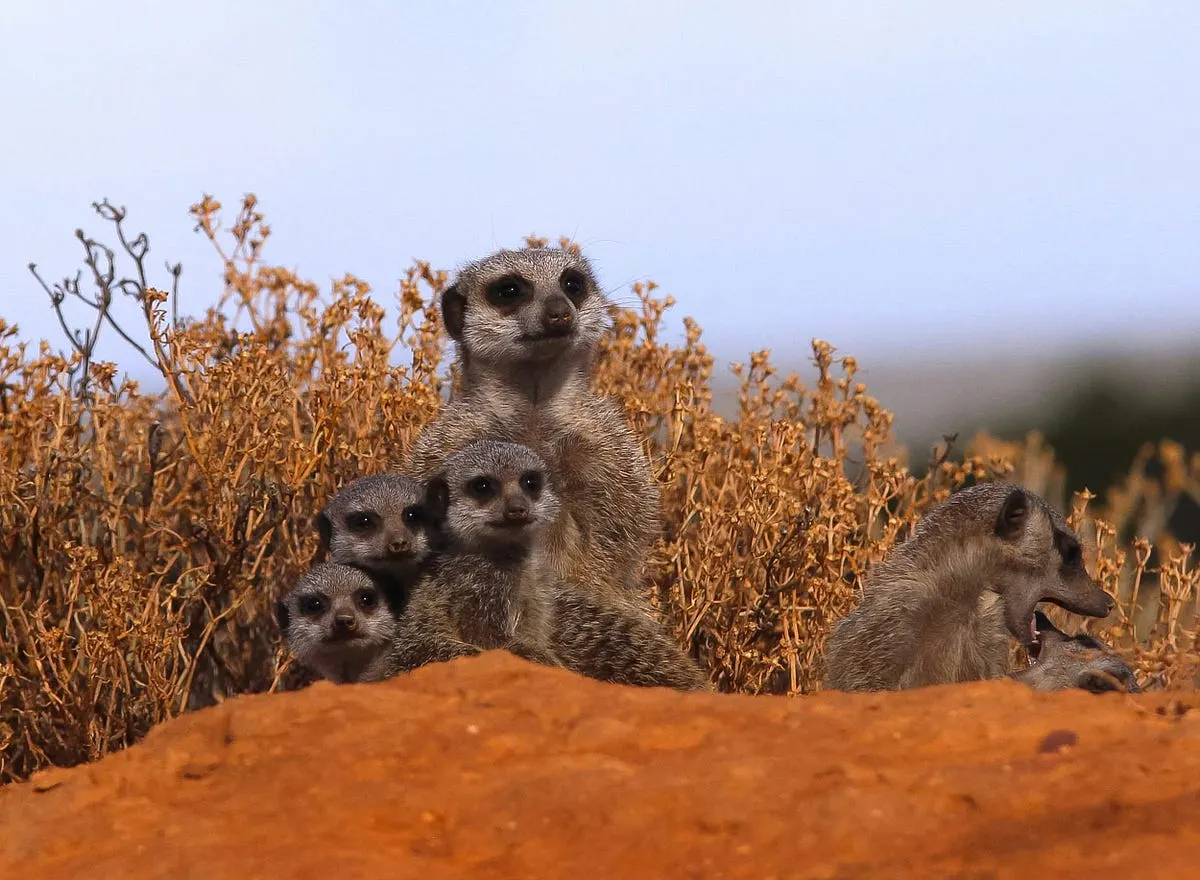
6 Best starter camera for wildlife photography: (2026 Guide & Reviews)
Best starter camera for wildlife photography: Panasonic FZ80, Nikon D500 and Canon EOS 5D Mark IV compared on features, price and who each one suits.
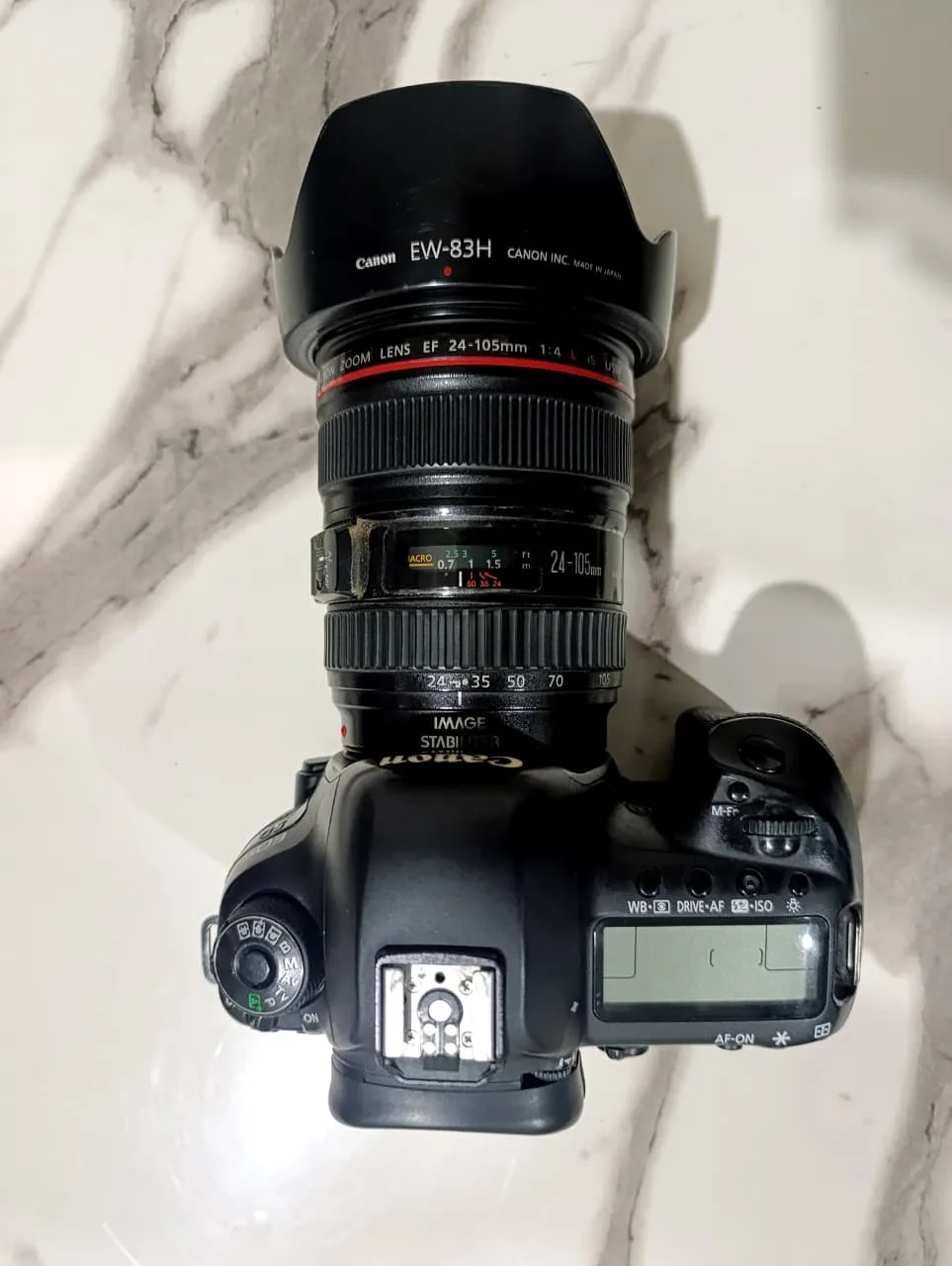
Do You Need a Telephoto Lens? Telephoto Lenses Explained
What counts as telephoto, why it isn't the same thing as a zoom, the three costs nobody mentions, and the lens design that halves the weight.
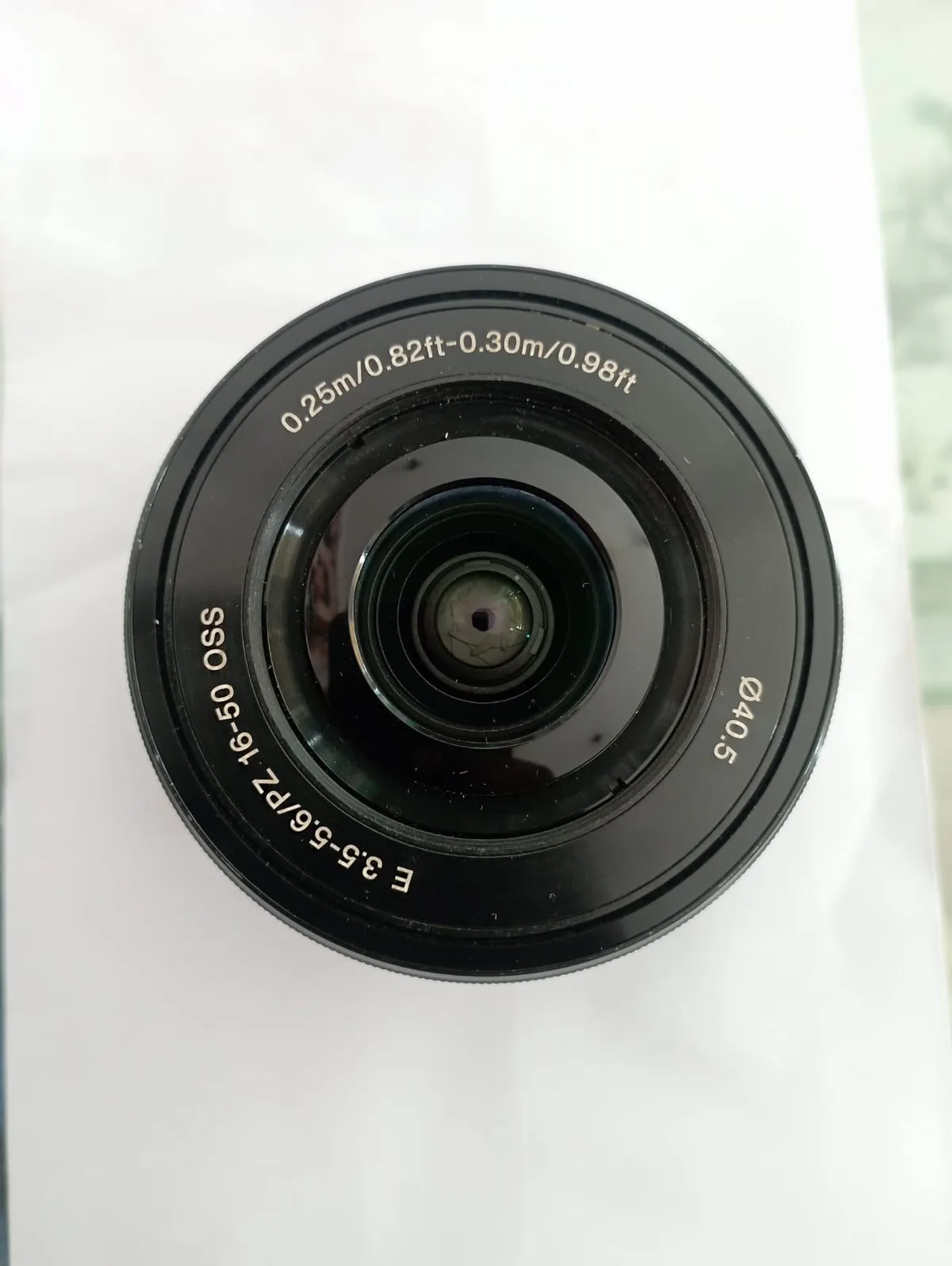
Aperture, Shutter Speed and ISO: The Exposure Triangle, Properly Explained
The triangle is taught as three equal controls. It isn't — each one has a side effect, and the side effect matters more than the brightness. Here's how to choose.
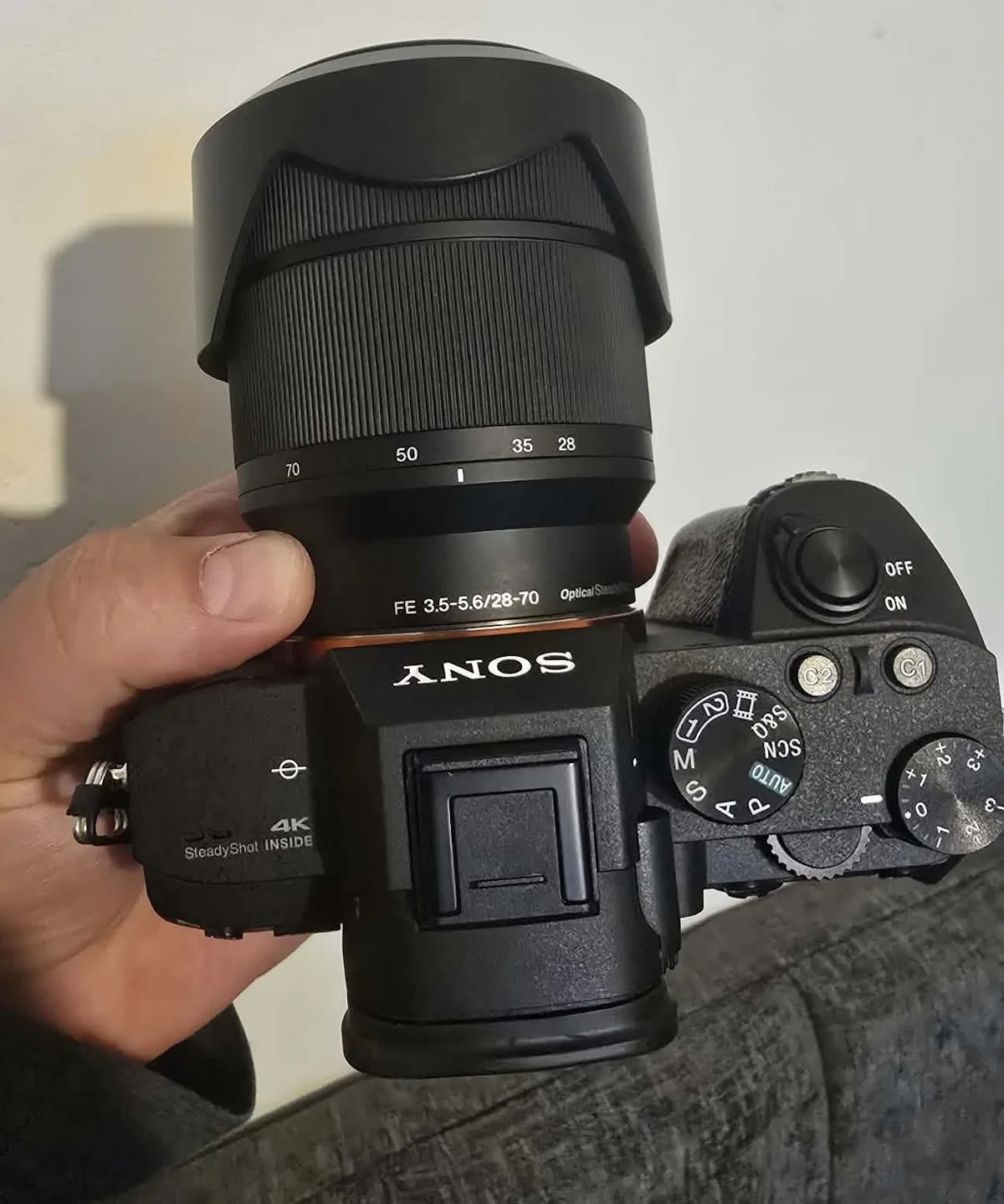
Prime vs Zoom Lenses: Which Should You Actually Buy First?
The guide questions the common advice to simply buy a prime. It describes a buying mistake that cost two lens purchases and then gives the order in which.
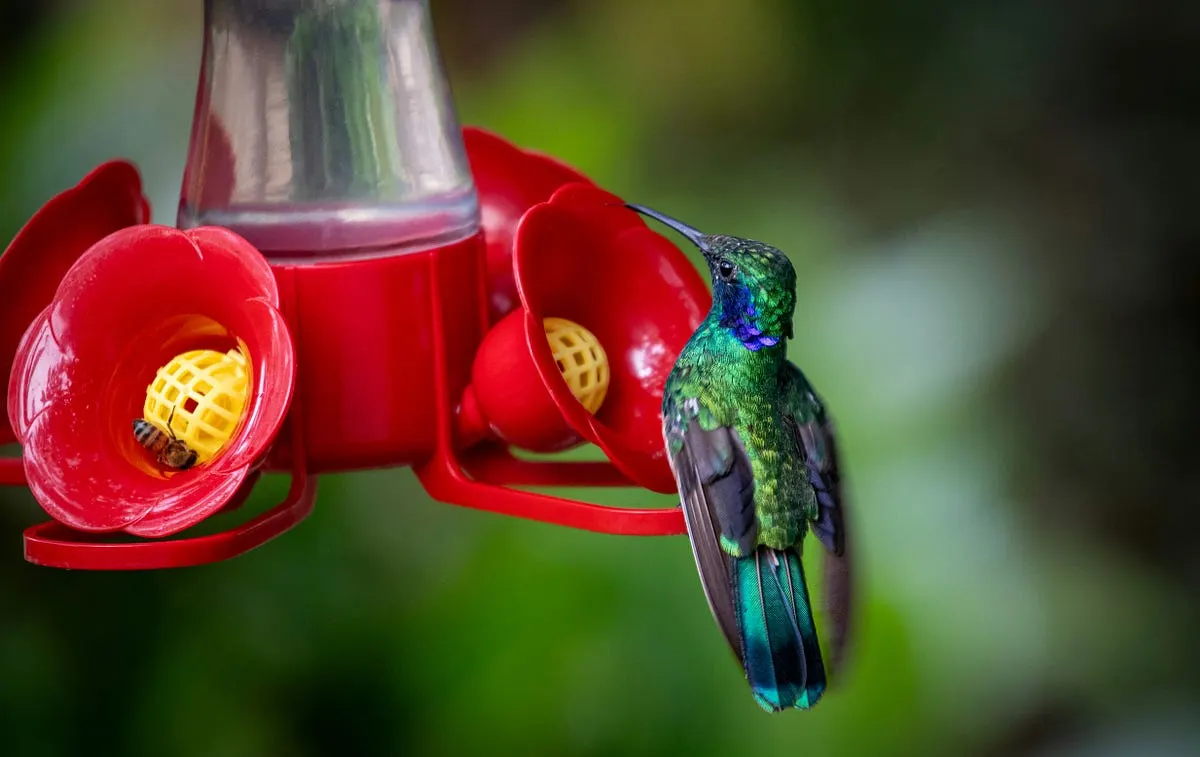
Best Camera for Filming Garden Wildlife
Best Camera for Filming Garden Wildlife — Sony α7 IV and Canon EOS R6 Mark II compared, with pros, cons and who should buy which.