Best Nikon lens for wildlife

As an Amazon Associate we earn from qualifying purchases. Some links in this guide are affiliate links — see our affiliate disclosure for details.
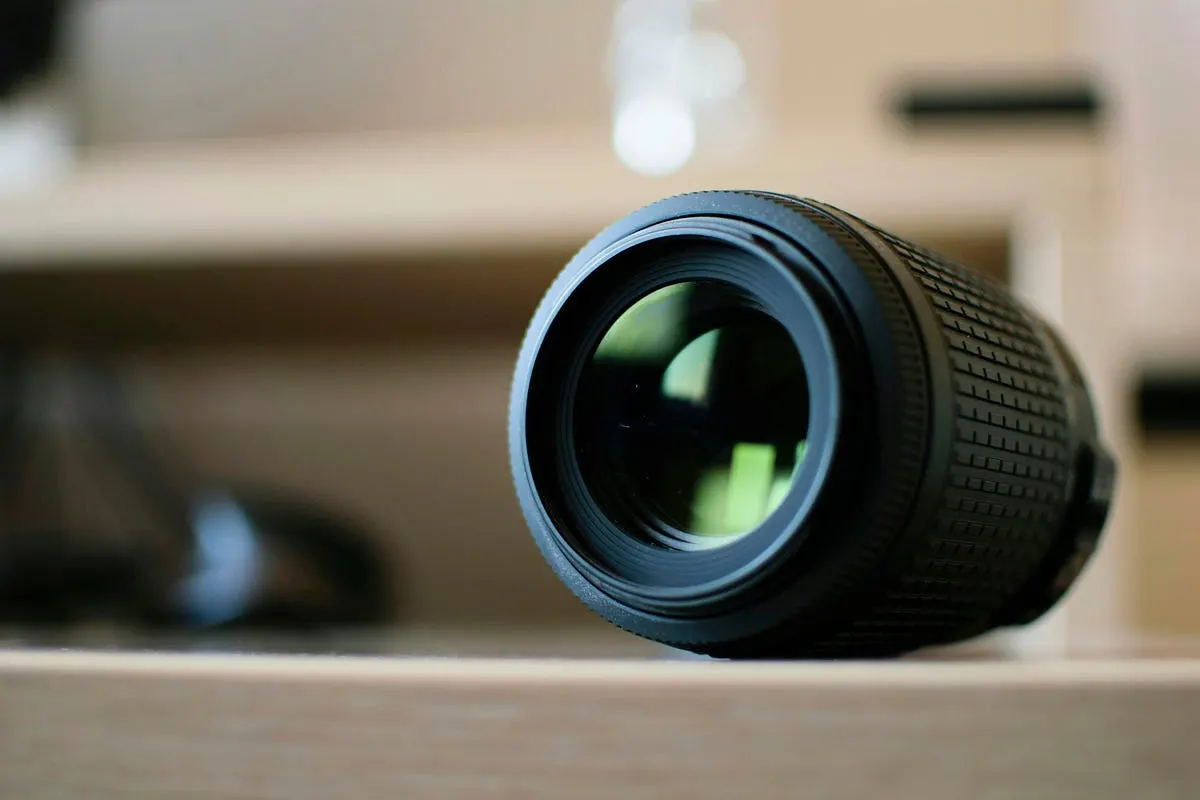
Photo by Samuel Scrimshaw on Unsplash
Short answer: Which Nikon lens is best for wildlife photography?
The guide's top four starts with the Nikon Z 180-600mm f/5.6-6.3 VR, followed by the Z 100-400mm f/4.5-5.6 VR S. Long reach is the key feature for wildlife.
Top 4 Best Nikon lenses for wildlife Photography
- Nikon Z 180–600mm f/5.6–6.3 VR — View on Amazon
- Nikon Z 100–400mm f/4.5–5.6 VR S — View on Amazon
- Nikon AF-S NIKKOR 200–500mm f/5.6E ED VR — View on Amazon
- Nikon Z 400mm f/4.5 VR S — View on Amazon
As an Amazon Associate, I earn from qualifying purchases at no additional cost to you. Thank you for your support!
1. Nikon Z 180–600mm f/5.6–6.3 VR
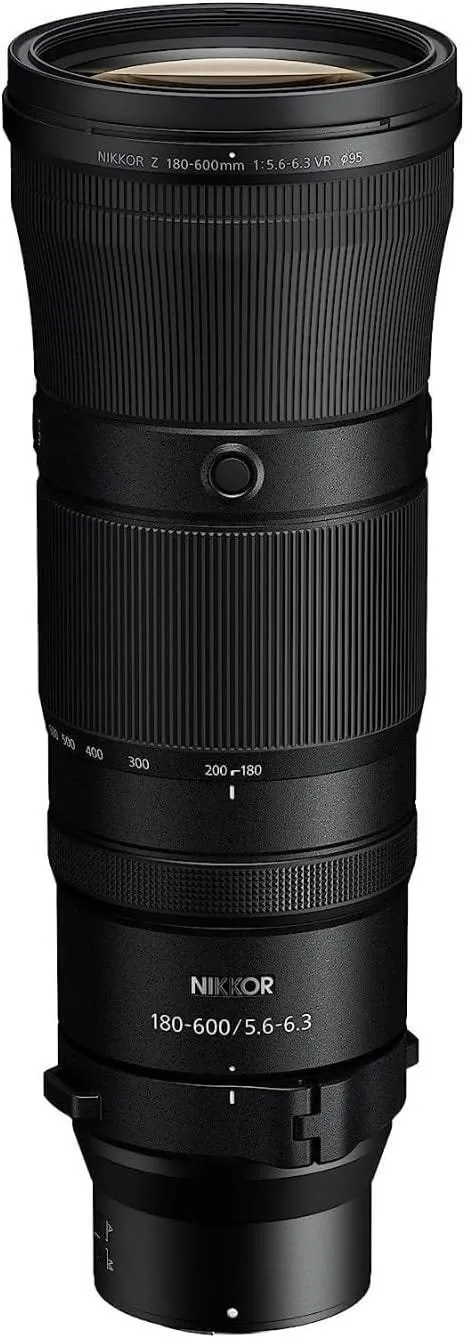
Wildlife Photography Journey
2. Nikon Z 100–400mm f/4.5–5.6 VR S
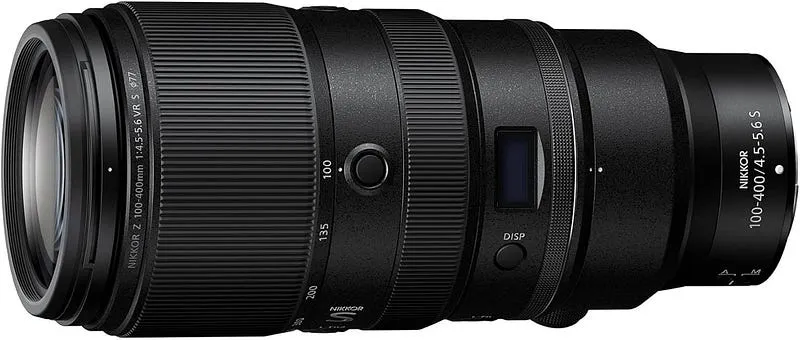
Performance in the Field
Image Quality
The image quality produced by the Z 100–400mm is outstanding. The sharpness is remarkable throughout its zoom range, with minimal distortion and excellent color rendition. Even at f/5.6, images are crisp and detailed, which is essential for capturing the fine textures of feathers or fur.
Pros and Cons
Pros:
- Lightweight Design: At about 1,400 grams, it’s easier to carry for extended periods compared to other telephoto lenses.
- Excellent Autofocus: Fast and accurate autofocus performance makes it ideal for capturing moving subjects.
- Vibration Reduction: Effective stabilization allows for handheld shooting in various lighting conditions.
- Versatile Zoom Range: The 100–400mm range is perfect for both wildlife and sports photography.
- High Image Quality: Sharpness and color accuracy are impressive throughout the zoom range.
Cons:
- Variable Aperture: The maximum aperture of f/4.5–5.6 may limit performance in very low light situations compared to faster lenses.
- Price Point: While not as expensive as some high-end telephoto lenses, it still represents a significant investment.
- Lens Cap Design: The lens cap can be somewhat tricky to remove quickly when you need to shoot on short notice.
Conclusion
3. Nikon AF-S NIKKOR 200–500mm f/5.6E ED VR
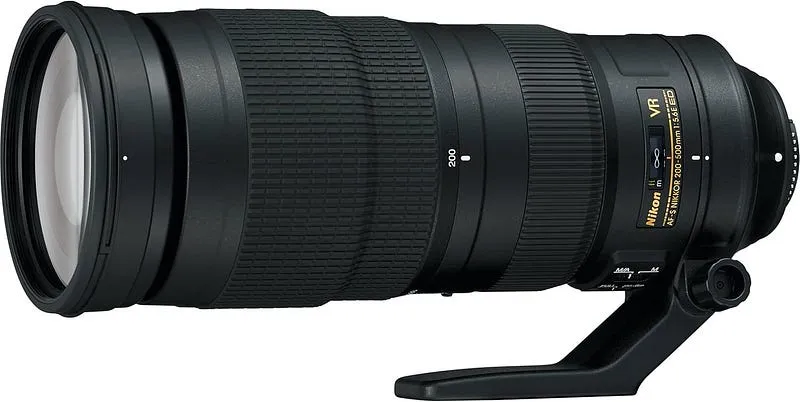
Performance in the Field
Image Quality
Pros and Cons
Pros:
- Excellent Image Quality: Sharpness and color accuracy are impressive throughout the zoom range.
- Fast Autofocus: Quick and reliable autofocus performance makes it ideal for capturing fast-moving subjects.
- Vibration Reduction: Effective stabilization allows for handheld shooting in various lighting conditions.
- Versatile Zoom Range: The 200–500mm range is perfect for both wildlife and sports photography.
Cons:
- Weight: At approximately 2.3 kg, it can be cumbersome during extended shoots; a monopod or tripod may be necessary for prolonged use.
- Some Softness at 500mm: While generally sharp, there can be slight softness at full zoom that requires careful handling or post-processing adjustments.
- Limited Close-Focusing Distance: With a minimum focus distance of about 7.2 feet (2.2 meters), it may not be ideal for extreme close-up shots.
Conclusion
4. Nikon Z 400mm f/4.5 VR S
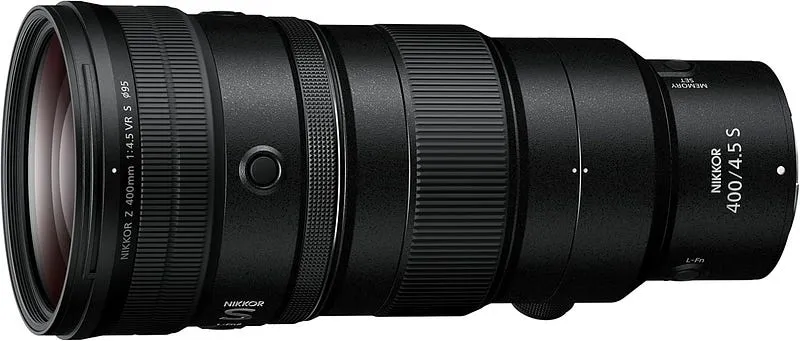
Nikon Z 400mm f/4.5 VR S — View on Amazon
Performance in the Field
Nikon Z 400mm f/4.5 VR S — View on Amazon
Image Quality
The image quality delivered by the Nikon Z 400mm f/4.5 is outstanding. The sharpness is excellent across the frame, even when shooting wide open at f/4.5. While there is some slight softness at the extreme edges, stopping down just a bit improves overall performance significantly.
Pros and Cons
Pros:
- Lightweight Design: At approximately 1,245 grams, it’s easy to carry for extended periods without fatigue.
- Excellent Image Quality: Sharpness and color accuracy are impressive throughout the zoom range.
- Fast Autofocus: Quick and reliable autofocus performance makes it ideal for capturing fast-moving subjects.
- Vibration Reduction: Effective stabilization allows for handheld shooting in various lighting conditions.
- Weather-Sealed: Built to withstand challenging weather conditions, making it suitable for outdoor photography.
Cons:
- Limited Close-Focusing Distance: With a minimum focus distance of about 8.2 feet (2.5 meters), it may not be ideal for extreme close-up shots.
- Autofocus Limitations: The autofocus can struggle with fast subjects coming directly toward the camera.
- Price Point: While more affordable than some high-end telephoto options (around $3,250), it still represents a significant investment for many photographers.
Conclusion
While there are some drawbacks — primarily its limited close-focusing distance and autofocus challenges with fast-moving subjects — the benefits far outweigh these concerns for serious photographers seeking performance without excessive weight.
Nikon Z 400mm f/4.5 VR S — View on Amazon
Conclusion
As you embark on your own wildlife photography journey, remember that patience and practice are just as important as having the right equipment. Happy shooting!

Photo by Vincent van Zalinge on Unsplash

Written by
Marien CartelProfessional and Certified Digital Photographer born in the USA, with 22 years of experience in the field of photography.
Related Guides

Best Nikon Z Super Telephoto Lens
Best Nikon Z Super Telephoto Lens — how Nikon Z 100–400mm f/4.5–5.6 VR and Nikon Z 400mm f/4.5 VR compare on features and price, and who each is best for.

Best Nikon Telephoto Lenses
Best Nikon Telephoto Lenses — Nikon 70–300mm f/4.5–5.6G ED VR and Nikon 200–500mm f/5.6E ED VR compared, with pros, cons and who should buy which.
Best Wide-angle Lenses for Nikon Z Mirrorless Cameras
Best Wide-angle Lenses for Nikon Z Mirrorless Cameras — what the Nikon NIKKOR Z 14–30mm f/4 offers, where it falls short, and whether it is worth buying.

Best Walk Around Lens For Nikon
Best Walk Around Lens For Nikon: Nikon 24–120mm f/4G ED VR, Nikon 18–55mm kit lens and Nikon 50mm f/1.8G compared on features, price and who each one suits.
Best Lens For Nikon D3500
Best Lens For Nikon D3500: Nikon AF-S DX 35mm f/1.8G and Nikon AF-P DX 70–300mm f/4.5–6.3G compared on features, price and who each one suits.

Best Nikon Macro Lenses
Best Nikon Macro Lenses — Tamron 90mm f/2.8 VC and Tokina AT-X 100mm f/2.8 PRO compared, with pros, cons and who should buy which.