6 Best starter camera for wildlife photography: (2026 Guide & Reviews)
As an Amazon Associate we earn from qualifying purchases. Some links in this guide are affiliate links — see our affiliate disclosure for details.
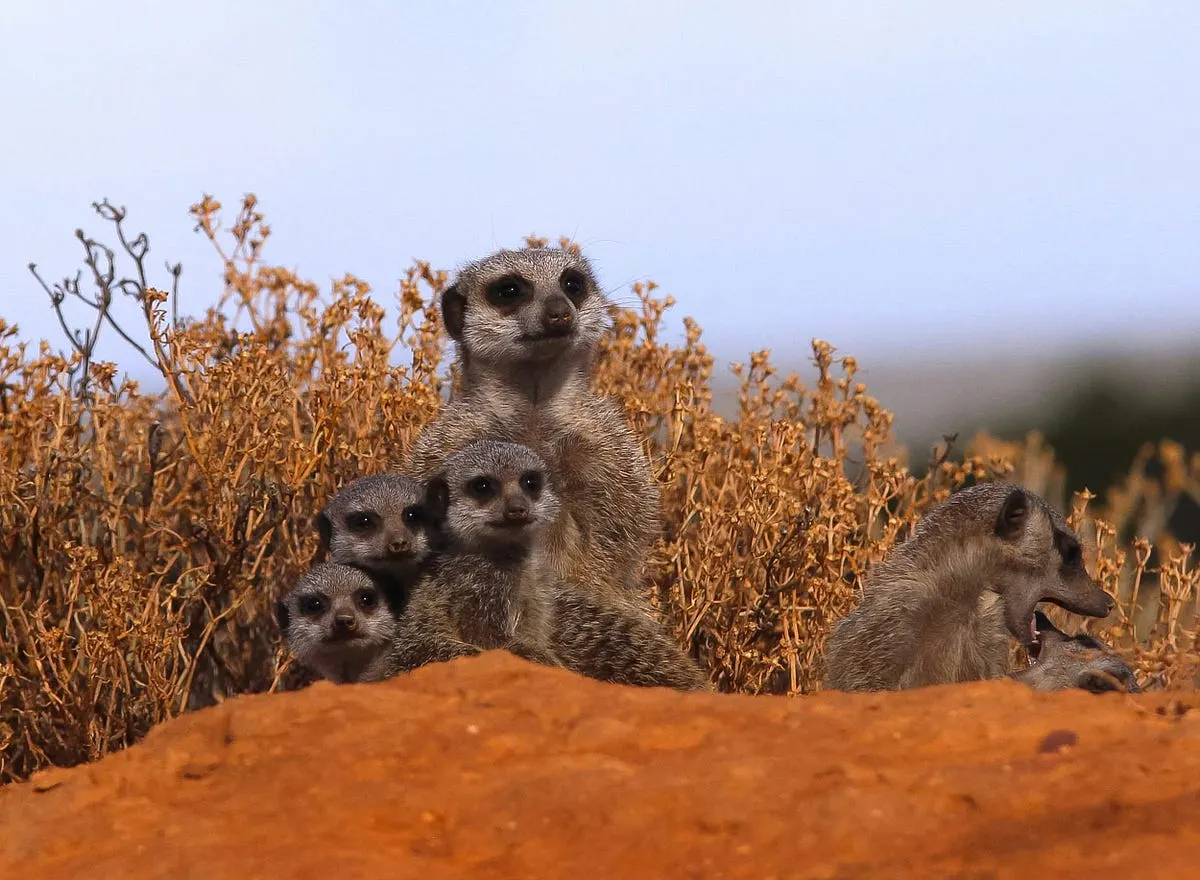
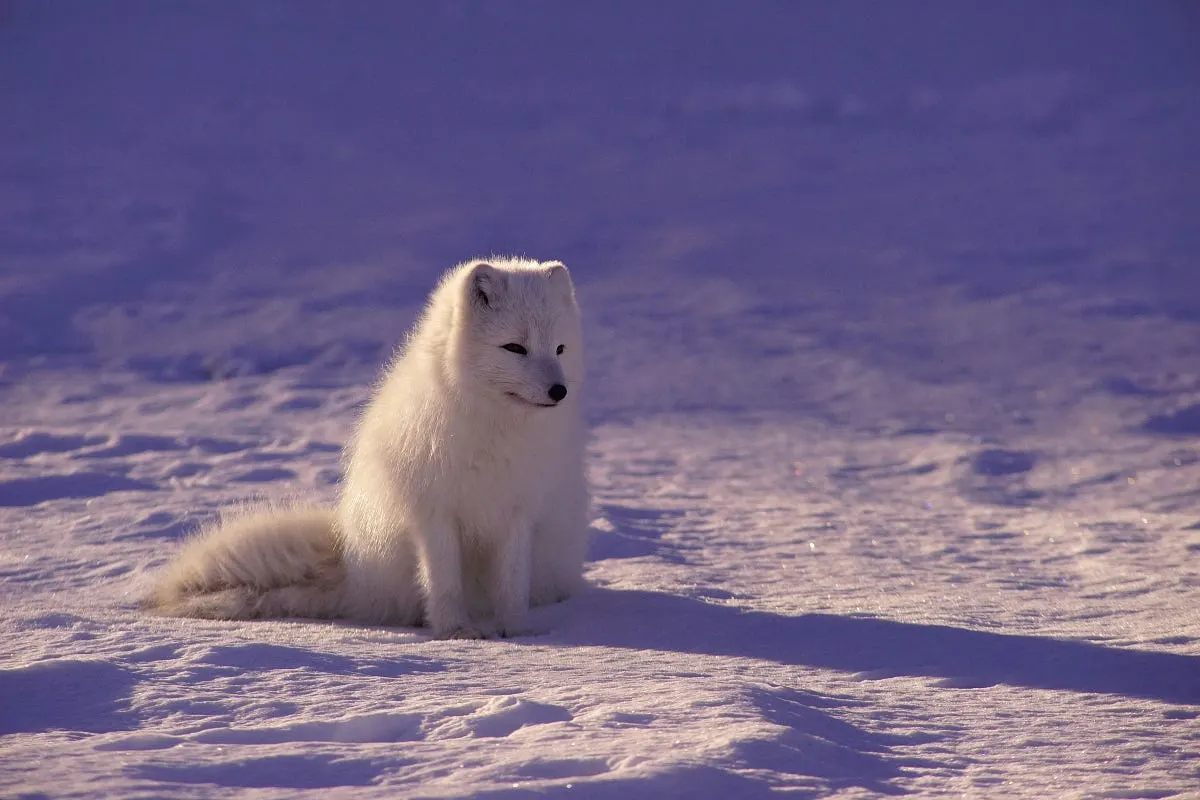
Photo by Hugo Brightling on Unsplash
Short answer: Which starter camera is best for wildlife photography?
The guide starts with the Panasonic FZ80, then covers the Canon EOS RP, Nikon D500, Canon EOS 5D Mark IV, Nikon D850 and Sony A7ii. The FZ80 is the simplest entry point, and the others suit buyers ready to invest in lenses.
When you first start taking photos of nature, it’s easy to become daunted by the number of cameras out there.
Nature photography can be a rich and satisfying experience for photographers of any skill level.
People have always been fascinated by wildlife photography.
Wildlife photographers strive to capture the essence of these animals in their images, whether photographing stately tigers or amusing monkeys.
Cameras or other photography equipment are as important to your success as your in-depth industry knowledge.
Which are the Best starter camera for wildlife photography?
- Panasonic FZ80 — Best starter camera for wildlife photography
- Canon EOS RP — Best starter camera for wildlife photography
- Nikon D500 — Best starter camera for wildlife photography
- Canon EOS 5D Mark IV — Best starter camera for wildlife photography
- Nikon D850 — Best starter camera for wildlife photography
- Sony A7ii — Best starter camera for wildlife photography
Panasonic FZ80: (Best starter camera for wildlife photography)
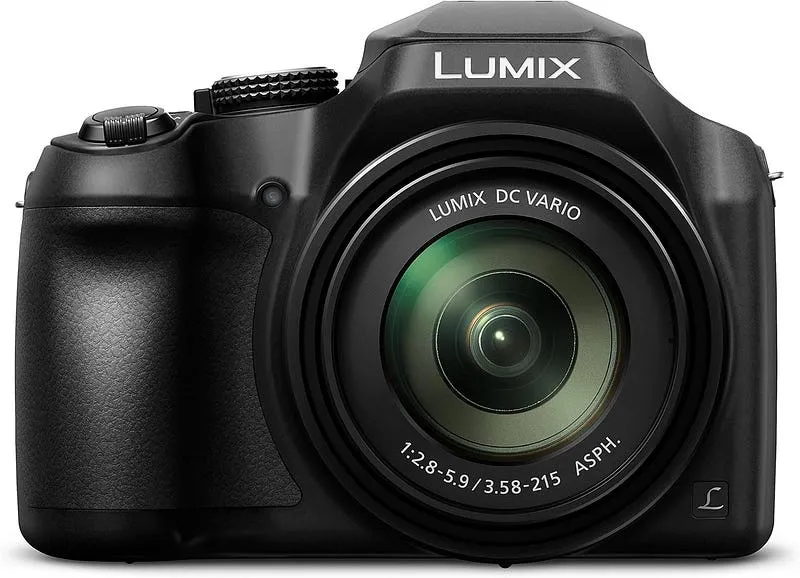
The zoom toggle switch next to the shutter release feels good to the touch and functions as intended.
It has one control dial but may swiftly switch between functions because it is pressable.
Features:
18.1-megapixel, 1/2.3-inch CMOS sensor
60x zoom lens (20–1200mm equivalent, f/2.8–5.9)
3-inch touchscreen LCD
10 frames per second continuous shooting
RAW format support
4K UHD video recording
4K photo modes
Built-in Wi-Fi
ISO or shutter speed
The FZ80 uses an 18.1-megapixel CMOS sensor.
Such a long zoom at this size and price point is made possible by the tiny 1/2.3-inch type sensor.
Even at ISO 80, it uses in-camera solid sharpening and area-specific noise reduction, producing photos with many artifacts and strange, blocky visible noise.
The general shutter speed range when using the mechanical shutter is 4 s to 1/2000 s and 1 s to 1/16000 s.
It worked amazingly for newbies.
Aperture or field of view
It matches the field of view of a 20mm lens on a full-frame camera at its widest angle and a maximum aperture of 3.6mm f/2.8.
A center-weighted sharpness test achieves a score of 2,078 lines per picture height, more than the desired 1,800 lines for a camera of this type.
White balance/frame rate
The camera’s white balance settings help get subtle colors without overlapping orange or blue tinges.
It is a camera that can work in low light.
It offers a 10 fps shooting rate and UHD 4K/30p video recording at 100 Mbps.
The auto-white balance produced such lovely images.
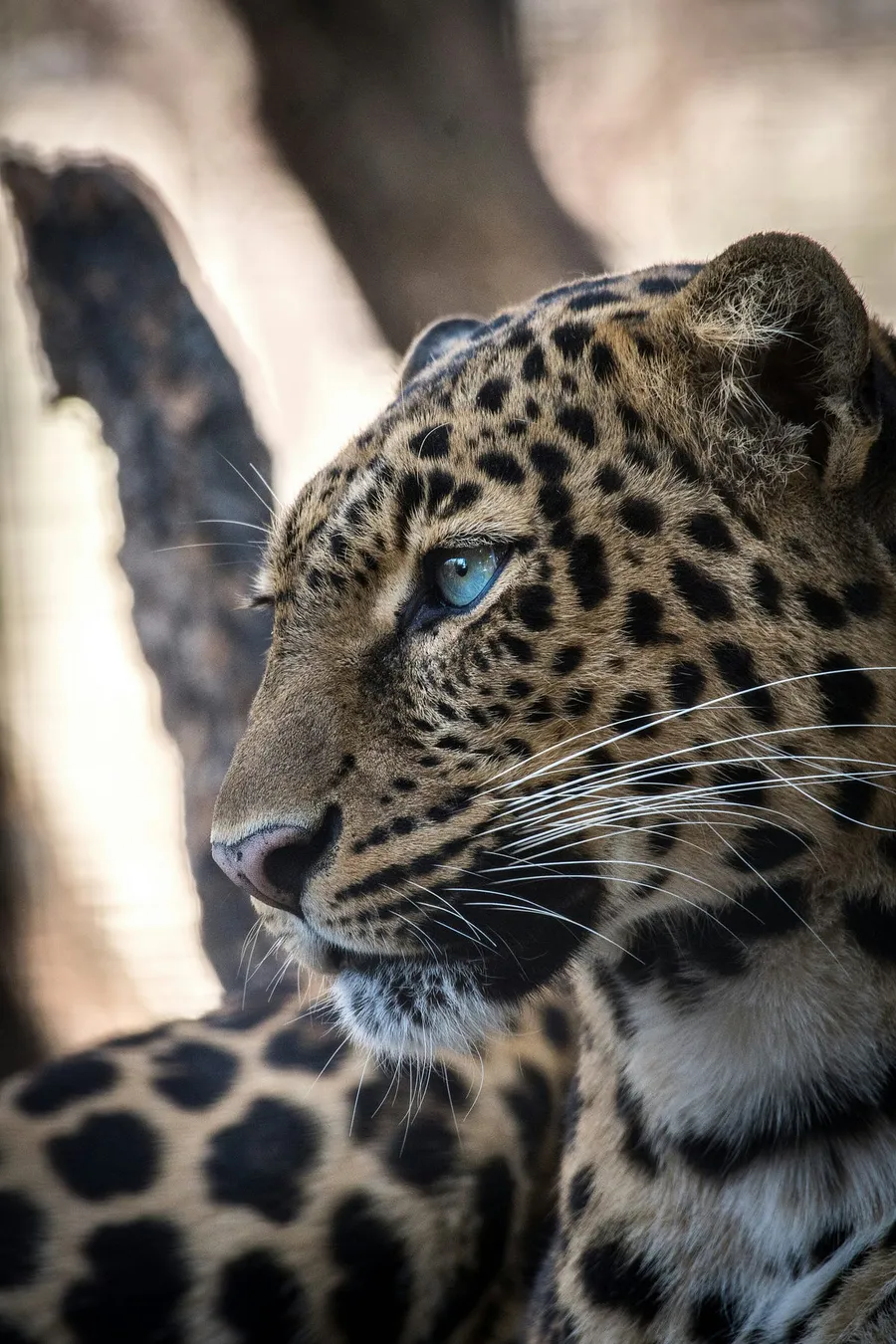
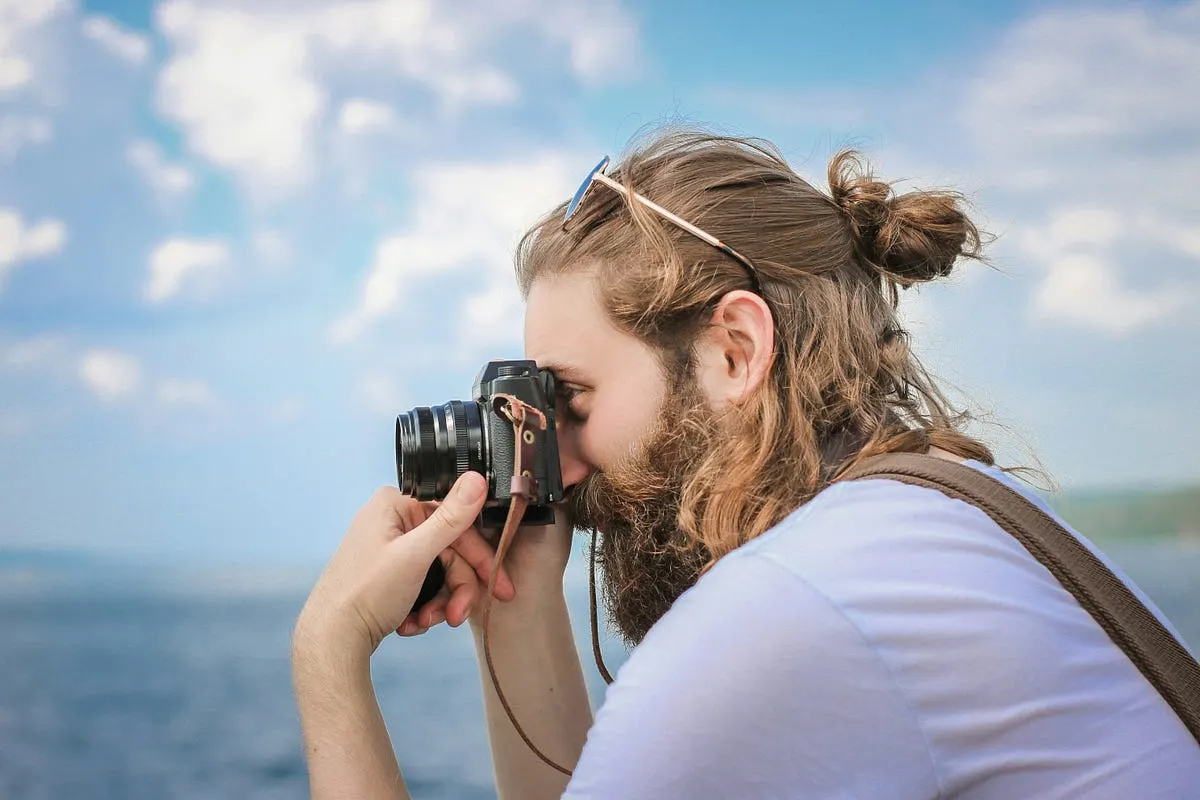
Photo by Uriel Soberanes on Unsplash
Why is this camera the best?
It is a fantastic option for casual shooters who wish to produce decent-quality photographs with the variable focal range of a super zoom lens because it has a zoom lens with a 20–1200mm equivalent range.
Despite its plasticity and build quality, it gives you a lot of value for its budget and is more portable than many higher-end bridge cameras.
Conclusion
Compared to cameras with larger sensors, the image quality of this camera is tremendous.
It is unquestionably a super-zoom camera that delivers outstanding value for the money if you’re searching for one.
Pros
- Huge 60x zoom range.
- Fast autofocus.
- 10fps Raw capture.
- 30fps 4K Photo capture.
- Touch LCD.
- Sharp EVF.
- Wi-Fi.
Cons
- Fixed rear LCD.
- Limited Raw buffer.
- No 24fps video capture.
Canon EOS RP: (Best starter camera for wildlife photography)
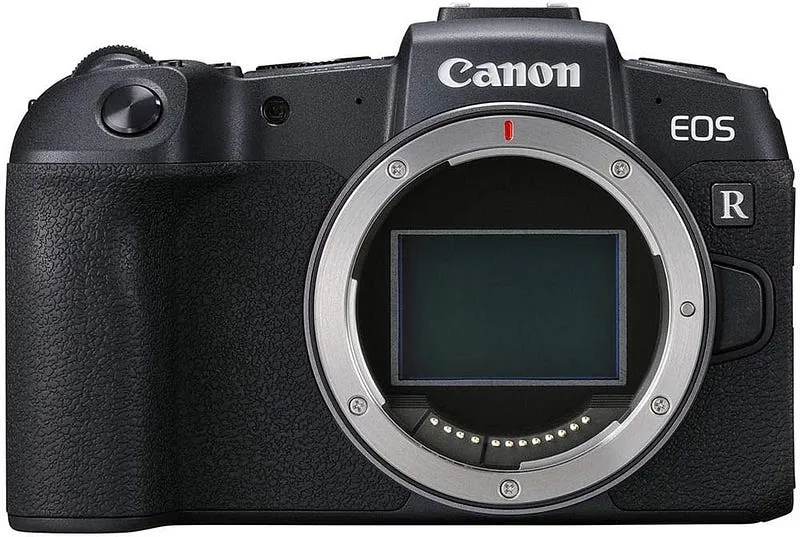
The RP is a likable little camera with good JPEG image quality. It will make a great photography mate for casual druggies and those formerly a part of the Canon ecosystem seeking a little alternate body, even though its specifications will not light the globe on fire.
Features
MP Dual Pixel CMOS detector
4K/ 24p( from a1.7 x crop region)
4 fps nonstop firing with nonstop AF( 5 without)
Pupil discovery AF in nonstop/ servo AF mode
AF- rated to-5 EV( with an F1.2 lens)
Digic 8 processor
fleck OLED viewfinder
Completely- articulated1.04 million fleck touchscreen
Twin command dials
CIPA is rated for 250 shots per charge.
ISO/ Shutter Speed
The RP has a native 100 –000 ISO range and a full-frame 26.2 MP CMOS detector (expandable to 50 –400).
The shutter speed range for the EOS RP is 30 s to 1/4000 s (bulb).
In High-speed nonstop Firing drive mode, the camera can shoot up to 5.0 frames per alternate continuously, and in Firing Speed Priority mode, it can shoot at a rate of 4 frames per second.
Orifice/ field of view
It has an orifice range of f/ 4 to f/ 22 with a maximum orifice of 4.0 ( tackle lens).
Still, it can be helpful to exercise them and elect only the bones with the asked depth of field If you took a lot of prints.
You will constantly have a lot of filmland that is too distant from and past your subject.
Analogous rules apply to any photos that have distracting focus objects in focus; if you do not choose those images, the algorithm will not bring the focus into sharp focus.
White Balance and Frame Rate
Exercising your camera’s bus mode, which pre-sets the white balance, is the simplest way to get the ideal white balance.
The EOS RP, which is intended for multimedia image-makers, can record in UHD 4K(3840 x 2160) resolution at over 23.98 frames per second at 120 megabits per second and playback in Full HD 1080p and HD 720p at 60 frames per second for slow stir.
Why is this camera the best?
This is where the Canon EOS RP excels, furnishing full-frame capabilities and 4K videotape in a device that’s noticeably lower, lighter, and more affordable than nearly all its challengers.
Although it’s far from an introductory camera, a full-frame entry-position model would be great.
Conclusion
It has a large, un-stabilized full-frame detector with a resolution of 26 megapixels.
Due to its enormous size, this detector has outstanding high-ISO capabilities.
The RP ranks among the top low-light players in this price range.
Pros
- Compact body with full-frame sensor.
- Vari-angle LCD.
- Integrated EVF.
- Quick, accurate autofocus.
- Macro stacking and time-lapse tools.
- Wi-Fi.
- Attractive price.
Cons
- The sensor shows limited dynamic range.
- Small battery.
- No built-in flash.
Nikon D500: (Best starter camera for wildlife photography)
A young, inexperienced photographer willing to capture anything for them was sought.
As might be expected, the camera’s enhanced functionality is primarily focused on sports and high-speed shooting, with notable improvements to the shooting rate and autofocus system.
Still, there are significant improvements to the viewfinder, video capabilities, and connectivity options that broaden its applicability beyond a specific niche.
Features
20.7 MP APS- C( DX- format) detector
153-point AF module with 99cross-type points
pixel RGB detector for metering and subject recognition
AF point joystick
10 fps firing for over to 200 shots( lossless compressed 14- bit Raw to XQD card)
4K( UHD) videotape from a1.5 x crop of the detector
100 content viewfinder with1.0 x exaggeration
ISO/Shutter Speed
Nikon’s selection of 20.9 megapixels above 24 for their other DX devices proves its value at high ISOs.
At ISO 1600, the photos are more clear.
The D500 doesn’t produce significantly more noise at ISO 1600.
Its top shutter speed is 1/8000 second.
Aperture or field of view
It has a maximum aperture of f/5.6.
White Balance and Frame Rate
This device has three automated white balance options: Auto0, Auto1, and Auto2.
Auto0 reduces warm colors, Auto2 preserves them, and Auto1 returns them to their original state.
Why is this camera the best?
The AF system is excellent, and the performance in low light and at high ISO is outstanding.
The image quality is excellent.
This is Nikon’s most excellent DX camera for sports and action, with 10 frames per second.
Conclusion
The D500 is one of Nikon’s first cameras to have an ISO button on the right side of the device, placing all exposure parameters at your fingertips when using the shutter.
Pros
- Solid build.
- Advanced, edge-to-edge autofocus system.
- 10fps capture with tracking focus.
- Large buffer for extended shooting.
- Superb high ISO image quality.
- Clean HDMI output.
- Excellent control layout.
- Tilting touch-screen LCD.
- Dust- and weather-resistant design.
- XQD and SD card slots.
Cons
- Snapbridge wireless transfer needs some work.
- No built-in flash.
Canon EOS 5D Mark IV: (Best starter camera for wildlife photography)
It has excellent 4K video recording capabilities, a dependable and ergonomic design, and excellent image quality, albeit 4K footage does result in a rather noticeable chop.
Features
New 30.4MP CMOS full-frame sensor with Dual Pixel AF
DCI 4K 30/24p video using Motion JPEG and 4K Frame Grab
61-point AF system with 41 cross-type sensors
Dual-pixel AF for continuous-servo AF in stills and video
ISO 100–32000
7-fps continuous shooting
Dual Pixel Raw ( ghosting reduction)
ISO / Shutter speed
The EOS 5D Mark IV performs well at high ISO speeds.
Consequently, with a brilliant lens, it can capture pictures of the landscape and starry sky that are entirely “frozen,” with a short exposure time and good image quality.
Its ISO range is 100–32000 and can be expanded to 50–102400.
Aperture/field of view
It only has a limited f/2.8–f/11 aperture range.
Even in backlit scenes, the highlighted region around the sun is connected to the blue sky with a gentle and natural color tone without completely obliterating the shadow region.
White balance and frame rate
Darker skin tones display a slight tendency toward orange, an Excellent problem, while lighter skin tones are pinker and seem more healthy.
The 5D can also shoot up to 60 fps in full HD and 120 fps in 720p.
Why is this camera the best?
Its enhanced AF system, somewhat broader ISO range, and faster capture pace are a welcome upgrade for Canon shooters with older 5D models.
For these reasons, we rank it as one of the finest DSLR cameras.
Conclusion
Wildlife photography works well with this camera.
It is excellent for nighttime photography since it captures images with a wide dynamic range, superb color fidelity, and little loss of detail, even at high ISO settings.
Pros
- 30MP full-frame image sensor.
- Fast 61-point autofocus system.
- 7fps continuous shooting.
- Unlimited JPG shooting buffer.
- Pro-grade build.
- Dual Pixel AF Live View focus system.
- 3.2-inch touch screen.
- Integrated GPS and Wi-Fi.
- CF and SD card slots.
Cons
- Clean HDMI output is 1080p only.
- No in-body flash.
Nikon D850: (Best starter camera for wildlife photography)
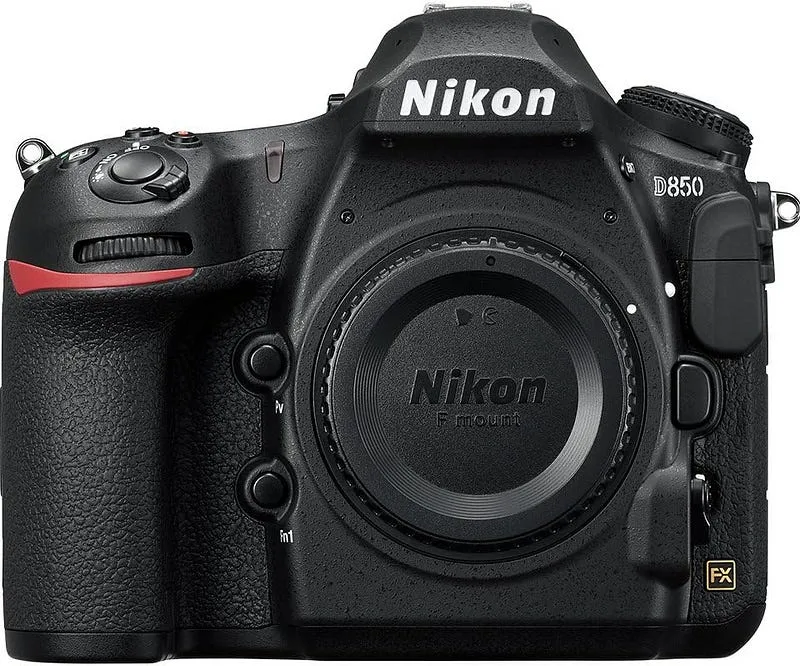
Its ability to capture even the most minor details for a camera with this resolution and its astonishing firing rate is tremendous.
Features
Sensor45.7 MP FX BSI Sensor, 4.35-pixel size
Detector Size35.9 x23.9 mm
Resolution 8256 x 5504
Dust Reduction Yes
Weather Sealing and Protection Yes
Body figure Full Magnesium Alloy
Shutter1/8000–30 seconds
Viewfinder Coverage 100
Erected- in Flash No
ISO/ Shutter Speed
Its RAW lines offer versatility for conforming murk and highlights, colors, and nanosecond details.
It is as unique as the ISO increases, managing high ISO noise extremely well and generating images with an excellent mix of detail and low noise.
Shutter speed settings for exposure mode M range from1/25 s to1/8000s.
Orifice/ field of view
It has a limited orifice of f/7.0.
This Nikon is designed to appeal to an important wider followership than this camera, a specialty camera for shutterbugs who value resolution over speed in geography, architectural, macro, and plant photography.
White balance/ frame rate
Whether your subject is an evening or fall color, white balance adjusts to variations in lighting to give images nearly identical to those viewed with the unaided eye.
You may automatically shoot at 7 frames per second with this gadget.
Why is this camera stylish?
It is one of the most stylish full-frame DSLR cameras you can buy.
It’s a cold-blooded firing hustler for stills and videographers, with a massive 45.4 MP image detector and the capacity to capture full-frame 4K videotape, able to land every star in the sky.
Conclusion
The D850 demonstrates that this revolution was further than simply a style.
A flexible camera that can catch all the beautiful nuances of a scene.
The F-mount lenses are compatible with it.
This camera is a favorite among professional photographers for various uses, including photographing weddings, sports, wildlife, and haute couture.
Pros
- Full-frame 45.7MP image sensor.
- 153-point autofocus system.
- 7fps burst shooting.
- Wide ISO range.
- 4K video.
- Large optical viewfinder.
- Tilting touch LCD.
- Dual card slots.
- Bluetooth and Wi-Fi.
Cons
- No built-in flash.
- SnapBridge system needs some work.
Sony A7ii: (Best starter camera for wildlife photography)
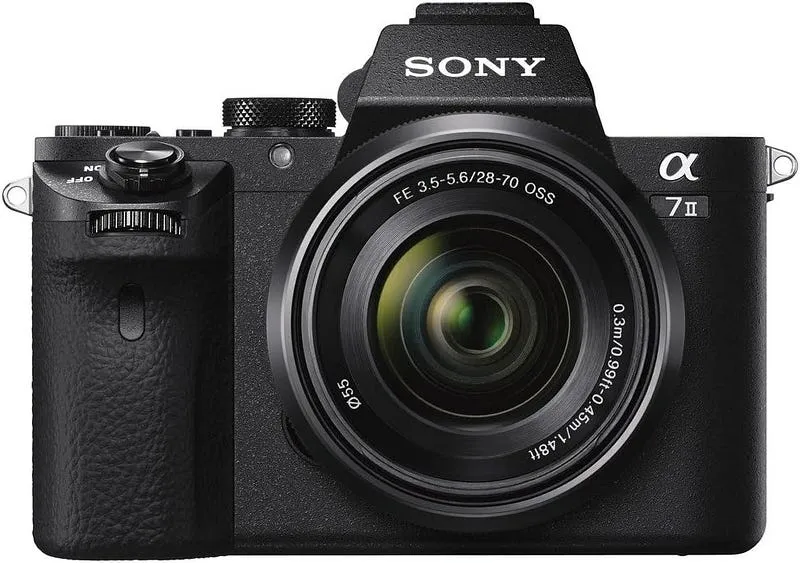
The A7 is the smallest and lightest full-frame camera.
The pictures that a camera in auto mode produced were adorable.
Features
24.3 MP Full Frame CMOS detector
5-axis detector- grounded image stabilization
Advanced mongrel AF system with 25 discrepancies and 117 phase-descry points.
3-inch tipping TV with a million blotches
1080 footage at over 50 Mbps
Wi-Fi with NFC capability and downloadable apps
ISO/ Shutter speed
Noise is increased by ISO 1600, especially in the shadow regions.
That noise is doubled at ISO 3200.
Thoughtful detail and vibrant colors are still present.
There’s now a lot of noise in the image as the ISO is increased to 6400.
The image has some color and detail loss over it.
The shutter speed is1/8000 to 30 seconds.
Orifice or field of view
The f/2.8 orifice provides enough light for the AF to serve in low light adequately.
It features a 5-axis Steady Shot inside image stabilization with 4.5 stops of compensation.
White balance/frame rate
The camera has a white bus balance (AWB) point that automatically adjusts the white balance grounded on honored scripts.
High frame rate (HFR) firing is possible with the a7S II up to 120 fps.
This is fantastic since it produces a smooth, slow-stir videotape five times slower than usual when played back at 24 frames per second.
Why is this camera stylish?
A good camera is this one.
This is particularly true if you can detect one for a fair price.
Many difficulties have passed due to the body opposing the adversities of trip photography.
Such beautiful shots were created using the auto white balance.
Conclusion
An excellent camera is the A7 II.
Once programmed, it focuses snappily, fires directly in any light, and does so snappily.
It also has outstanding running.
Fast and precise autofocus is an excellent point.
Your content is mysteriously covered in a billion little green boxes when the camera focuses on it.
Pros
- 5-axis in-body stabilization system.
- 24-megapixel full-frame image sensor.
- Compact design.
- 5fps burst shooting.
- Clean, detailed, high ISO images.
- Sharp, tilting rear LCD.
- Focus peaking and magnification.
- Sharp OLED EVF.
- Improved ergonomics.
- Dust and moisture-resistant design.
- Adds 3-axis stabilization to adapted lenses.
- High bitrate 1080p video.
Cons
- No built-in flash.
- External battery charger not included.
CONCLUSION:
Alright, guys, that concludes all the cameras we will discuss today in this article.
Do you guys have any experience with these cameras? What are your thoughts on them?
Which is your Best starter camera for wildlife photography?
Would you please leave your thoughts and comments below?

Written by
Marien CartelProfessional and Certified Digital Photographer born in the USA, with 22 years of experience in the field of photography.
Related Guides
How to Choose a Lens for Wildlife and Bird Photography
Choosing a lens for wildlife and bird photography comes down to focal length, maximum aperture, stabilization and weight. Here's how each one trades off.
Best Camera for Filming Garden Wildlife
Best Camera for Filming Garden Wildlife — Sony α7 IV and Canon EOS R6 Mark II compared, with pros, cons and who should buy which.
Best Affordable Camera for Wildlife Photography
Best Affordable Camera for Wildlife Photography: Canon EOS 7D and Canon EF 75–300mm f/4–5.6 III compared on features, price and who each one suits.
Best Nikon lens for wildlife
Best Nikon lens for wildlife: Nikon Z 180–600mm f/5.6–6.3 VR and Nikon Z 100–400mm f/4.5–5.6 VR compared on features, price and who each one suits.
Best Compact Cameras in 2026
Best Compact Cameras in 2026 — how Sony RX100 VII, Fujifilm X100VI and Canon PowerShot G7 X Mark compare on features and price, and who each is best for.

Best Affordable Compact Camera for Travel in 2026 (Under $500)
Best Affordable Compact Camera for Travel in 2026 (Under $500): Fujifilm XF10 and Sony RX100 III/IV/V compared on features, price and who each one suits.