Best Camera for Filmmaking on a Budget
As an Amazon Associate we earn from qualifying purchases. Some links in this guide are affiliate links — see our affiliate disclosure for details.
Short answer: Which camera is best for filmmaking on a budget?
For budget filmmaking, the Panasonic Lumix S5 II is the best all-round full-frame option, the Panasonic Lumix GH5 II suits Micro Four Thirds shooters who want strong codecs and Log profiles, the DJI Osmo Pocket 3 is a pocketable gimbal camera, the Canon EOS R7 offers a high-resolution APS-C sensor with stabilization, and the Sony A6700 is a compact APS-C body with in-body stabilization and strong autofocus. Prices change often, so compare current figures. Good sound and lighting matter as much as the camera.
Affiliate note: This post has affiliate links. If you buy through them, the site may earn a small commission at no extra cost to you.
What matters for filmmaking?
- Video quality and codecs. 4K or higher, and 10-bit recording for colour grading.
- Sensor size. Larger sensors give shallower depth of field and better low-light results.
- Stabilization. In-body or gimbal stabilization smooths handheld shots.
- Autofocus. Reliable tracking helps one-person crews.
- Audio inputs. A microphone jack and headphone monitoring.
- Lens options. Affordable lenses expand creative choices.
- Heat and recording limits. Longer takes need a camera that stays cool.
Panasonic Lumix S5 II
A full-frame L-mount camera with 6K open-gate recording, 4K at up to 60p and in-body stabilization. It is compatible with a range of L-mount lenses and offers phase-detect autofocus, which is a step up from earlier Lumix bodies.
Panasonic Lumix GH5 II
A long-time favourite for video, with strong video quality, anamorphic modes and Log profiles. Its Micro Four Thirds sensor gives deeper depth of field and weaker low-light performance than larger sensors, but lenses are small and affordable.
DJI Osmo Pocket 3
A pocketable camera with a 1-inch sensor, a 2-inch rotating screen and a built-in three-axis gimbal. It can record 4K slow motion at 120 fps. It suits travel, vlogs and B-roll, but lacks interchangeable lenses.
Canon EOS R7
An APS-C camera with a 32.5-megapixel sensor, in-body image stabilization and Canon's reliable autofocus. Canon lists 4K at 60p. See the specifications on the maker's page for crop and recording limits.
Sony A6700
A compact APS-C camera with in-body stabilization, a viewfinder and AI-assisted autofocus. It is small, with a wide range of E-mount lenses.
Other cameras to consider
The Sony RX0 II, Nikon Z 30 and Canon EOS R100 are lower-cost options for small projects, and older used bodies can stretch a budget further.
How do they compare?
| Camera | Sensor | Strength | Trade-off |
|---|---|---|---|
| Panasonic Lumix S5 II | Full frame | Open-gate 6K, stabilization | Larger lenses |
| Panasonic Lumix GH5 II | Micro Four Thirds | Codecs and Log profiles | Weaker low light |
| DJI Osmo Pocket 3 | 1-inch | Gimbal and slow motion | Fixed lens |
| Canon EOS R7 | APS-C | Stabilization and autofocus | Rolling shutter in some modes |
| Sony A6700 | APS-C | Compact with stabilization | Smaller grip |
The details come from the makers' published information; check each page for current specifications and pricing.
Tips for filmmaking on a budget
- Invest in good sound. Audio is as important as video. A decent microphone and a basic understanding of recording clear sound improve every project.
- Use natural light. Window light and open shade look good and cost nothing.
- Get creative with shots. Experiment with angles and composition.
- Learn to edit. Editing is where a film comes together. Free software is enough to start.
- Rent for special projects. Renting a lens or a light for one shoot is cheaper than buying.
For more, see the best cameras for video under $1000, the best camera for YouTube beginners and the best budget vlogging cameras.
Conclusion
Filmmaking does not have to be an expensive hobby. With the right camera and some creativity, it is possible to make good films on a modest budget.
Frequently asked questions
Is full frame necessary for filmmaking? No. Smaller sensors are cheaper and have smaller lenses, and many films are shot on them.
What matters more: camera or microphone? Both matter, but poor audio ruins good video faster than average video ruins good audio.
Do I need 4K? It helps with cropping and future-proofing, but good lighting and story matter more.
Should I buy used? Used cameras give more value. Check the shutter count, condition and return policy.
Written by
Marien CartelProfessional and Certified Digital Photographer born in the USA, with 22 years of experience in the field of photography.
Related Guides
Best Budget Vlogging Cameras
Best Budget Vlogging Cameras — how Sony ZV-1F, Canon PowerShot G7 X Mark and Panasonic Lumix G100 compare on features and price, and who each is best for.
Best Budget Action Camera
Best Budget Action Camera: DJI Osmo Action 5 Pro and GoPro Hero 12 Black compared on features, price and who each one suits.

Best Camera For Kids Vlogging
Best Camera For Kids Vlogging: a side-by-side look at GoPro Hero10 Black and Insta360 Go 3S, with strengths, trade-offs and buying advice.
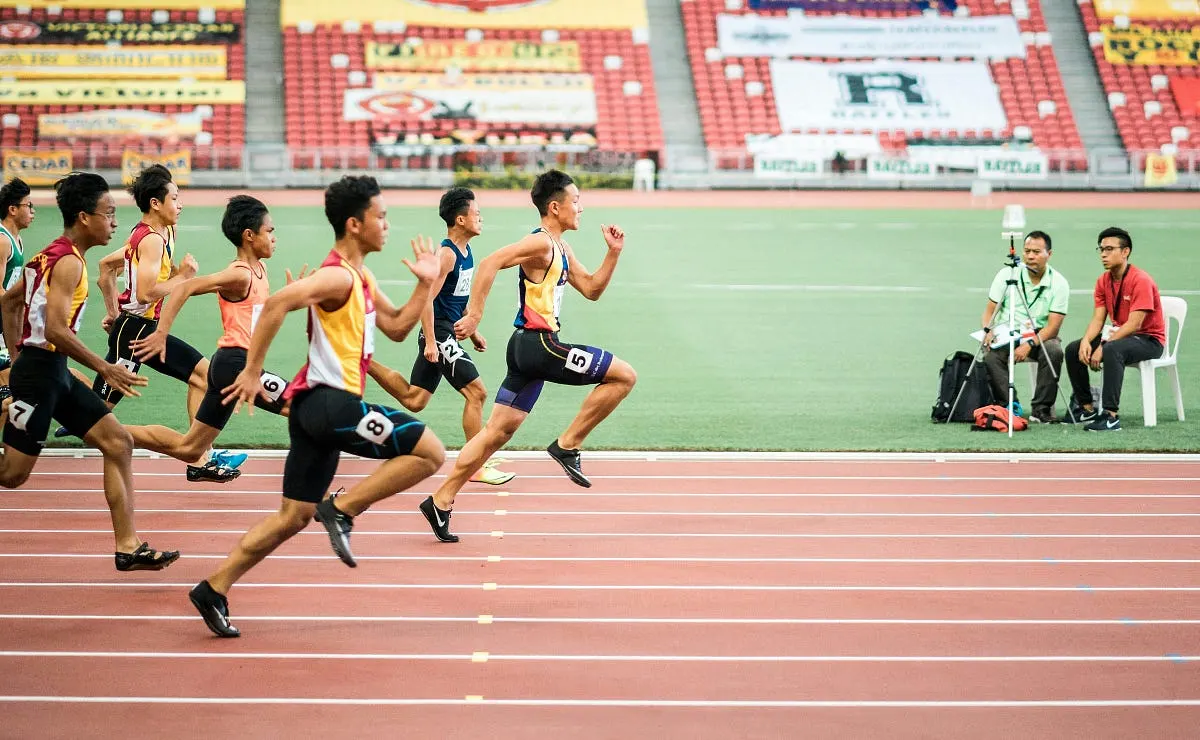
Best Camera for Sports Photography Under $1,000
Best Camera for Sports Photography Under $1,000: Canon EOS M50 Mark II, Nikon D3500 and Canon Rebel T8i compared on features, price and who each one suits.
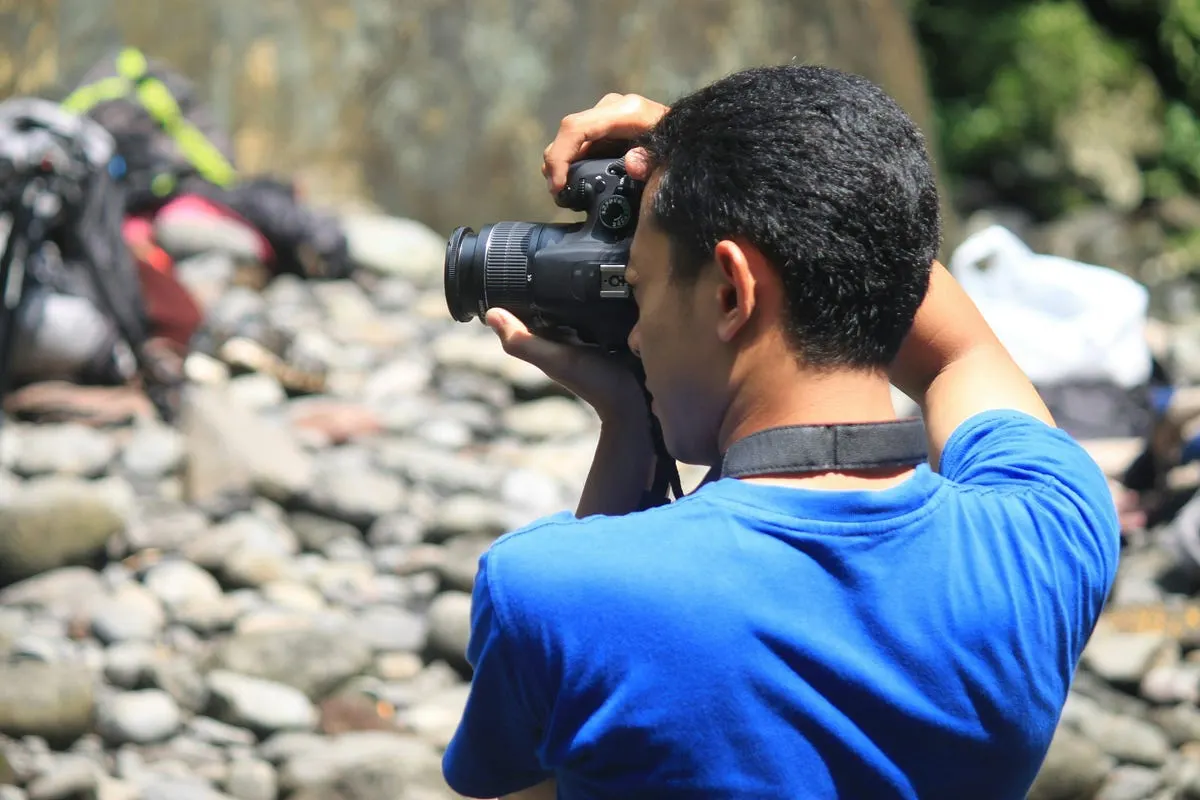
Best Affordable Compact Camera for Travel in 2026 (Under $500)
Best Affordable Compact Camera for Travel in 2026 (Under $500): Fujifilm XF10 and Sony RX100 III/IV/V compared on features, price and who each one suits.

Best Cameras for Macro Photography Under $500
The guide lists budget macro lenses under $500 for photographing insects, flowers and textures.