Best Budget Vlogging Cameras
As an Amazon Associate we earn from qualifying purchases. Some links in this guide are affiliate links — see our affiliate disclosure for details.
Short answer: Which budget camera is best for vlogging?
The guide lists six options, starting with the Sony ZV-1F and ZV-1, then the Canon PowerShot G7 X Mark III, Panasonic Lumix G100, DJI Osmo Pocket 3, Nikon Z30 and GoPro HERO11 or 12 Black. It also stresses good audio.
The problem? Most “best vlogging camera” guides feature gear costing more than monthly rent. But “budget” doesn’t have to mean “bad.” In fact, today’s budget vlogging tech offers features that rival professional setups from just a few years ago.
Whether you’re an aspiring creator or looking to upgrade your setup, here is the updated, definitive guide to the best budget vlogging cameras that punch way above their weight.
- Sony ZV-1F — View on Amazon
- Canon PowerShot G7 X Mark III — View on Amazon
- Panasonic Lumix G100 — View on Amazon
- Nikon Z30 — View on Amazon
If you are an aspiring content creator with a burning desire to share your story, but also a healthy respect for your wallet, this guide is for you. These are the best budget vlogging cameras that punch above their weight, helping you create engaging content without emptying your savings.
What Makes a Great Budget Vlogging Camera?
Before picking a camera, make sure it covers these essential vlogging pillars:
- Flip-Out/Articulating Screen: A non-negotiable for self-shooting to keep yourself in frame and focus.
- Reliable Autofocus: Fast face/eye tracking prevents you from drifting out of focus while talking.
- 4K Video & High Frame Rates: 4K30p is standard, but 60fps or 120fps is great for smooth motion and slow-mo.
- External Microphone Input: Crisp audio is half the video experience. A 3.5mm jack or digital shoe is vital.
- Image Stabilization: In-body (IBIS), optical (OIS), or digital stabilization keeps handheld shots smooth.
Top Budget Vlogging Camera Recommendations
Based on current specifications and the market, here are the top picks for budget-friendly vlogging cameras that offer good value:
1. Sony ZV-1F (and its sibling, the ZV-1)
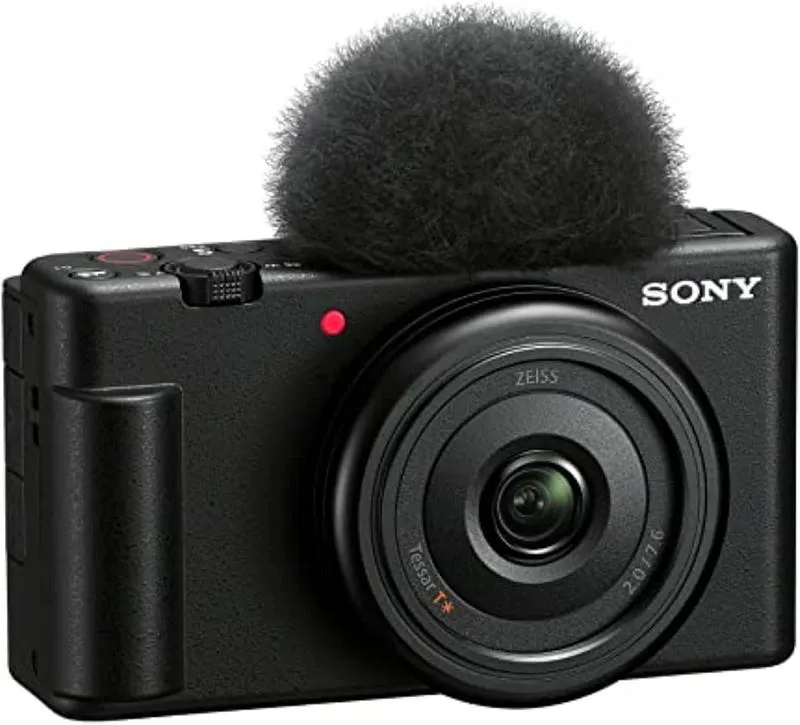
Why it’s great: Sony truly targeted vloggers with the ZV series. The ZV-1F is their entry-level option, featuring a wide 20mm equivalent f/2 lens, perfect for arm’s-length vlogging without cropping too much of your background. It boasts excellent autofocus with Face Priority AE (Auto Exposure) and a Product Showcase setting that quickly shifts focus from your face to an item you hold up. The flip-out screen and a directional 3-capsule mic (with an included windscreen!) are built-in for convenience. It records in 4K30p.
Considerations: The fixed lens means less versatility for zoom. The ZV-1 (slightly more expensive) offers a zoom lens and a larger 1-inch sensor, which performs better in low light and offers more background blur (bokeh). If your budget stretches a little, the ZV-1 is often considered the gold standard for compact vlogging.
Verdict: If you’re primarily doing talking-head style vlogs or want something incredibly simple to use with great out-of-the-box audio, the ZV-1F is a fantastic starting point. It’s designed to make vlogging easy.
2. Canon PowerShot G7 X Mark III
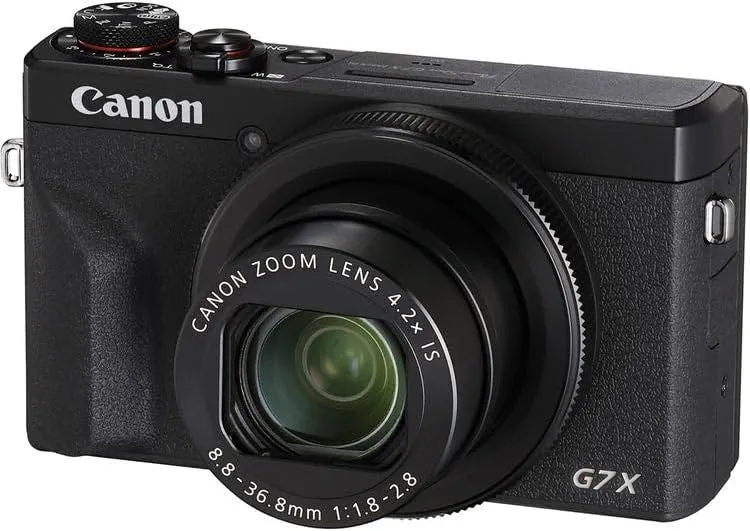
Why it’s great: This compact powerhouse has long been a favorite among YouTubers. It offers 4K video recording, a versatile 24–100mm equivalent f/1.8–2.8 zoom lens, and solid optical image stabilization. Crucially for many, it has a 3.5mm microphone input and the ability to live stream directly to YouTube. The flip-up touchscreen makes it perfect for selfies and vlogging.
Considerations: While compact, it’s not quite as pocketable as some other options. In some markets, its price can creep slightly above the “budget” threshold, so always check current deals. The 4K recording can be cropped and has a 10-minute limit.
Verdict: If you value a zoom lens and Canon’s renowned color science, the G7 X Mark III is a superb choice for a more versatile compact camera. It’s a workhorse for many content creators.
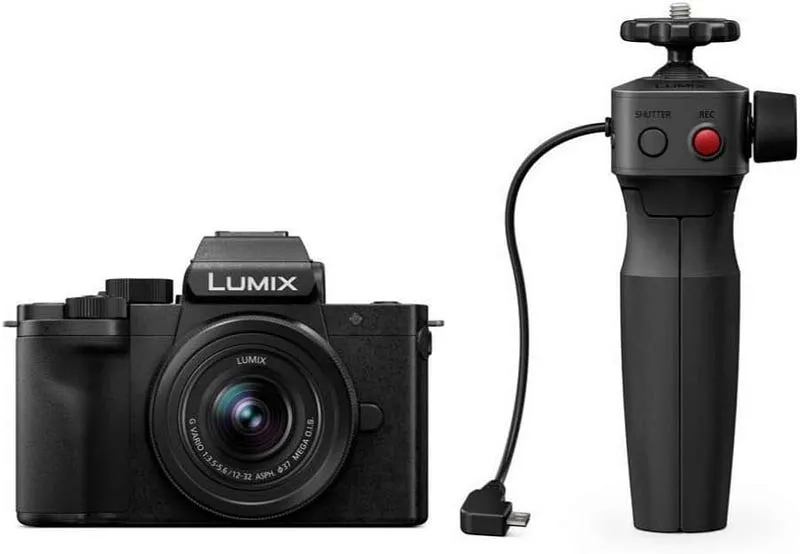
3. Panasonic Lumix G100
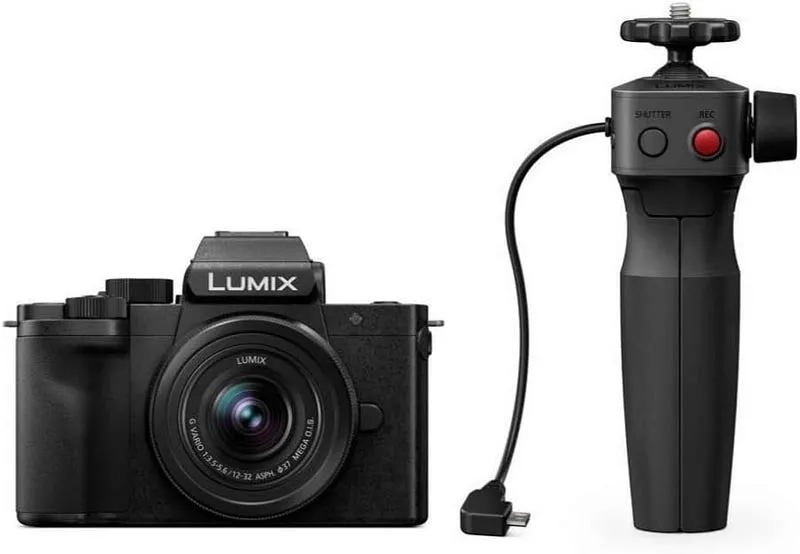
Why it’s great: The G100 is a mirrorless camera with an interchangeable lens system (Micro Four Thirds), giving you room to grow. It shines with its integrated OZO Audio by Nokia, which offers advanced sound recording with tracking capabilities — a significant advantage for clearer audio. It records 4K video, has a fully articulating flip-out screen, and features 5-axis hybrid image stabilization, which is great for handheld shooting.
Considerations: While it has good hybrid stabilization, it’s not always as robust as dedicated in-body image stabilization found in higher-end cameras. The autofocus, while decent, might not be as snappy as Sony’s in all situations.
Verdict: The G100 is an excellent choice if you want the flexibility of interchangeable lenses and superior built-in audio. It feels more like a traditional camera but is optimized for vlogging.
4. DJI Osmo Pocket 3
Why it’s great: This is a slightly different beast, more of an integrated camera-gimbal system. But for portability and super smooth, stabilized footage, it’s hard to beat. It shoots stunning 4K at up to 120fps, has a rotating 2-inch touchscreen, and DJI’s ActiveTrack 6.0 for incredibly reliable subject tracking. Its built-in microphones are surprisingly good, and it can connect to external DJI wireless mics.
Considerations: It’s not a traditional interchangeable-lens camera. While versatile, its small sensor means lower light performance won’t match larger sensor cameras. Battery life, while decent, might require backups for long shoots.
Verdict: If your vlogging style involves a lot of movement, travel, or quick grab-and-go shooting, the Osmo Pocket 3 is a game-changer. The built-in gimbal stabilization is phenomenal, making your footage look instantly professional.
5. Nikon Z30
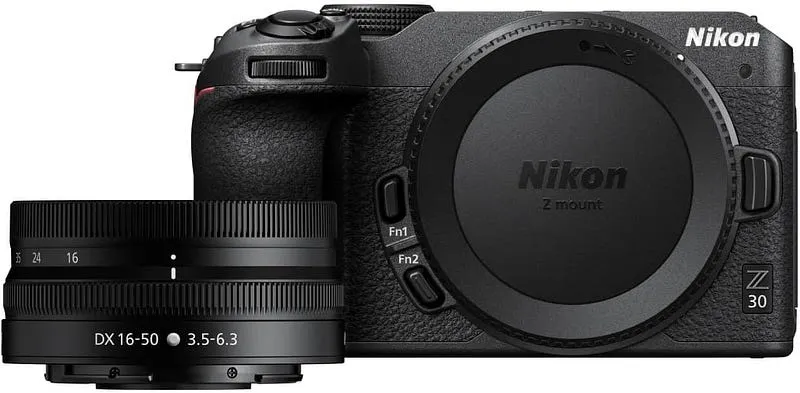
Why it’s great: Nikon’s entry into the APS-C mirrorless vlogging space, the Z30 offers excellent image quality from its 20.9MP sensor, 4K30p video, and a fully articulating touchscreen. It’s a lightweight and compact mirrorless camera that provides access to Nikon’s growing Z-mount lens lineup. It also features a tally lamp to easily see when you’re recording.
Considerations: While it has good image quality, some might find Nikon’s color science slightly less “video-friendly” out of the box compared to Canon or Sony, though this is subjective and can be adjusted. It relies on lens-based stabilization or digital stabilization.
Verdict: For those who appreciate Nikon’s ergonomics and image quality in a budget-friendly mirrorless package, the Z30 is a solid contender, especially if you plan to invest in future lenses.
6. GoPro HERO11/12 Black (or an older, discounted model)
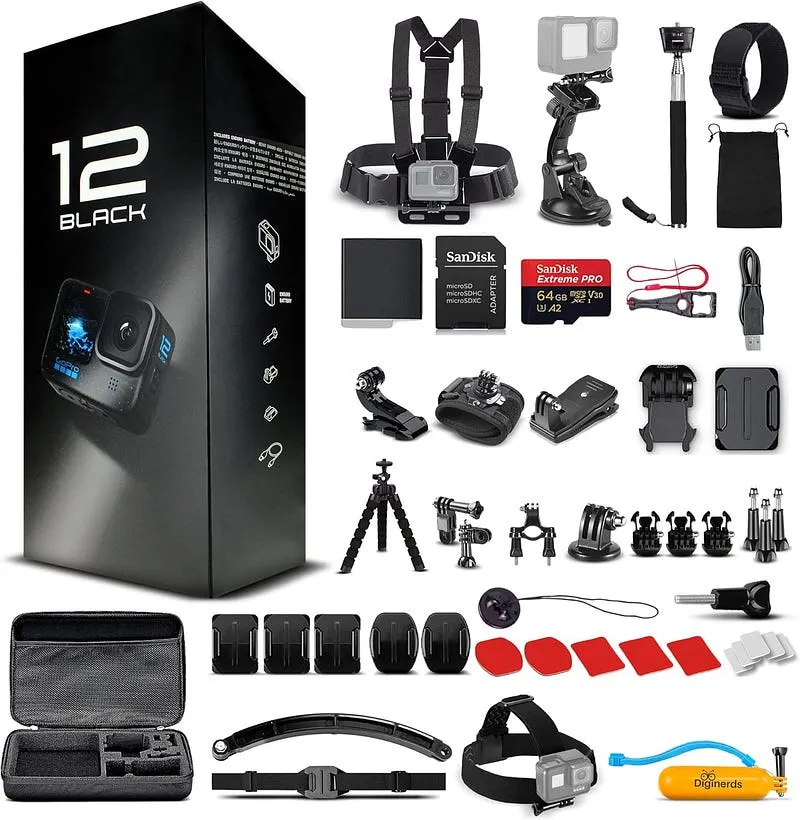
Why it’s great: If your vlogs are action-packed, adventure-focused, or involve a lot of extreme sports, a GoPro is indispensable. The HERO11/12 Black offer incredible Hypersmooth stabilization, rugged waterproof designs, and excellent wide-angle 4K footage. They are virtually indestructible and open up a world of mounting possibilities.
Considerations: Less ideal for “talking head” style vlogging indoors due to the super wide-angle lens and fixed aperture. Audio quality, while improved, generally still benefits from external accessories.
Verdict: Not every vlogger needs a GoPro, but if your content involves dynamism and outdoor adventures, it’s the absolute best in its class for a reasonable price.
Don’t Forget the Audio!
Good audio matters more than good video for engaging content. Viewers might tolerate slightly less crisp video, but they will click away if the audio is poor.
- Rode Wireless GO II: This compact wireless microphone system is a game-changer. It’s incredibly easy to use, offers fantastic sound quality, and can record audio directly to the transmitters as a backup.
- Shotgun Microphones: Brands like Rode (VideoMic series), Deity, and Sennheiser offer excellent on-camera shotgun microphones that significantly improve directional audio pickup.
- Lavalier Microphones: For close-up, clear audio when you’re talking directly to the camera, a wired or wireless lavalier mic clipped to your clothing is often the best choice.
Written by
Marien CartelProfessional and Certified Digital Photographer born in the USA, with 22 years of experience in the field of photography.
Related Guides

Best Camera For Kids Vlogging
Best Camera For Kids Vlogging: a side-by-side look at GoPro Hero10 Black and Insta360 Go 3S, with strengths, trade-offs and buying advice.
Best Camera for Vlogging
Best Camera for Vlogging: what to look for, what to skip and how to choose the right one for your budget. Updated for 2026.
Best Camera for Daily Vlogging
Best Camera for Daily Vlogging — what the Sony ZV-1 offers, where it falls short, and whether it is worth buying.
Best Vlogging Lens Sony Full Frame
Best Vlogging Lens Sony Full Frame: a side-by-side look at Sony FE 24–70mm f/2.8 GM and Sony FE 16–35mm f/4 G, with strengths, trade-offs and buying advice.
Best Focal Length for Vlogging
Best Focal Length for Vlogging: what to look for, what to skip and how to choose the right one for your budget.

Best Camera for Chess Streamers
Best Camera for Chess Streamers: what to look for, what to skip and how to choose the right one for your budget.