How to Choose a Lens for Sports Photography: Focal Length, f/8 vs f/4 & Autofocus Guide
As an Amazon Associate we earn from qualifying purchases. Some links in this guide are affiliate links, see our affiliate disclosure for details.
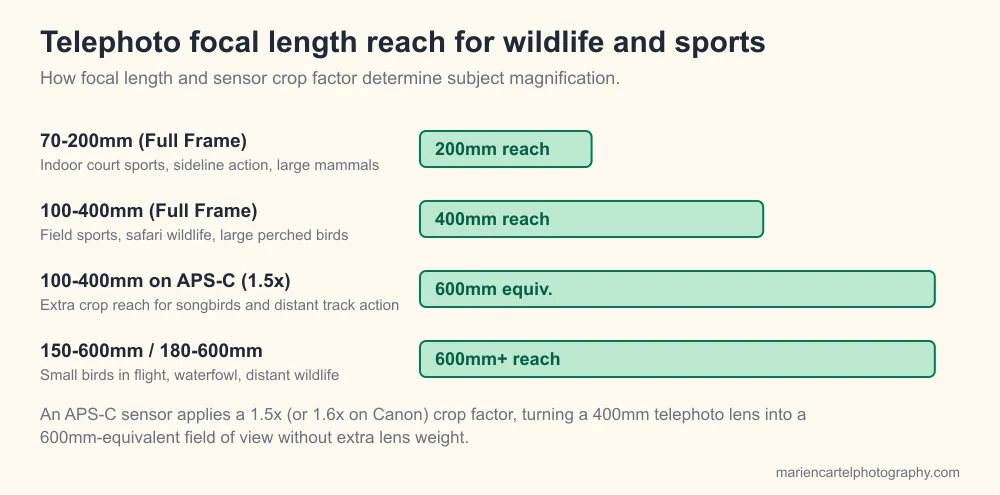
Quick Answer: For indoor court sports, basketball gyms, and night stadium games, choose a 70–200mm f/2.8 constant-aperture zoom so your sensor gathers enough light for 1/1000s shutter speeds without extreme ISO noise. For daylight field sports (soccer, baseball, football, track, and motorsport) where you sit 30 to 80 meters from the action, choose a 100–400mm or 150–600mm f/4.5–6.3 telephoto zoom (or use a 1.5x APS-C body to multiply your effective focal length).
Sports photography asks three things from a lens: enough reach to fill the frame from the sideline, enough light to freeze fast movement, and linear or ultrasonic autofocus motors fast enough to track sprinting athletes. This guide breaks down how to match focal length, aperture, and camera mount compatibility to the sport you shoot.
Sports Lens Quick-Match Table by Venue & Distance
| Sport / Venue Type | Typical Sideline Distance | Ideal Focal Length (Full Frame) | Ideal Focal Length (APS-C 1.5x) | Target Aperture & Minimum Shutter Speed |
|---|---|---|---|---|
| Basketball, Volleyball & Indoor Courts | 3m – 18m (baseline/bleachers) | 70–200mm (or 85mm f/1.8 prime) | 50–140mm (or 56mm f/1.4 prime) | f/2.8 (or f/1.8) · 1/1000s at ISO 3200–6400 |
| Night High School Football & Hockey | 15m – 45m | 70–200mm f/2.8 or 300mm f/2.8 | 70–200mm f/2.8 (frames like 105–300mm) | f/2.8 · 1/1000s – 1/1600s |
| Daylight Soccer, Baseball & Youth Sports | 25m – 75m | 100–400mm or 200–600mm | 70–300mm or 100–400mm (frames like 150–600mm) | f/4 – f/6.3 · 1/1600s – 1/2000s |
| Motorsport, Surfing & Trackside Panning | 40m – 120m | 150–600mm or 200–600mm | 100–400mm or 150–600mm | f/5.6 – f/8 (or 1/125s–1/250s for motion blur pans) |
Step 1: Start With Sideline Reach & Crop Factor
Reach is the focal length you need to make a player fill at least half the vertical frame. It depends on how far you stand from the action and whether your camera uses a Full-Frame (1.0x) or APS-C (1.5x / 1.6x) sensor:
- Close indoor courts & small arenas (3m–18m): 70mm to 200mm covers both under-the-basket action and mid-court transitions. In very dim high school gyms, an 85mm f/1.8 prime lets in more than twice as much light as an f/2.8 zoom.
- Outdoor stadiums, baseball diamonds & soccer fields (25m–75m): 300mm to 400mm is the sweet spot for isolating players across the pitch.
- Large venues, surfing, or motorsport circuits (50m–120m): 400mm to 600mm is required to frame tight action without heavy post-crop megapixel loss.
On an APS-C crop-sensor camera (such as the Sony a6400, Sony a6700, Canon EOS R10/R7, or Nikon Z50 II), the effective field of view is narrower. A 70–200mm lens on a 1.5x APS-C body frames like a 105–300mm lens on full frame, giving sideline photographers extra reach without extra weight. You can test exact framing and mount compatibility using our Interactive Camera & Lens Compatibility Checker or read Telephoto Lenses Explained.
Step 2: Choose Aperture — Constant f/2.8 vs Variable f/4–6.3
Maximum aperture controls how much light reaches the sensor and how cleanly the stadium background blurs behind your subject:
- Constant f/2.8 zooms (such as a 70–200mm f/2.8): Let in 2x more light than f/4 and 4x more light than f/5.6. If you shoot indoor basketball, volleyball, ice hockey, or Friday-night football under stadium lights, f/2.8 keeps your ISO one to two stops cleaner while maintaining a 1/1000s action-freezing shutter speed.
- f/4 to f/6.3 super-telephoto zooms (such as a 100–400mm or 150–600mm): Lighter, smaller, and significantly more affordable than f/2.8 super-telephoto primes. For daytime baseball, youth soccer, track and field, or golf, outdoor sunlight allows 1/2000s shutter speeds at ISO 400–800 even at f/5.6 or f/6.3.
Step 3: Autofocus Motors, Focus Limiter Switches & Stabilization
When athletes sprint toward the camera or change direction abruptly, the lens's internal focus drive matters just as much as the camera body's subject-tracking processor:
- Linear / Ultrasonic Focus Motors (XD Linear, Nano USM, VXD, or Stepping Motors): Move internal focus groups instantaneously so continuous autofocus (
AF-C/AI Servo) stays locked on the player's eyes during 10–30 fps bursts. - Focus Range Limiter Switch (
FULLvs3m–∞): Prevents the lens from hunting all the way to minimum focus distance if a referee or sideline player briefly crosses in front of your lens. - Optical Stabilization Panning Modes (Mode 1 vs Mode 2): Look for a telephoto lens with Mode 2 Optical Stabilization, which stabilizes vertical hand shake while allowing smooth horizontal panning for race cars, cyclists, and runners.
Frequently Asked Questions
Is a 70–200mm lens long enough for outdoor soccer or football?
On a full-frame camera, 200mm only fills the frame when players are within 20 to 25 meters (roughly a quarter of a regulation soccer pitch). For full-field outdoor soccer, baseball, or football, pair a 70–200mm with a 1.4x teleconverter or step up to a 100–400mm or 150–600mm telephoto zoom.
What shutter speed do I need to freeze sports action?
Use at least 1/1000 second for adult running sports (basketball, soccer, football) and 1/1600 to 1/2500 second to freeze fast-moving balls, baseball bats, golf club heads, or flying water droplets. For youth sports with younger kids, 1/800 second is usually sufficient.
Best Sports Lenses by Camera Brand
Camera & Lens Settings by Real-World Use Case
Match your focal length, aperture, shutter speed, and lighting modifier to the exact environment you shoot in.
Tattoo Artists & Micro-Realism Portfolios
- Best Body:
- Sony Alpha a7 III / Fujifilm X-T4
- Ideal Lens:
- 90mm f/2.8 Macro (detail) or 50mm f/1.8 (sleeves & back pieces)
- Aperture & Shutter:
- f/5.6 – f/8 (keeps curved forearms and calves sharp edge-to-edge) · 1/125s – 1/200s handheld (or 1/60s on tripod)
- Room Distance:
- 0.4m – 1.5m (1.5 to 5 ft)
Barbershops, Hairstylists & Color Salons
- Best Body:
- Sony a7 IV / Canon EOS R6 Mark II
- Ideal Lens:
- 50mm f/1.8 (tight stations) or 85mm f/1.8 (spacious salons)
- Aperture & Shutter:
- f/1.8 – f/2.8 (blurs background chairs while keeping the lineup tack-sharp) · 1/160s – 1/250s (freezes subtle head movement in the chair)
- Room Distance:
- 1.5m – 2.4m (5 to 8 ft from the styling chair)
Makeup Artists (MUA) & Beauty Tutorials
- Best Body:
- Sony Alpha a6400 / Canon G7 X Mark III
- Ideal Lens:
- Sigma 56mm f/1.4 DC DN (APS-C) or 50mm–85mm f/1.8 (Full Frame)
- Aperture & Shutter:
- f/2.8 – f/4 for full-face sharpness; f/5.6 for macro eye/lip close-ups · 1/125s for stills; 1/50s (24p) or 1/120s (60p) for video tutorials
- Room Distance:
- 1.2m – 2.2m (4 to 7 ft)
Written by
Marien CartelMarien Cartel runs Marien Cartel Photography, a camera and lens buying-guide site, and photographs the gear shown on it.
Related Guides
Best Focal Length for Portraits: Specs, Autofocus & Lens Pairing
Best Focal Length for Portraits — a practical buying guide covering what matters, common mistakes and what to buy.
Best Focal Length for Vlogging: Specs, Autofocus & Lens Pairing
Best Focal Length for Vlogging: what to look for, what to skip and how to choose the right one for your budget.
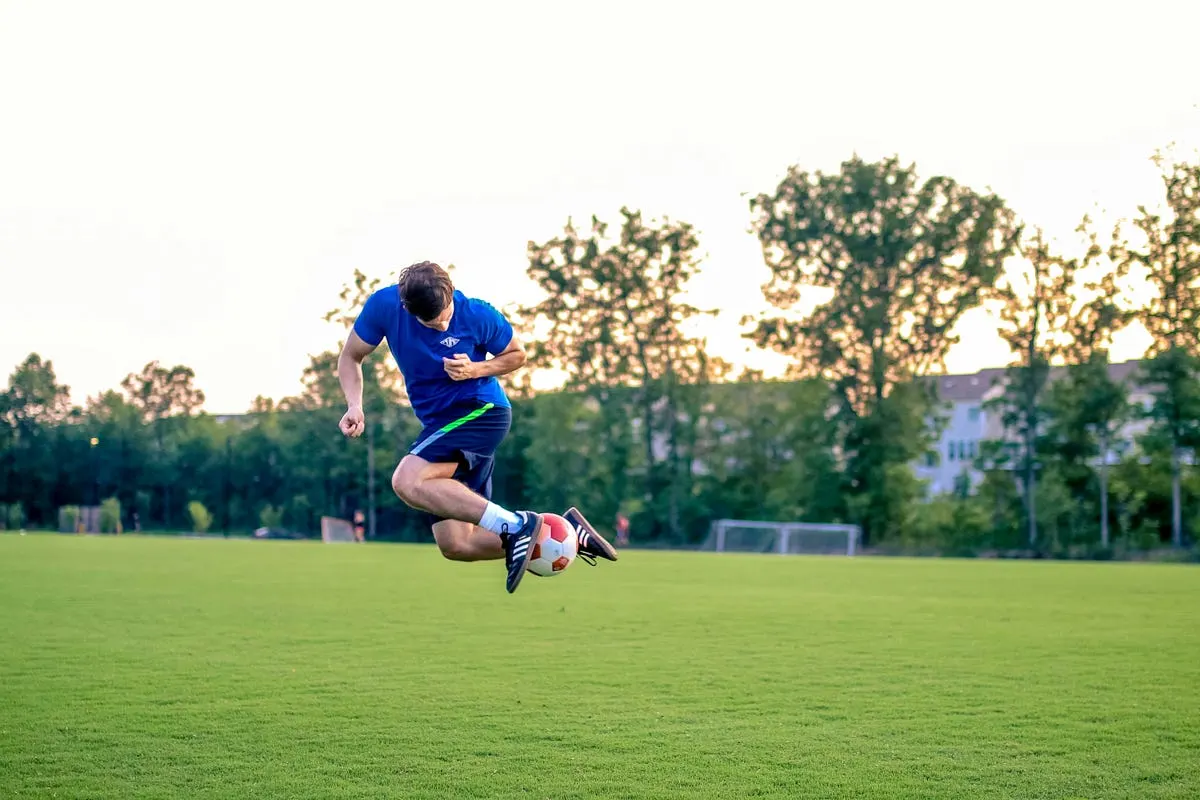
Best Canon Lenses for Sports: Focal Length, Bokeh & Value Picks
Best Canon Lenses for Sports — Canon RF 100–500mm f/4.5–7.1L IS and Canon EF 70–200mm f/2.8L IS compared, with pros, cons and who should buy which.
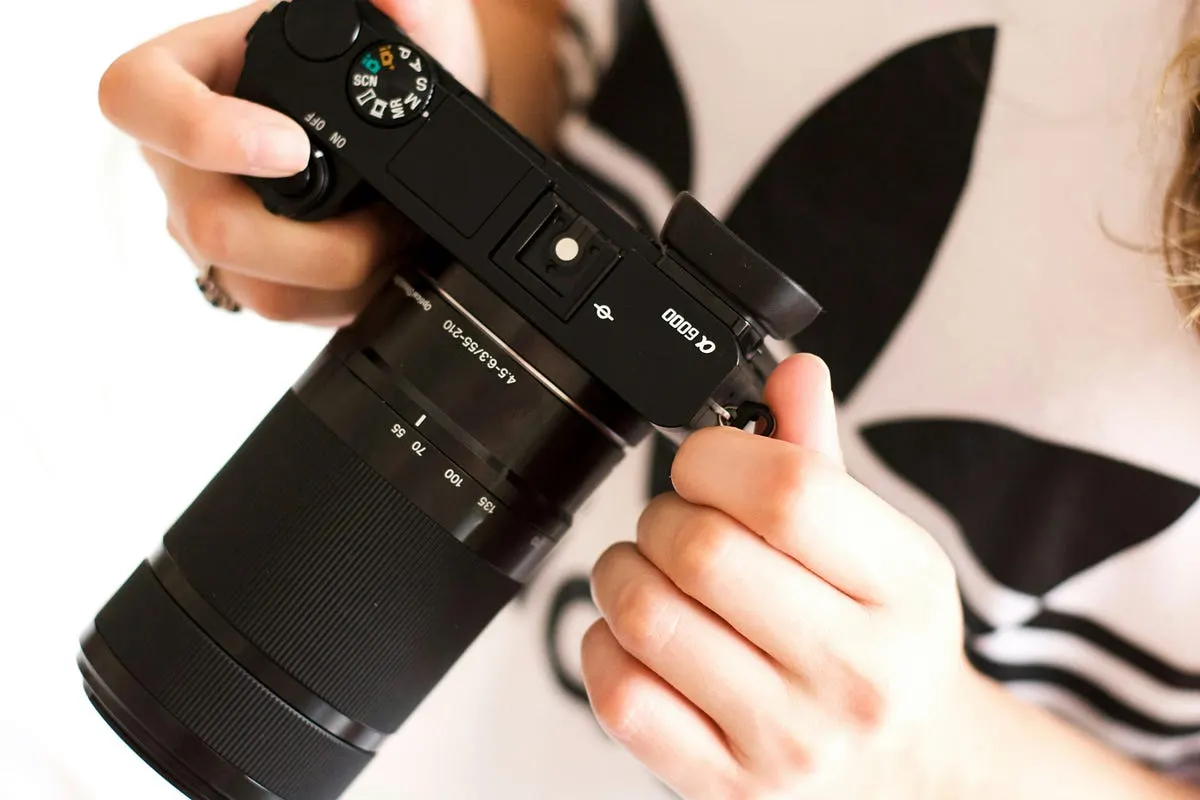
Best Prime Lens for Sony A6000: Focal Length, Bokeh & Value Picks
Best Prime Lens for Sony A6000: Sony A6000 Prime Lenses, Sony 35mm f/1.8 OSS and Sigma 30mm f/1.4 DC DN compared on features, price and who each one suits.
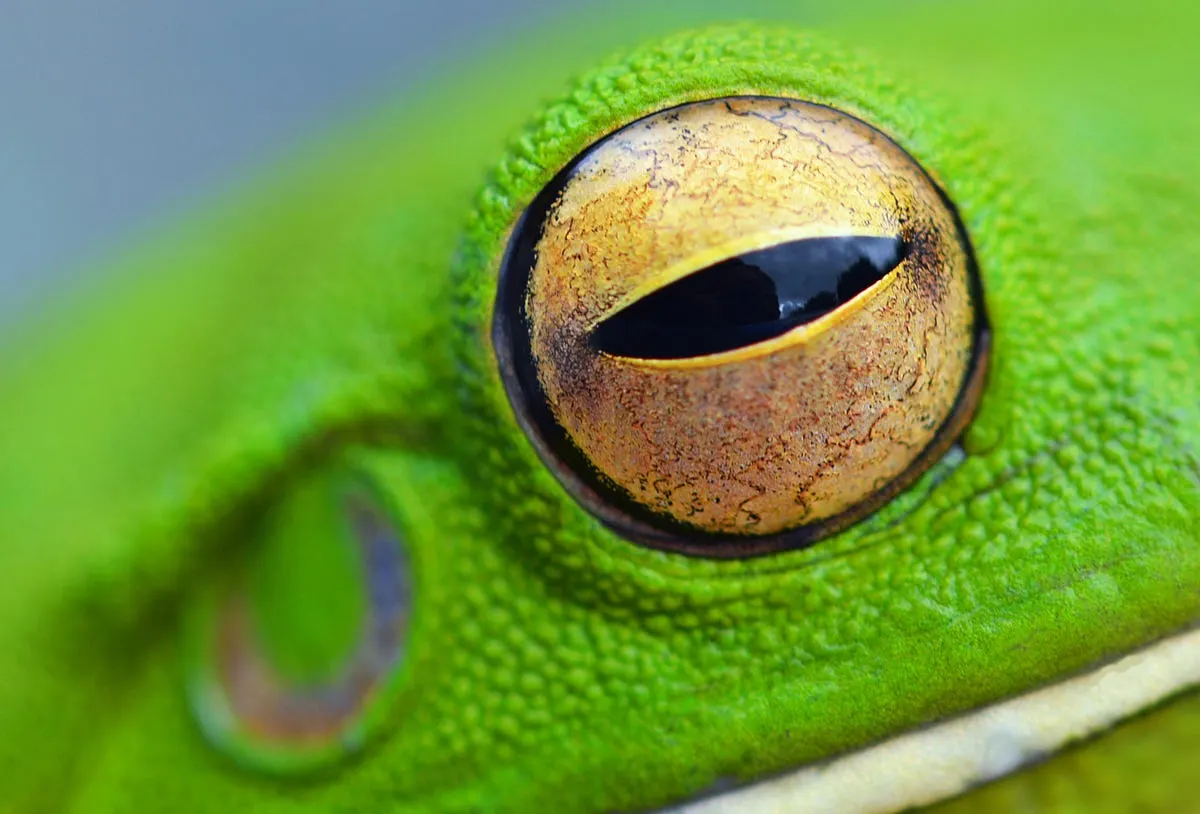
Best Nikon Macro Lenses: Focal Length, Bokeh & Value Picks
Best Nikon Macro Lenses — Tamron 90mm f/2.8 VC and Tokina AT-X 100mm f/2.8 PRO compared, with pros, cons and who should buy which.
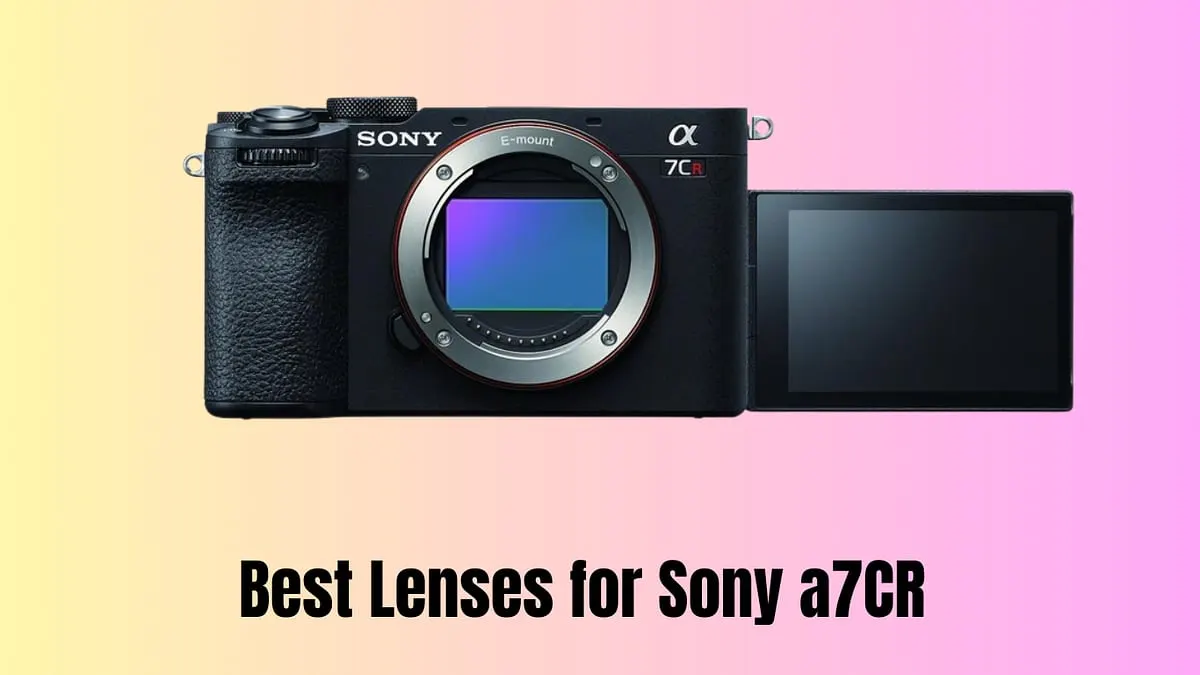
Best Lenses for Sony a7CR: Focal Length, Bokeh & Value Picks
Best Lenses for Sony a7CR: Sony FE 24–105mm f/4 G, Sony FE 35mm f/1.4 GM and Sony FE 50mm f/1.2 GM compared on features, price and who each one suits.