Best Nikon lens for sports
As an Amazon Associate we earn from qualifying purchases. Some links in this guide are affiliate links — see our affiliate disclosure for details.
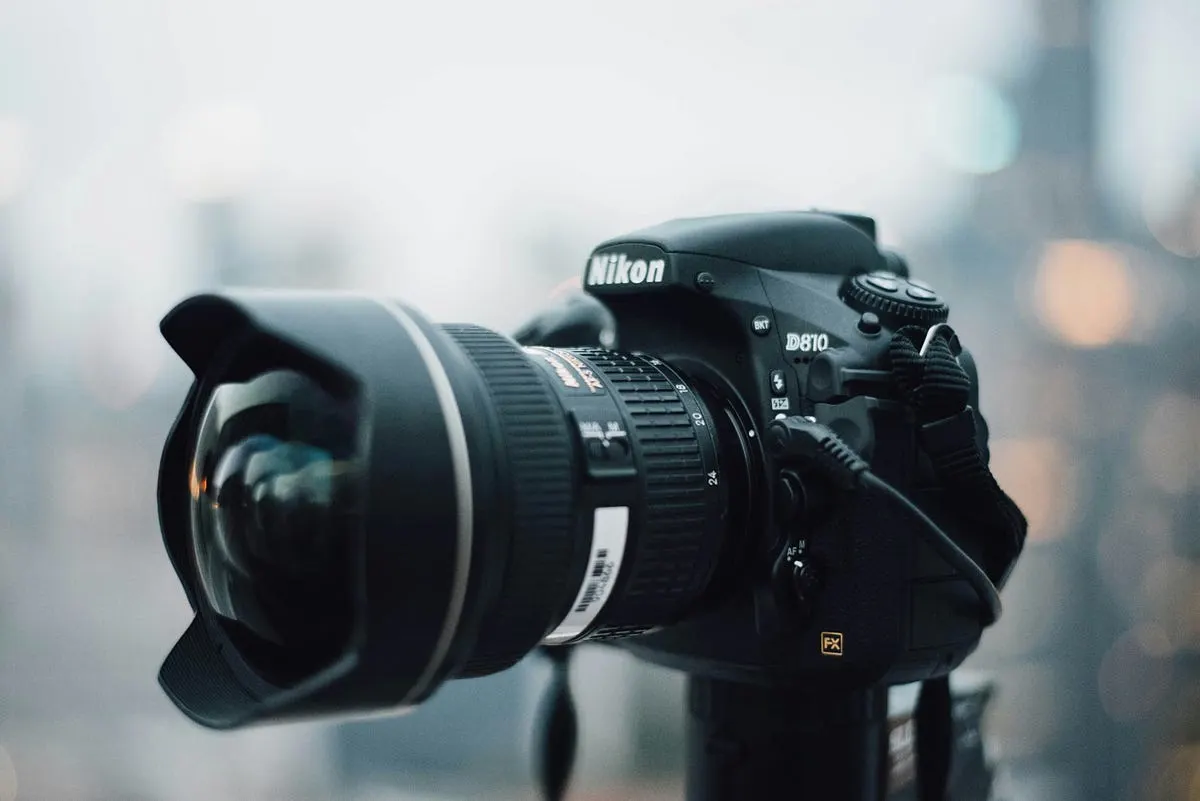
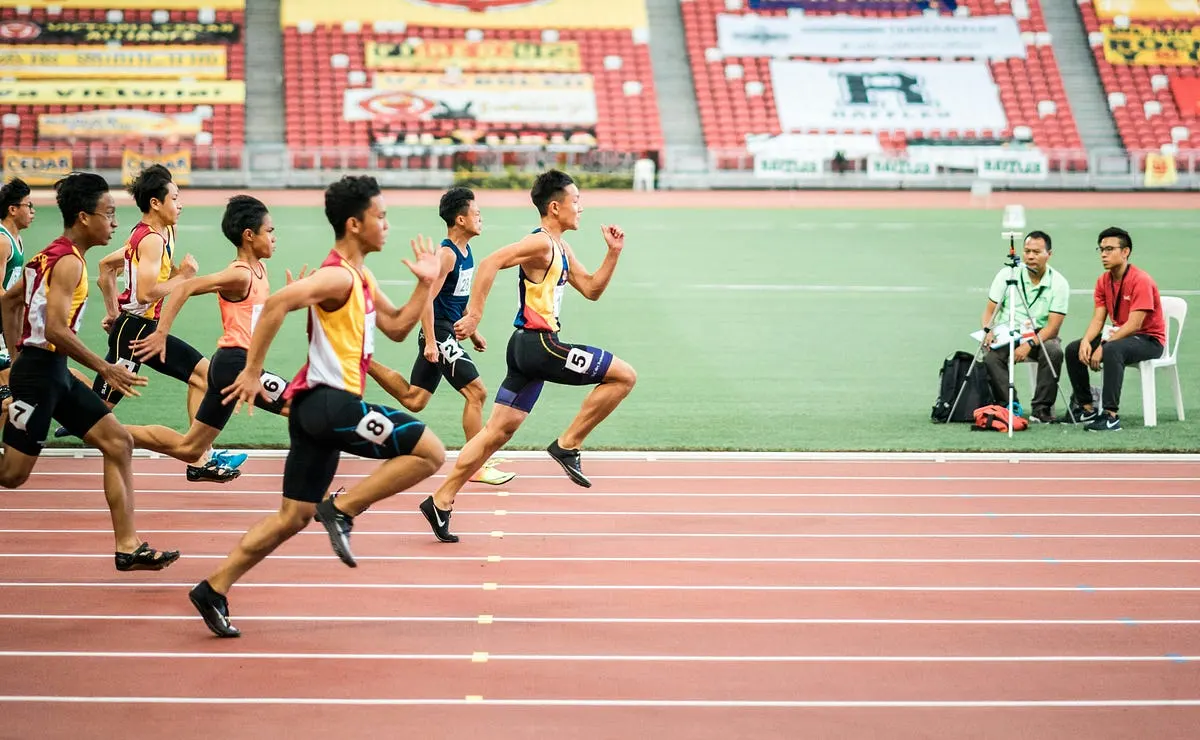
Photo by Jonathan Chng on Unsplash
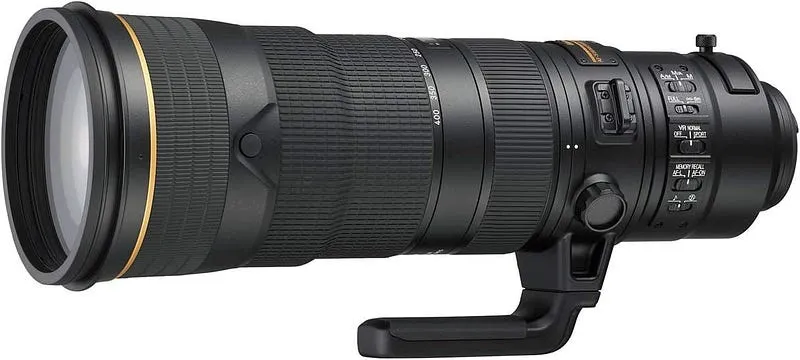
As an avid sports photographer, I’ve spent countless hours capturing the thrill of the game, from the explosive energy of soccer matches to the precision of basketball tournaments. Throughout this journey, I’ve experimented with various lenses to find the perfect match for my Nikon camera. In this blog, I will share my personal experiences and insights on what I believe is the best Nikon lens for sports photography: the Nikon AF-S 180–400mm f/4E TC1.4 FL ED VR.

Choosing the Right Lens
When I first ventured into sports photography, I quickly realized that having the right lens can make all the difference. The ideal sports lens needs to be versatile, fast, and capable of delivering sharp images even in challenging conditions. After researching and testing several options, I found that telephoto zoom lenses are particularly effective for sports, as they allow you to capture distant action without sacrificing image quality.
The Nikon AF-S 180–400mm f/4E TC1.4 FL ED VR stood out as a top contender for several reasons:
- Focal Length: With a range of 180–400mm and a built-in 1.4x teleconverter, this lens provides exceptional reach, making it perfect for capturing athletes in action from a distance.
- Aperture: The constant f/4 aperture allows for excellent low-light performance and beautiful background blur (bokeh), which is crucial for isolating subjects in fast-paced environments.

- Image Stabilization: The VR (Vibration Reduction) technology is a game-changer, enabling me to shoot at slower shutter speeds without introducing blur — an essential feature when tracking moving subjects.

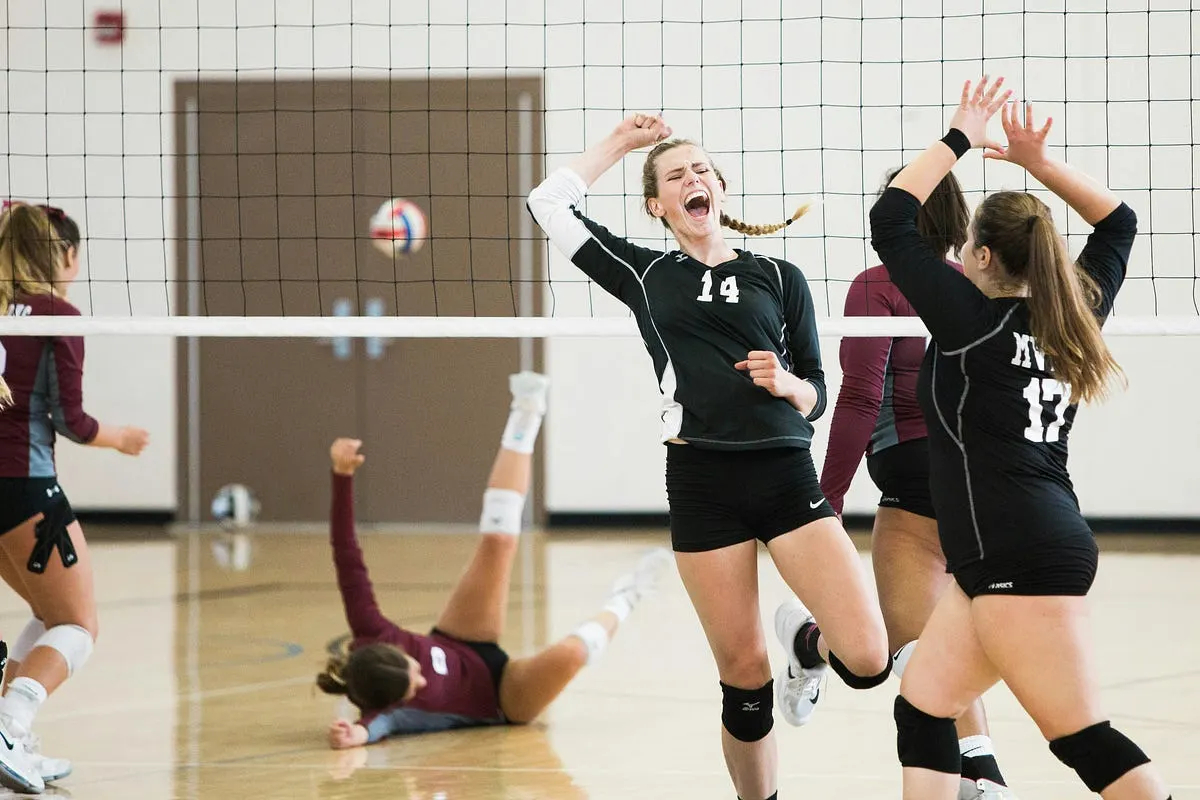
Photo by Nathanaël Desmeules on Unsplash
Nikon AF-S 180–400mm f/4E TC1.4 FL ED VR: A Personal Review

As a passionate sports photographer, my journey has been filled with exhilarating moments, capturing the raw energy of athletes in action. Over the years, I’ve experimented with various lenses, but none have impressed me quite like the Nikon AF-S 180–400mm f/4E TC1.4 FL ED VR. This lens has become my go-to choice for sports photography, and I’d like to share my personal experience, along with its pros and cons.
First Impressions
When I first unboxed the Nikon AF-S 180–400mm, I was struck by its robust build quality and impressive size. Weighing in at about 3.5 kg (7.7 lbs), it’s definitely a hefty piece of equipment, but the weight is balanced well, making it manageable for extended shooting sessions. The lens feels solid and professional, which is exactly what I expect from a high-end Nikon product.
I remember my first assignment with this lens at a local football match. The excitement was palpable as I set up on the sidelines, ready to capture every thrilling moment. The lens’ focal length range of 180–400mm (which extends to 252–560mm with the built-in teleconverter) allowed me to shoot from a distance without losing detail.
Performance in the Field
The autofocus performance of the AF-S 180–400mm is nothing short of exceptional. During that first match, I was amazed at how quickly and accurately it locked onto fast-moving subjects. Whether it was a player sprinting down the field or a goalkeeper diving for a save, the lens tracked motion effortlessly.
One of my favorite moments came when a player scored a breathtaking goal from outside the box. With the lens set to its maximum zoom, I captured not only the action but also the sheer joy on the player’s face as he celebrated — an image that resonated deeply with viewers.
The Vibration Reduction (VR) feature is another standout aspect of this lens. It compensates for up to four stops of camera shake, allowing me to shoot handheld in less-than-ideal lighting conditions without sacrificing sharpness. This proved invaluable during evening matches when light levels dropped.
Image Quality
The image quality produced by this lens is truly remarkable. The sharpness is outstanding across its zoom range, particularly between 180mm and 300mm. Even at full telephoto with the teleconverter engaged, images remain impressively sharp with minimal chromatic aberration or distortion.
The bokeh — how out-of-focus areas are rendered — is also beautiful. It allows for excellent subject isolation, which is crucial in sports photography where distractions abound in the background.
Pros and Cons
While my experience with the Nikon AF-S 180–400mm has been overwhelmingly positive, it’s important to consider both its strengths and weaknesses:
Pros:
- Exceptional Image Quality: Outstanding sharpness and low distortion throughout the zoom range.
- Fast Autofocus: Quick and accurate tracking of fast-moving subjects.
- Vibration Reduction: Effective stabilization allows for handheld shooting in varying light conditions.
- Built-in Teleconverter: Conveniently expands focal length without needing to change lenses.
- Durable Build: Weather-sealed construction provides reliability in challenging environments.
Cons:
- Weight: At nearly 3.5 kg, it can be cumbersome during long events; a monopod or tripod is often necessary.
- Price: With a price tag around $12,400, it’s a significant investment that may not be feasible for all photographers.
- Size: Its large size can attract attention and may not be ideal for discreet shooting situations.
Conclusion
In conclusion, my experience with the Nikon AF-S 180–400mm f/4E TC1.4 FL ED VR has been transformative for my sports photography endeavors. Its combination of reach, speed, and exceptional image quality makes it an indispensable tool for capturing dynamic moments on and off the field.
While it comes with some drawbacks — primarily its weight and cost — the benefits far outweigh these concerns for serious photographers who demand high performance. If you’re looking to elevate your sports photography game and can invest in top-tier equipment, I wholeheartedly recommend considering this lens as part of your kit. It has certainly enriched my ability to tell compelling stories through my photographs!
Versatility Beyond Sports
While its primary strength lies in sports photography, I’ve also used this lens for wildlife photography during a trip to a local nature reserve. The ability to zoom in on distant animals without disturbing them was invaluable. The lens performed exceptionally well in varying light conditions, proving its versatility beyond just sporting events.
Considerations Before Buying
Despite its many strengths, there are a few considerations to keep in mind before purchasing:
- Weight: This lens is relatively heavy (weighing around 3 kg), which can be tiring during long events or when moving around frequently. A sturdy monopod or tripod is highly recommended for extended shooting sessions.
- Price: It’s an investment; however, for serious sports photographers looking for quality and performance, it’s worth every penny.
- Compatibility: Ensure that your camera body is compatible with this lens. It works seamlessly with Nikon’s F-mount DSLRs and can be adapted for use with mirrorless models via an FTZ adapter.

Conclusion
In conclusion, my experience with the Nikon AF-S 180–400mm f/4E TC1.4 FL ED VR has been overwhelmingly positive. Its combination of reach, speed, and image quality makes it an excellent choice for sports photography. Whether you’re capturing high-octane moments on the field or observing wildlife from afar, this lens delivers exceptional results.
If you’re serious about stepping up your sports photography game, I highly recommend considering this lens as part of your kit. It has certainly transformed my approach to capturing dynamic moments in sports and beyond!

Written by
Marien CartelProfessional and Certified Digital Photographer born in the USA, with 22 years of experience in the field of photography.
Related Guides

Best Lens for Panasonic LUMIX S5: (2026 Guide & Reviews)
Unlocking the Cinematic Soul of the L-Mount System. What the Sigma 24–70mm f/2.8 DG DN gets right, what it does not, and who should buy it.

Best Lens for Wide Shots
The Ultimate Guide to the Best Lens for Wide Shots: Field-Tested Review & Personal Experience

Best Lenses for Interior Photography
Best Lenses for Interior Photography. Here is how the Canon R6 Mark II and Canon EOS R6 Mark II compare, and the one I keep going back to.