Best Nikon Z Super Telephoto Lens

As an Amazon Associate we earn from qualifying purchases. Some links in this guide are affiliate links — see our affiliate disclosure for details.
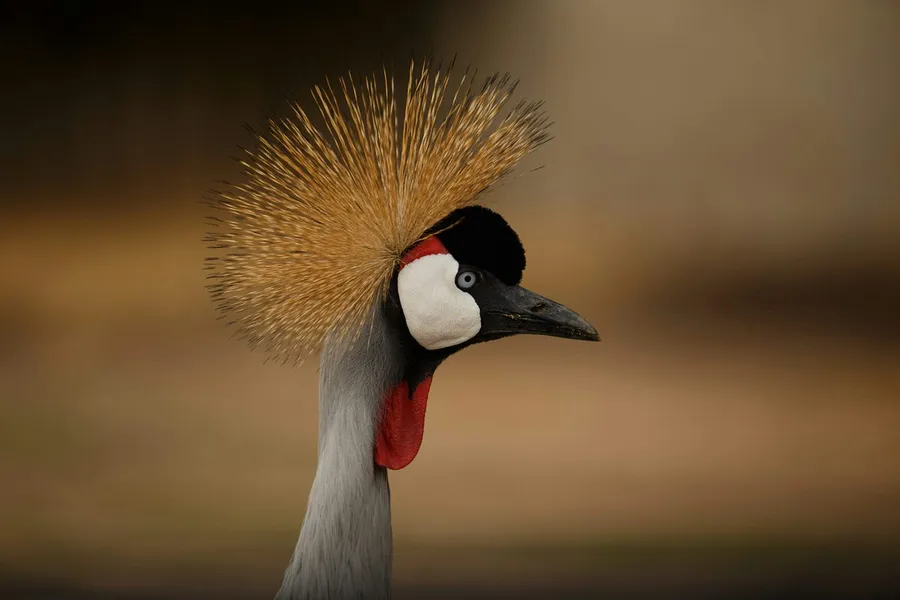
Photo by Abed Ismail on Unsplash
Quick answer: which Nikon Z super-telephoto should you buy?
- Best for maximum reach: the Nikon Z 600mm f/4 TC VR S. Its built-in 1.4x teleconverter switches between 600mm at f/4 and 840mm at f/5.6 without a separate accessory. It is also the heaviest of the three, at about 3.26 kg.
- Best for a lighter fixed lens: the Nikon Z 400mm f/4.5 VR S. At about 1.25 kg it is the lightest option here, and a prime lens keeps the design simple.
- Best for flexibility: the Nikon Z 100–400mm f/4.5–5.6 VR S. One zoom covers 100mm to 400mm, so you can reframe without changing lenses.
The right choice depends mostly on how far your subjects are and how much weight you can carry. The sections below compare the three lenses on published specifications and explain which use cases each one suits.
A Glimpse into the Wild
One unforgettable experience was a safari in the Maasai Mara.
For those seeking even greater reach, the Nikon Z 400mm f/4.5 VR S is a fantastic choice.
The built-in 1.4x teleconverter extends the focal length to 840mm, making it ideal for capturing distant wildlife and celestial objects.
A Comparative Analysis
- Nikon Z 100–400mm f/4.5–5.6 VR S: Offers a versatile zoom range, excellent image stabilization, and impressive sharpness, making it a great choice for wildlife and sports photography.
- Nikon Z 400mm f/4.5 VR S: Delivers exceptional sharpness, fast autofocus, and lightweight design, making it ideal for wildlife and bird photography.
- Nikon Z 600mm f/4 TC VR S: Provides unmatched reach and low-light performance, making it the ultimate choice for serious wildlife and sports photographers.
Specs side by side
The table uses the figures Nikon publishes for each lens. Weights can change with the tripod collar fitted, so check the product page before you buy.
| Spec | Z 100–400mm f/4.5–5.6 VR S | Z 400mm f/4.5 VR S | Z 600mm f/4 TC VR S |
|---|---|---|---|
| Focal length | 100–400mm zoom | 400mm fixed | 600mm, or 840mm with the built-in 1.4x |
| Maximum aperture | f/4.5–5.6 | f/4.5 | f/4, or f/5.6 at 840mm |
| Weight | About 1,355 g without tripod collar (about 1,435 g with) | About 1,245 g | About 3,260 g |
| Minimum focus distance | 0.75 m at 100mm, 0.98 m at 400mm | 2.5 m | See Nikon's product page |
| Filter size | 77 mm | 95 mm | See Nikon's product page |
The 400mm prime is lighter than the zoom, even though it is a fixed focal length. The 600mm is in a different weight class, and it should be treated as a tripod or gimbal lens for most people.
The published figures come from Nikon's product pages, such as the NIKKOR Z 600mm f/4 TC VR S page. Confirm them there before you buy, because accessories and packaging can change the numbers.
Who should buy which lens
| Your main subject | Best fit | Why |
|---|---|---|
| Birds and small animals at a distance, handheld for long sessions | Z 400mm f/4.5 VR S | Lightest of the three, so it is easier to carry and hold |
| Safari and mixed wildlife, where distance changes often | Z 100–400mm f/4.5–5.6 VR S | The zoom range lets you reframe quickly without swapping lenses |
| Distant wildlife, from a tripod or gimbal | Z 600mm f/4 TC VR S | Widest maximum aperture at 600mm, plus a built-in path to 840mm |
| Budget-conscious buyers who want one lens | Z 100–400mm f/4.5–5.6 VR S | Covers the most situations with a single purchase |
Which lens fits your shooting style
- Wildlife on the move: the zoom is the most flexible choice for safaris and mixed subjects. For a wider look at lenses across distances, read the best Nikon lens for wildlife guide.
- Telephoto options beyond these three: the best Nikon telephoto lenses guide compares shorter and longer lenses, which helps if 400mm is more reach than you need.
- Choosing a body for fast action: the Nikon Z8 review covers a high-resolution body that many wildlife shooters pair with long telephotos.
- Crop-sensor bodies: if your camera is APS-C, the best lenses for Nikon Z50 II guide explains how focal length changes on a smaller sensor.
- Starting out: if you are still choosing a first body, the best Nikon camera for photography beginners guide is a better place to start than a super-telephoto.
Mistakes to avoid with super-telephoto lenses
- Forgetting that the teleconverter costs light. The 1.4x converter gives up about one stop, so the 600mm f/4 becomes f/5.6 at 840mm. Test autofocus in dim light before you depend on it.
- Handholding the 600mm for long sessions. At about 3.26 kg, it needs a tripod, monopod or gimbal head. Carrying it all day is a common reason people sell these lenses.
- Using too slow a shutter speed. A common starting point is a shutter speed at least as fast as 1 divided by the focal length. At 840mm on full frame, that means about 1/1000 second.
- Ignoring the crop factor. On an APS-C body such as the Z50 II, the field of view is narrower than on full frame. Work out the effective focal length before you buy a lens for reach.
- Assuming the filter sizes match. The zoom takes 77 mm filters and the 400mm prime takes 95 mm. Accessories bought for one will not fit the other.
- Overlooking minimum focus distance. The 400mm prime focuses no closer than 2.5 m. For close subjects, the zoom focuses much nearer at its short end.
More picks
- Nikon Z TC-1.4x teleconverter — View on Amazon
Frequently asked questions
Is the Z 400mm f/4.5 VR S better than the 100–400mm zoom? Neither is better in every situation. The 400mm prime is lighter and has a wider maximum aperture at 400mm. The zoom covers a range of focal lengths and focuses closer at the short end. Choose the prime if you know your subject distance and want less weight. Choose the zoom if the distance changes often.
Do you need the built-in teleconverter on the 600mm? No. The teleconverter is optional. Use it when you need the extra reach and the light loss is acceptable for the scene. At 600mm, the f/4 aperture gives more light, so skip the teleconverter when light is low and the subject is close enough.
Can you handhold these lenses? Short sessions are possible with the zoom and the prime, because both are lighter and have vibration reduction. The 600mm is a tripod or gimbal lens for most shooters. Even with the lighter lenses, a monopod reduces fatigue on long days.
Do these lenses work on crop-sensor Nikon bodies? Yes, Z-mount lenses fit Nikon's APS-C Z bodies. On an APS-C body the effective focal length is longer than the number on the barrel, so the reach is greater but the field of view is narrower.
Is 840mm enough for birds in flight? It depends on how far away the bird is. At 840mm on full frame, you can fill the frame with a bird at a moderate distance. Birds in flight are fast and small in the frame, so a higher shutter speed and a good tracking focus mode matter as much as the focal length.
Conclusion

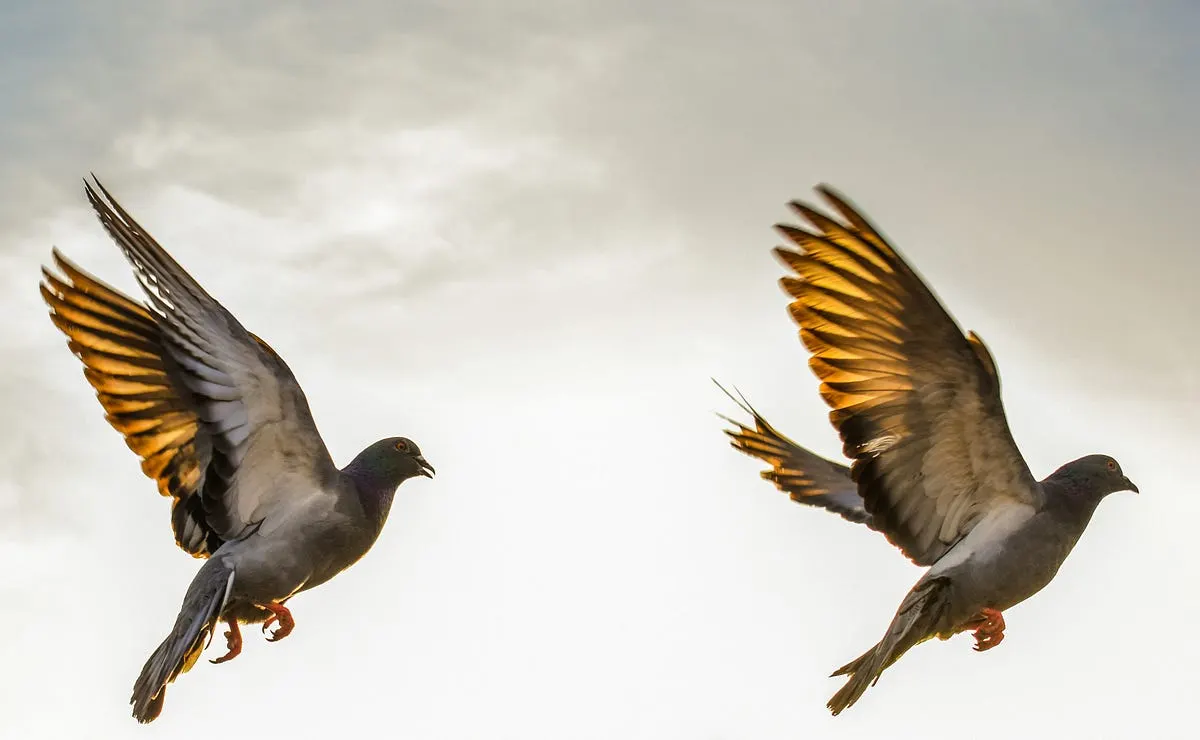
Photo by Mathias Dargnat on Unsplash

Photo by Aaron Dcosta on Unsplash

Written by
Marien CartelProfessional and Certified Digital Photographer born in the USA, with 22 years of experience in the field of photography.
Related Guides

Best Nikon Telephoto Lenses
Best Nikon Telephoto Lenses — Nikon 70–300mm f/4.5–5.6G ED VR and Nikon 200–500mm f/5.6E ED VR compared, with pros, cons and who should buy which.

Best Nikon lens for wildlife
Best Nikon lens for wildlife: Nikon Z 180–600mm f/5.6–6.3 VR and Nikon Z 100–400mm f/4.5–5.6 VR compared on features, price and who each one suits.

Best Nikon Macro Lenses
Best Nikon Macro Lenses — Tamron 90mm f/2.8 VC and Tokina AT-X 100mm f/2.8 PRO compared, with pros, cons and who should buy which.
Best Z Mount Lenses for Nikon
The guide picks the Nikon Z 24-70mm f/2.8 S as the best all-rounder, the Z 24-120mm f/4 S for travel, the Z 14-24mm f/2.8 S for landscapes and the Z 85mm.
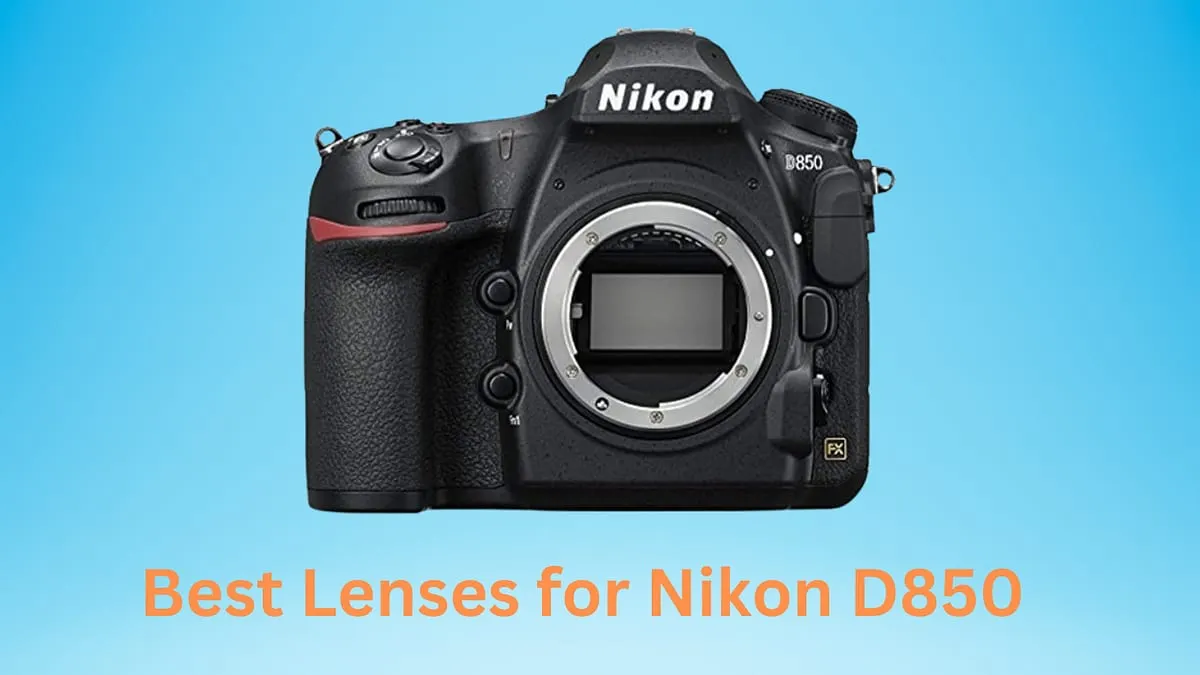
Best Lenses for Nikon D850
The Nikon D850 is a powerhouse, capable of capturing stunning images. But even the finest camera needs the right glass to truly shine.

Best Nikon Portrait Lenses
Best Nikon Portrait Lenses: Nikon 35mm f/1.4G and Nikon 85mm f/1.8G compared on features, price and who each one suits.