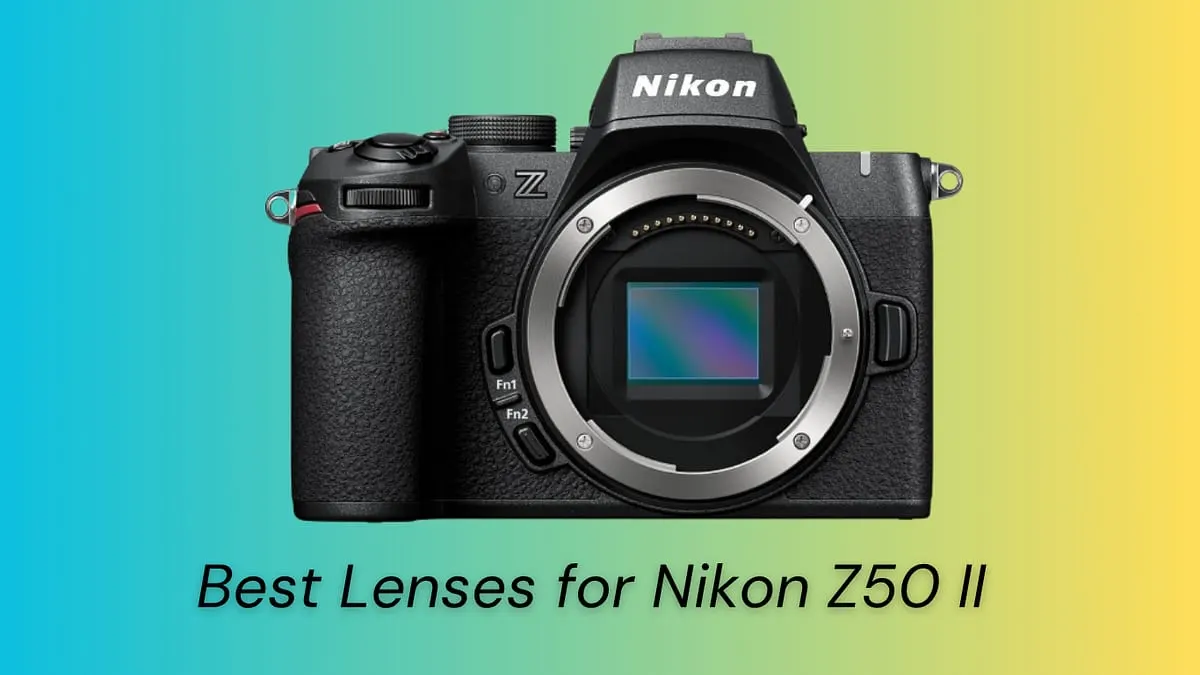
Best Lenses for Nikon Z50 II
As an Amazon Associate we earn from qualifying purchases. Some links in this guide are affiliate links — see our affiliate disclosure for details.
Short answer: Which lenses are best for the Nikon Z50 II?
The guide lists ten lenses for the Nikon Z50 II and explains what to consider when choosing, so you can match the lens to your subjects and budget.
With its 20.9MP APS-C sensor, 4K video capabilities, and in-body image stabilization, it offered the perfect blend of portability and performance.
Top 10 Lenses for Nikon Z50 II
- Nikon NIKKOR Z DX 12–28mm f/3.5–5.6 PZ VR — View on Amazon
- Nikon NIKKOR Z DX 16–50mm f/3.5–6.3 VR — View on Amazon
- Nikon NIKKOR Z DX 18–140mm f/3.5–6.3 VR — View on Amazon
- Nikon NIKKOR Z DX 50–250mm f/4.5–6.3 VR — View on Amazon
- Nikon NIKKOR Z DX 24mm f/1.7 — View on Amazon
- Nikon NIKKOR Z 28mm f/2.8 — View on Amazon
- Nikon NIKKOR Z 40mm f/2 — View on Amazon
- Nikon NIKKOR Z MC 50mm f/2.8 Macro — View on Amazon
- Nikon NIKKOR Z 50mm f/1.8 S — View on Amazon
- Nikon NIKKOR Z 17–28mm f/2.8 — View on Amazon
However, the Z mount’s compatibility with full-frame lenses also opened up exciting possibilities, especially with the FTZ adapter.
Lens Considerations for the Nikon Z50 II:**
- Nikon NIKKOR Z DX 12–28mm f/3.5–5.6 PZ VR:
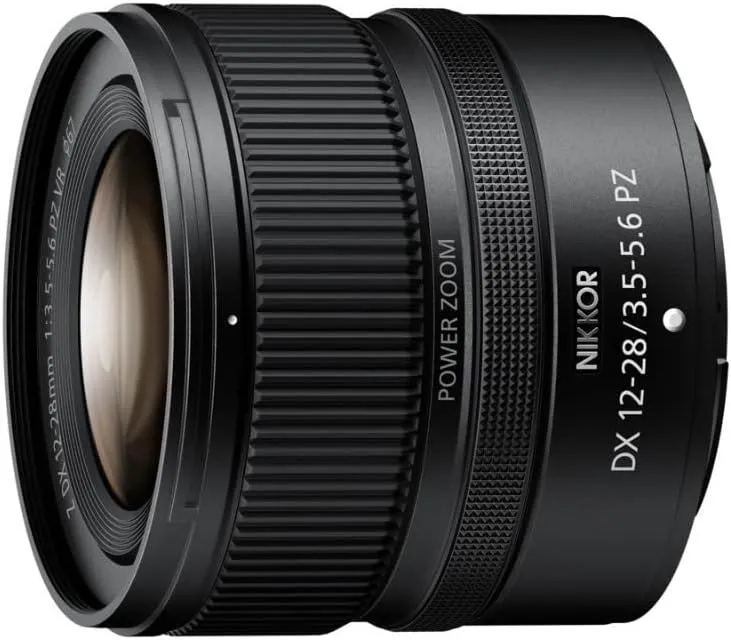
First off, the focal length itself is a huge draw. It really helps to open up a scene and tell a more complete story.
The power zoom feature is another standout aspect of this lens. It’s a significant improvement over manually twisting a zoom ring, especially when trying to maintain a steady shot.
At the telephoto end (28mm), the maximum aperture is f/5.6, which can limit the amount of light reaching the sensor.
Pros:
- Ultra-wide perspective: Perfect for landscapes, interiors, and vlogging.
- Smooth power zoom: Ideal for video recording and controlled zoom transitions.
- Effective image stabilization: Helps to capture sharp images in various conditions.
- Compact and lightweight: Easy to carry around and balances well on the Z50 II.
- Affordable: Relatively accessible price point for an ultra-wide lens.
Cons:
- Variable aperture: Can be limiting in low-light situations.
- Slower aperture at the telephoto end: Requires higher ISO settings in some cases.


Overall, the Nikon NIKKOR Z DX 12–28mm f/3.5–5.6 PZ VR is a compelling lens for those seeking a versatile ultra-wide option for their Nikon Z50 II. While the variable aperture is a consideration, the wide perspective, smooth power zoom, and effective image stabilization make it a valuable tool for capturing stunning landscapes and engaging videos.
2. Nikon NIKKOR Z DX 16–50mm f/3.5–6.3 VR:
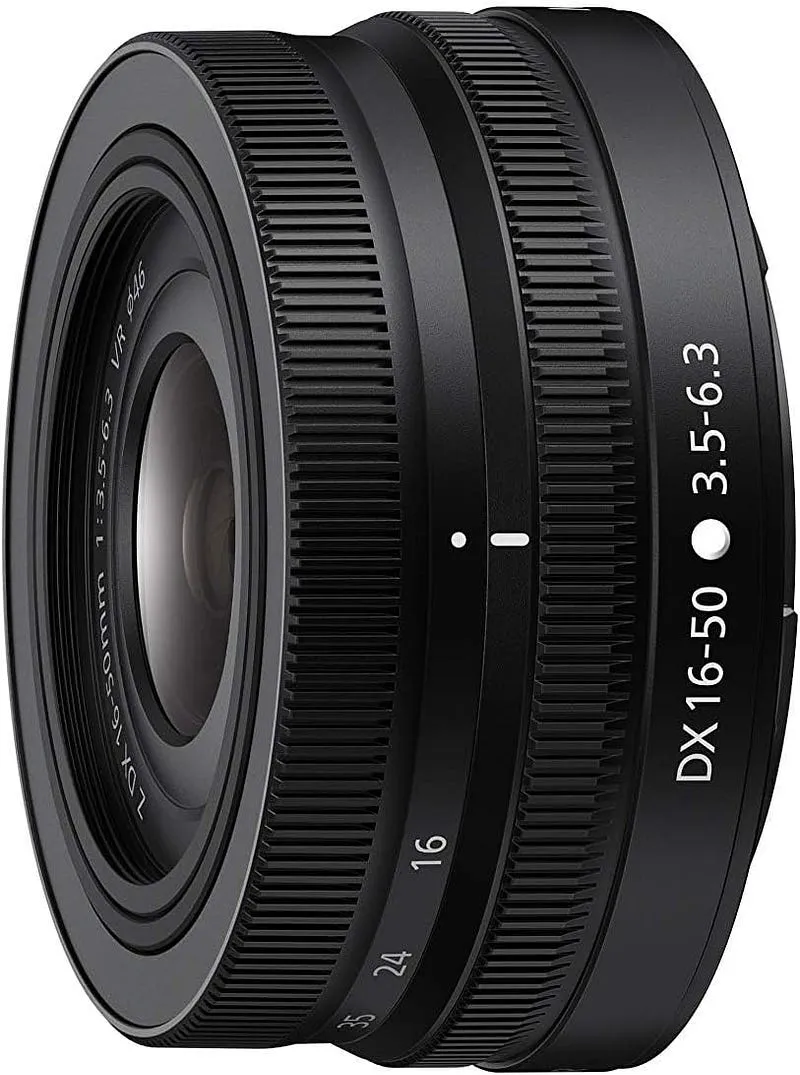
When retracted, it’s incredibly small, making the entire camera setup remarkably portable.
The 16–50mm focal range (equivalent to 24–75mm on a full-frame camera) is incredibly versatile. It covers a useful range from a moderate wide-angle to a short telephoto, making it suitable for everything from landscapes and group photos to portraits and everyday snapshots.


Pros:
- Extremely compact and lightweight: Perfect for travel and everyday carry.
- Versatile focal range: Suitable for a wide variety of subjects.
- Surprisingly good sharpness: Captures plenty of detail.
- Effective Vibration Reduction (VR): Helps to stabilize images and videos.
- Affordable: Excellent value for the price.
Cons:
- Narrow maximum aperture: Limited performance in low light and for creating shallow depth of field.
- Plastic construction: Doesn’t feel as robust as some higher-end lenses.
- No dedicated AF/MF switch: Requires navigating through the camera menu to switch between autofocus and manual focus.
Overall, the Nikon NIKKOR Z DX 16–50mm f/3.5–6.3 VR has proven to be a reliable and versatile lens that’s perfect for everyday photography. While it may not be the best choice for specialized shooting scenarios like low-light or professional portraiture, it’s an excellent all-around lens that offers great value for the price.
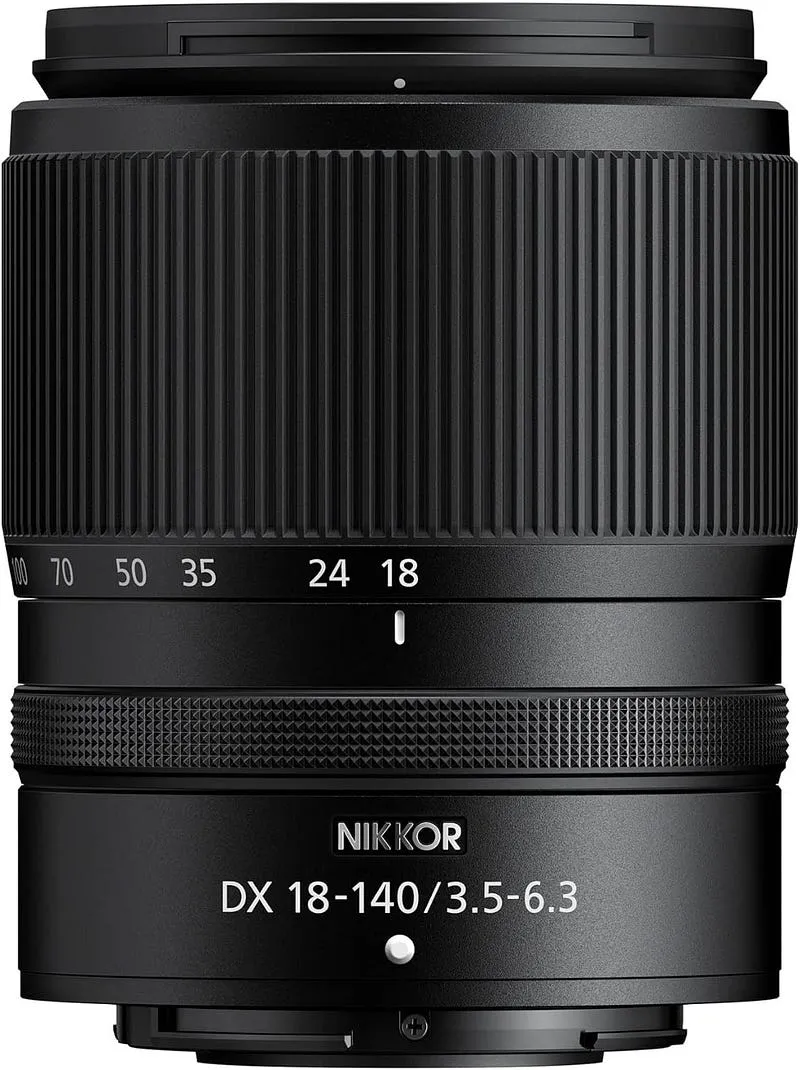
3. Nikon NIKKOR Z DX 18–140mm f/3.5–6.3 VR
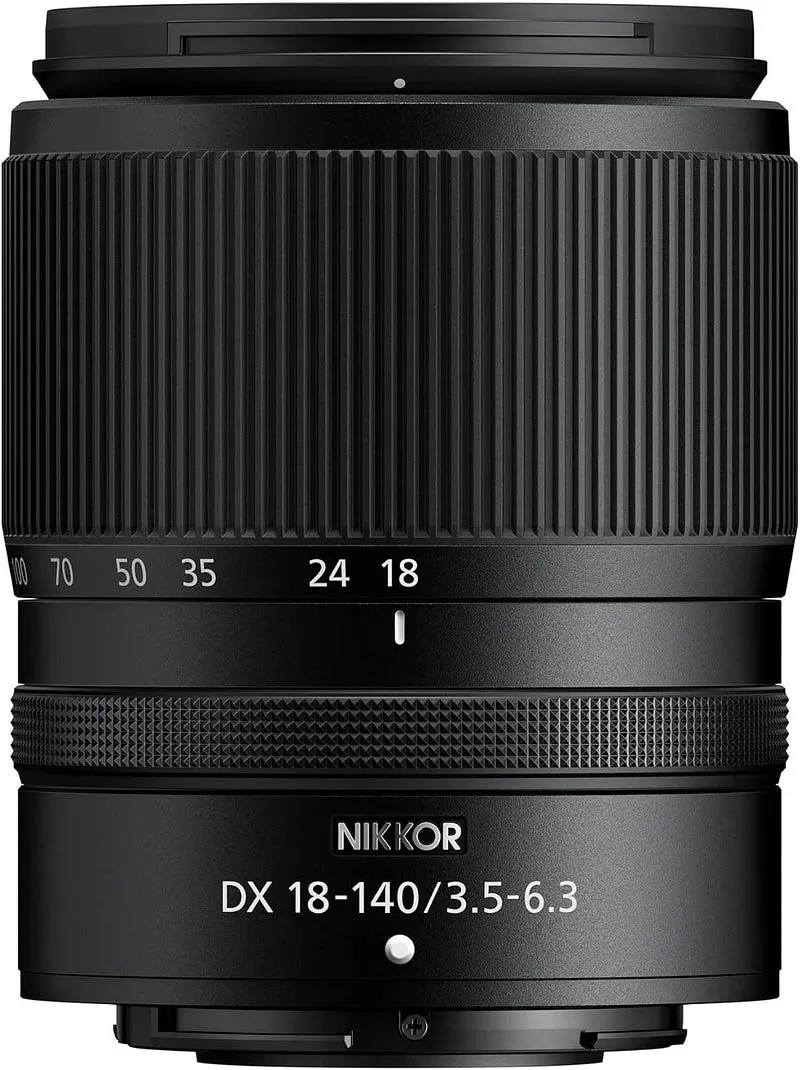
The Nikon NIKKOR Z DX 18–140mm f/3.5–6.3 VR promised a compelling proposition: a single lens that could handle a wide range of shooting scenarios, from wide-angle landscapes to telephoto close-ups.
The biggest draw of the 18–140mm is undoubtedly its impressive zoom range. The equivalent of 27–210mm on a full-frame camera gives you a lot of flexibility.
The sharpness is good in the center of the frame, especially at the wider focal lengths. While there’s some softening towards the edges and at the longer end of the zoom range, it’s not overly distracting for most everyday use.
The autofocus performance is also decent. It’s quick and accurate in most situations, although it can sometimes struggle a bit in low light or when tracking fast-moving subjects. This is particularly helpful when shooting handheld or in situations where a tripod isn’t feasible.
The maximum aperture of f/3.5–6.3 is relatively slow, especially at the telephoto end. This means that it’s not the best lens for low-light shooting or for creating shallow depth of field with significant background blur.


Pros:
- Extremely versatile zoom range: Covers a wide range of focal lengths, from wide-angle to telephoto.
- Convenient all-in-one solution: Reduces the need to carry multiple lenses.
- Decent image quality: Good sharpness in the center of the frame.
- Effective VR (Vibration Reduction): Helps to stabilize images and videos.
- Relatively compact and lightweight for its zoom range: Good for travel.
Cons:
- Slow maximum aperture: Limited performance in low light and for creating shallow depth of field.
- Primarily plastic construction: Doesn’t feel as robust as some higher-end lenses.
- No dedicated AF/MF or VR switches: Requires navigating through the camera menu.
Overall, the Nikon NIKKOR Z DX 18–140mm f/3.5–6.3 VR is a convenient and versatile lens that’s ideal for travel and general-purpose photography. It’s a great option for those who want a single lens that can handle a wide range of shooting situations. However, if you prioritize low-light performance or maximum image quality, you might want to consider other options or supplement this lens with a faster prime.
4. Nikon NIKKOR Z DX 50–250mm f/4.5–6.3 VR
The most obvious benefit of this lens is its reach. With an equivalent focal length of 75–375mm on a full-frame camera, it brings distant subjects much closer.
Despite its telephoto capabilities, the lens is surprisingly compact and lightweight.
The sharpness is decent, especially in the center of the frame, and the lens renders colors well. While there’s some softening at the longer end of the zoom range and towards the edges, it’s generally acceptable for most casual shooting.
The VR (Vibration Reduction) system is crucial for a lens like this. This is especially important when shooting handheld, as even slight movements can result in blurry images at longer focal lengths.
Another point worth mentioning is the plastic construction. While it contributes to the lens’s lightweight design, it doesn’t feel as robust as some higher-end lenses.


Pros:
- Excellent reach: Brings distant subjects much closer.
- Compact and lightweight: Easy to carry and balances well on the Z50 II.
- Effective VR (Vibration Reduction): Helps to stabilize images at longer focal lengths.
- Affordable: Great value for the reach it provides.
Cons:
- Slow maximum aperture: Limited performance in low light and for creating shallow depth of field.
- Primarily plastic construction: Doesn’t feel as robust as some higher-end lenses.
- No dedicated AF/MF or VR switches: Requires navigating through the camera menu.
5. Nikon NIKKOR Z DX 24mm f/1.7
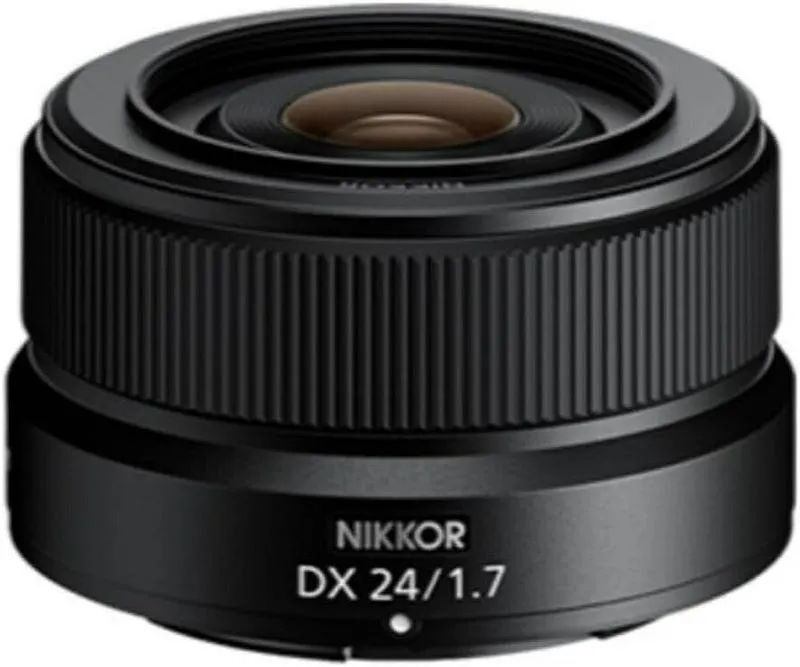
As someone who enjoys walking around and capturing everyday moments, street photography, and exploring new places, this compact prime has proven to be a fantastic companion.
It’s incredibly small and light, making it a perfect match for the compact Z50 II. It’s a great setup for walking around cities, exploring new neighborhoods, and capturing spontaneous moments.
It’s wide enough to capture a good amount of the scene, but not so wide that it distorts things excessively. It’s a great focal length for street photography, landscapes, and even casual portraits.
The real magic of this lens, however, lies in its fast f/1.7 aperture. This makes it excellent for shooting in low-light conditions. The wide aperture also allows for a nice shallow depth of field, which is great for isolating subjects and creating a pleasing background blur (bokeh).
The image quality is also impressive. The lens is sharp, even wide open at f/1.7, and it renders colors beautifully.
One thing to note is that this lens doesn’t have image stabilization.



Pros:
- Extremely compact and lightweight: Perfect for everyday carry and travel.
- Fast f/1.7 aperture: Excellent for low-light shooting and creating shallow depth of field.
- Natural 36mm equivalent focal length: Versatile for various shooting scenarios.
- Sharp image quality: Captures plenty of detail.
- Affordable: Great value for the performance it offers.
Cons:
- No image stabilization: May require slightly higher shutter speeds in some situations.
- Plastic construction (including the mount): Doesn’t feel as robust as some higher-end lenses.
It’s a perfect everyday carry lens that excels in low-light conditions and offers excellent image quality.
Ultimately, choosing the right lenses is a personal decision.
As an Amazon Associate, I earn from qualifying purchases at no additional cost to you. Thank you for your support!

Written by
Marien CartelProfessional and Certified Digital Photographer born in the USA, with 22 years of experience in the field of photography.
Related Guides
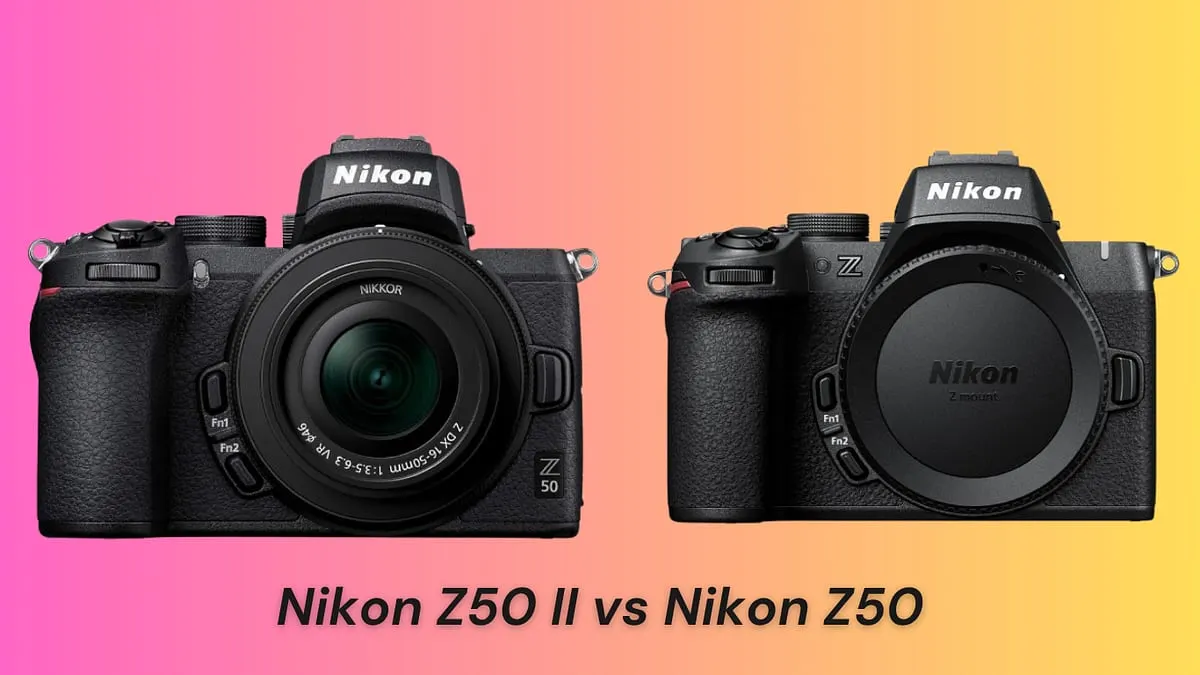
Nikon Z50 II vs Nikon Z50
Nikon Z50 II vs Nikon Z50 compared — where each one wins, where it falls short, and who should buy which. Updated for 2026.
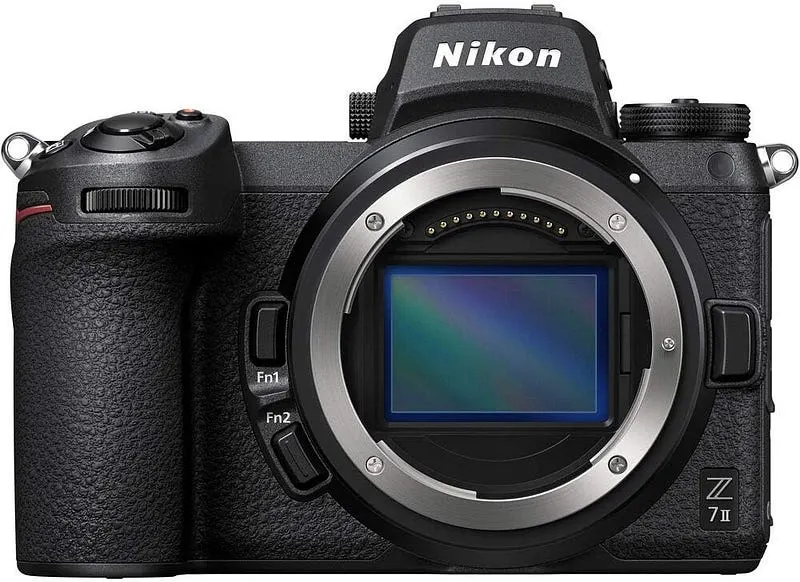
Best Lenses for Nikon Z7 II
Best Lenses for Nikon Z7 II — how Nikon Z 24–70mm f/2.8 S and Nikon Z 14–24mm f/2.8 S compare on features and price, and who each is best for.
Best Lenses for the Nikon Z6 II
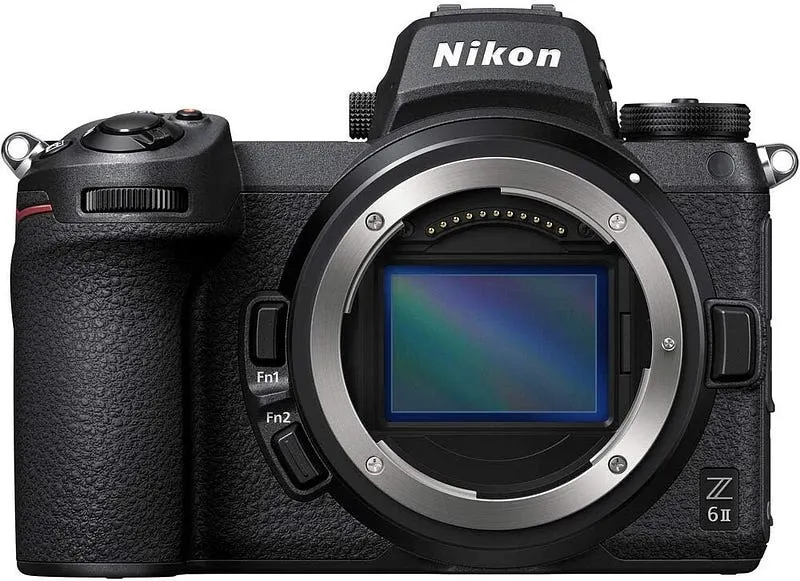
Best Lenses for the Nikon Z6 II — Nikon 24–70mm f/2.8 S, Nikon 50mm f/1.8 S and Nikon 85mm f/1.8 S compared, with pros, cons and who should buy which.
Nikon Z5 II Review
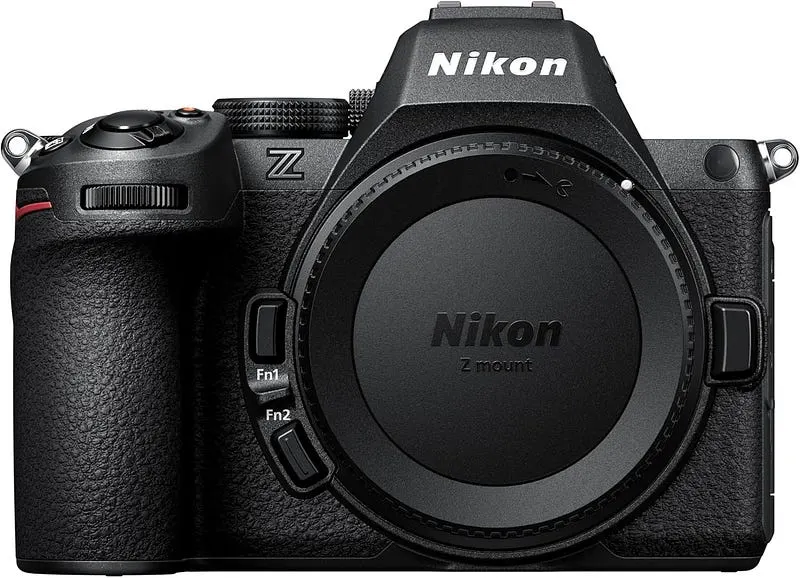
Nikon Z5 II Review: a side-by-side look at Canon R8 and Sony a7C II, with strengths, trade-offs and buying advice.
Nikon Z6 III vs Canon EOS R6 Mark II
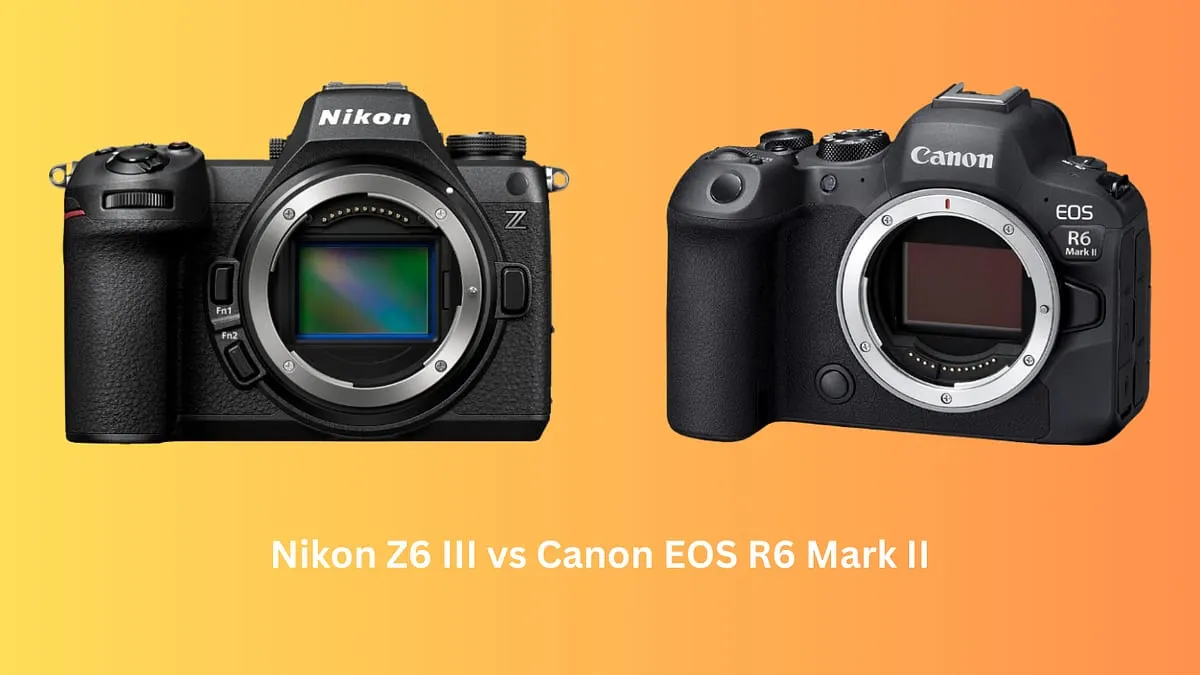
Nikon Z6 III vs Canon EOS R6 Mark II: key differences in specs, autofocus, video and price, and which one suits you.

Top 3 Mirrorless Cameras: Canon R6 II, Panasonic S5 II and Nikon Z30
Top 3 Mirrorless Cameras: Canon R6 II, Panasonic S5 II and Nikon Z30: key features, strengths, drawbacks and who should buy the Canon EOS R6 Mark II.