Best Lens for Landscape Photography
As an Amazon Associate we earn from qualifying purchases. Some links in this guide are affiliate links — see our affiliate disclosure for details.
Short answer: Which lens is best for landscape photography?
A wide-angle zoom that covers roughly 14mm to 35mm is the usual best choice, and f/4 is enough because landscapes are normally shot at f/8 to f/11. Pick the one made for your mount: the Nikon Z 14-30mm f/4 S, Canon RF 14-35mm f/4 L IS USM, Sony FE 16-35mm f/2.8 GM II, or Fujifilm XF 10-24mm f/4 R OIS WR for APS-C. Weight, filter size and weather sealing then decide between close rivals.
Affiliate note: This post has affiliate links. If you buy through them, the site may earn a small commission at no extra cost to you.
What makes a good landscape lens?
| Feature | Why it matters | What to check |
|---|---|---|
| Wide focal range | Fits a whole scene, from foreground rocks to distant peaks | About 10mm to 35mm, depending on sensor size |
| Corner sharpness | Landscapes are looked at edge to edge | Independent test charts at f/8 to f/11 |
| Weather sealing | Rain, spray and dust are common outdoors | Sealing listed for the lens and the camera |
| Weight | You carry it on hikes | Compare grams, not only specs |
| Filter thread | Polarizers and ND filters cost more at larger sizes | 72mm, 77mm or 82mm are common |
| Aperture | f/2.8 helps at night, but f/4 is enough for most landscapes | Match it to how you shoot |
How do the main wide-angle zooms compare?
The figures come from the makers' pages and specification databases. Check each manufacturer's page for current details.
| Lens | Mount and coverage | Weight | Filter | Notes |
|---|---|---|---|---|
| Nikon Z 14-30mm f/4 S | Nikon Z, full frame | About 485 g | 82mm | 0.28 m minimum focus, maximum aperture f/4 |
| Canon RF 14-35mm f/4 L IS USM | Canon RF, full frame | About 540 g | 77mm | Optical stabilization rated at 5.5 stops, about 7 stops with in-body stabilization |
| Sony FE 16-35mm f/2.8 GM II | Sony E, full frame | About 547 g | 82mm | f/2.8 aperture, 0.22 m minimum focus |
| Fujifilm XF 10-24mm f/4 R OIS WR | Fujifilm X, APS-C (15-36mm equivalent) | About 385 g | 72mm | Optical stabilization rated at 3.5 stops |
Sources: Nikon's Z 14-30mm f/4 S page, Canon Europe's RF 14-35mm specifications, Wikipedia on the Sony FE 16-35mm F2.8 GM II and Fujifilm's XF 10-24mm specifications.
Canon 16-35mm f/4L IS USM
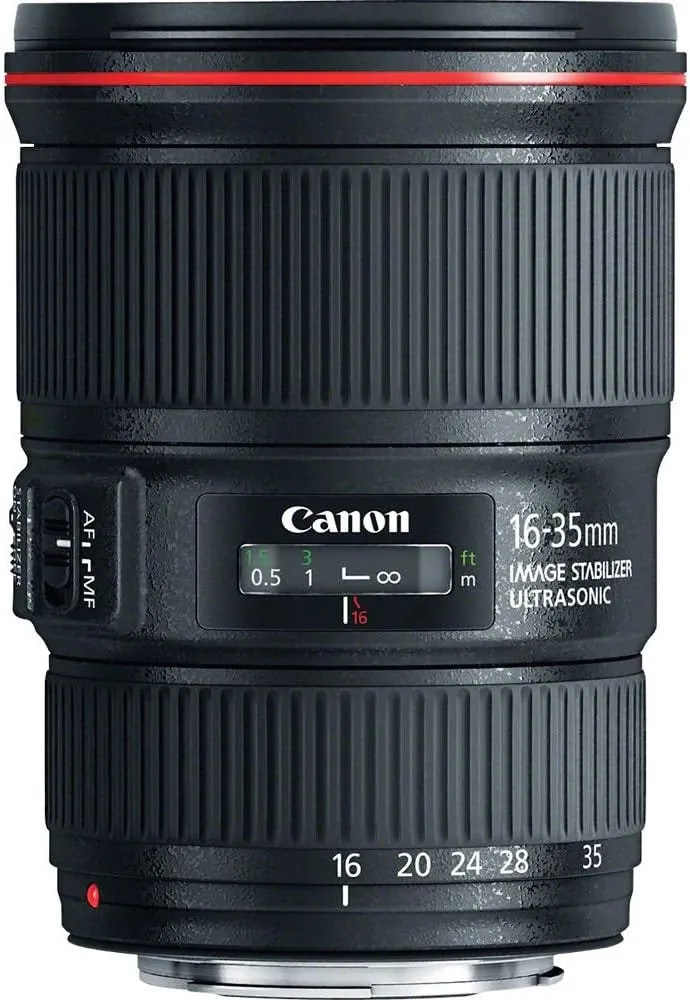
This is the EF-mount stabilised wide zoom for Canon DSLRs, and it also fits mirrorless bodies with an adapter. See the Canon 16–35mm f/4L IS USM listing, or check today's deals.
Nikon AF-S 16-35mm f/4G ED VR
The AF-S 16-35mm f/4G ED VR is Nikon's stabilised wide zoom for DSLRs. See the Nikon AF-S 16–35mm f/4G ED VR listing.
Sony FE 16-35mm f/2.8 GM II
For Sony users, the 16–35mm f/2.8 GM II offers a wider f/2.8 aperture than the f/4 zooms, which helps at dawn, dusk and for night skies. It is also slightly heavier than the Nikon and Canon alternatives.
Which lens should you choose?
| If you shoot | Best fit | Why |
|---|---|---|
| Nikon Z mirrorless | Nikon Z 14-30mm f/4 S | Lightest full-frame option here |
| Canon RF mirrorless | Canon RF 14-35mm f/4 L IS USM | Built-in stabilization for handheld work |
| Sony full frame | Sony FE 16-35mm f/2.8 GM II | f/2.8 for dawn, dusk and the night sky |
| Fujifilm APS-C | Fujifilm XF 10-24mm f/4 R OIS WR | Light, weather-resistant and stabilised |
| Canon or Nikon DSLR | Canon 16-35mm f/4L or Nikon 16-35mm f/4G | Stabilised f/4 zooms on a DSLR mount |
More landscape lenses by mount
These options come from the earlier version of this guide. Check each lens page for the current specifications.
Best landscape lenses for DSLRs:
- Best Canon APS-C landscape lens: Canon EF-S 10–22mm f/3.5–4.5 USM — buy now
- Best Canon DSLR landscape lens: Canon EF 11–24mm f/4L USM — buy now
- Best Nikon DSLR landscape lens: Nikon AF-S 16–35mm f/4G ED VR — buy now
- Best Pentax landscape lens: Pentax DA* HD 11–18mm f/2.8 ED DC AW — buy now
Best mirrorless landscape lenses:
- Best RF-mount landscape lens: Canon RF 14–35mm f/4 L IS USM — buy now
- Best Nikon Z landscape lens: Nikon Z 14–30mm f/4 S — buy now
- Best professional Nikon Z landscape lens: Nikon Z 14–24mm f/2.8 S — buy now
- Best Sony landscape photography lens: Sony FE 12–24mm F4 G — buy now
- Best L-mount landscape lens: Sigma 16–28mm f/2.8 DG DN C — buy now
- Best Sony APS-C landscape lens: Sony E 10–18mm F4 OSS — buy now
- Best Fujifilm landscape lens: Fujifilm XF 10–24mm F4 R OIS WR — buy now
- Best Micro Four Thirds landscape lens: Panasonic 8–18mm f/2.8–4 ASPH Vario — buy now
- Best Olympus landscape lens: Olympus M.Zuiko Digital ED 7–14mm f/2.8 PRO — buy now
- Best mirrorless APS-C landscape lens: Tamron 11–20mm f/2.8 Di III-A RXD — buy now
As an Amazon Associate, the site earns from qualifying purchases at no additional cost to you.
For brand-specific buying advice, see our guides to wide-angle lenses for Canon mirrorless, wide-angle lenses for Nikon Z, budget wide-angle lenses for Sony full frame, prime lenses for landscapes and Fujifilm X-mount lenses. If you are still choosing a body, see the best camera for landscape photography.
How do you get sharp landscape photos?
Guides from Digital Photography School and iPhotography agree on several points:
- Stop down to f/8 to f/11. Most wide lenses are sharpest there, and corner softness fades compared with wide open.
- Avoid very small apertures. Past about f/16, diffraction softens the image.
- Use hyperfocal focusing. A wider lens makes it easier. One guide gives about 0.9 m for a 16mm lens at f/11. Check the foreground at high magnification in live view.
- Remember the sensor. For APS-C, hyperfocal distances are multiplied by about 1.5, and for Micro Four Thirds by about 2.
- Use a tripod. A stable base allows low ISO and slow shutter speeds.
To learn how aperture, shutter speed and ISO interact, see the exposure triangle explained. If the lens names are confusing, camera lenses explained decodes them.
Mistakes to avoid when buying a landscape lens
- Paying for f/2.8 you will not use. Landscapes are mostly shot at f/8 to f/11, so an f/4 zoom is usually enough unless you shoot the night sky.
- Ignoring filter size. An 82mm thread needs larger, more expensive filters than a 72mm one.
- Buying the widest lens only. Very wide angles stretch the edges and shrink distant peaks.
- Forgetting the mount. An EF lens fits a mirrorless body only with an adapter.
- Skipping weather sealing. Rain and spray ruin a hike with an unsealed body or lens.
Frequently asked questions
What focal length is best for landscape photography? A range of about 14mm to 35mm covers most scenes on full frame. Wider lenses suit big skies and foregrounds, and longer ones isolate distant peaks.
Is f/4 good enough for landscapes? Yes for most daytime work, because landscapes are usually shot at f/8 to f/11 for sharpness. f/2.8 helps at dawn, dusk and for night skies.
What aperture is best for landscape sharpness? Sources point to f/8 to f/11 for most lenses. Smaller apertures can cause diffraction.
Do I need a tripod for landscapes? A tripod helps with low ISO, slow shutter speeds and consistent framing, especially at dawn and dusk.
Can I use a DSLR lens on a mirrorless camera? Usually, with an adapter. Check that the adapter keeps autofocus and stabilization for your body.
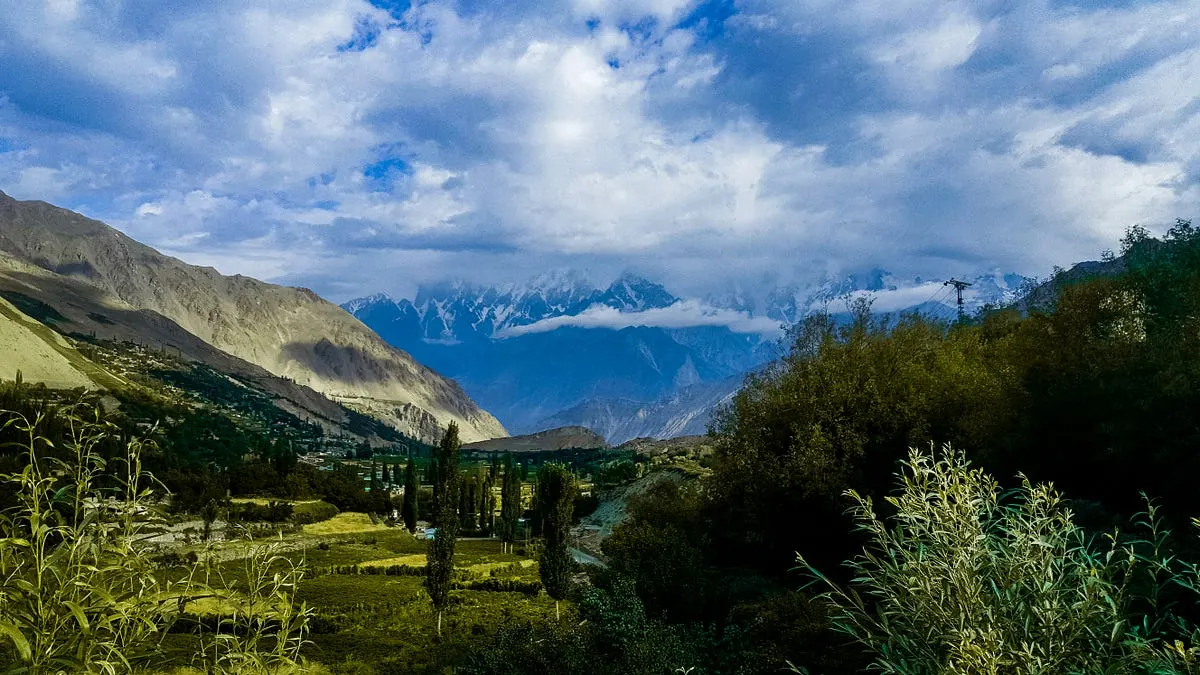
Cover photo by Muhammad Bilal Shaikh on Unsplash.
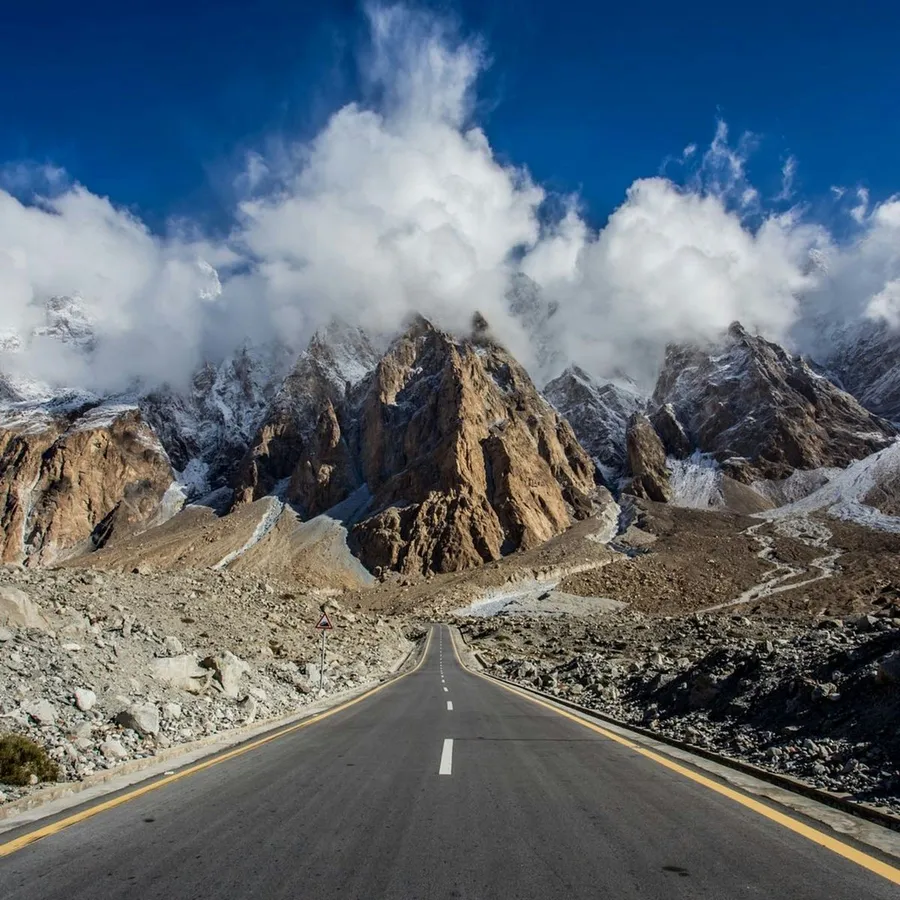
Photo by Jessica Anderson on Unsplash

Written by
Marien CartelProfessional and Certified Digital Photographer born in the USA, with 22 years of experience in the field of photography.
Related Guides
Best Prime Lens for Landscape Photography
Best Prime Lens for Landscape Photography: Sony FE 35mm f/1.8 and Canon RF 35mm f/1.8 Macro compared on features, price and who each one suits.
Best camera for Landscape Photography
Best camera for Landscape Photography: a side-by-side look at Sony A7R IV, Nikon Z7 II and Canon EOS R5, with strengths, trade-offs and buying advice.
6 Best Canon Cameras for Landscape Photography: (Guide & Reviews)
Best Canon Cameras for Landscape Photography — how Canon EOS R5, Canon EOS R6 and Canon EOS 5DS R compare on features and price, and who each is best for.
Best Affordable Camera for landscape photography
Best Affordable Camera for landscape photography: Sony a7RIII, Sony a7RV and Canon EOS R5 compared on features, price and who each one suits.
Best Nikon lens for landscapes
Best Nikon lens for landscapes: what to look for, what to skip and how to choose the right one for your budget.
6 Best DSLR Camera for Outdoor Photography: (Guide & Reviews)
Best DSLR Camera for Outdoor Photography — how Nikon D850, Canon EOS 5DS R and Canon EOS 5D Mark IV compare on features and price, and who each is best for.