Best Prime Lens for Landscape Photography
As an Amazon Associate we earn from qualifying purchases. Some links in this guide are affiliate links — see our affiliate disclosure for details.
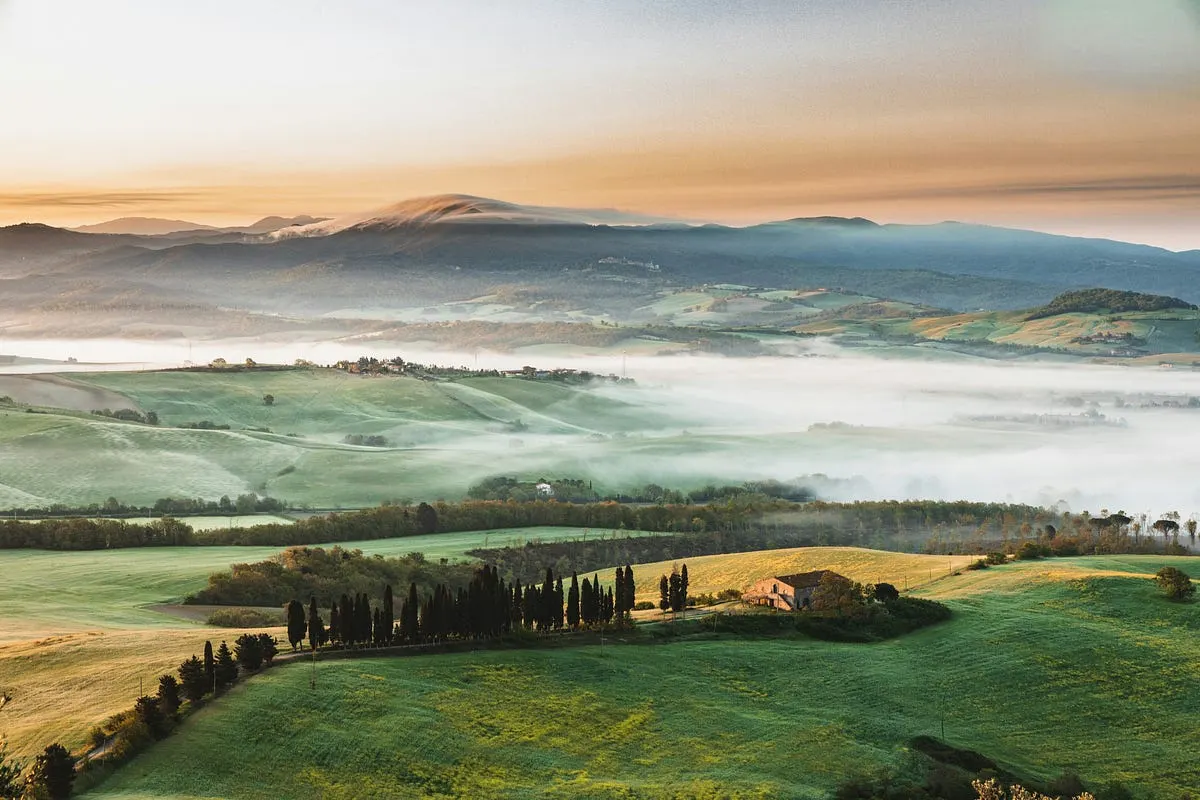
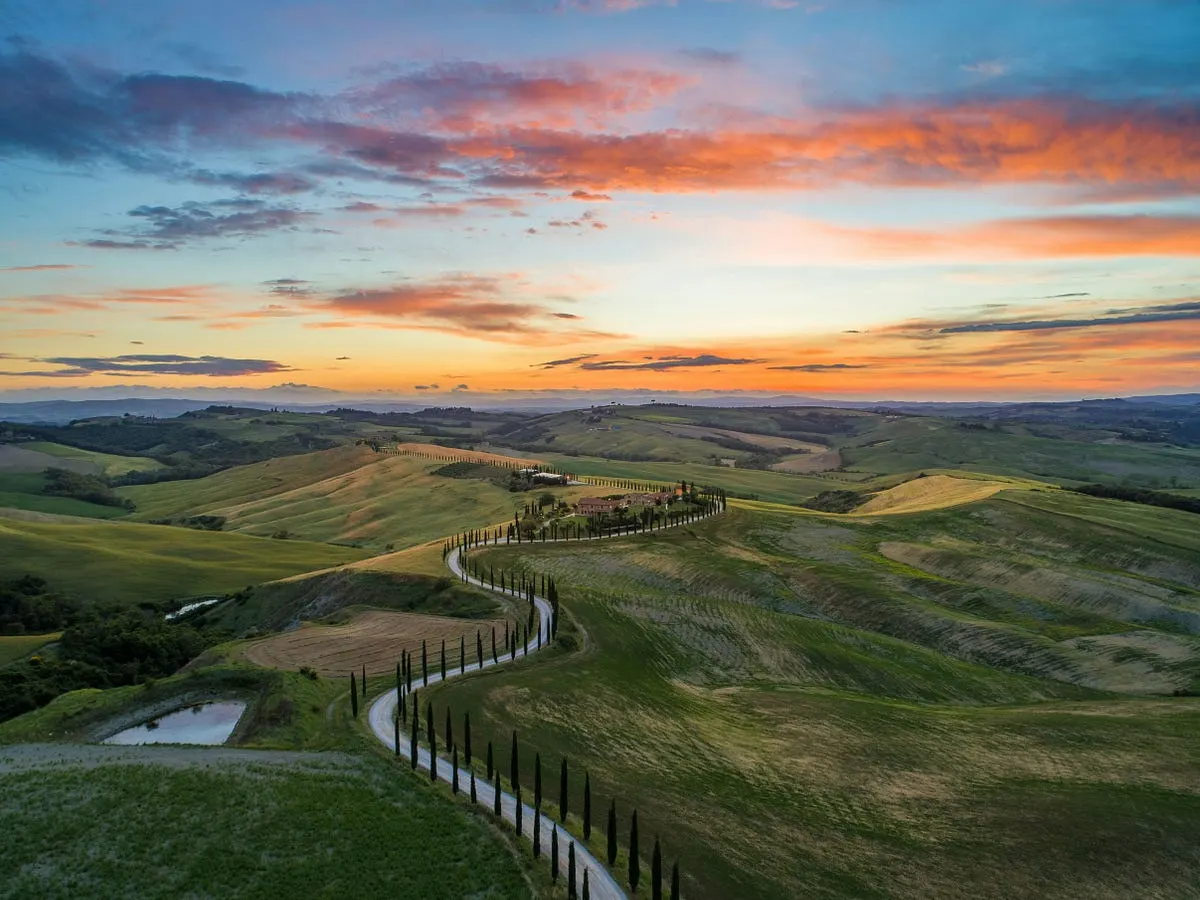
Photo by Lennart Hellwig on Unsplash
Short answer: Which prime lens is best for landscape photography?
The guide says two focal lengths are worth owning: a wide 14-24mm lens for drama and scale, and a 35mm for shots that look natural. It also gives prime recommendations by sensor format.
- Sony FE 20mm f/1.8 G … View at Amazon
- Sigma 14mm f/1.4 DG DN Art … View at Amazon
- Canon RF 16mm f/2.8 … View at Amazon
- Canon RF 20mm f/1.4L … View at Amazon
- Nikon Z 20mm f/1.8 S … View at Amazon
- Sony FE 35mm f/1.8 … View at Amazon
- Canon RF 35mm f/1.8 Macro IS STM … View at Amazon
- Nikon Z 35mm f/1.8 S … View at Amazon
Affiliate note: This post has affiliate links. If you buy through them, I might earn a small commission (at no extra cost). That helps me keep sharing my honest photography experiences, much love if you support!
The Morning Everything Clicked
That’s the quiet secret about prime lenses for landscapes: the limitation is the feature.
Why Primes Actually Work for Landscapes
A few honest reasons, not marketing copy:
- Optical quality. With fewer moving elements to correct for, primes are often sharper corner-to-corner, which matters enormously when a boulder in the foreground and a mountain in the background both need to be tack sharp.
- Weight. On a multi-hour hike, a small prime disappears in your bag. That matters more than most people admit until they’re two miles in.
- Wider apertures. Most primes open up to f/1.4–f/2.8, which is rarely about shallow depth of field in landscape work and much more about pulling in light during blue hour or shooting the Milky Way without cranking your ISO into oblivion.
- It changes how you shoot. A fixed focal length pushes you to move your feet, which almost always produces a more intentional composition than standing in one spot and zooming.
Prime Lens Recommendations by Sensor Format
Most gear guides only talk about full-frame cameras, but the “best” focal length actually shifts depending on your sensor size because of crop factor. Here’s a quick reference before we go deeper:
- Full-Frame: Best wide prime is 20mm or 24mm; best standard prime is 35mm.
- APS-C: Best wide prime is 14mm or 16mm; best standard prime is around 23mm (≈35mm equivalent).
- Micro Four Thirds: Best wide prime is 10mm or 12mm; best standard prime is around 17mm (≈35mm equivalent).
If you shoot APS-C or Micro Four Thirds, don’t just buy the full-frame-recommended focal length — check the crop factor first, or you’ll end up with a lens that’s tighter than you expected in the field.
Wide (14–24mm) — for drama and scale
This is the “big sky, bigger foreground” focal length. It’s what you reach for when there’s a dramatic foreground element — tide pools, wildflowers, cracked earth — that you want to place close to the lens while still holding onto the mountains or sky behind it. It exaggerates depth and pulls the viewer into the scene rather than letting them look at it from a distance.
Strong options by mount:
- Sony E-mount: Sony FE 20mm f/1.8 G or the Sigma 14mm f/1.4 DG DN Art if you want serious astro performance.
- Canon RF: Canon RF 14–35mm exists as a zoom, but for a true prime, the RF 16mm f/2.8 is shockingly good for the price, and Canon’s own RF 15–35 shooters often keep a 20mm f/1.4L in the bag for low light.
- Nikon Z: Nikon Z 20mm f/1.8 S is a favorite among landscape shooters for its rendering and edge sharpness, with the Z 14–24mm f/2.8 S as the zoom alternative when versatility wins out.
Standard (35mm) — for the shots that actually look like what you saw
35mm is close enough to how the human eye actually perceives a scene that it doesn’t scream “wide-angle photo” the way an ultra-wide can. It’s the one to reach for when the landscape itself is the subject, not a dramatic foreground prop — rolling hills, forest paths, coastlines where you want believable depth rather than exaggerated scale.
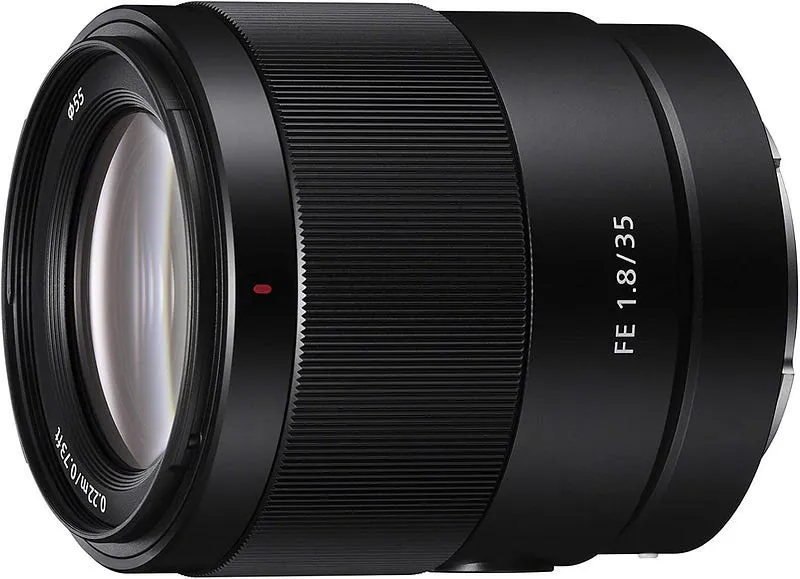
Sony FE 35mm f/1.8
Pros:
- Extremely light and compact — ideal for trekking and hiking
- Excellent edge-to-edge sharpness, especially between f/4–f/8
- Performance is genuinely underrated for the price
- Fast autofocus, solid for low-light landscapes (blue hour, astro)
Cons:
- No image stabilization (though landscapes are usually shot on a tripod, so this rarely matters)
- Plastic build feels a bit “cheap” next to Sony’s premium lenses
- Slight corner softness at f/1.8, which clears up once you stop down
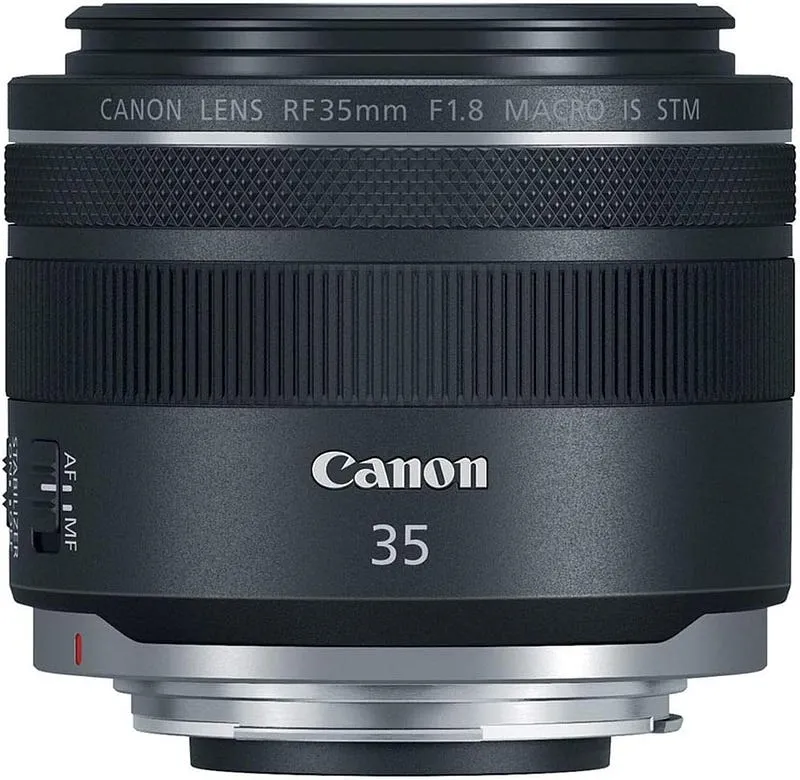
Canon RF 35mm f/1.8 Macro IS STM
Pros:
- Built-in IS — sharp handheld shots even without a tripod
- Bonus macro capability (0.5x magnification) — useful for close-up foreground details like rocks and flowers
- Canon’s colour science gives warm, pleasing tones in landscapes
- Reasonably compact for an RF lens
Cons:
- A bit heavier than the Sony and Nikon equivalents because of the IS mechanism
- Bokeh at f/1.8 can look slightly “busy” (rarely matters for landscape work though)
- Priced a little higher for the macro feature — feels like overpaying if you don’t actually need macro
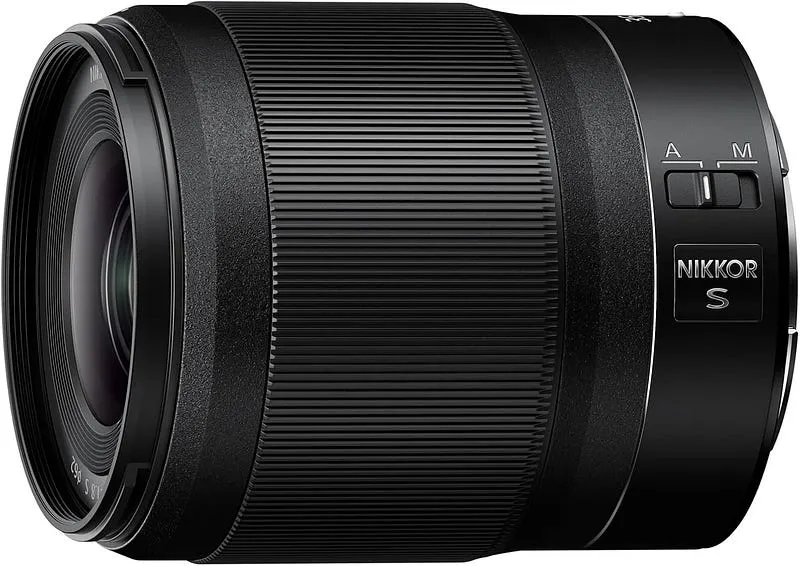
Nikon Z 35mm f/1.8 S
Pros:
- Exceptionally sharp corner-to-corner even wide open at f/1.8
- “S-line” build quality — good weather sealing, essential for landscape shooters dealing with dust and light rain
- Manual focus ring is smooth and precise, which feels great when composing landscapes
- Strong colour rendering and contrast
Cons:
- The most expensive of the three options
- A bit larger and heavier for its class
- No image stabilization (a disadvantage compared to the Canon RF)
Quick Spec Comparison
- Sony FE 35mm f/1.8: ~280g, 55mm filter thread, no stabilization — best for hikers and budget-conscious shooters.
- Canon RF 35mm f/1.8 Macro IS STM: ~305g, 52mm filter thread, built-in stabilization — best for handheld dusk and blue-hour shooting.
- Nikon Z 35mm f/1.8 S: ~370g, 62mm filter thread, no stabilization — best for shooters who prioritize sharpness above all.
A Quick Note on Astrophotography
If Milky Way or star-trail shots are part of why you’re considering a prime, aperture matters more than usual here. Look for f/1.4–f/1.8 wide primes (14mm, 16mm, or 20mm) — the extra stop of light lets you keep your shutter speed under the “500 rule” threshold (500 ÷ focal length = max exposure in seconds before stars start to trail) while keeping ISO noise manageable. This is one area where primes have a real, measurable edge over most zooms.
Do You Even Need a Prime? The Hybrid Kit Approach
Here’s the honest answer most gear guides bury: you probably don’t need to go prime-only. Primes aren’t a replacement for a zoom — they’re a specialist tool you reach for for reason.
Frequently Asked Questions
Is a prime lens actually good enough for landscape photography, or do I need a zoom too?
A prime lens is more than good enough optically — often better than a zoom, in fact. What you give up is the ability to reframe without moving. For most landscape work, especially if you enjoy hiking to compose a shot rather than standing in one place, a single prime is genuinely enough.
What’s the best prime lens focal length for beginners doing landscape photography?
Start with 35mm on full-frame (or its APS-C/MFT equivalent). It’s close to natural human vision, versatile across most scenes, and won’t exaggerate distortion the way an ultra-wide can while you’re still learning composition.
Do landscape photographers really prefer primes over zooms?
It’s split, and depends on shooting style. Photographers who value portability, low-light performance, and maximum sharpness lean prime. Photographers who shoot in changing conditions and need to reframe quickly — think coastal or mountain shoots where light shifts fast — often lean zoom. Many carry both.
Which One Should You Actually Buy?
Either way, the real lesson from that morning wasn’t about focal length at all. It was that carrying less sometimes means seeing more.
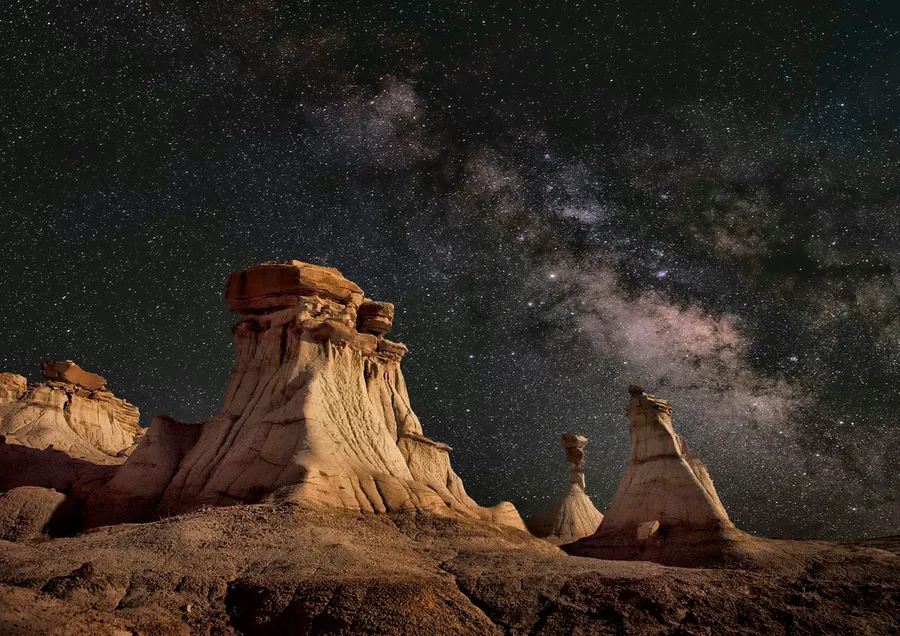
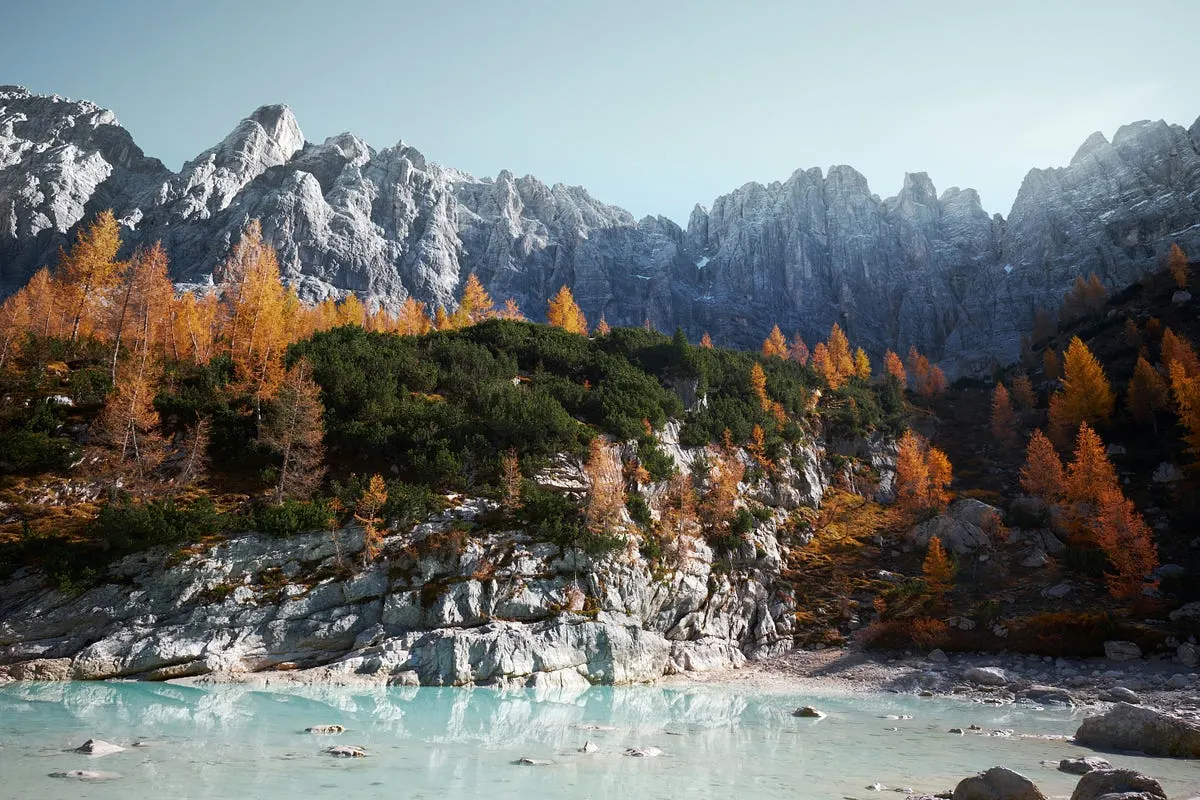
Photo by John Fowler on Unsplash
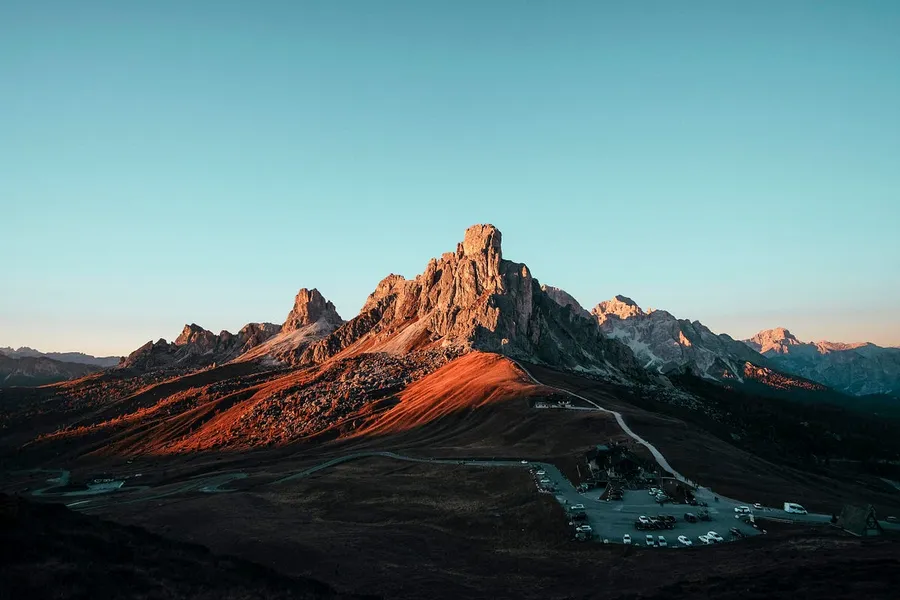
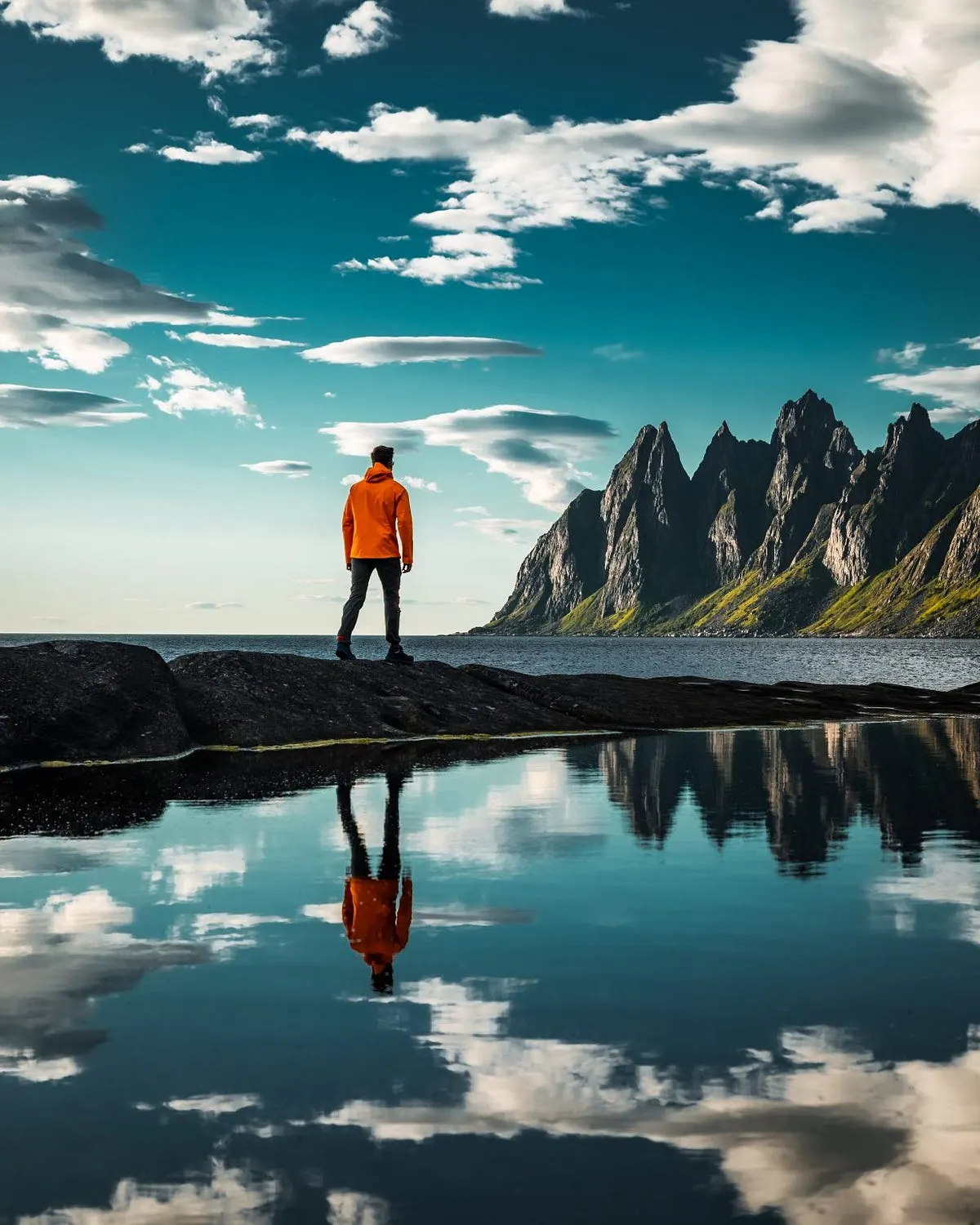
Photo by Cristina Gottardi on Unsplash
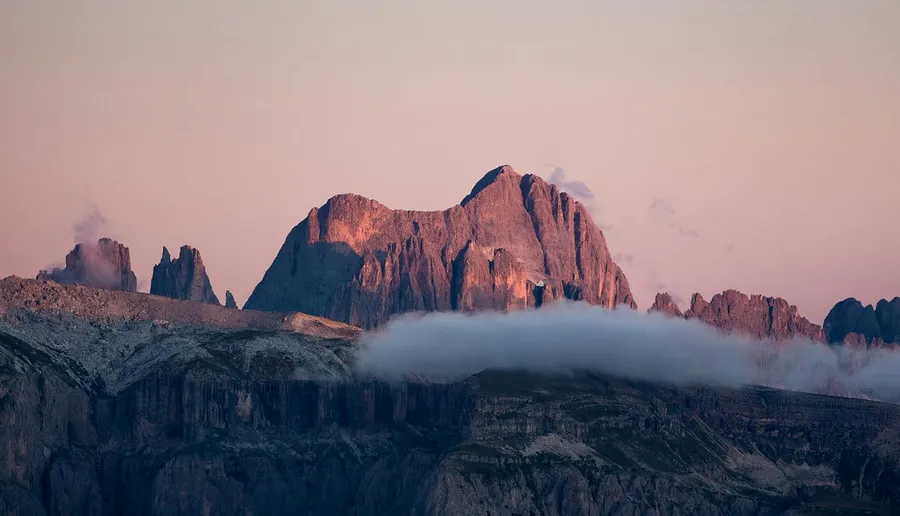
Photo by Marek Piwnicki on Unsplash

Written by
Marien CartelProfessional and Certified Digital Photographer born in the USA, with 22 years of experience in the field of photography.
Related Guides
Best Lens for Landscape Photography
Best Lens for Landscape Photography — how Canon 16–35mm f/4L IS USM and Sony, that 16–35mm f/2.8 GM compare on features and price, and who each is best for.
Best Affordable Camera for landscape photography
Best Affordable Camera for landscape photography: Sony a7RIII, Sony a7RV and Canon EOS R5 compared on features, price and who each one suits.
Best camera for Landscape Photography
Best camera for Landscape Photography: a side-by-side look at Sony A7R IV, Nikon Z7 II and Canon EOS R5, with strengths, trade-offs and buying advice.
6 Best Canon Cameras for Landscape Photography: (Guide & Reviews)
Best Canon Cameras for Landscape Photography — how Canon EOS R5, Canon EOS R6 and Canon EOS 5DS R compare on features and price, and who each is best for.
Best Fujifilm Prime Lenses
Best Fujifilm Prime Lenses: what to look for, what to skip and how to choose the right one for your budget. Updated for 2026.
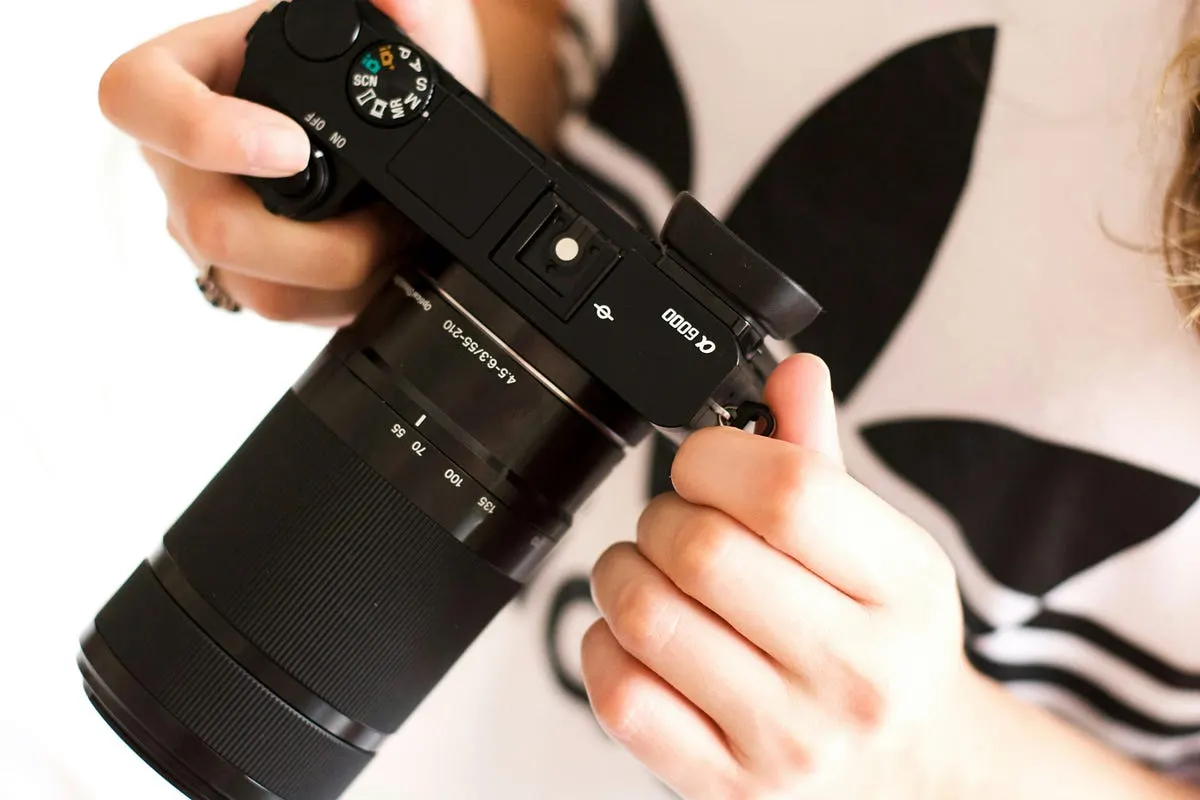
Best Prime Lens for Sony A6000
Best Prime Lens for Sony A6000: Sony A6000 Prime Lenses, Sony 35mm f/1.8 OSS and Sigma 30mm f/1.4 DC DN compared on features, price and who each one suits.