Best Wide-Angle Lens for Canon Mirrorless
As an Amazon Associate we earn from qualifying purchases. Some links in this guide are affiliate links — see our affiliate disclosure for details.
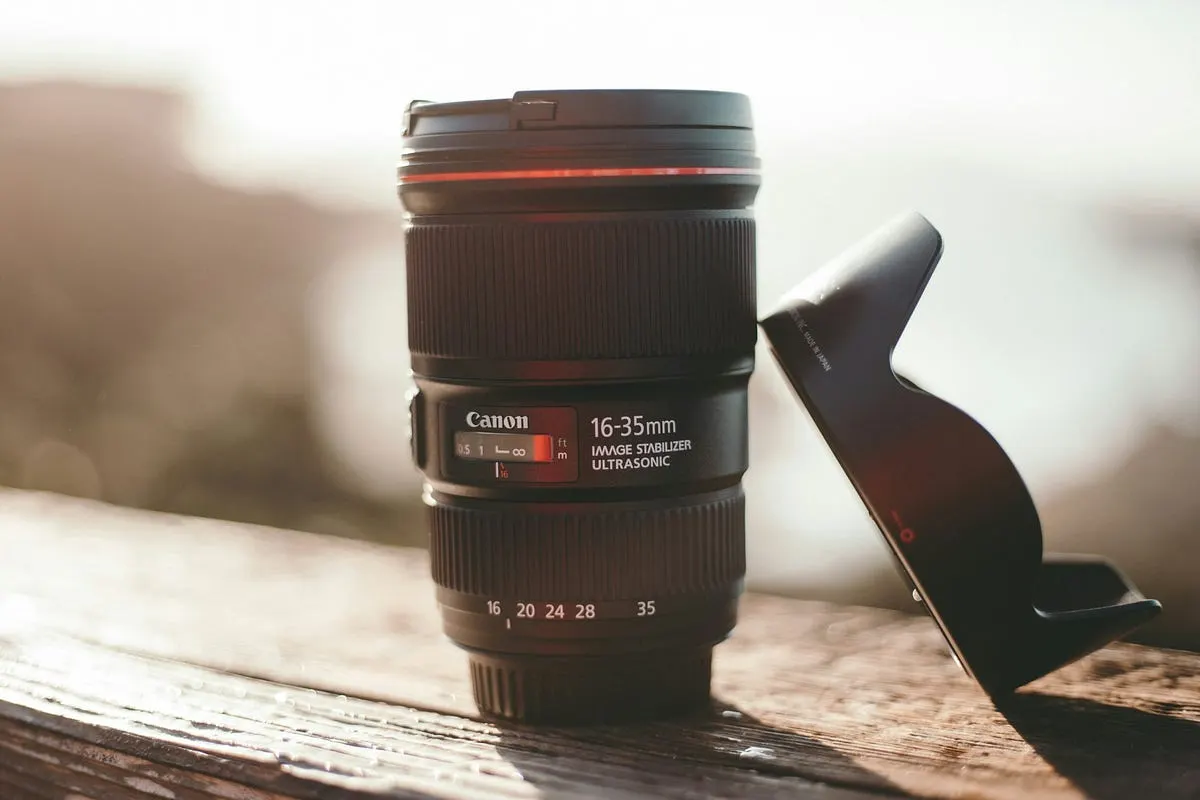
Photo by Kyle Loftus on Unsplash
Short answer: Which wide-angle lens is best for Canon mirrorless?
The guide says the Canon RF 15-35mm f/2.8L IS USM is generally considered the best. It also covers the RF 16mm f/2.8 STM, RF 14-35mm f/4L, RF 16-28mm f/2.8 and the Sigma 14-24mm f/2.8.
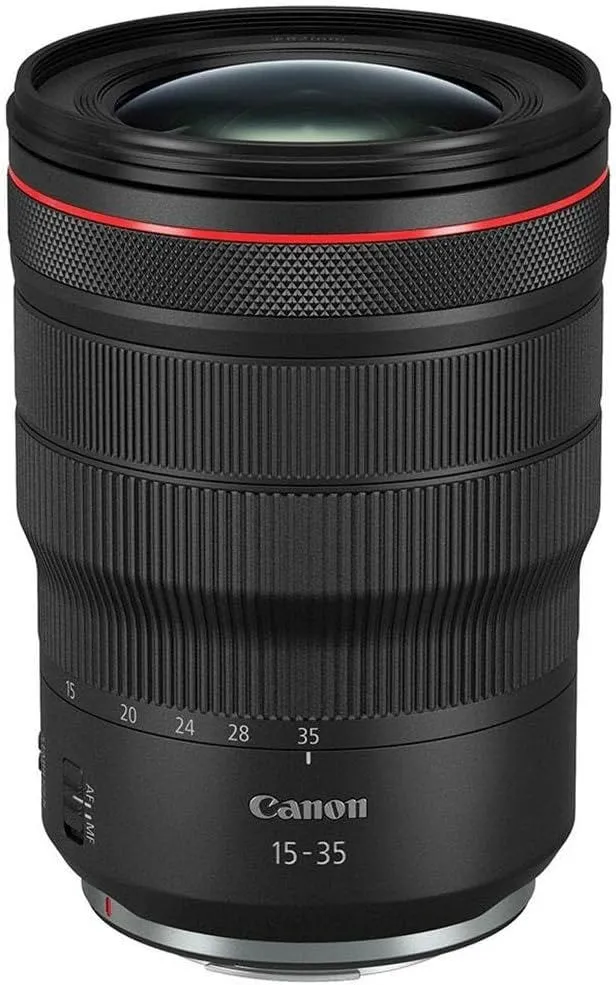
For a Canon mirrorless camera, the best wide-angle lens is generally considered to be the Canon RF 15–35mm f/2.8L IS USM; it offers a versatile zoom range, fast aperture for low-light shooting, and image stabilization, making it excellent for landscape photography and various other situations.
Key points about the RF 15–35mm f/2.8L IS USM:
- Wide zoom range:
- Covers a wide range of focal lengths from 15mm to 35mm, suitable for capturing expansive landscapes and close-up wide-angle shots.
- Fast aperture:
- f/2.8 allows for great low-light performance and shallow depth of field control.
- Image stabilization:
- Built-in image stabilization helps reduce camera shake, especially when shooting handheld.
- High image quality:
- Renowned for sharp details and excellent color rendition.
Other good options depending on your needs:
- Canon RF 16mm f/2.8 STM:
- A slightly wider focal length with a compact size, good for everyday wide-angle photography.
- Canon RF 14–35mm f/4L IS USM:
- A lighter and more affordable option with slightly slower aperture, still offering great image quality.
- Sigma 14–24mm f/2.8 DG DN Art:
- A third-party lens with excellent image quality and fast aperture, but may be slightly heavier and more expensive.
It’s a bit more expensive, but it’s also a bit sharper and has a wider aperture.
- It’s incredibly sharp.
- It has a fast aperture of f/2.8, which is great for low-light shooting.
- It’s weather-sealed, so you can use it in any conditions.
- It has a built-in image stabilizer, which helps to reduce blur from camera shake.
If you’re on a budget, the Canon RF 16–28mm F2.8 IS STM is also a great option.
It’s a bit more affordable than the 15–35mm, but it’s still a very sharp lens. It doesn’t have as wide of an aperture, but it’s still plenty fast for most situations.
- It’s very sharp.
- It’s lightweight and compact.
- It’s affordable.
- It has a built-in image stabilizer.
Wide-angle lenses are a great way to add a new dimension to your photography.
Tips for using wide-angle lenses:
- Get close to your subject.
- Use leading lines to draw the viewer’s eye into the scene.
- Pay attention to the foreground and background.
- Use a tripod to avoid camera shake.

Photo by Gabriella Clare Marino on Unsplash

Photo by Drew Beamer on Unsplash
More picks
- Canon RF 15–35mm F2.8 L IS USM — View on Amazon

Written by
Marien CartelProfessional and Certified Digital Photographer born in the USA, with 22 years of experience in the field of photography.
Related Guides

Top 3 Mirrorless Cameras: Canon R6 II, Panasonic S5 II and Nikon Z30
Top 3 Mirrorless Cameras: Canon R6 II, Panasonic S5 II and Nikon Z30: key features, strengths, drawbacks and who should buy the Canon EOS R6 Mark II.
Best Wide-angle Lenses for Nikon Z Mirrorless Cameras
Best Wide-angle Lenses for Nikon Z Mirrorless Cameras — what the Nikon NIKKOR Z 14–30mm f/4 offers, where it falls short, and whether it is worth buying.
Best Lenses for Canon Rebel T6
Best Lenses for Canon Rebel T6: Canon EF-S 55–250mm f/4–5.6 IS and Canon EF-S 18–55mm f/3.5–5.6 IS compared on features, price and who each one suits.

Best Canon Lens for Headshots
Best Canon Lens for Headshots — what the Canon EF 85mm f/1.4L IS offers, where it falls short, and whether it is worth buying.

Best Lens for Blurred Background Canon
Best Lens for Blurred Background Canon: Canon EF 50mm f/1.8 STM and Canon EF 85mm f/1.2L II compared on features, price and who each one suits.
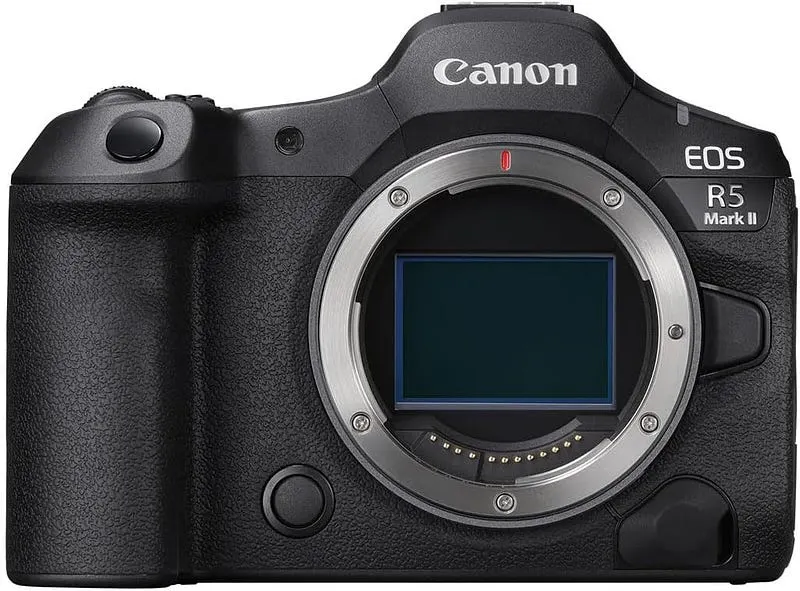
Best Lenses for Canon EOS R5 Mark II
Best Lenses for Canon EOS R5 Mark II — Canon RF 24–70mm f/2.8L IS and Canon RF 50mm f/1.2L USM compared, with pros, cons and who should buy which.