Best Digital Camera
As an Amazon Associate we earn from qualifying purchases. Some links in this guide are affiliate links — see our affiliate disclosure for details.
Short answer: Which digital camera is the best?
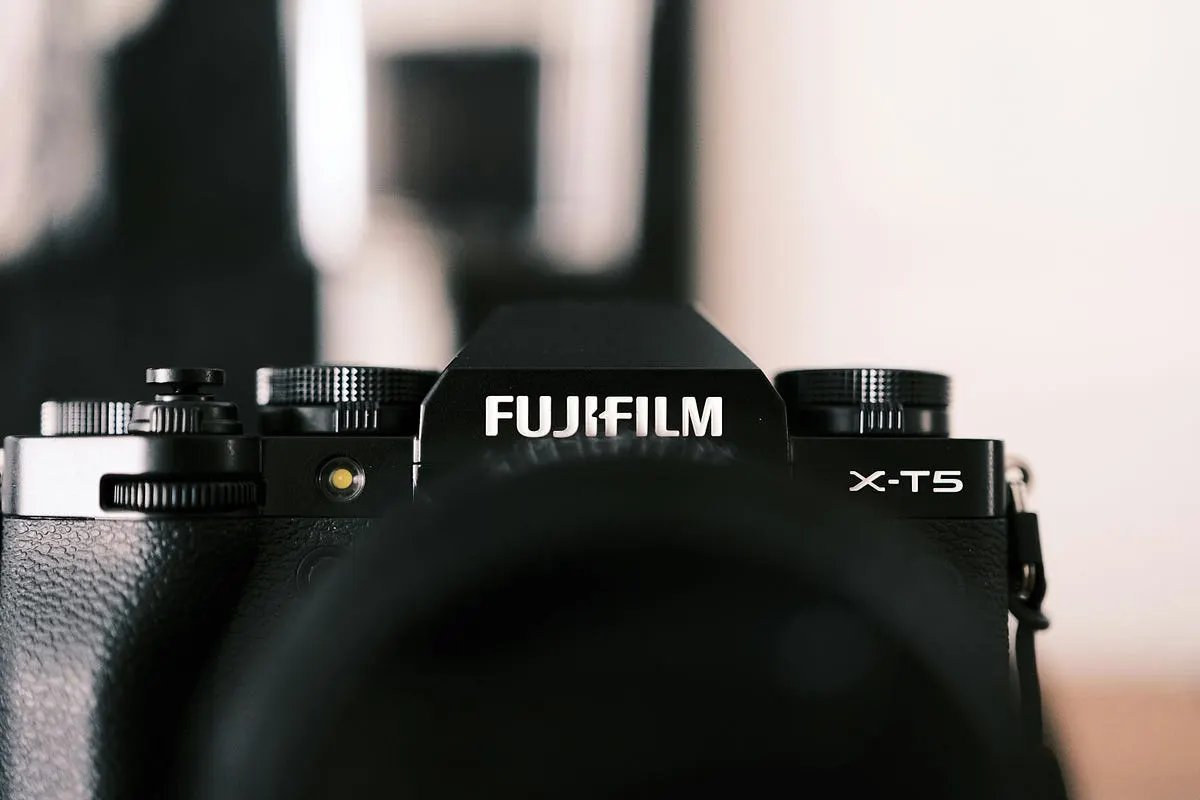
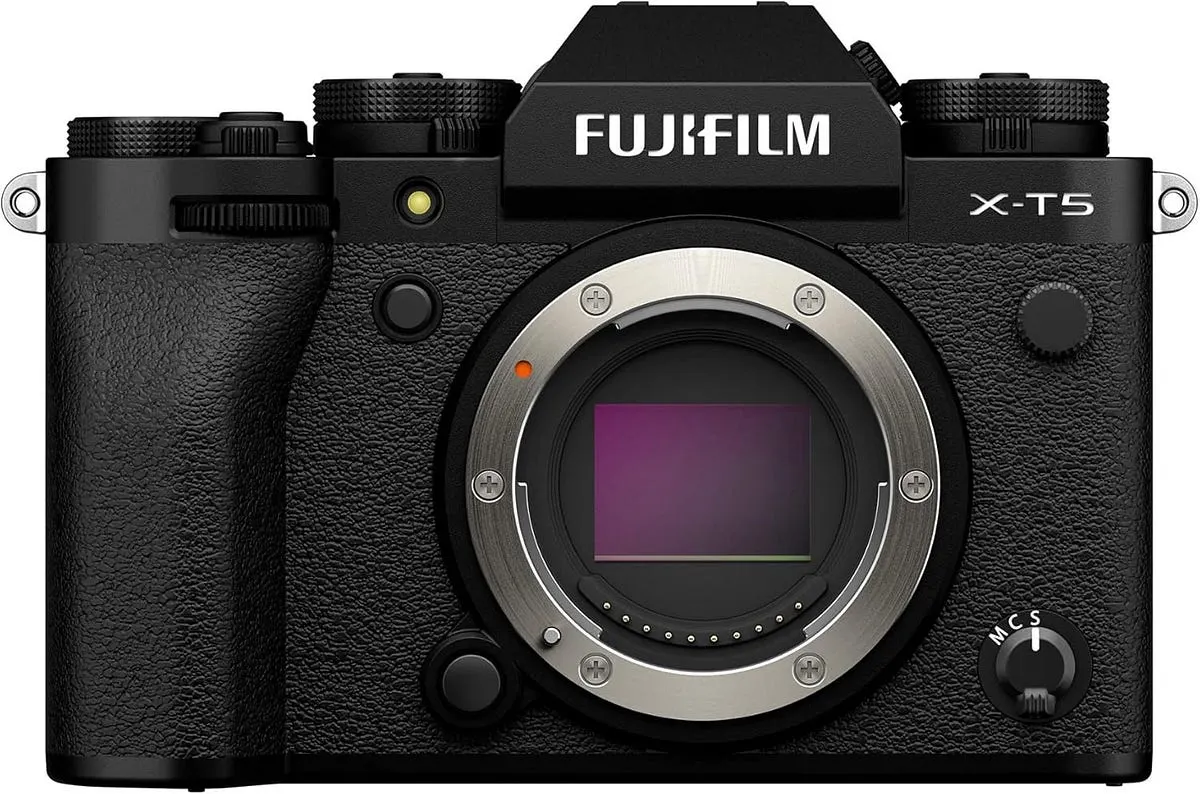
For most enthusiasts, the Fujifilm X-T5 is one of the best digital cameras on the market. It has a 40-megapixel APS-C sensor, in-body image stabilization, physical exposure dials and Fujifilm's film simulations in a body of about 557 g. The best camera for you depends on what you shoot, your budget and how much you want to carry, so the sections below show what to check and which type of camera fits which job.
Affiliate note: This post has affiliate links. If you buy through them, the site may earn a small commission at no extra cost to you.
How do you choose a digital camera?
| Question | What it decides |
|---|---|
| What will you shoot? | Landscapes, portraits, sport, video or travel need different strengths |
| How much will you carry? | A compact camera or small mirrorless body gets used more often |
| What is the budget? | Include at least one good lens in the total |
| How important is video? | Look at 4K or 6K recording, stabilization and audio ports |
| Which lens system? | Lenses last longer than bodies, so the mount matters |
Fujifilm X-T5
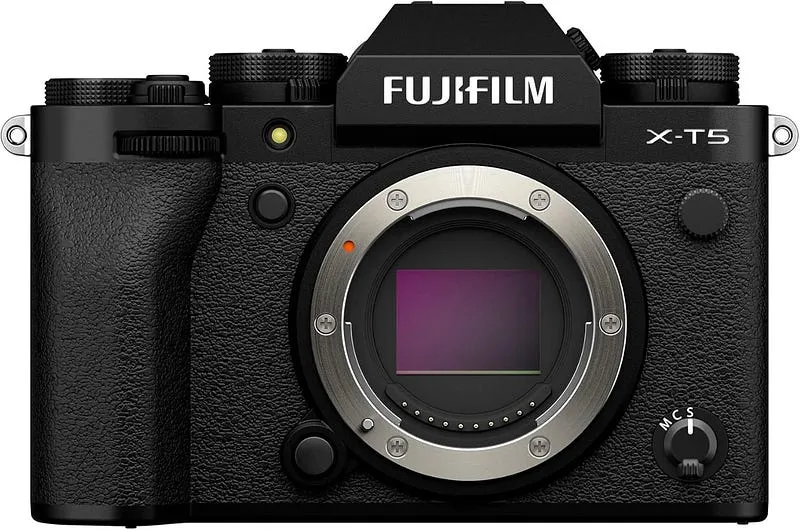
The Fujifilm X-T5 is an APS-C mirrorless camera that launched in November 2022. Its main features, as listed by Fujifilm, are:
- 40.2-megapixel X-Trans CMOS 5 HR sensor. It resolves fine detail and allows heavy cropping.
- In-body image stabilization. Fujifilm lists up to 7 stops of stabilization, which allows sharp handheld shots at slow shutter speeds.
- Physical dials. Separate dials for shutter speed, ISO and exposure compensation keep the controls visible.
- Film simulations. Fujifilm's colour presets produce finished JPEGs straight from the camera.
- Light body. It weighs about 557 g with battery and card, which is light for its class.
- Video. 6.2K recording suits most video work.
- Dual SD card slots. Backing up files in the camera protects important shoots.
Limits: the high-resolution files take more storage, and autofocus tracking for fast action trails the best sports cameras from Sony, Canon and Nikon.
Which type of camera suits which job?
| Type | Best for | Trade-off |
|---|---|---|
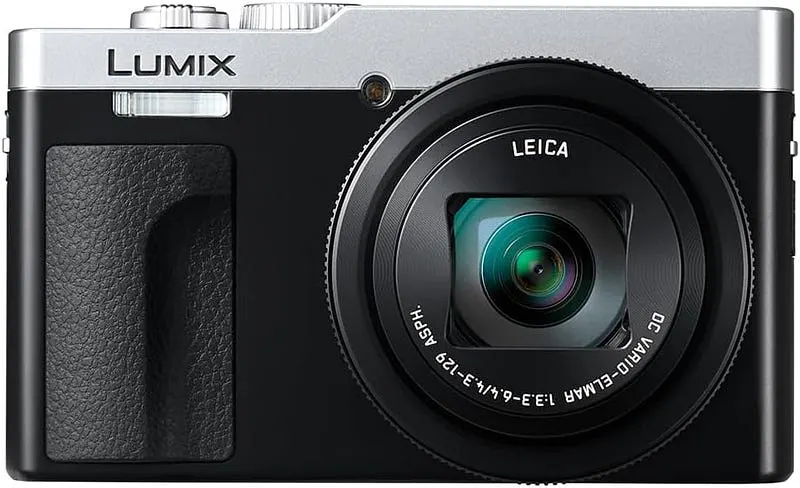
| Compact camera | Travel and everyday carry | Fixed lens and smaller sensor |
| APS-C mirrorless | All-round enthusiast use | Slightly less low-light performance than full frame |
| Full-frame mirrorless | Low light, portraits, professional work | Larger and costlier |
| DSLR | Budget buyers and optical viewfinder fans | Bulkier and a shrinking lens roadmap |
| Action camera | Sports and rough conditions | Small sensor |

Photo by Steven Kamenar on Unsplash
Related buying guides
- Best digital cameras for a broader list
- Best mirrorless cameras for the current mirrorless picks
- Best compact cameras for pocket-size options
- Best cameras for photography for an overview by use
What else matters?
- Lenses. A fast prime or a quality zoom changes image quality more than a small body upgrade.
- Batteries and storage. Spare batteries and fast cards avoid missed shots.
- Software. RAW processing and organisation take time, so factor in the workflow.
- Resale value. Popular models keep their value, which cuts the long-term cost.
Photo by Simon Berger on Unsplash
Frequently asked questions
Is the Fujifilm X-T5 good for beginners? Yes, but it is priced for enthusiasts. Beginners on a smaller budget can look at the X-T30 II or X-M5.
Do I need a full-frame camera? Not for most uses. APS-C cameras produce excellent results and use smaller, cheaper lenses.
Is a phone enough? Phones are excellent for casual shots, but a dedicated camera gives better lenses, handling and low-light performance.
How many megapixels do I need? Most uses need 20 to 26 megapixels. Higher resolution helps with cropping and large prints.
Written by
Marien CartelProfessional and Certified Digital Photographer born in the USA, with 22 years of experience in the field of photography.
Related Guides
Best Digital Cameras
Best Digital Cameras: a side-by-side look at Nikon D3500 and Sony α6000 series, with strengths, trade-offs and buying advice.
Best Digital Camera for Vintage Look
The guide ranks the Fujifilm X-T5 as the gold standard for film emulation, then the Nikon Z f, a used Olympus PEN-F and budget Y2K digicams.
Best Affordable Point And Shoot Digital Camera
Best Affordable Point And Shoot Digital Camera — what the Canon PowerShot G7 X Mark offers, where it falls short, and whether it is worth buying.
Best Camera for Digital Nomads
Best Camera for Digital Nomads: a side-by-side look at Sony a7C II and Fujifilm X-S20, with strengths, trade-offs and buying advice.

3 Best Time Lapse Camera for Plants
Best Time Lapse Camera for Plants — how Brinno TLC2020, GoPro Hero 12 and Canon EOS Rebel T7 compare on features and price, and who each is best for.

Best Camera for Concert Photography
Best Camera for Concert Photography — Canon EOS R6 Mark II, Sony a7R V and Nikon Z8 compared, with pros, cons and who should buy which.