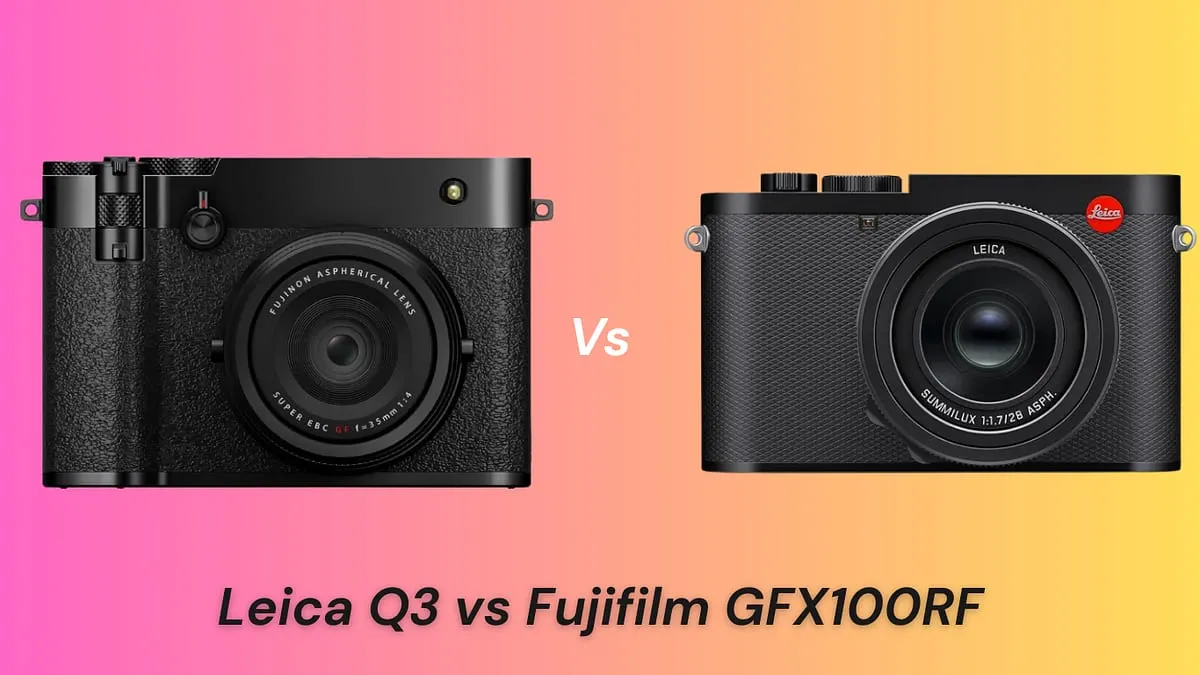
Leica Q3 vs Fujifilm GFX100RF
As an Amazon Associate we earn from qualifying purchases. Some links in this guide are affiliate links — see our affiliate disclosure for details.
Short answer: Should you buy the Leica Q3 or the Fujifilm GFX100RF?
The guide's verdict is that it is not a competition: the author kept both. The GFX100RF makes for a more deliberate craft, and the Leica Q3 makes for more joyful, spontaneous work.
There’s a question photographers love to ask in forums and over coffee: “If you could only have one camera, what would it be? A tool is a tool, right? You pick the right one for the job.
They are the Leica Q3 and the Fujifilm GFX100RF.
The First Love: The Leica Q3
It’s a fixed-lens full-frame camera with a sublime 28mm f/1.7. You can’t change the lens. On paper, that sounds limiting.
It’s about being present. The 60MP sensor is stunningly sharp, but that’s almost a secondary benefit. Its magic is in its constraint. The images it produces have a certain feeling — a rich, almost three-dimensional quality that is hard to describe but easy to feel. It’s a joy machine.
The Temptation: The Fujifilm GFX100RF
Then, the siren song of medium format called. The Fujifilm GFX100RF arrived — a beast of a camera with a massive 102-megapixel sensor. This wasn’t a camera you simply carried; it was a system you committed to.
Where the Leica is about constraint, the GFX is about possibility. That sensor is a revelation. The detail it resolves is simply bonkers. You can crop into a tiny fraction of the frame and still have a high-resolution image. The dynamic range is immense, pulling shadows and highlights from a raw file feels like magic. It’s creamy, smooth, and breathtakingly sharp where it needs to be.
It’s about the technically perfect, jaw-dropping image. It’s a camera of immense power and quality that makes every shot feel important. It demands a slower, more contemplative approach.
The Personal Crossroads
The day came. Approaching strangers felt more intimidating; the camera is large and conspicuous. People saw a “professional rig” and often stiffened up. The process felt clinical. The images were technically flawless — each pore, each eyelash, rendered with insane detail. But they felt… cold. The experience had been a transaction.
The Verdict: It’s Not a Competition
The question isn’t “Which camera is better? The question is “What kind of photographer do you want to be today?”
- It’s a deliberate, powerful tool for making art.
- It’s for living life with a camera in hand.
One is a scalpel; the other is a paintbrush. One is a studio; the other is the street.
And ultimately, the best camera isn’t the one with the most megapixels. It’s the one that makes you want to go out and shoot.

Photo by Vida Huang on Unsplash

Photo by Zach Lucero on Unsplash

Photo by Vinicius "amnx" Amano on Unsplash

Written by
Marien CartelProfessional and Certified Digital Photographer born in the USA, with 22 years of experience in the field of photography.
Related Guides
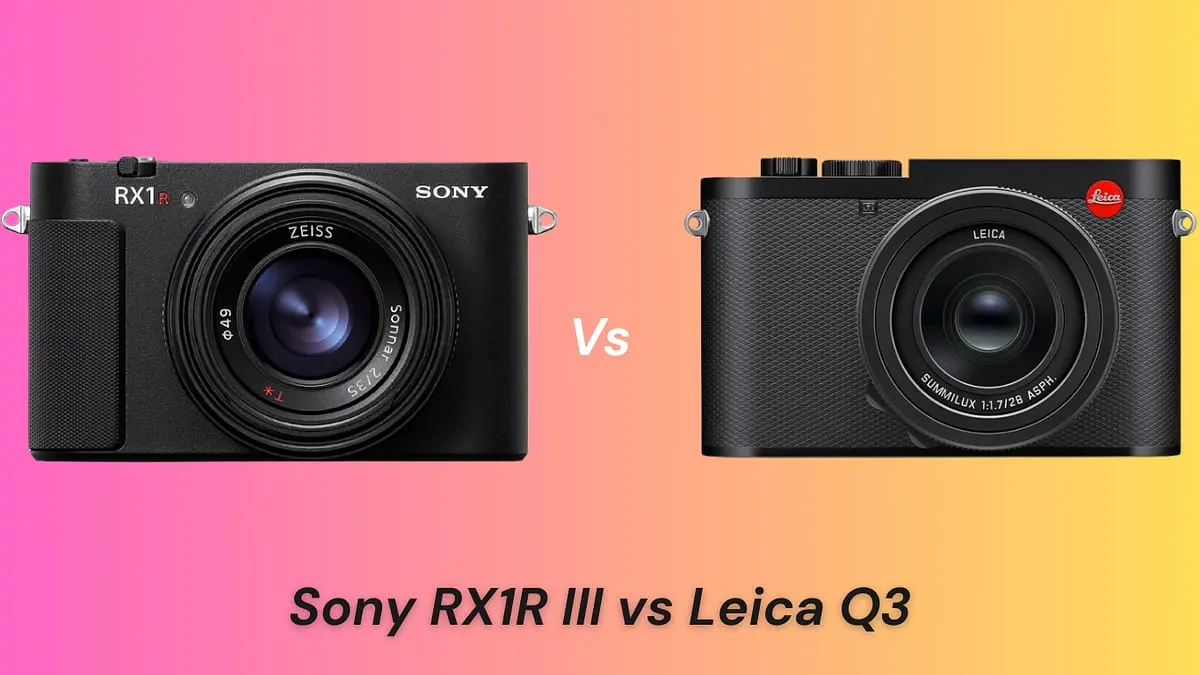
Sony RX1R III vs Leica Q3
Sony RX1R III vs Leica Q3 compared — where each one wins, where it falls short, and who should buy which. Updated for 2026.
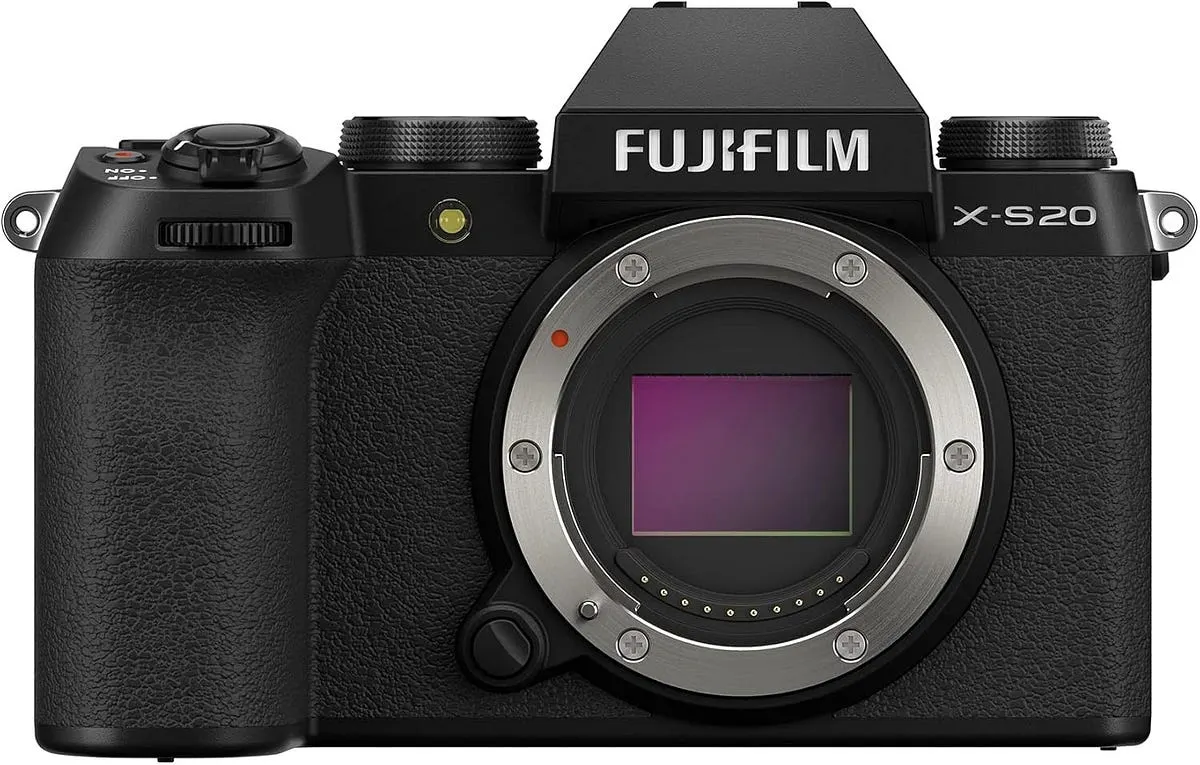
Fujifilm X-S20 Review
Fujifilm X-S20 Review: what to look for, what to skip and how to choose the right one for your budget. Updated for 2026.
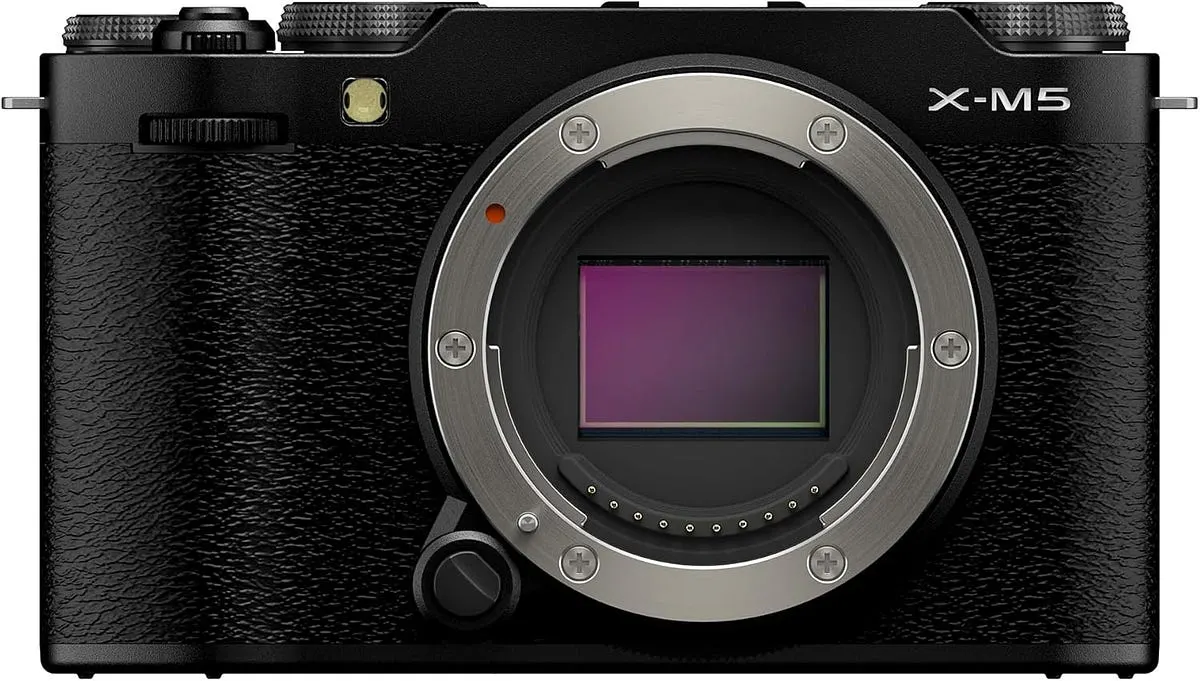
Fujifilm X-M5 Review
Fujifilm X-M5 Review: what to look for, what to skip and how to choose the right one for your budget. Updated for 2026.
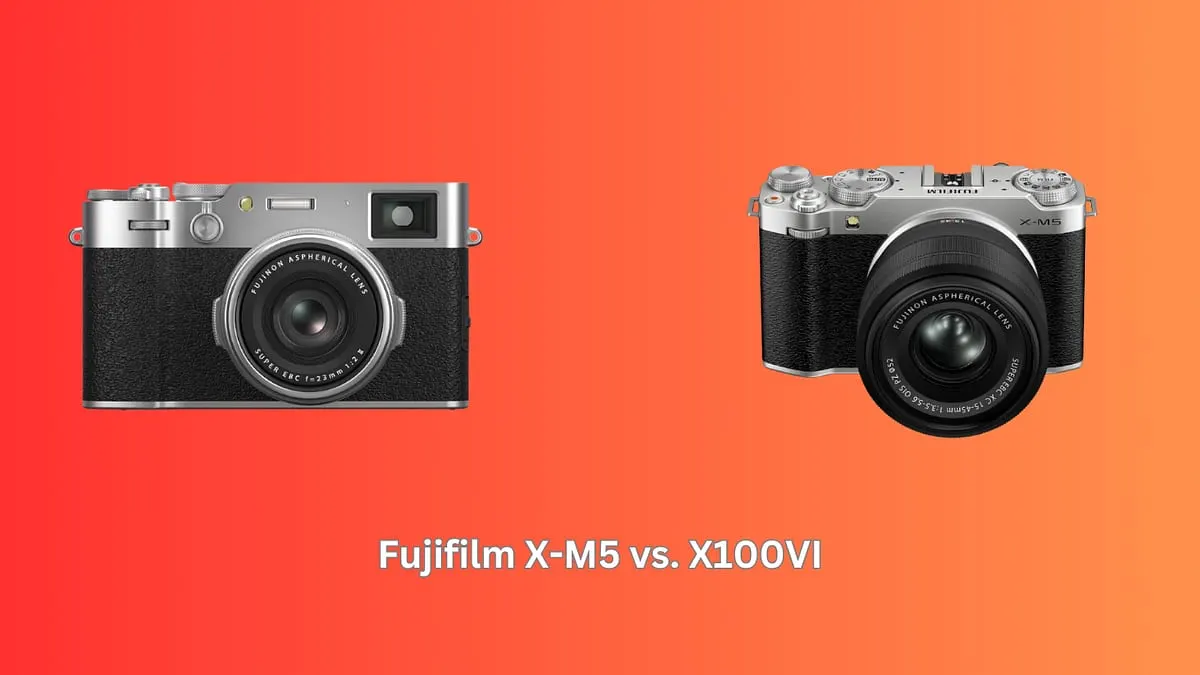
Fujifilm X-M5 vs. X100VI
Fujifilm X-M5 vs. X100VI compared — where each one wins, where it falls short, and who should buy which. Updated for 2026.
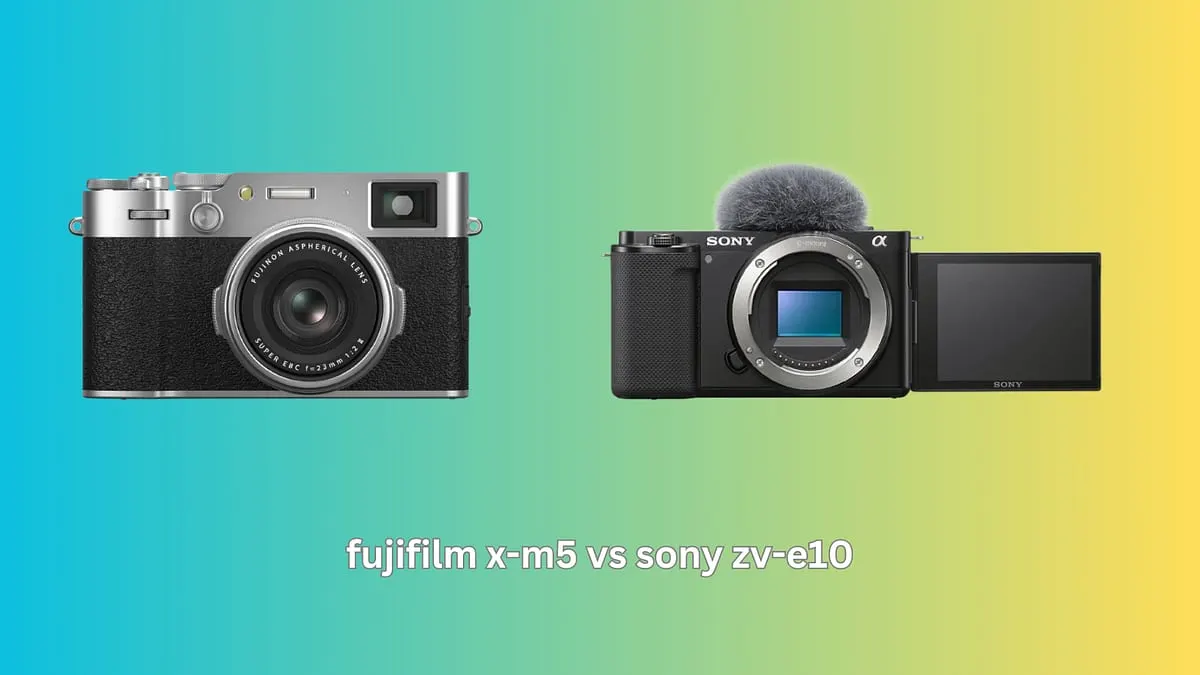
Fujifilm X-M5 vs Sony ZV-E10
Fujifilm X-M5 vs Sony ZV-E10: A Tale of Two Cameras and a Passionate Photographer. What the Fujifilm X-M5 gets right, what it does not, and who should buy it.
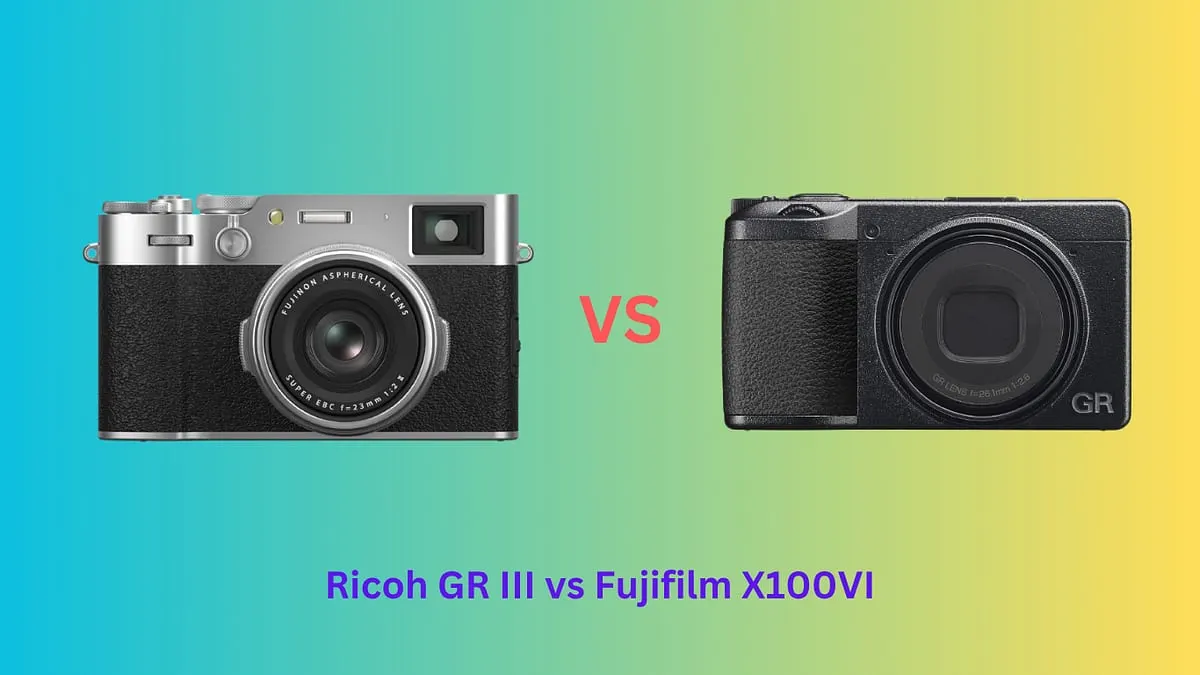
Ricoh GR III vs Fujifilm X100VI
The guide says the X100VI costs more because of its viewfinder, in-body stabilization and build quality.