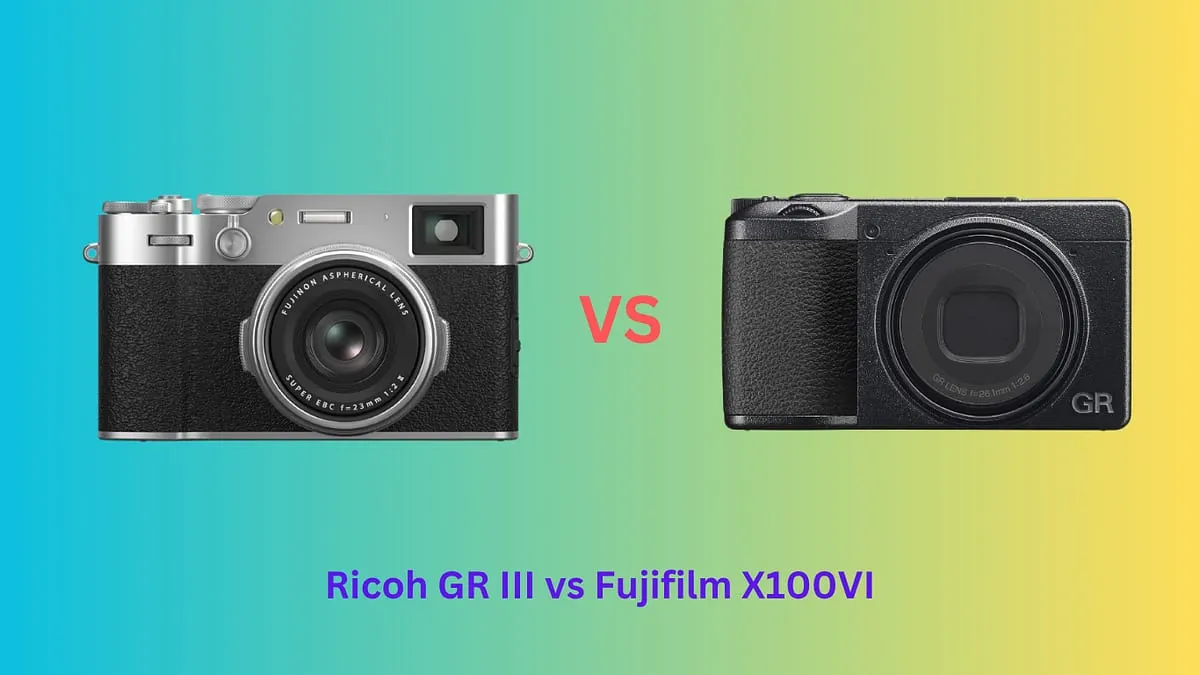
Ricoh GR III vs Fujifilm X100VI
As an Amazon Associate we earn from qualifying purchases. Some links in this guide are affiliate links — see our affiliate disclosure for details.
Short answer: Should you buy the Ricoh GR III or the Fujifilm X100VI?
The guide says the X100VI costs more because of its viewfinder, in-body stabilization and build quality. If you mostly shoot in good light and value portability, the GR III gives most of the image quality for less.
- Ricoh GR III — View on Amazon
- Fujifilm X100VI — View on Amazon
Affiliate note: This post has affiliate links. If you buy through them, I might earn a small commission (at no extra cost).
The Ricoh GR III: First Purchase
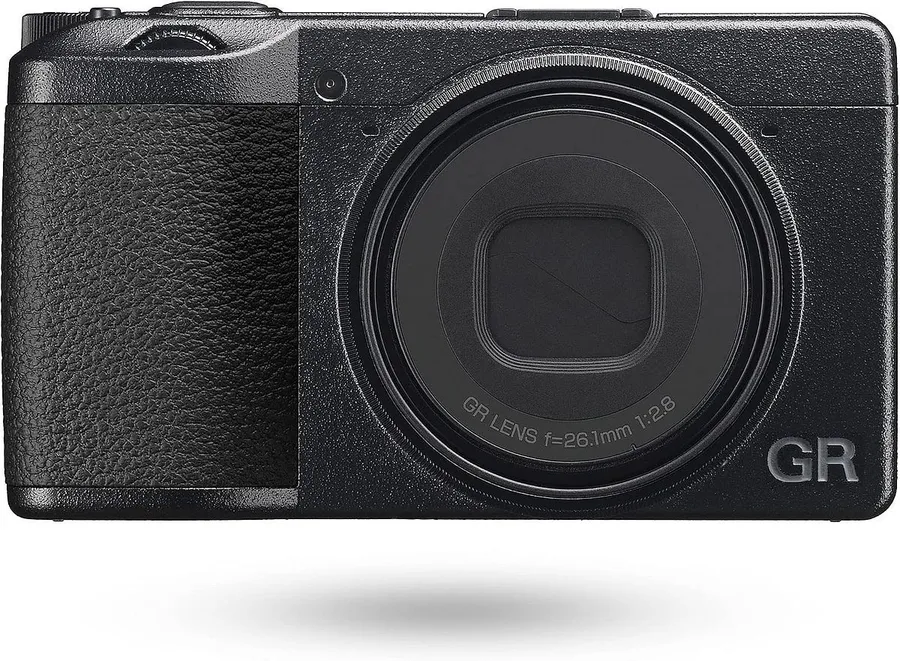
And for the first month, it delivered exactly that. It genuinely disappears into a jacket pocket.
Snap Focus became second nature within a week: pre-set your distance, half-press disappears entirely, you just shoot the moment as it happens.
It’s a camera built entirely around one philosophy — get out of the way — and it does that beautifully, right up until you need it to do anything else.
Ricoh GR III — View on Amazon
The GR III is a camera for capturing life as it happens around you — reactive, invisible, built for speed over deliberation. The X100VI is a camera for making a photograph — considered, tactile, built for people who want the process to feel like something, not just produce a result.
Neither is more “correct.
Recommendation
If your priority is a camera that vanishes into your pocket and never becomes a reason you didn’t bring a camera at all — get the Ricoh GR III. It is, without exaggeration, the camera you will actually have with you.
If you want a camera that makes the act of shooting feel deliberate again, with a viewfinder, better low-light handling, and controls that reward learning them — get the Fujifilm X100VI. It costs more, it’s heavier, and it will absolutely still fit in a jacket pocket, just not one you forget is there.
That’s not a cop-out answer — it’s the honest result of a year spent trying to prove one of them unnecessary and failing both times.
Which camera is better for street photography specifically?
The GR III has the edge for pure street work — smaller, faster to deploy, and Snap Focus is unmatched for candid speed. The X100VI is better if your street work leans more considered or environmental, where composing through a viewfinder matters.
Is the price difference between them justified?
The X100VI costs meaningfully more, and you’re paying for the viewfinder, in-body stabilization, and build quality. Whether that’s “worth it” depends entirely on whether you’ll use those features — if you mostly shoot in good light and value pure portability, the GR III gives you most of the image quality for less money and less bulk.
Can either of these replace a full mirrorless kit?
For a huge percentage of everyday and travel photography, yes. Where they can’t compete is genuine long-telephoto or specialty work — sports, wildlife, studio setups. For documentary, street, and travel shooting, either one can realistically become your primary camera.

Photo by Salah Regouane on Unsplash

Photo by Maksym Tymchyk 🇺🇦 on Unsplash

Written by
Marien CartelProfessional and Certified Digital Photographer born in the USA, with 22 years of experience in the field of photography.
Related Guides
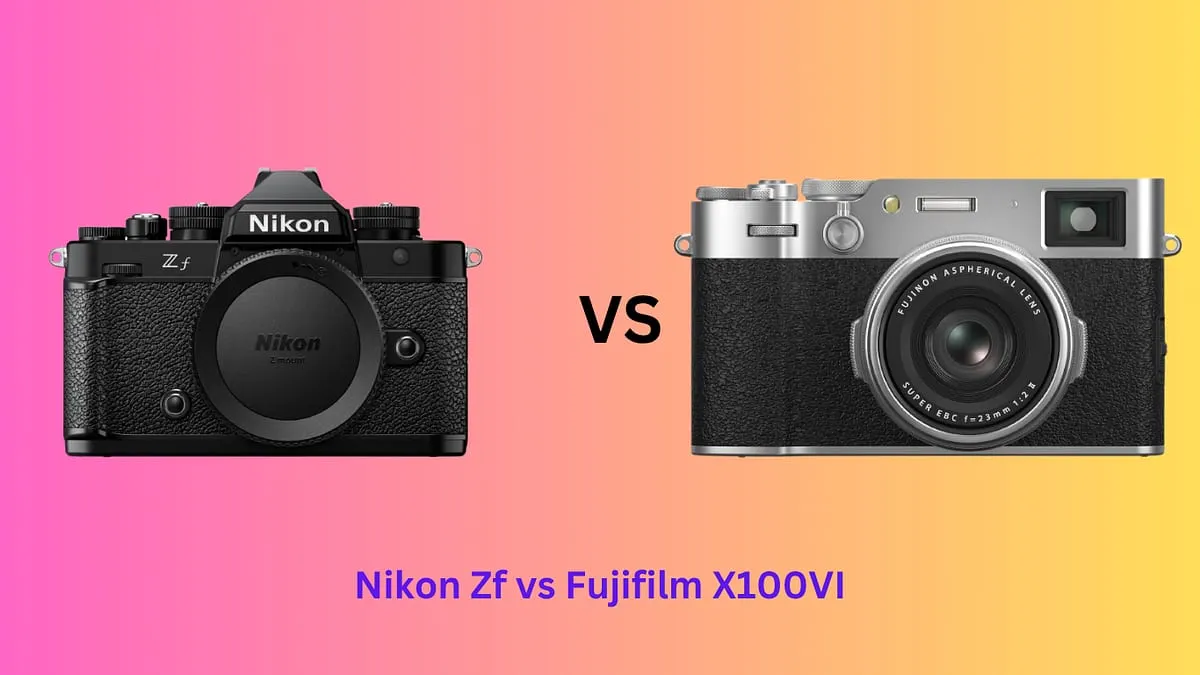
Nikon Zf vs Fujifilm X100VI
Nikon Zf vs Fujifilm X100VI compared — where each one wins, where it falls short, and who should buy which. Updated for 2026.
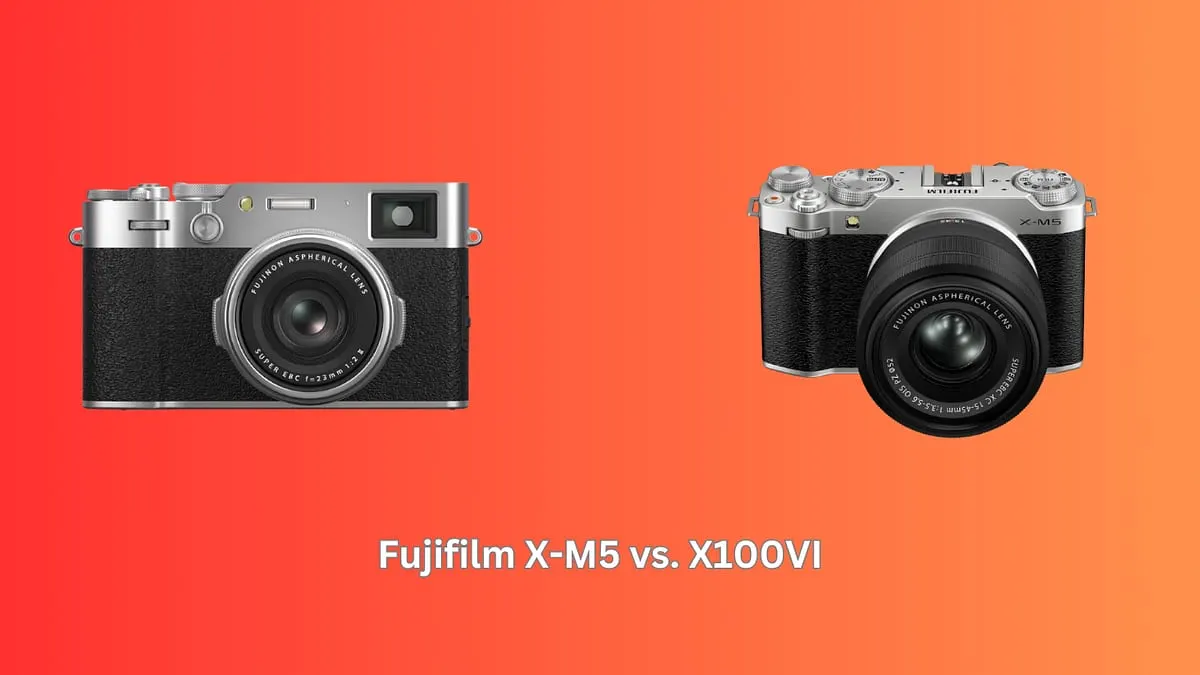
Fujifilm X-M5 vs. X100VI
Fujifilm X-M5 vs. X100VI compared — where each one wins, where it falls short, and who should buy which. Updated for 2026.
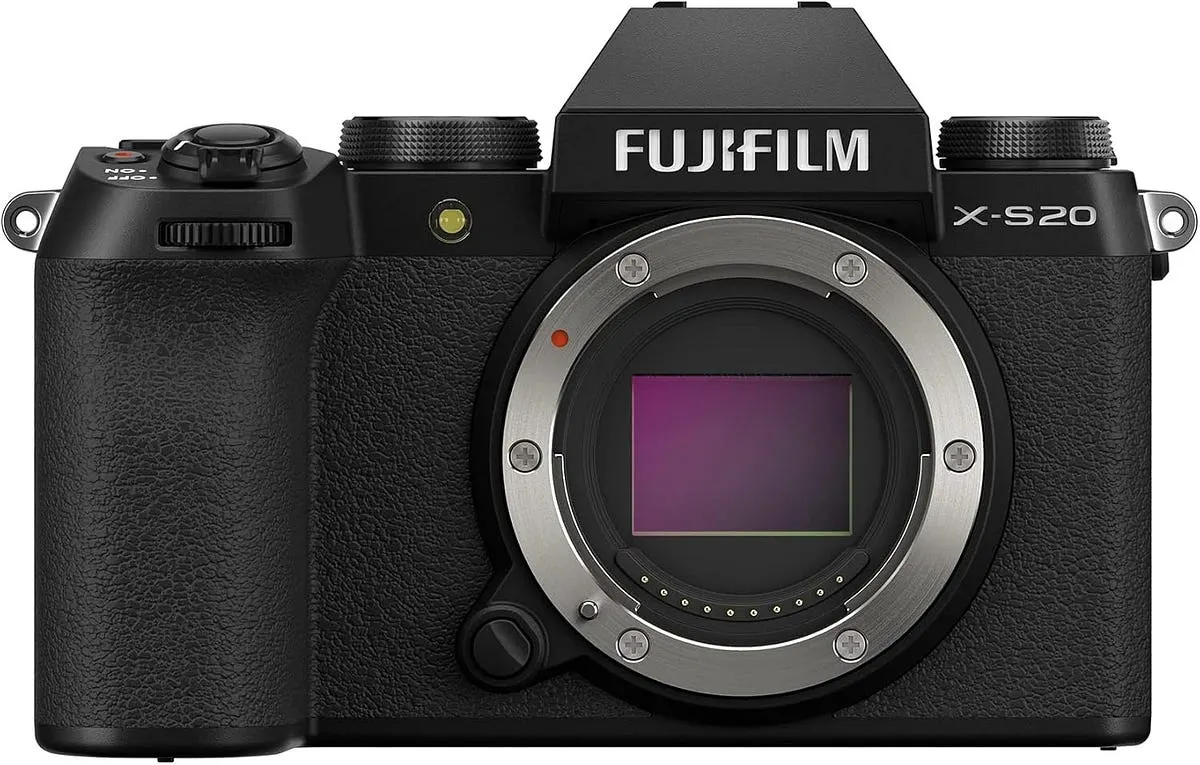
Fujifilm X-S20 Review
Fujifilm X-S20 Review: what to look for, what to skip and how to choose the right one for your budget. Updated for 2026.
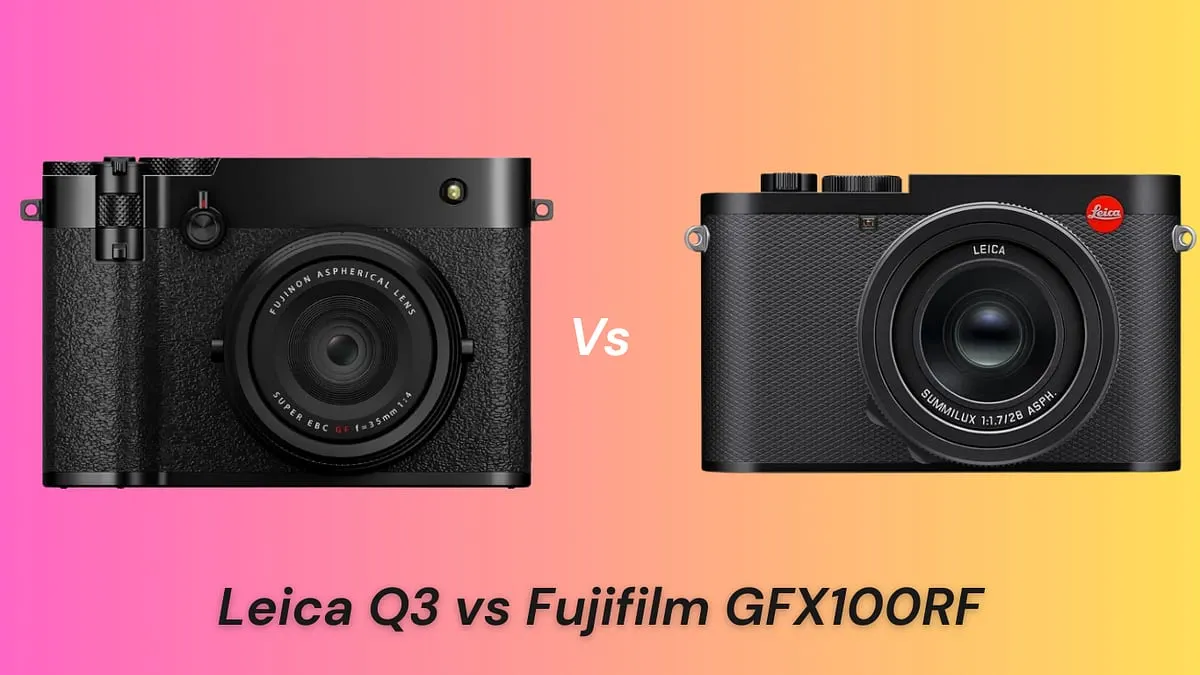
Leica Q3 vs Fujifilm GFX100RF
The guide's verdict is that it is not a competition: the author kept both.
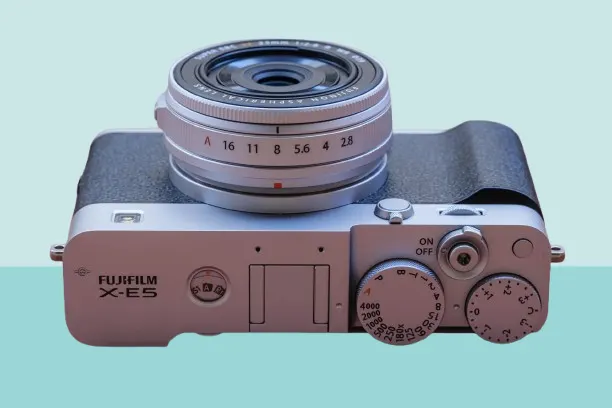
Fujifilm X-E5 Review
Fujifilm X-E5 Review: what to look for, what to skip and how to choose the right one for your budget. Updated for 2026.
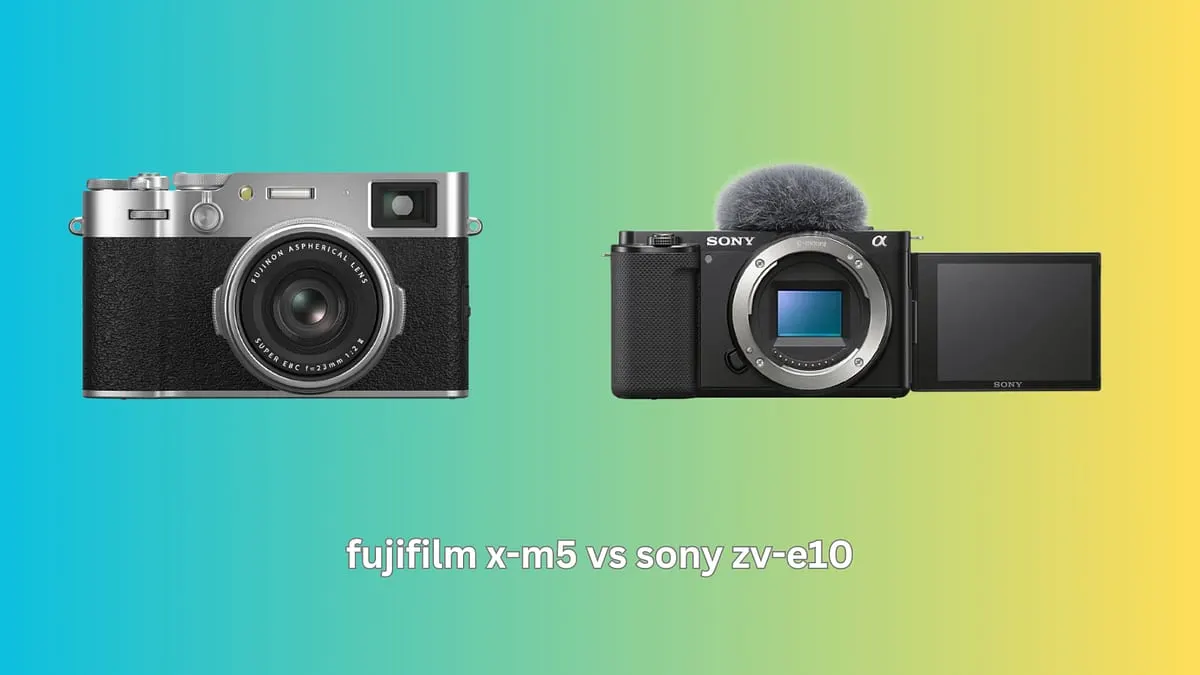
Fujifilm X-M5 vs Sony ZV-E10
Fujifilm X-M5 vs Sony ZV-E10: A Tale of Two Cameras and a Passionate Photographer. What the Fujifilm X-M5 gets right, what it does not, and who should buy it.