Best Third Party Lenses For Canon EF Mount
As an Amazon Associate we earn from qualifying purchases. Some links in this guide are affiliate links — see our affiliate disclosure for details.
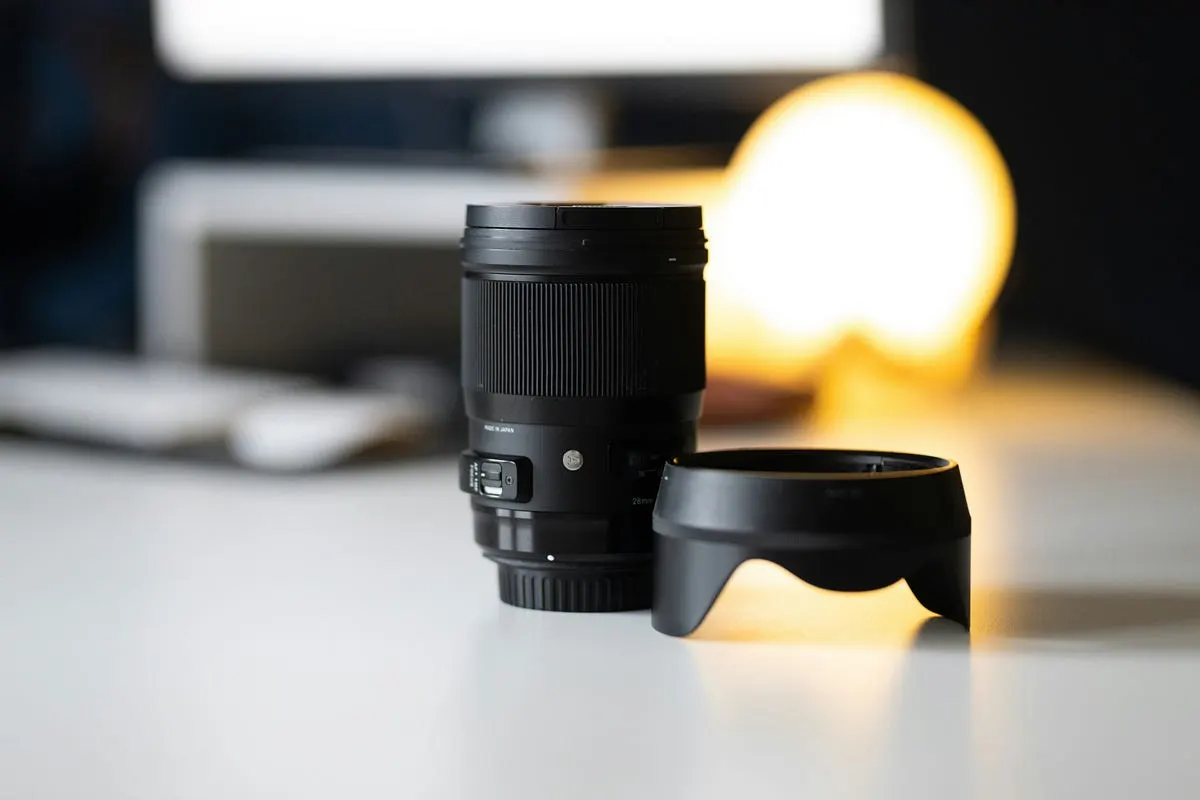
Photo by Omar Tursić on Unsplash
Short answer: Which third-party lenses are best for Canon EF?
The guide recommends the Sigma Art line, including the 24-70mm F2.8 and 24mm f/1.4, the Sigma 70-200mm F2.8 Sports, the Tamron 100-400mm and the Tamron 90mm SP Macro, and notes the trade-offs.
Some of the best third-party lenses for Canon EF mount include the Sigma Art line for their excellent autofocus and image quality, with popular choices like the 70–200mm F2.8 DG OS HSM Sports for action and the 24–70mm F2.8 DG OS HSM Art for a versatile standard zoom. For a wider range, the Tamron 100–400mm f/4.5–6.3 Di VC USD is a great superzoom, while the Tamron 90mm SP Macro is a highly-regarded macro and portrait lens. Other excellent options include the Sigma 24mm f/1.4 Art for astrophotography and landscapes, and various macro lenses from Tamron and Tokina.
For general photography
- Sigma 24–70mm F2.8 DG OS HSM Art: A versatile standard zoom lens known for its high image quality, making it a great all-around choice.
- Sigma 24mm f/1.4 DG HSM Art: Excellent for low-light conditions and astrophotography, and also works well for landscapes.
- Sigma 40mm F1.4 DG HSM Art: A top-tier prime lens that is a favorite for street photography due to its sharpness and image quality.
For sports and wildlife
- Sigma 70–200mm F2.8 DG OS HSM Sports: A powerful telephoto zoom lens designed for action and sports photography.
- Tamron 100–400mm f/4.5–6.3 Di VC USD: A great superzoom option for those who need extra reach without the high cost of a professional telephoto lens.
For portraits and macro
- Tamron 90mm SP Macro (F017E): A highly-regarded macro lens that is also excellent for portrait photography, featuring built-in image stabilization.
- Sigma 85mm F1.4 DG HSM Art: Though it’s for Sony E-mount in one source, it’s a highly-rated portrait lens that should be considered for EF-mount equivalents where available.
Affiliate note: This post has affiliate links. If you buy through them, I might earn a small commission (at no extra cost). That helps me keep sharing my honest photography experiences, much love if you support!
Budget-friendly options
- Sigma 18–35mm f/1.8 DC HSM: A groundbreaking lens for APS-C cameras that provides an f/1.8 aperture throughout the zoom range, effectively replacing multiple prime lenses.
- Canon EF 50mm f/1.8 STM: Often referred to as the “nifty fifty,” this is a very affordable and high-quality prime lens that is great for beginners.
There’s a certain magic to unboxing your first “real” camera. The red ring was more than a branding element; it was a promise of unparalleled sharpness and professional bokeh.
- Sigma 35mm f/1.4 Art: The lens that started the Art revolution. It’s a landscape and environmental portrait beast with character for days.
- Tamron 70–200mm f/2.8 G2: Another direct competitor to Canon’s L version, offering superb image quality and fantastic VC. A staple for wedding and portrait photographers.
- Sigma 18–35mm f/1.8 Art: A lens that defies physics. An f/1.8 zoom for crop-sensor cameras? It’s arguably the sharpest lens you can put on a Canon APS-C body, perfect for astrophotography and low-light video.
The Honest Truth: What You’re Trading
It hasn’t all been perfect. In the past, third-party lenses had a reputation for slow or unreliable autofocus (AF) and poor quality control (QC). While this has improved dramatically, it’s still the main trade-off.
- It’s rare, but it happens.
- Quality Control: There can be more sample variation. It’s wise to test a new copy thoroughly and be prepared to exchange it if it’s not sharp or the AF is consistently off.
The Final Frame
So, if you’re holding a Canon body and dreaming of that next focal length, don’t be afraid to look beyond the red ring. You might just find your new favorite lens, and a whole new world of photographic possibilities, waiting for you.

Photo by Nick van der Vegt on Unsplash

Written by
Marien CartelProfessional and Certified Digital Photographer born in the USA, with 22 years of experience in the field of photography.
Related Guides
What Is a Lens Mount? Canon RF vs EF, Sony E, Nikon Z and Fujifilm X
A lens mount is the bayonet that locks lens to camera — and it decides which lenses you can buy. RF, EF, E, Z and X explained, plus adapter compatibility.
Best Third Party Lenses for Sony Full-Frame
Sigma and Tamron glass worth buying for Sony full-frame — the 24-70mm and 28-75mm f/2.8 zooms, the Sigma Art primes, and where each beats the Sony original.
8 Best Lens for Canon EOS Rebel T8i
Best Lens for Canon EOS Rebel T8i — how Canon 17–55mm F/2.8 and Canon EF-S 18–135mm F/3.5–5.6 compare on features and price, and who each is best for.

Best Canon RF Lenses for Video
Best Canon RF Lenses for Video — how Canon RF 24–70mm f/2.8L IS and Canon RF 15–35mm f/2.8L IS compare on features and price, and who each is best for.

Best Canon Lens For Street Photography: Canon RF 28mm f/2.8 STM
Best Canon Lens For Street Photography: Canon RF 28mm f/2.8 STM: key features, strengths, drawbacks and who should buy the Canon RF 24–70mm f/2.8L.
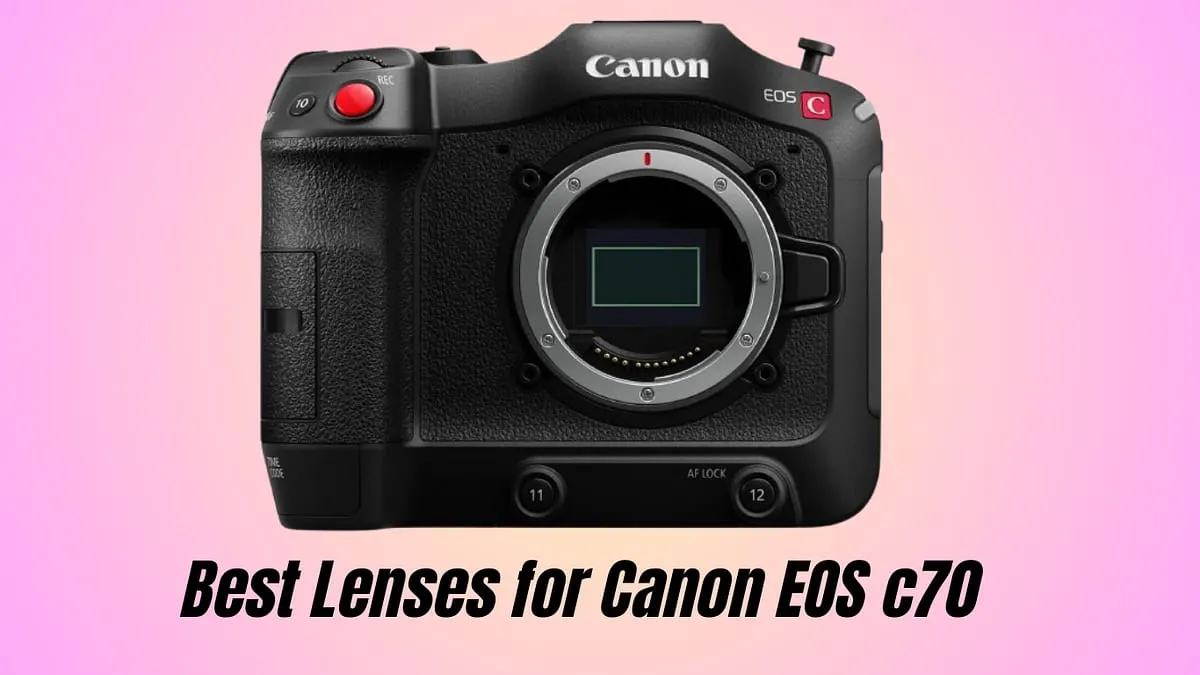
Best Lenses for Canon EOS c70
Best Lenses for Canon EOS c70 — Canon RF 15–35mm f/2.8L IS and Canon RF 24–105mm f/4L IS compared, with pros, cons and who should buy which.