Best Canon Lens For Street Photography: Canon RF 28mm f/2.8 STM
As an Amazon Associate we earn from qualifying purchases. Some links in this guide are affiliate links — see our affiliate disclosure for details.
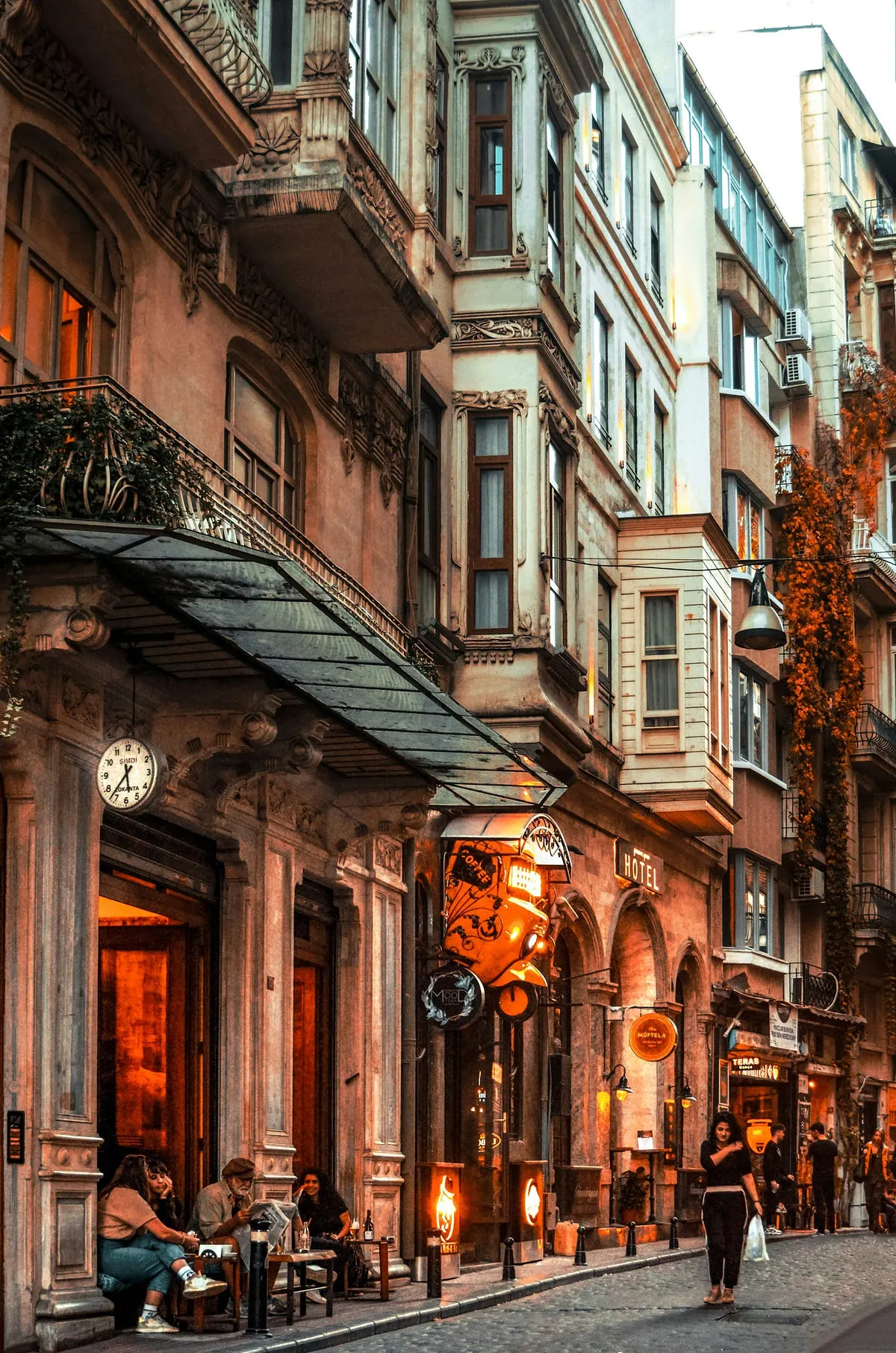
Photo by Volkan Vardar on Unsplash
Short answer: Which Canon lens is best for street photography?
The guide's pick is the Canon RF 28mm f/2.8 STM, a compact lens it praises for sharpness and quiet autofocus. It also mentions the RF 16mm f/2.8 and larger zooms.
- Canon EF 50mm F/1.8 — View on Amazon
- Canon EF 85mm — View on Amazon
- Canon RF 24–105mm — View on Amazon
- Canon EF-S 17–55mm — View on Amazon
- Canon EF 75–300mm — View on Amazon
- Canon Rf 15–35mm — View on Amazon
- Canon EF 24–70mm — View on Amazon
Why the 28mm Focal Length
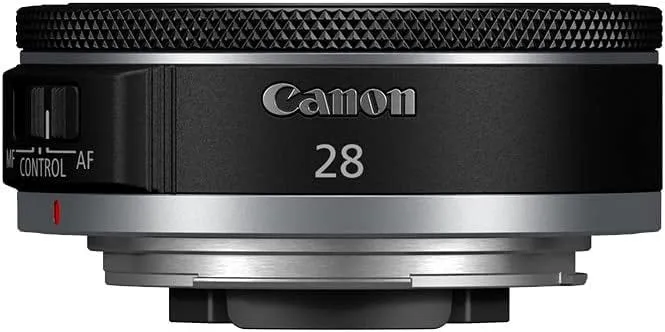
The 28mm focal length changed everything. It’s wide enough to capture the bustling energy of a crowded market, the towering architecture that frames a solitary figure, or the layers of activity that make urban scenes come alive. Yet it’s not so wide that it distorts faces or makes everything feel disconnected. It strikes that perfect balance between environmental storytelling and intimate human moments.
Real-World Performance: Three Months on the Streets
Sharpness That Surprises
At f/2.8, there’s a subtle softness in the extreme corners — but honestly, when you’re shooting street photography, corner sharpness is rarely your primary concern. What matters is that your subjects are tack sharp, and this lens delivers.
By f/4, the entire frame becomes beautifully sharp.
Autofocus: Silent and Swift
The STM autofocus motor is a game-changer for street work. It’s whisper-quiet — crucial when you’re trying to capture candid moments without drawing attention. The focus speed isn’t lightning-fast like some professional lenses, but it’s more than adequate for street photography where you’re rarely tracking fast-moving subjects.
Low Light Adventures
Street photography doesn’t stop when the sun goes down. With a maximum aperture of f/2.8, this lens handles golden hour and blue hour beautifully.
What Makes It Perfect for Street Photography
3. Creative Versatility
The 28mm focal length forces you to get closer to your subjects, creating more intimate connections. It also allows for creative compositions — you can include interesting foreground elements, capture leading lines that draw viewers into the scene, or show the relationship between people and their environment.

Photo by Dana Andreea Gheorghe on Unsplash
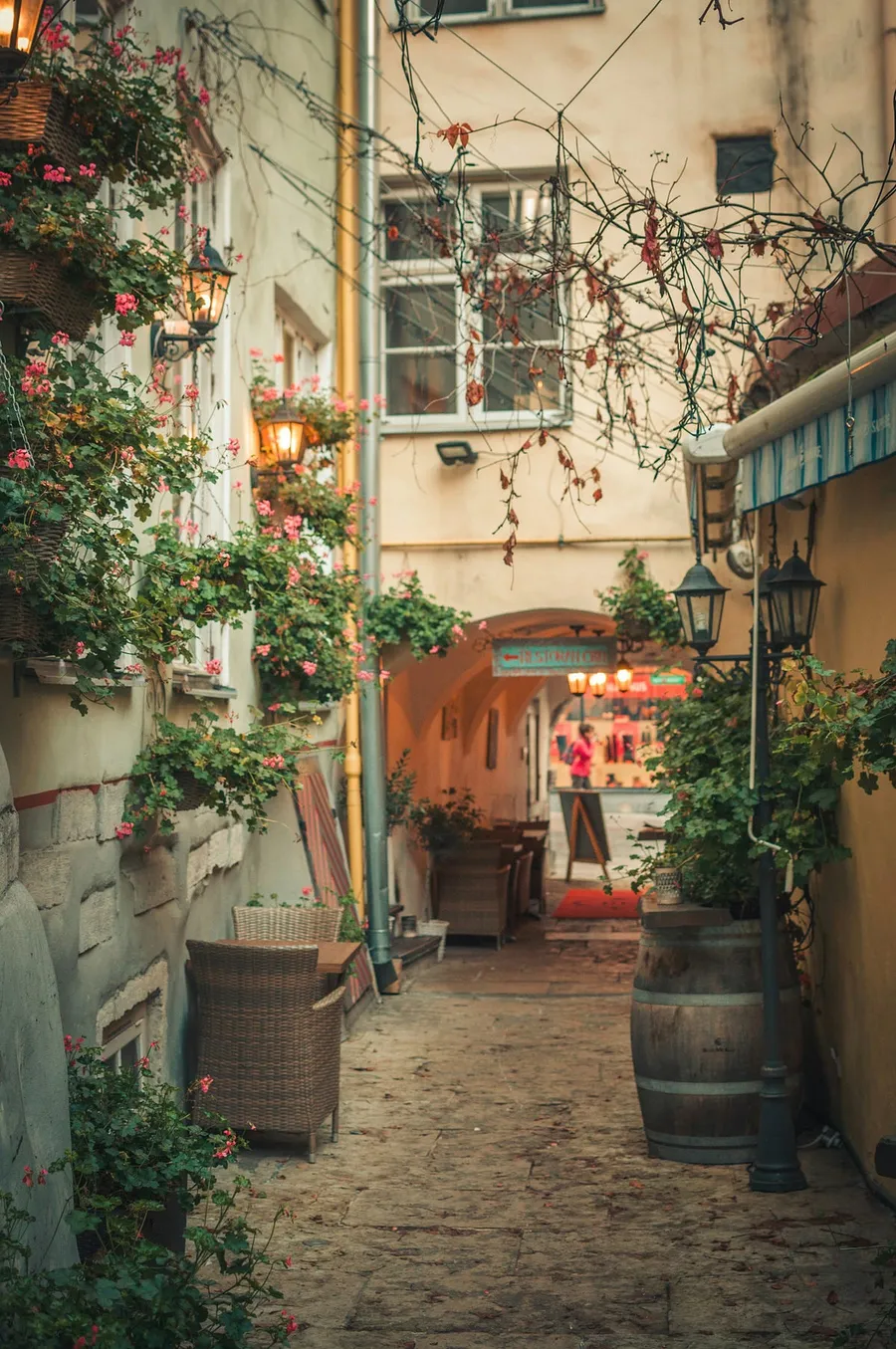
Photo by Hert Niks on Unsplash
Challenges and Honest Limitations
No lens is perfect, and honesty is crucial in any genuine review. The RF 28mm f/2.8 STM has some limitations worth acknowledging:
Vignetting at f/2.8: There’s noticeable light falloff in the corners when shooting wide open. While this can add character to certain images, it’s something to be aware of. Stopping down to f/4 largely eliminates this issue.
No Image Stabilization: Unlike some other RF lenses, this one lacks built-in stabilization. If your camera body doesn’t have IBIS, you’ll need to be more mindful of shutter speeds in low light.
Plastic Construction: The build quality feels solid but not premium. The lens mount is metal, but much of the barrel is plastic. For the price point, this is expected, but it’s worth noting if you’re rough on your gear.
Comparing to Alternatives
The Canon RF 24–70mm f/2.8L offers more flexibility but at the cost of size, weight, and price.
The Canon RF 16mm f/2.8 provides an ultra-wide perspective but can be too extreme for many street photography situations, often requiring very close proximity to subjects.
Third-party options like the Tamron 28–75mm f/2.8 offer zoom flexibility but sacrifice the compact form factor that makes the RF 28mm so special for street work.
Technical Specifications That Matter
| Spec | Detail |
|---|---|
| Focal Length | 28mm (full-frame equivalent) |
| Maximum Aperture | f/2.8 |
| Minimum Aperture | f/22 |
| Lens Elements | 6 elements in 5 groups |
| Minimum Focus Distance | 0.1m (0.33 ft) |
| Maximum Magnification | 0.5x |
| Filter Thread | 43mm |
| Weight | 120g (4.2 oz) |
| Dimensions | 40.4mm length |
Practical Tips for Street Photography Success
Get Comfortable with 28mm: If you’re new to this focal length, spend time walking and observing before lifting the camera. Understanding how 28mm sees the world is crucial for effective composition.
Use the Minimum Focus Distance: At 0.1m minimum focus distance with 0.5x magnification, you can capture interesting detail shots and environmental portraits that add variety to your street photography portfolio.
Investment Value
The build quality should provide years of reliable service, and the optical performance punches well above its price point. For photographers building an RF lens collection, this should be among the first lenses considered.

Written by
Marien CartelProfessional and Certified Digital Photographer born in the USA, with 22 years of experience in the field of photography.
Related Guides
Best Canon RF Lenses for Product Photography
The guide lists the RF 100mm f/2.8L Macro IS USM, RF 50mm f/1.8 STM, RF 85mm f/2 Macro IS STM, RF 24-70mm f/2.8L IS USM and RF 35mm f/1.8 Macro IS STM,.
Best Canon RF Lenses
Best Canon RF Lenses: what to look for, what to skip and how to choose the right one for your budget. Updated for 2026.

Canon RF Macro Lens
Shooting close-up with the Canon RF 100mm Macro: what it does brilliantly, the patience it demands, and whether it belongs in your RF kit.
Best Canon RF Lenses for Video
Best Canon RF Lenses for Video — how Canon RF 24–70mm f/2.8L IS and Canon RF 15–35mm f/2.8L IS compare on features and price, and who each is best for.
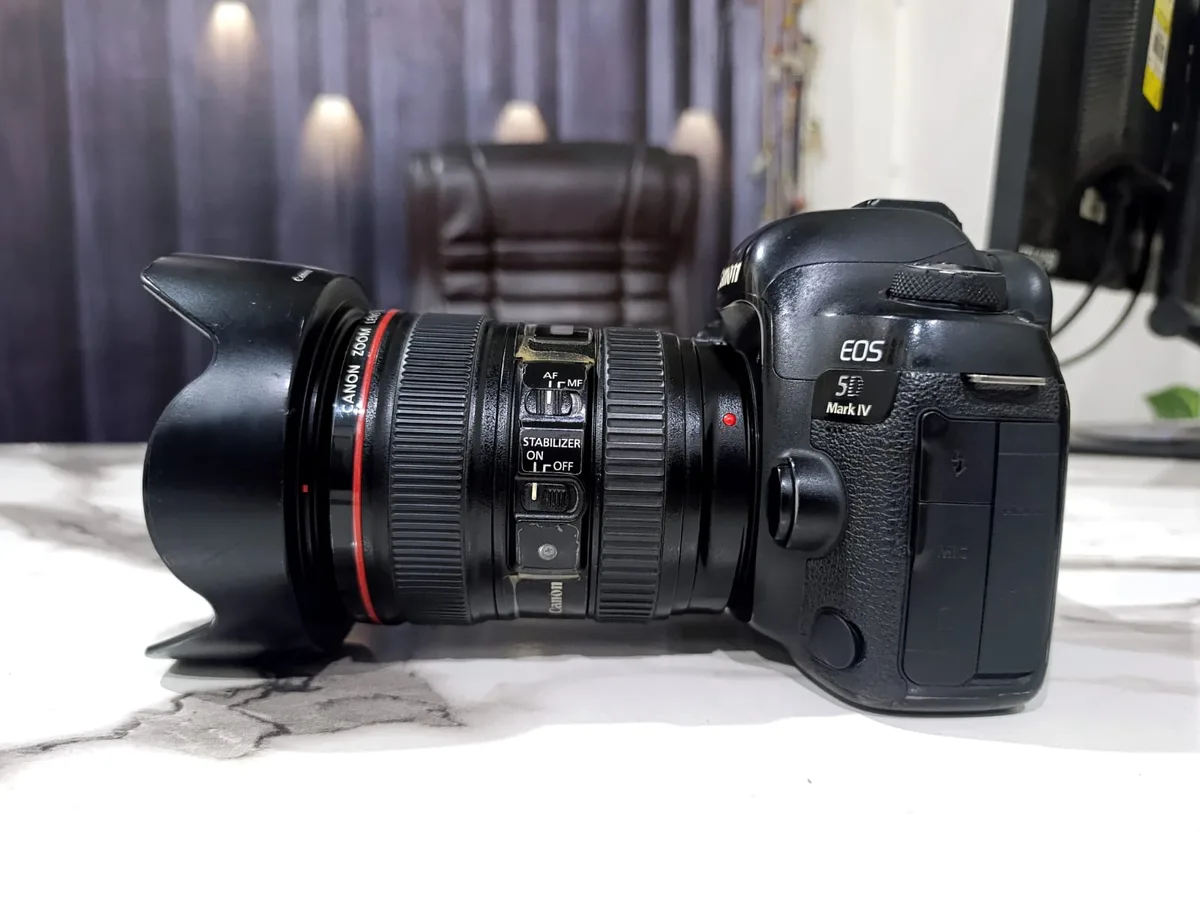
Best Lenses Canon EOS 5D Mark IV
Best Lenses Canon EOS 5D Mark IV — how Canon EF 50mm f/1.8 STM and Tamron SP 24–70mm f/2.8 Di compare on features and price, and who each is best for.
Best Telephoto Lens for Canon
The guide says the best is the Canon RF 70-200mm f/2.8L IS USM. It also covers the RF 100-400mm, RF 100-500mm and EF options such as the EF 100-400mm.