What Is a Lens Mount? Canon RF vs EF, Sony E, Nikon Z and Fujifilm X
As an Amazon Associate we earn from qualifying purchases. Some links in this guide are affiliate links — see our affiliate disclosure for details.
Short answer: What is a lens mount?
A lens mount is the physical and electronic connection between a lens and a camera body. Mounts are brand and format specific, so a Canon RF lens will not fit a Sony E-mount body, and adapters add trade-offs.
A lens mount is the physical and electronic connection between a lens and a camera body — the metal ring with locking tabs that you line up, twist, and hear click into place. It matters because mounts are brand- and format-specific: a Canon RF lens will not physically attach to a Sony E-mount body, and in most cases a lens bought for one mount is locked to that mount (and often that one brand) for as long as you own it.
This is the single most expensive mistake in buying a first interchangeable-lens camera — picking a system, then discovering a year later that the lens you want doesn't exist for your mount, or exists but costs twice as much because the ecosystem is small. Knowing what a mount actually controls makes that choice informed instead of accidental.
The two numbers that define a mount
Every mount is defined by two physical measurements, and both are fixed for the life of the system.
| Measurement | What it is | Why it matters |
|---|---|---|
| Diameter | How wide the opening is | A wider mount lets light hit the sensor at a steeper angle, which gives lens designers more room for very fast apertures and compact wide-angle designs |
| Flange focal distance | How far the mount sits from the sensor | A shorter distance is what let camera makers drop the mirror box and shrink the whole body when they moved from DSLR to mirrorless |
These aren't marketing numbers — they're mechanical constraints that every lens for that mount has to be designed around. A mount with a 16mm flange distance simply cannot accept a lens built for a 46.5mm flange distance without either an adapter that adds the missing distance back, or an adapter with optics that compensate for it.
Current mounts, compared
| Mount | Maker | Diameter | Flange distance | Sensor formats |
|---|---|---|---|---|
| RF | Canon (mirrorless) | 54mm | 20mm | Full frame, APS-C (RF-S) |
| EF | Canon (DSLR, discontinued for new bodies) | 54mm | 44mm | Full frame, APS-C (EF-S) |
| Z | Nikon (mirrorless) | 55mm | 16mm | Full frame, APS-C (DX) |
| F | Nikon (DSLR, legacy) | 44mm | 46.5mm | Full frame, APS-C |
| E | Sony (mirrorless) | 46.1mm | 18mm | Full frame, APS-C — same physical mount, different image circle |
| X | Fujifilm (mirrorless) | 44mm | 17.7mm | APS-C only |
| L-mount | Leica / Panasonic / Sigma alliance | 51.6mm | 20mm | Full frame |
Nikon's Z mount is the widest of the current full-frame mounts, which Nikon's own materials say gives lens designers more latitude for fast, sharp optics, including some lenses with maximum apertures as wide as f/0.95 (Nikon). Canon's RF and EF mounts share the same 54mm diameter, but RF's much shorter 20mm flange distance is what let Canon shrink the EOS R bodies and open up new optical designs that weren't possible on EF (flange focal distance values for every current mount).
Sony's E-mount is a special case worth knowing: APS-C and full-frame E-mount cameras use the exact same physical mount and flange distance. An APS-C E-mount lens will physically fit a full-frame E-mount body (it just won't cover the full sensor, so the camera crops automatically), and a full-frame E-mount lens works natively on an APS-C body (Sony E-mount specifications). Canon's RF-S and Nikon's DX lenses behave the same way on their respective full-frame bodies.
Why mirrorless mounts are shorter
Every mirrorless mount above has a flange distance under 21mm, while the DSLR mounts (EF, F) sit at 44-46.5mm. That gap isn't a coincidence — a DSLR needs room behind the lens for the mirror to flip up out of the light path before the shutter fires. A mirrorless camera has no mirror, so the lens can sit much closer to the sensor, and that saved distance is what makes mirrorless bodies smaller and, in some cases, enables lens designs that weren't possible at all on the older mount.
It also explains why adapting lenses almost always runs in one direction. A camera with a short flange distance has room to spare, so a simple mechanical adapter — no optics, nothing to go wrong — can hold an old long-flange lens the extra distance away from the sensor. That's why EF lenses adapt cleanly onto RF bodies, and F-mount lenses adapt onto Z bodies, often with full autofocus retained. Going the other way — fitting a short-flange mirrorless lens onto an old DSLR — isn't possible, because there's no way to remove distance that the adapter would need to take away.
Can you mix and match lenses across brands?
Not directly, and not usefully in most cases:
- Same mount, different maker — this does work. Third-party lenses from Sigma and Tamron are built natively for Sony E, Nikon Z or Canon RF, and mount exactly like the camera maker's own glass, no adapter needed.
- Different mount, with an adapter — works for compatible pairs (EF→RF, F→Z, A-mount→E), usually with full or near-full autofocus. Camera lenses explained covers how to read whether a specific lens and adapter combination will keep autofocus.
- Different mount, no adapter exists — Fujifilm X to Sony E, for example, has no mechanical path, because X-mount's 17.7mm flange distance and Sony's 18mm are close enough that there isn't room for an adapter's physical thickness plus the small distance correction needed. In practice, cross those two and you're buying new lenses.
An adapter is always a trade: it adds a small amount of bulk and sometimes a stop of light loss on "speed booster" optical adapters, and older lenses may focus a little slower on an adapted body than they did natively. For specific recommendations, the best third-party lenses for Sony full frame and the brand-letter decoder in camera lenses explained both go further into what to check before buying.
What this means when you're choosing a system
- Check the current lens lineup for the mount, not just the camera. A mount that's only a few years old (RF, Z) will have fewer third-party and used options than a mount that's been around a decade (E, X).
- If you already own lenses, check what adapts. Coming from an old Canon EF kit, an RF body with an adapter keeps every lens usable on day one — a reason Canon shooters often stay Canon even across the DSLR-to-mirrorless switch.
- APS-C and full-frame within one brand usually share a mount family, so starting on a cheaper APS-C body doesn't lock you out of that brand's full-frame lenses later — only the reverse (full-frame lens on APS-C body) is guaranteed to work without a crop.
- Mount diameter and flange distance predict what's possible, not what's good. A wider mount makes very fast, very sharp lenses possible to design — it doesn't mean every lens for that mount uses the advantage. Judge the actual lens, not the mount spec sheet.
Frequently asked questions
What is a lens mount in simple terms? The mechanical and electronic connection point where a lens attaches to a camera body. It's brand- and format-specific, which is why lenses aren't universally interchangeable.
Can I use a Canon lens on a Sony camera? Not directly — there's no mechanical path between RF/EF and Sony E without an adapter, and no adapter exists for that specific pairing with full compatibility. Third-party adapters exist for some lens/mount combinations but autofocus and stabilization support varies.
What does flange focal distance mean? The fixed distance from the lens mount to the camera's sensor. A shorter flange distance (mirrorless mounts) leaves room for a simple adapter to hold an older, longer-flange lens the correct extra distance away — which is why DSLR lenses commonly adapt onto mirrorless bodies, but not the other way round.
Is a wider lens mount actually better? It gives lens designers more room to work with, particularly for very wide apertures and wide-angle designs, but it's a design ceiling, not a guarantee. A narrower mount with excellent individual lenses will outperform a wider mount with mediocre ones.
Do APS-C and full-frame cameras from the same brand use the same mount? Usually yes — Sony's E-mount, Canon's RF/RF-S and Nikon's Z/DX share one physical mount across both sensor sizes. An APS-C lens will mount on the full-frame body (and get cropped automatically); a full-frame lens works natively on the APS-C body without cropping.
Why can't I adapt a mirrorless lens onto an old DSLR? Because mirrorless lenses are designed for a much shorter flange distance, and there's no way for an adapter to remove distance — only add it. The mirror box inside a DSLR also physically needs the space a mirrorless lens doesn't leave.
Where to go next
If the mount letters on a lens (EF-S, RF, FE, DX, XF) are still unclear beyond what's covered here, camera lenses explained decodes every brand's naming convention letter by letter. And for the next decision after the mount — which third-party lenses are worth buying into a system for — the best third-party lenses for Sony full frame has the specifics.

Written by
Marien CartelProfessional and Certified Digital Photographer born in the USA, with 22 years of experience in the field of photography.
Related Guides
Best Third Party Lenses For Canon EF Mount
Best Third Party Lenses For Canon EF Mount: Tamron 100–400mm f/4.5–6.3 Di VC and Tamron 90mm SP Macro compared on features, price and who each one suits.
Canon R7 vs Sony a6700
Canon R7 vs Sony a6700 compared — where each one wins, where it falls short, and who should buy which. Updated for 2026.
Fujifilm X-M5 vs Sony ZV-E10
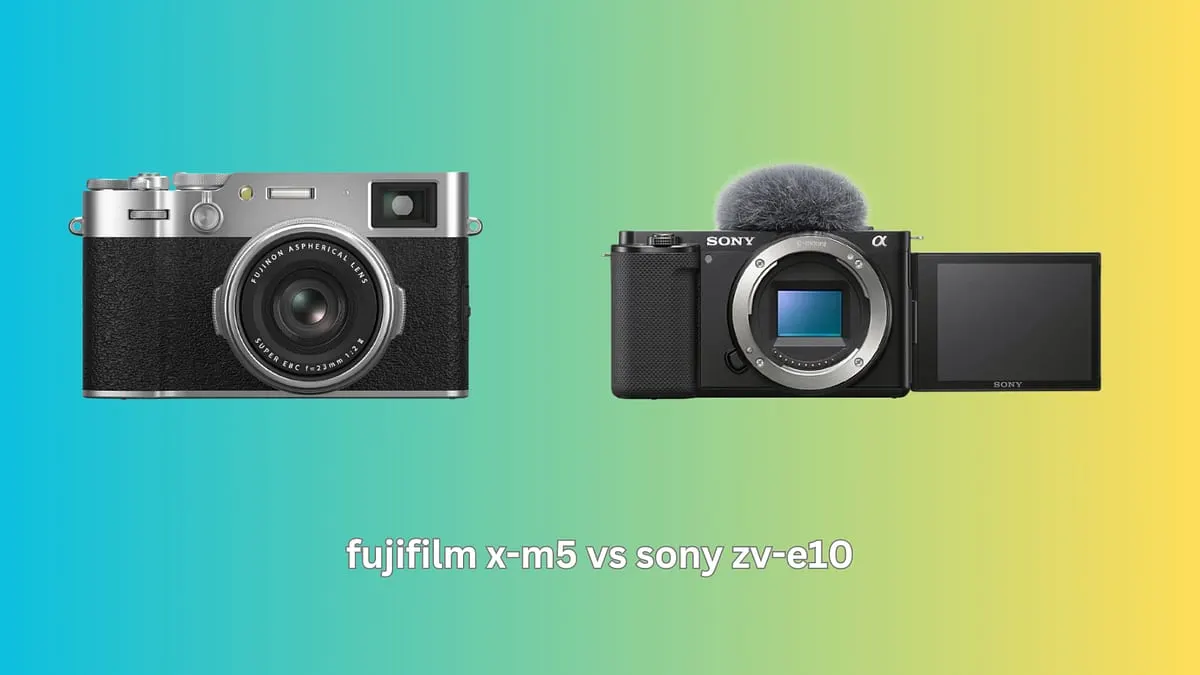
Fujifilm X-M5 vs Sony ZV-E10: A Tale of Two Cameras and a Passionate Photographer. What the Fujifilm X-M5 gets right, what it does not, and who should buy it.
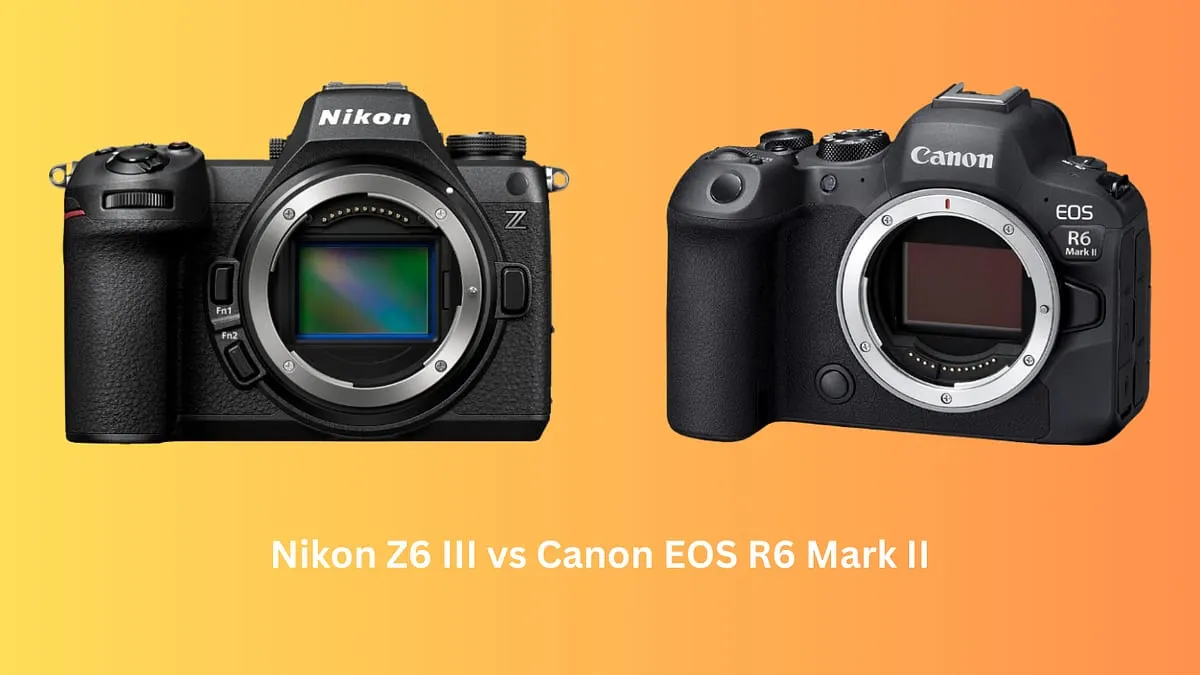
Nikon Z6 III vs Canon EOS R6 Mark II
Nikon Z6 III vs Canon EOS R6 Mark II: key differences in specs, autofocus, video and price, and which one suits you.
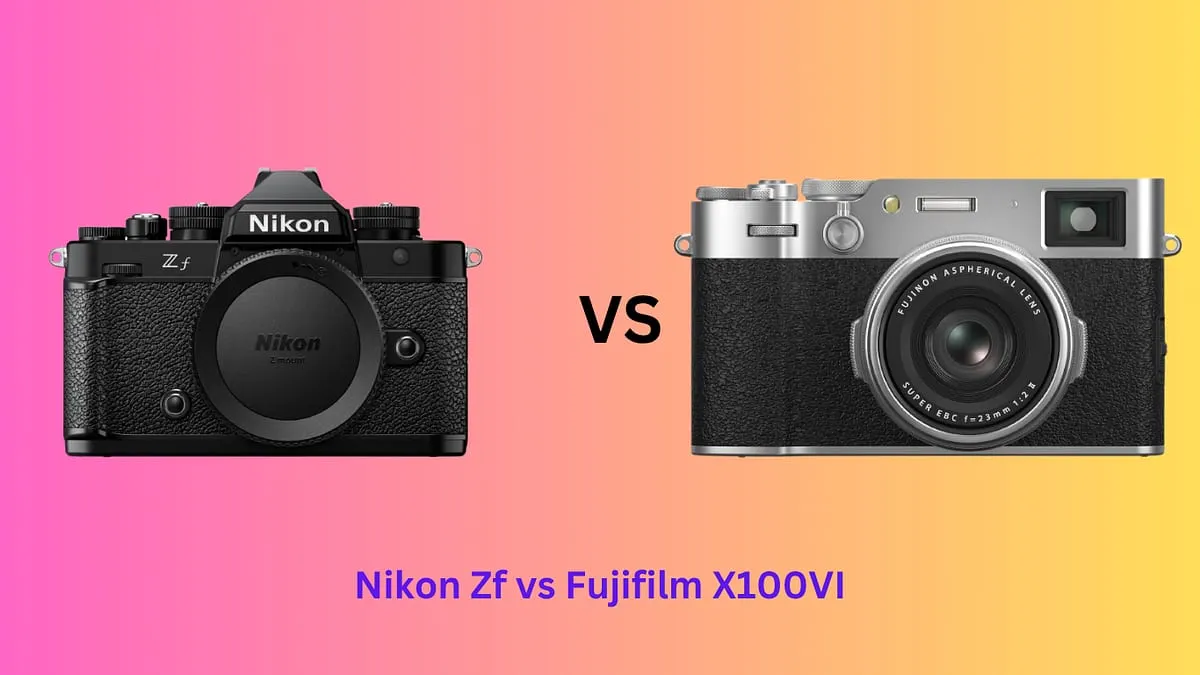
Nikon Zf vs Fujifilm X100VI
Nikon Zf vs Fujifilm X100VI compared — where each one wins, where it falls short, and who should buy which. Updated for 2026.
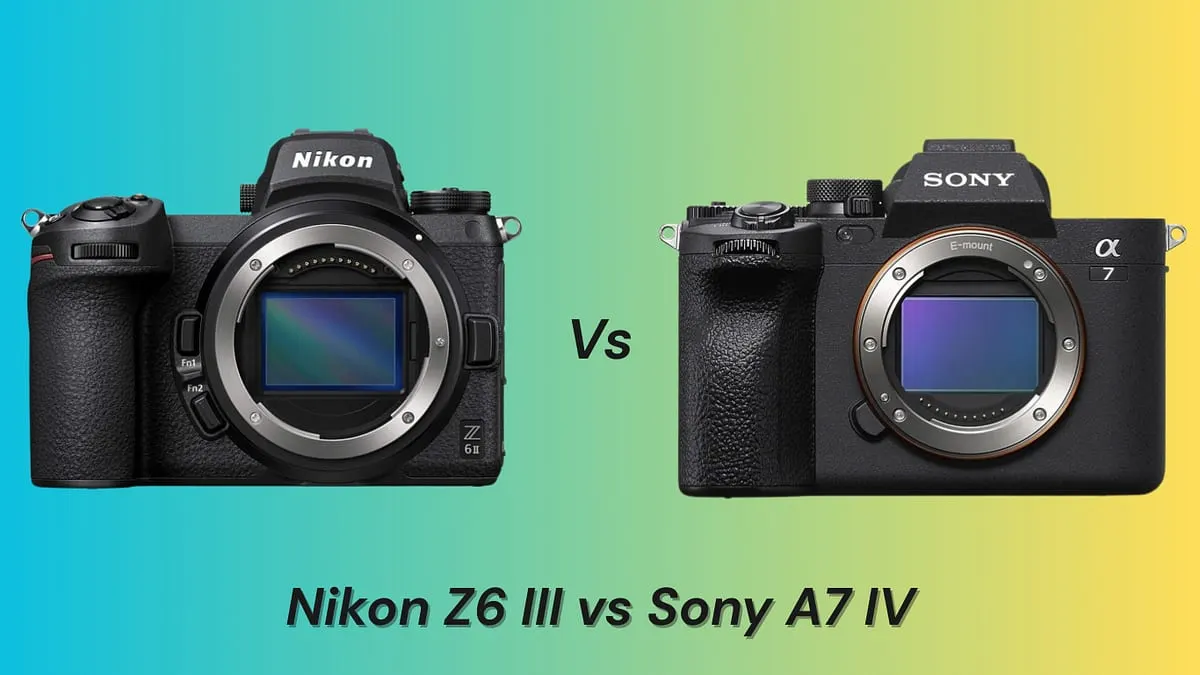
Nikon Z6 III vs Sony A7 IV
Nikon Z6 III vs Sony A7 IV compared — where each one wins, where it falls short, and who should buy which. Updated for 2026.