Best Compact Camera for Bird Photography
As an Amazon Associate we earn from qualifying purchases. Some links in this guide are affiliate links — see our affiliate disclosure for details.
Short answer: Which compact camera is best for bird photography?
The guide covers the Panasonic Lumix FZ2500, FZ1000 II, Canon PowerShot SX70 HS and Nikon Coolpix P1000 as long-zoom options. It also includes a 2026 update on the Sony RX10 line.
It started with a flash of impossible blue. High in the misty canopy of Costa Rica’s Monteverde Cloud Forest, a Resplendent Quetzal — a mythical creature made real — perched for a fleeting moment. Click. A tiny blue smudge lost in a sea of green.
The challenge felt insurmountable:
- Serious Reach: 400mm equivalent minimum. 600mm+ ideal for shy birds.
- Blazing Fast Autofocus: Birds are erratic missiles. AF needs to lock on instantly and track relentlessly.
- Rapid Burst Shooting: Capturing wingbeats and split-second action (10fps+).
- Survivable Image Quality: Cropping is inevitable; need a sensor/lens combo that holds detail.
- Travel-Friendly: NOT a massive DSLR and lens. But… truly pocketable? Probably not. “Compact” relative to birding rigs was the goal.
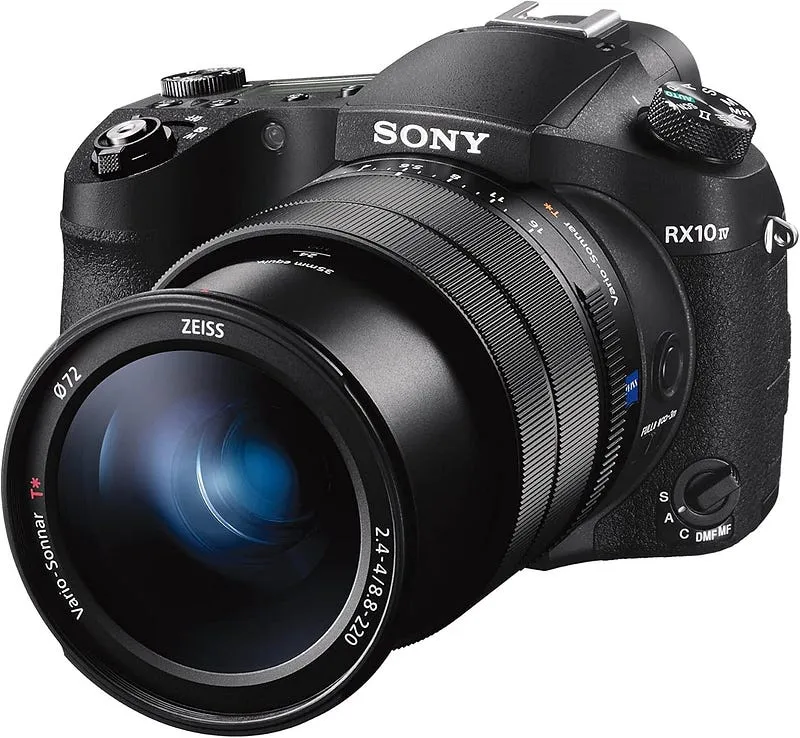
- The Unbeatable Lens: A Zeiss Vario-Sonnar T 24–600mm f/2.4–4 equivalent zoom. Read that again. 600mm. And it starts at f/2.4! This range is insane* in a single lens. From framing a toucan in a nearby tree to pulling in a distant hawk circling a volcano, it does it all.
- Autofocus from the Future: Borrowed from Sony’s pro Alpha cameras. 315 phase-detect points covering 65% of the frame. Real-time Tracking and Eye AF for Birds. This was revolutionary. Point it roughly near a bird, half-press, and it locks onto the eye, tracking it even through branches or during flight. Game. Changer.
- Speed Demon: 24fps burst shooting with full AF/AE tracking. No blackout viewfinder.
- The EVF & Handling: A large, bright electronic viewfinder is essential for tracking fast-moving birds against bright skies. The RX10 IV has a superb one. The grip is deep and secure, crucial when handholding at 600mm.
- Sensor & Stabilization: A 1-inch stacked sensor (same as RX100 VII) provides excellent quality for its size, especially at lower ISOs.
Costa Rica Redemption: Jungle Frames Captured
Back in Costa Rica, this time near Corcovado, the RX10 IV transformed the experience:
- Scarlet Macaw Fly-By: A raucous pair burst from the treeline over the beach. Swung the camera up, half-pressed as they filled the frame at 200mm, tracked them effortlessly to 400mm as they flew parallel. 24fps. Result? A sequence of tack-sharp, vibrant images against the blue sky, wings perfectly captured.
- The Patient Heron Hunt: Wading in a mangrove swamp at dawn. Spotted a Tricolored Heron stalking fish. Eye AF locked on its head. Shot bursts as it struck — freezing the splash and the catch perfectly. The f/4 aperture at full zoom was enough in the morning light.
- Hummingbird Ballet: At a lodge feeder. Set shutter speed priority (1/2000s). The AF tracked the insane darting movements of multiple hummingbirds. The burst captured emerald throats and blurred wings with stunning clarity.
- Surprise Owl Encounter: Hiking at dusk, a Mottled Owl silently landed on a branch close. Quickly zoomed to 400mm, max aperture f/4, ISO bumped to 3200. Eye AF grabbed it instantly. The stabilization allowed a sharp shot despite the low light and excitement. Grain? Present, but the detail was undeniable.
The Reality Check (It’s Not Magic):
- Size & Weight: It’s a chonker compared to an RX100. You need a small sling bag or dedicated space in your backpack. Forget pockets. This is “compact” only relative to DSLR kits.
- Sensor Limits: The 1-inch sensor is great, but at 600mm, especially in lower light or heavy crops, noise becomes noticeable. You won’t get the pristine ISO 6400 files of a full-frame birding rig. Manage expectations.
- Battery Vampire: Shooting bursts and using the EVF drains batteries FAST. Carry 3–4 spares on a long day.
Is the RX10 IV the Best Compact Birding Camera?
2026 Update: The RX10 IV Is Gone — But Its Successor Just Arrived
Then, in 2026, Sony reversed course entirely. The Sony RX10 V launched nearly a decade after the RX10 IV, reviving the series as one of the best premium bridge cameras for bird and wildlife photography you can buy today. It keeps the same beloved formula — the 20.1-megapixel 1-inch stacked sensor and the acclaimed 24–600mm f/2.4–4 Zeiss zoom — but Sony rebuilt almost everything around it, adding the newer BIONZ XR image processor paired with a dedicated AI processing unit lifted straight from the Alpha mirrorless line, plus a refreshed grip and control layout.
If you’re budget-conscious, a used RX10 IV is still an excellent — and now more affordable — way into this category.
For the unique combination of super-telephoto reach, pro-level AF tracking, high-speed shooting, and a body that fits in a small bag, the RX10 IV stands almost alone. It achieves what feels impossible: serious bird photography without a tripod and a separate lens bag.
Other Feathered Contenders (With Trade-offs):
- Panasonic Lumix FZ2500 / FZ1000 II: Offer long zooms (20x, 24–480mm eq.) at lower price points. Good video features. AF and burst speed significantly lag behind the Sony. Handling and EVF not as robust.
- Canon PowerShot SX70 HS: Massive optical zoom (65x, 21–1365mm eq.!!). Incredible reach on a budget. But… small sensor, slow lens (f/3.4–6.5), sluggish AF, and poor low-light performance. Best for bright light and static birds.
- Nikon Coolpix P1000: The “Hubble Telescope” compact (24–3000mm eq.). Mind-boggling reach. However, very bulky, tiny sensor, slow operation, poor high-ISO. More novelty than practical birding tool.
- Micro Four Thirds (Olympus OM-D E-M1 III + 100–400mm): A step up in image quality and speed. More flexible system. But the lens alone is larger than the entire RX10 IV, and the total cost is higher. Better IQ, less compact.
The Verdict: From Blurry Smudge to Frame-Worthy Feathers
The RX10 IV exorcised the ghost, and its 2026 successor, the RX10 V, keeps that legacy alive for a new generation of birders. It hasn’t made birding easy — patience and fieldcraft are still paramount — but it made it possible. Possible to capture the speed, the beauty, the intricate details of birds in the wild without needing a sherpa.
If you dream of capturing birds on your travels without dedicating a suitcase to gear:
- The Sony RX10 V is now the undisputed king of the “all-in-one” compact superzoom category for serious bird photography in 2026 — if your budget stretches that far.
- A used Sony RX10 IV remains a fantastic, more affordable entry point into this same lens-and-sensor formula.
- Need maximum reach over price and speed? The Nikon COOLPIX P1100 or P950 push zoom range further than anything else on this list.
- Stretch your budget the other direction? A Micro Four Thirds body like the OM System OM-1 Mark II paired with a 100–400mm-class lens offers a lighter, more capable step up, though less integrated than a bridge camera.
Don’t let distant wings stay blurry memories. Find your bridge to the birds. If you’re just starting your birding journey, don’t feel pressured to jump straight to the RX10 IV. Even entry-level superzooms can teach you the fundamentals of tracking and timing — the RX10 IV becomes worth it once you know exactly what you’re missing.



Written by
Marien CartelProfessional and Certified Digital Photographer born in the USA, with 22 years of experience in the field of photography.
Related Guides
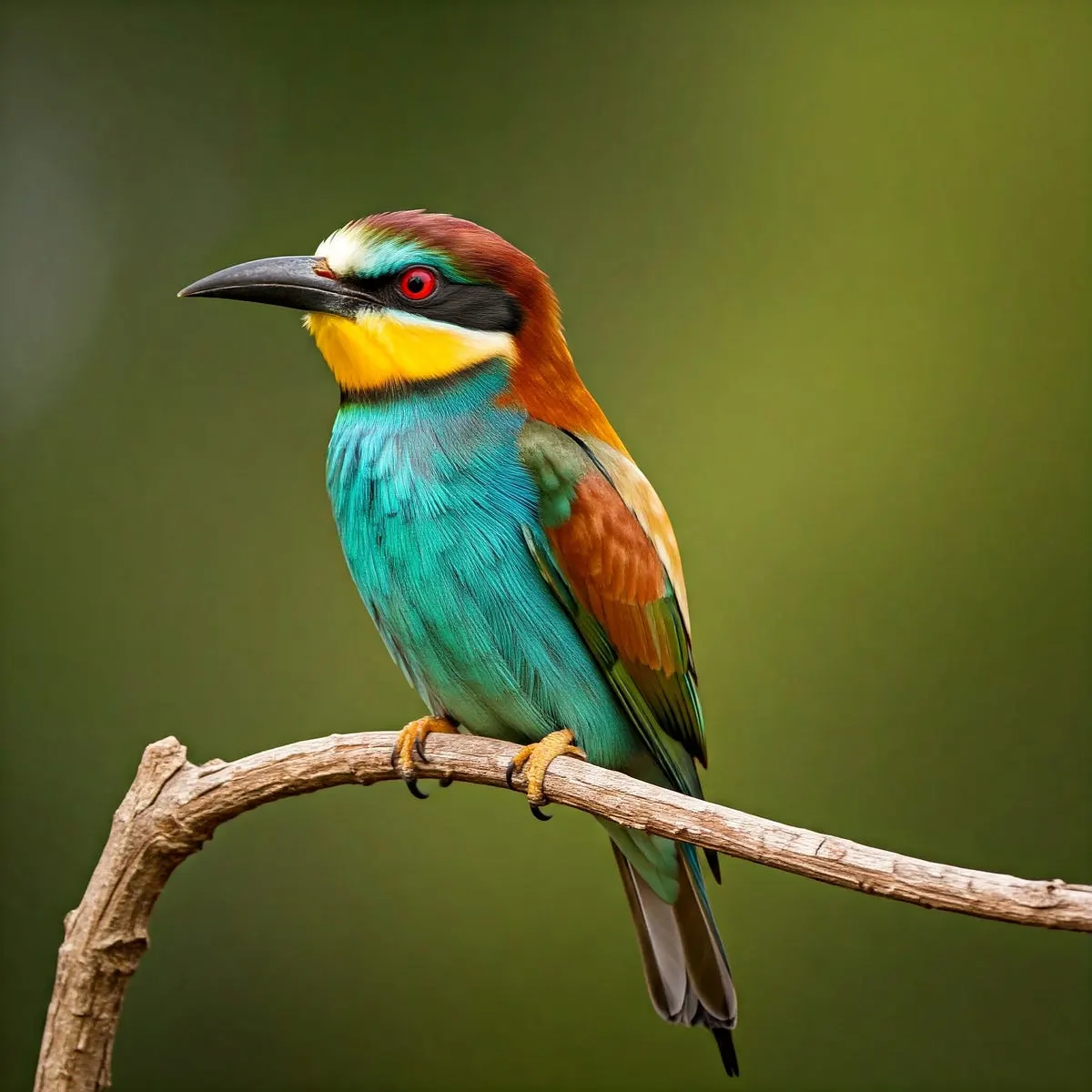
Best Cameras for Bird Photography: A Personal Journey
Best Cameras for Bird Photography: Sony A1, Canon R5 and Fujifilm X-T5 compared on features, price and who each one suits.

Best Affordable Compact Camera for Travel in 2026 (Under $500)
Best Affordable Compact Camera for Travel in 2026 (Under $500): Fujifilm XF10 and Sony RX100 III/IV/V compared on features, price and who each one suits.
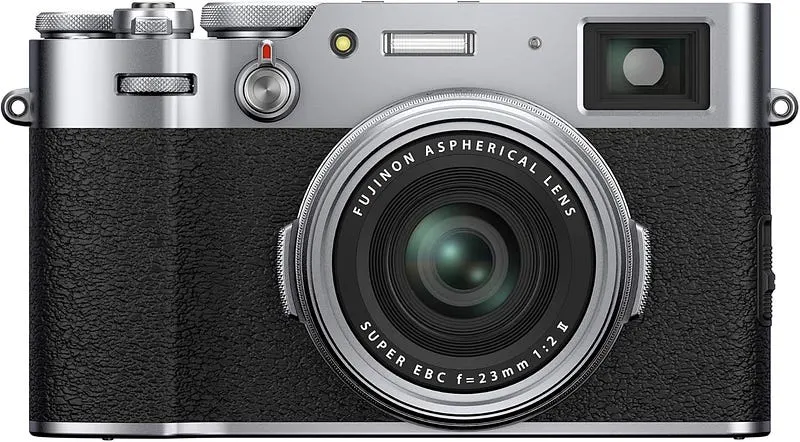
Best APS-C Compact Camera
The guide covers the Fujifilm X100V, its successor the X100VI, the Ricoh GR III and the GR IIIx.
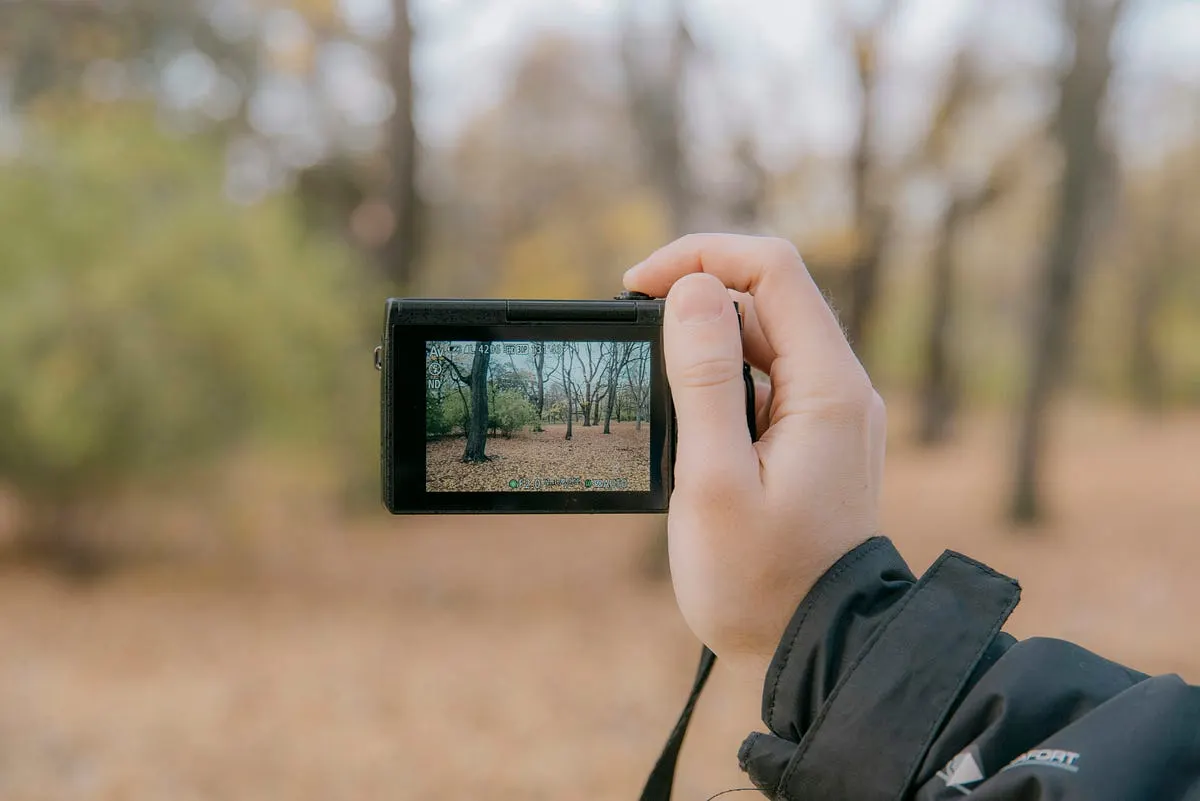
Best Compact Cameras for Street Photography
Best Compact Cameras for Street Photography — how Fujifilm X100 Series and Sony RX100 Series compare on features and price, and who each is best for.
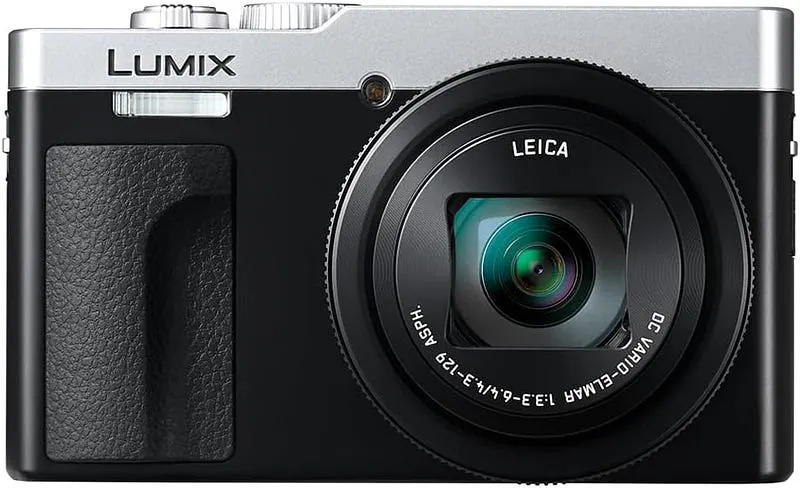
Best Panasonic Compact Cameras
Best Panasonic Compact Cameras — Panasonic Lumix ZS200D and Panasonic Lumix ZS99 compared, with pros, cons and who should buy which.

Best Compact Camera for Low Light
Best Compact Camera for Low Light — Sony RX100 VA/ and Panasonic Lumix LX100 II compared, with pros, cons and who should buy which.