Best Compact Camera for Low Light
As an Amazon Associate we earn from qualifying purchases. Some links in this guide are affiliate links — see our affiliate disclosure for details.
Short answer: Which compact camera is best for low light?
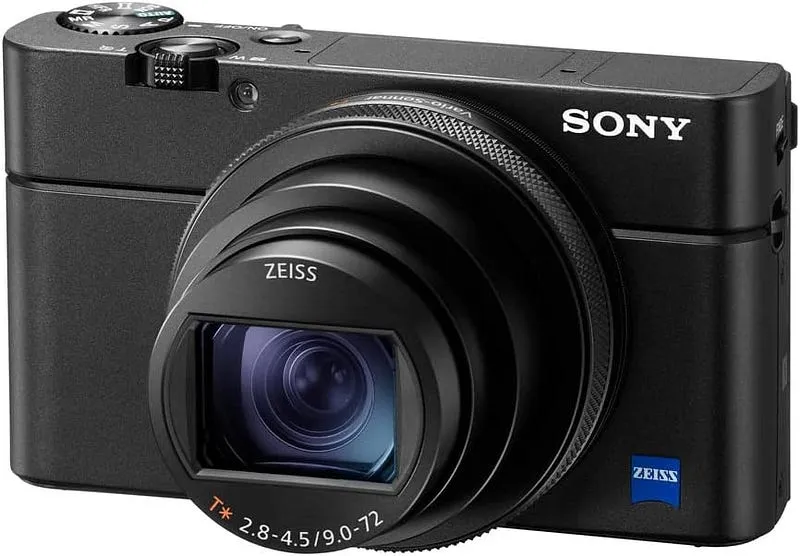
The guide says the Sony RX100 VII is its low-light pick and explains its trade-offs. It also looks at the Panasonic Lumix LX100 II, Canon PowerShot G7 X Mark III and Ricoh GR III.
The vibrant market stalls? Captured beautifully.
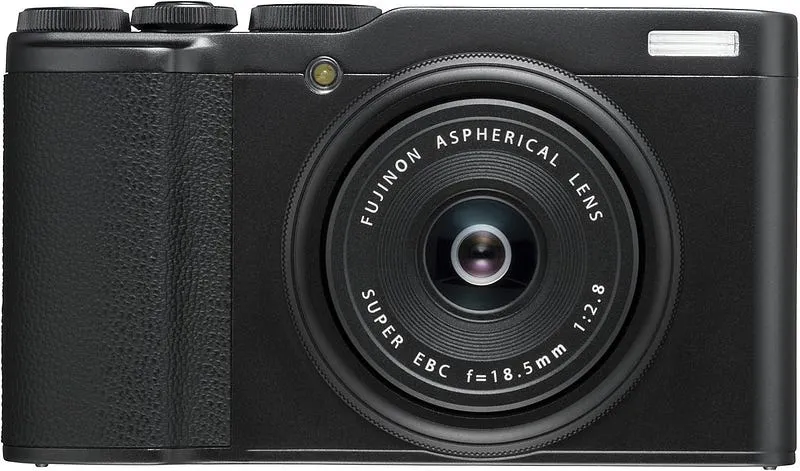
- Unbeatable Low Light Performance: Tackling dim interiors, vibrant night markets, and dusk without flash. Minimal noise, sharp results.
- Still Pocketable: Non-negotiable. No lugging a tripod or big lens.
- Fast & Accurate Autofocus: Capturing fleeting moments in challenging light.
- Budget-Conscious (Relatively): Understanding true low-light prowess commands a premium, but aiming for best value used.
Oaxaca Redux: Putting the Night Warrior to Work
- The Night Market Ballet: Underneath a canopy of bare bulbs, vendors moved like dancers. The RX100 VII’s AF tracked them flawlessly.
- Mezcal Magic in a Dim Cantina: Candlelit tables, thick smoke, a lone guitarist. Eye AF locked on instantly. At f/1.8 and ISO 3200, the shot was clean, atmospheric, and captured the mood perfectly — no flash needed, no moment lost to AF hunting.
- Monte Albán at Sunset: As the sun dipped below the ancient Zapotec pyramids, the long shadows deepened rapidly. The RX100 VII’s dynamic range held onto the dramatic sky while pulling detail from the stone structures.
- Fire Dancers on the Street: Sudden bursts of flame in near darkness?
The Trade-offs (Reality Check)
- The Price: Even used, the RX100 VII (or Mark VI/V) commands a premium ($700-$900+ used). This was a significant jump from the XF10. You’re paying for cutting-edge tech crammed into a tiny body.
- Sensor Size vs. APS-C: While the tech is superb, the 1-inch sensor can’t quite match the ultimate low-light purity and depth-of-field control of a larger APS-C sensor (like in the Fuji) if that APS-C sensor has an equally fast lens (which most compacts don’t!).
- Menu Maze: Sony menus are notoriously complex. Not as intuitive out-of-the-box as Fuji.
- Battery Life: Still demands spares. Heavy use, especially with EVF, drains it fast.
Is the RX100 VII the Undisputed Low Light King? (For Compacts)
For its combination of pocketability, AF speed, stabilization, and a fast zoom lens, the RX100 VII (and its siblings Mark V and VI) is incredibly hard to beat. It simply gets shots in near darkness that other compacts struggle with, reliably and quickly.
Other Low Light Gladiators Worth a Look
- Sony RX100 VA/V/VI: Older Marks offer similar sensors and fast lenses (VA has the f/1.8–2.8 lens of the VII). VI has the incredible zoom reach but a slower f/2.8–4.5 lens — better reach, slightly less low-light prowess than the f/1.8 models. Great used values.
- Panasonic Lumix LX100 II: Larger Micro Four Thirds sensor (better than 1-inch!) and a fast Leica f/1.7–2.8 lens. Excellent manual controls, great image quality. Slightly bulkier, and AF not quite as magical as Sony’s. A fantastic sensor/aperture combo.
- Canon PowerShot G7 X Mark III: Another 1-inch contender with a fast f/1.8–2.8 lens. Great colors, simpler interface than Sony, excellent for vlogging too. AF and stabilization not quite Sony/Panasonic level, but very capable.
- Ricoh GR III (with Caveats): APS-C sensor in an ultra-compact body! Amazing image quality potential. Needs very steady hands or high ISO in low light. Best for static scenes or high-ISO tolerance.
The Verdict: From Frustration to Fearless Nights
Freedom from the “maybe next time” feeling when a perfect moment emerged from the shadows.
Yes, it costs more. But the ability to reliably capture the atmosphere, the emotion, and the fleeting beauty of the night — moments that used to vanish into the gloom or become noisy disappointments — is priceless.
If you crave stunning low-light travel shots without a backpack full of gear, look hard at:
- A used Sony RX100 VA, V, VI, or VII (for the ultimate combo of speed, AF, stabilization, and a fast lens in a pocket).
- A used Panasonic Lumix LX100 II (for larger sensor + fast lens magic in a still-compact form).
Don’t let the dark dictate your memories. Find your pocket-sized night vision, and go chase those shadows. It’s already packed, ready for the next city that comes alive when the sun goes down.





Written by
Marien CartelProfessional and Certified Digital Photographer born in the USA, with 22 years of experience in the field of photography.
Related Guides

7 Best DSLR Camera for Low Light Video: (Guide & Reviews)
Best DSLR Camera for Low Light Video — how Nikon D780, Canon EOS 90D and Nikon D500 compare on features and price, and who each is best for.
10 Best Professional Video Camera for Low Light: (Guide & Reviews)
Best Professional Video Camera for Low Light — how Canon EOS R6, Canon R3 and Sony A7R IV compare on features and price, and who each is best for.

Best Low Light 4k Video Camera: (Guide & Reviews)
Best Low Light 4k Video Camera — Sony A7 IV, Panasonic LUMIX GH5 II and Fujifilm X-S10 compared, with pros, cons and who should buy which.
Best Camera for Low Light
Best Camera for Low Light: Canon EOS R50, Sony a7S III and Canon EOS R6 compared on features, price and who each one suits.

Best Lenses for Low Light Photography
Best Lenses for Low Light Photography: Canon EF 50mm f/1.8 STM and Sigma 50mm f/1.4 DG HSM compared on features, price and who each one suits.
Best Compact Cameras for Street Photography
Best Compact Cameras for Street Photography — how Fujifilm X100 Series and Sony RX100 Series compare on features and price, and who each is best for.