Best Camera Lens for Everyday Use
As an Amazon Associate we earn from qualifying purchases. Some links in this guide are affiliate links — see our affiliate disclosure for details.
Short answer: Which lens is best for everyday photography?
A 35mm f/1.4 prime is a strong all-round everyday lens: it is wide enough for street scenes and rooms, narrow enough for family portraits, and bright enough for dim cafes and evenings. If a prime feels too restrictive, a 24-70mm f/2.8 zoom is the professional workhorse (heavier), a 24-105mm f/4 adds reach for travel, and a 50mm f/1.8 is the cheaper prime. The right choice depends on the camera system, the budget and how much weight is acceptable.
Affiliate note: This post has affiliate links. If you buy through them, the site may earn a small commission at no extra cost to you.
What does an everyday lens need?
- A flexible field of view. It should handle people, streets, rooms and landscapes.
- A wide aperture. It allows low-light shots without high ISO noise.
- Light weight. A lens that is easy to carry gets used.
- Sharp results. Good image quality at common apertures.
- Reasonable cost. An everyday lens should be affordable enough to leave on the camera.
Go-to lens: the 35mm f/1.4
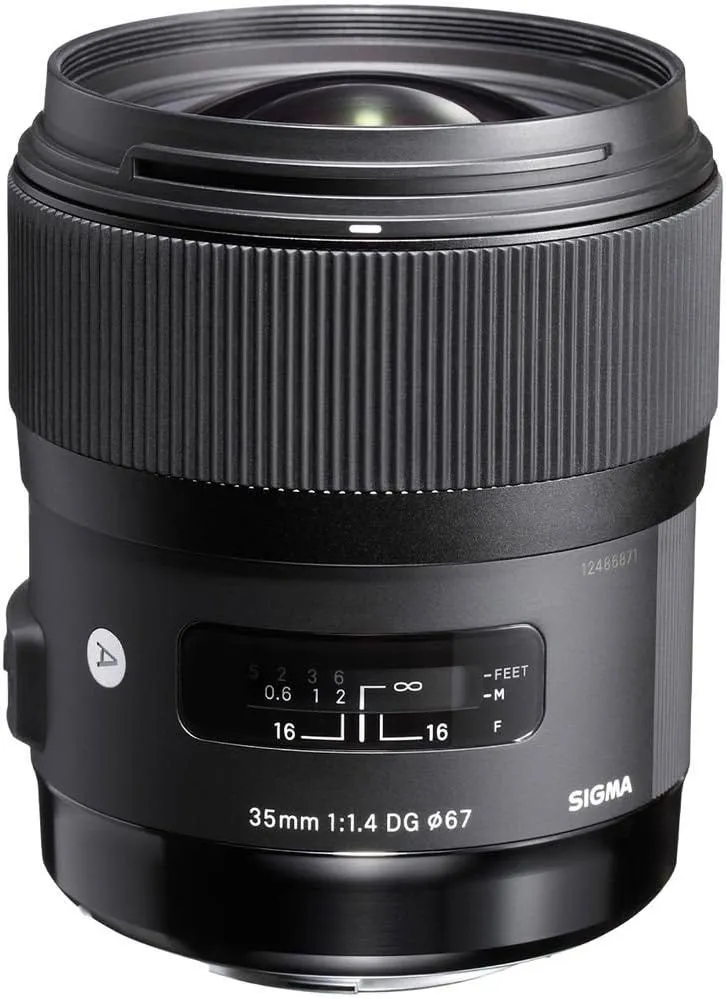
A 35mm f/1.4 lens is a favourite for everyday photography.
- Versatility. From environmental portraits to street scenes, family moments and food, the focal length handles most subjects.
- Low-light performance. An f/1.4 aperture suits dimly lit cafes, evening cityscapes and indoor gatherings, with less grain than a slower lens.
- Background blur. The wide aperture separates subjects from the background, even though 35mm is not a traditional portrait length.
- Natural view. It frames close to how people see a scene while walking around.
On an APS-C camera, a 35mm lens frames like about 52mm on full frame, so choose a 23mm or 24mm lens for the same view as 35mm on full frame.
Alternatives for flexibility
If a prime feels restrictive, consider these everyday zooms:
- 24-70mm f/2.8 — the professional workhorse with a constant bright aperture, but heavy.
- 24-105mm f/4 — great for travel, with extra reach and a lighter build.
- 50mm f/1.8 — a cheaper, sharp prime and a good place to start.
Photo by Anna Storsul on Unsplash
How do the options compare?
| Lens | Strength | Trade-off |
|---|---|---|
| 35mm f/1.4 | Low light and versatility | Larger and costlier than slower primes |
| 24-70mm f/2.8 | Range and bright aperture | Heavy and expensive |
| 24-105mm f/4 | Reach and travel use | Slower aperture |
| 50mm f/1.8 | Low cost and sharpness | Fixed focal length |

Photo by Max Sandelin on Unsplash
How to choose
- Pick the focal length first. 35mm suits street and family life; 24-70mm suits varied work; 50mm suits portraits.
- Match the camera. Mirrorless and DSLR systems each have their own lenses. See the best lens for mirrorless cameras.
- Consider weight. A lighter lens means the camera is more often with you. See the best walk-around lens for Nikon and the best travel lens for Sony full frame.
- Compare prime and zoom. The guide to prime vs zoom lenses lays out the trade-offs.
Photo by Navdeep Panwar on Unsplash
Frequently asked questions
Is 35mm or 50mm better for everyday use? 35mm shows more of the scene and suits street and indoor use. 50mm is tighter and better for portraits.
Is a zoom better than a prime for everyday use? A zoom is more flexible, and a prime is lighter and brighter. Many people carry both.
What aperture do I need? f/1.8 to f/2.8 is bright enough for most indoor and evening shots.
Does the 35mm focal length work on APS-C cameras? Yes, but it frames closer, like a 50mm lens on full frame.
Written by
Marien CartelProfessional and Certified Digital Photographer born in the USA, with 22 years of experience in the field of photography.
Related Guides
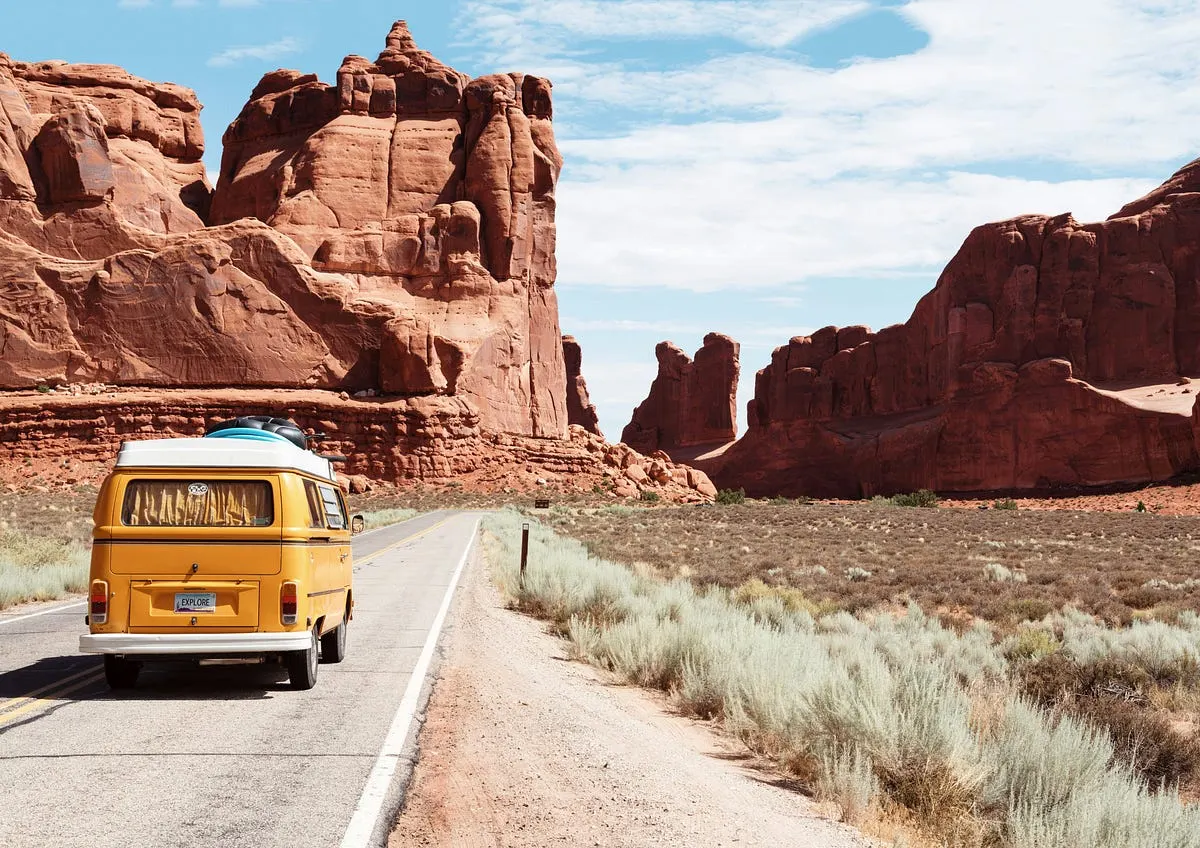
What camera do you use for travel photography?
The guide's main camera is the Sony A7C, and it describes a full travel kit including a Peak Design Everyday Backpack.

Turning Everyday Adventures into a Photography Project
Finding Magic in the Mundane: A Photographer’s Journey Through Daily Life
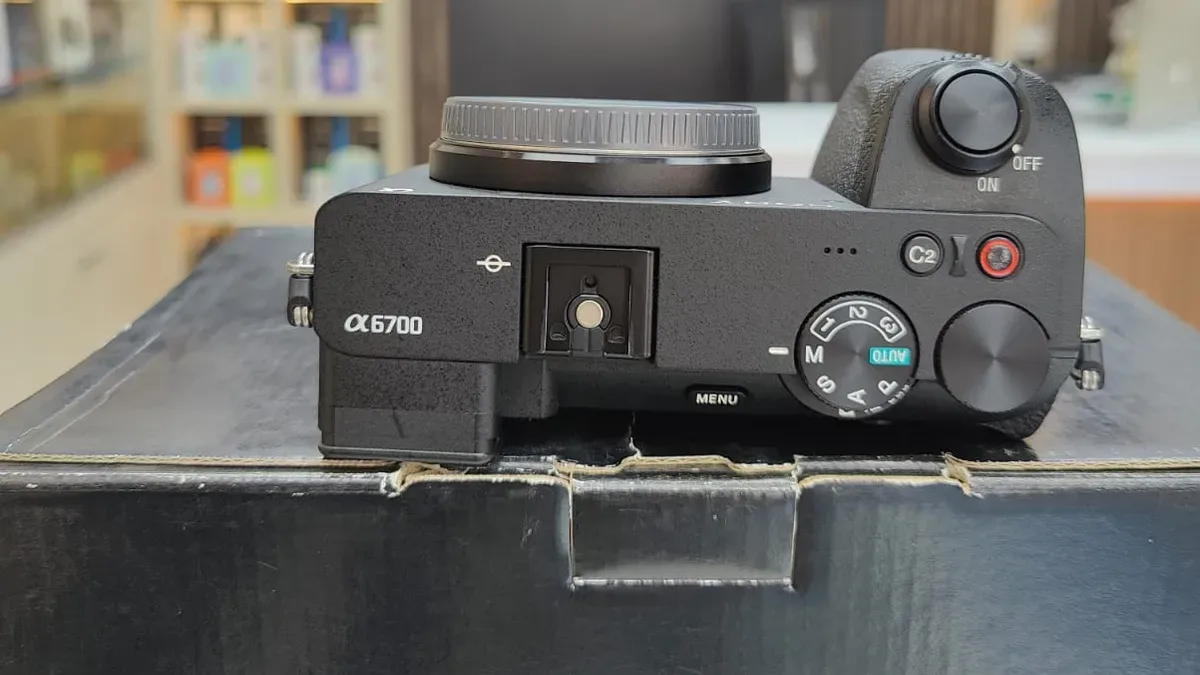
Which Camera Shooting Mode Should You Use? Auto, P, A, S and M Explained
Auto, Program, Aperture Priority, Shutter Priority and Manual: what each mode controls, what you still set yourself, and how to choose one for a shot.
what camera do you use for travel photography
The guide says the best travel camera is the one that inspires you to shoot, from a compact point-and-shoot to a professional DSLR.
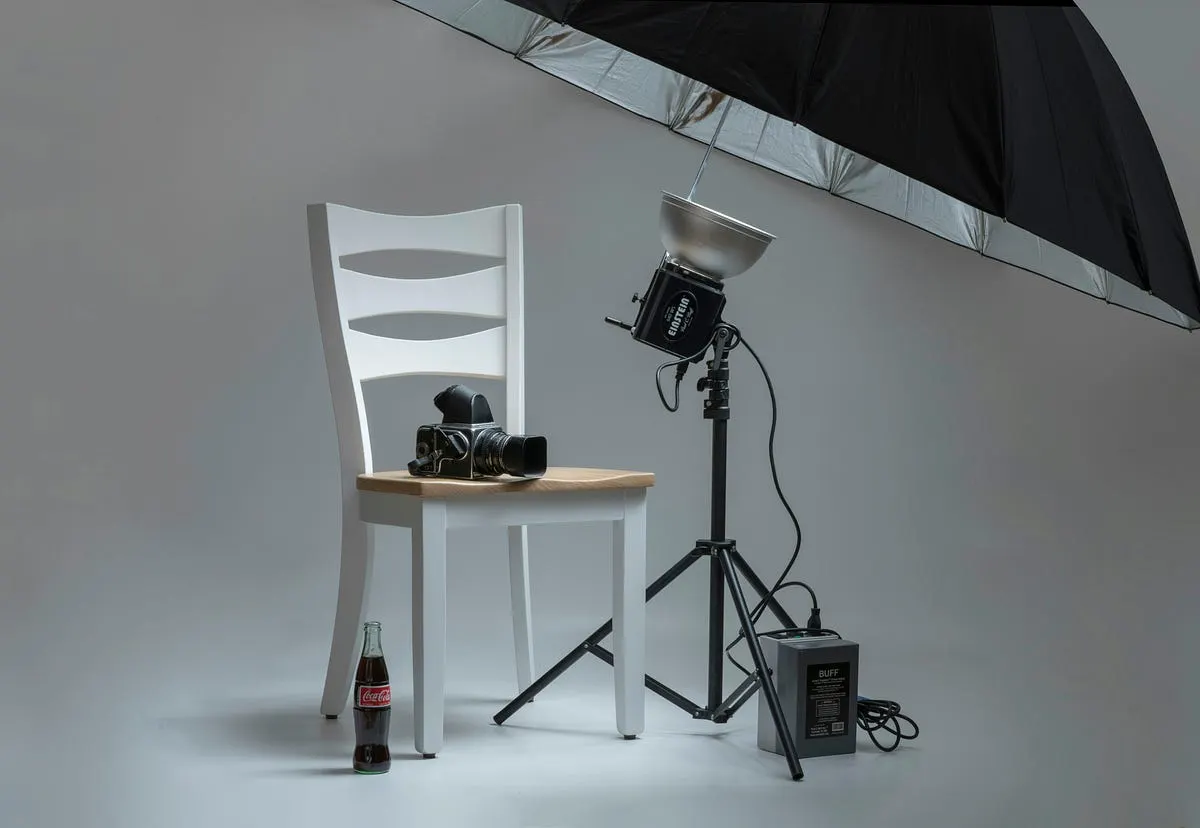
Best Lenses for Studio Photography
Best Lenses for Studio Photography: what to look for, what to skip and how to choose the right one for your budget.
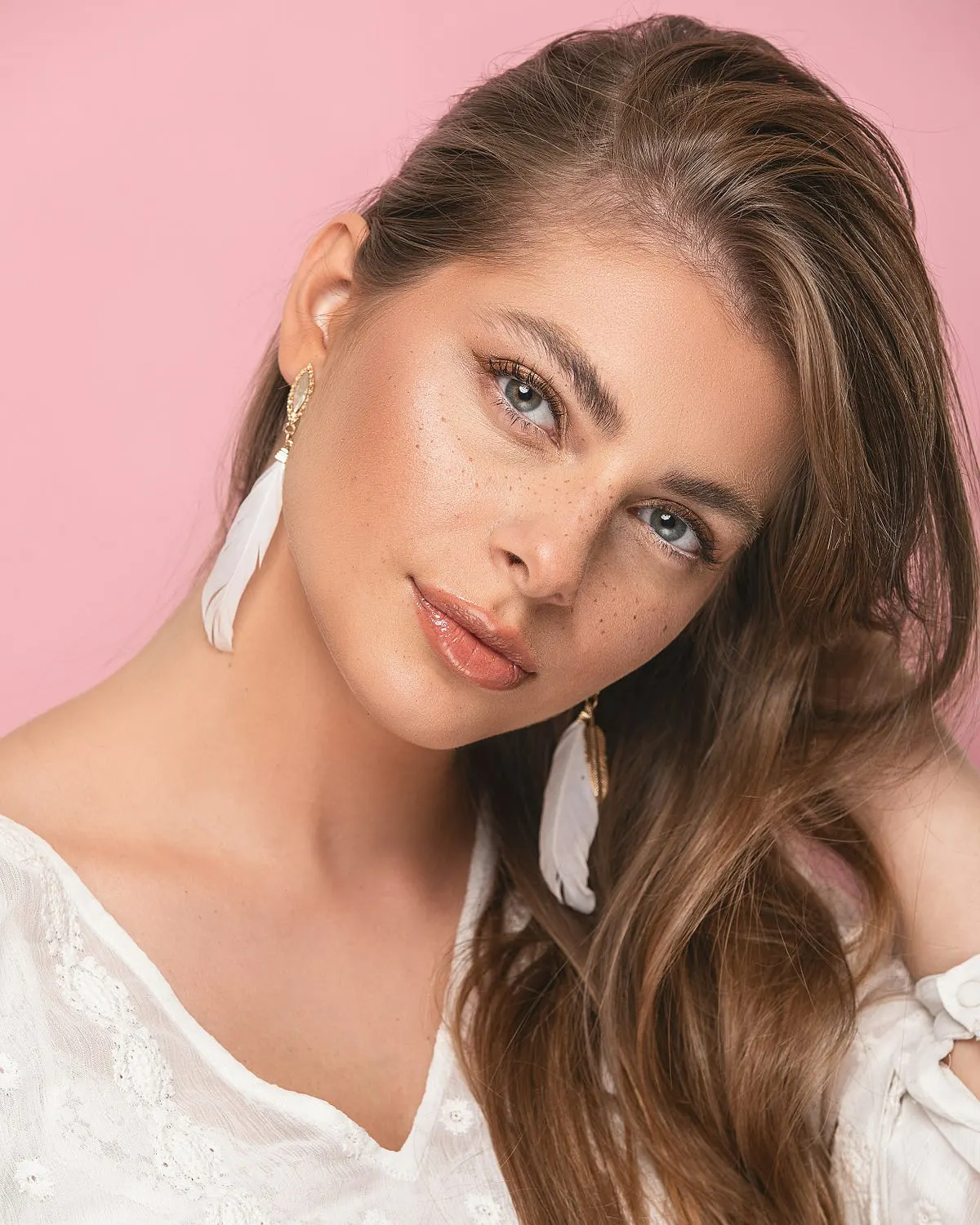
Best Lens for Portraits Canon
The Lens That Sees Your Soul: Finding the Right Canon for Portraits. What the Canon EF 50mm f/1.4 USM gets right, what it does not, and who should buy it.