Best Camera For Long Exposure Photography
As an Amazon Associate we earn from qualifying purchases. Some links in this guide are affiliate links — see our affiliate disclosure for details.
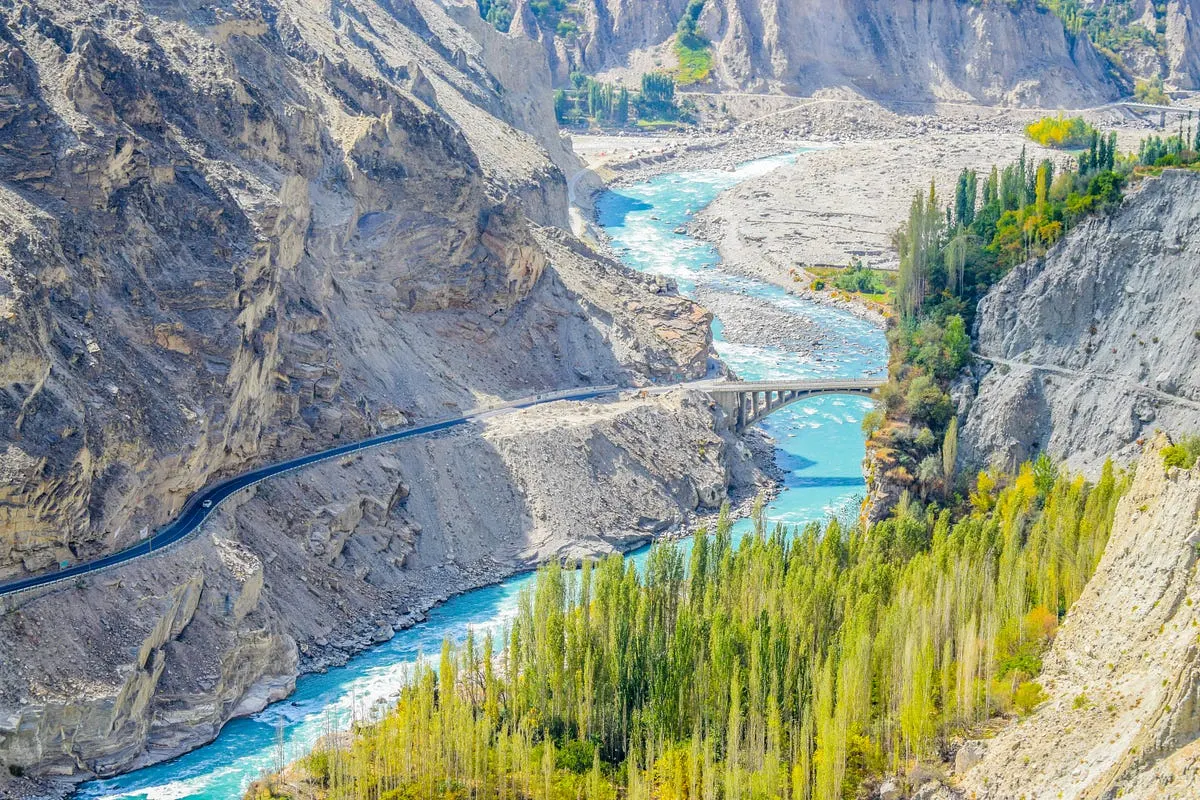
Photo by Mehtab Farooq on Unsplash
Short answer: Which camera is best for long exposure photography?
The guide says full-frame mirrorless or DSLR cameras from Canon, Nikon and Sony are typically best, because they offer low-light performance, manual control and a bulb mode for extended exposures.
For long exposure photography, the best cameras are typically full-frame mirrorless or DSLR cameras from brands like Canon, Nikon, and Sony, as they offer excellent low-light performance, manual controls over shutter speed, aperture, and ISO, and usually have “bulb” mode for extended exposures; models like the Canon EOS 5D Mark IV, Nikon Z6, and Sony Alpha a7 III are popular choices.
Key factors to consider for long exposure photography:
- Low-light performance:
Crucial for capturing details in low-light situations, especially when using longer shutter speeds.
- Manual controls:
Ability to precisely adjust shutter speed, aperture, and ISO is essential for long exposure photography.
- Bulb mode:
Allows you to keep the shutter open for extended periods of time.
- Image quality:
Full-frame sensors generally produce better image quality with less noise at high ISOs, which is important for long exposures.
3 Best Camera For Long Exposure Photography
- Canon EOS 5D Mark IV — View on Amazon
- Nikon Z6 — View on Amazon
- Sony Alpha a7 III — View on Amazon
Long exposure photography. It’s a bit like magic, isn’t it? Turning rushing waterfalls into silken ribbons, blurring bustling city streets into ethereal streaks of light, and capturing the swirling dance of the stars. But getting those breathtaking shots?
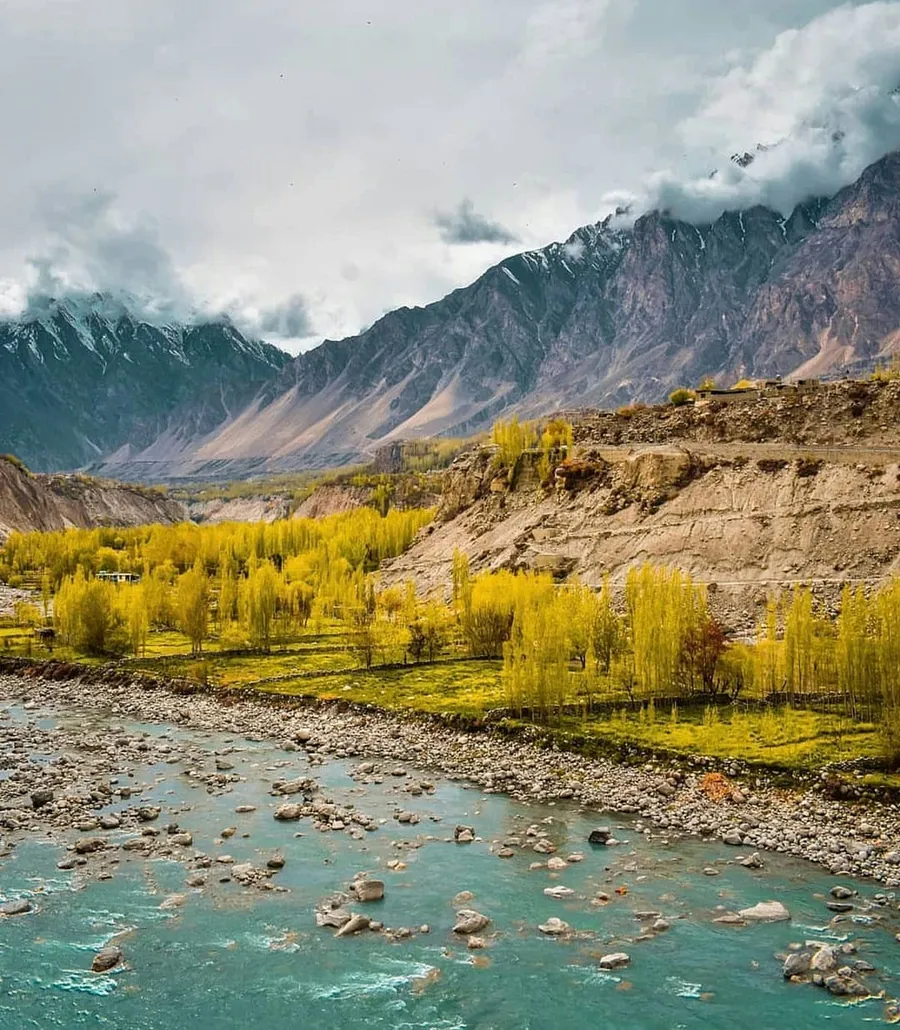
Photo by Shakeel Ahmad on Unsplash
-
Manual Control: Crucial for setting long shutter speeds and adjusting aperture and ISO.
-
Low Light Performance: Essential for capturing clean images in dimly lit environments.
-
Bulb Mode: Allows for shutter speeds longer than the camera’s built-in maximum.
-
Durability and Weather Sealing: Especially important for shooting in unpredictable conditions.
-
Noise Performance: The ability to keep noise minimized during long exposures.
-
A good tripod: This is not a camera but an essential part of long exposure photography.
-
Practice is key: Long exposure photography requires patience and experimentation. Don’t be afraid to make mistakes.
-
Invest in a good tripod: A stable tripod is essential for sharp long exposure images.
-
ND filters are your friend: They allow you to use longer shutter speeds in bright light.
-
Remote shutter release: This minimizes camera shake, leading to sharper images.
-
Post-processing is your friend: a little editing can bring out the best in your long exposure images.
The camera market is constantly evolving.
- Mirrorless Cameras: They often offer better low-light performance and advanced features.
- Full-Frame Sensors: Provide superior image quality and dynamic range.
- Improved IBIS (In-Body Image Stabilization): Newer cameras are offering very good IBIS, which can help in some long exposure situations.
Ultimately, the best camera for long exposure photography is the one that fits your budget and meets your specific needs. Don’t be afraid to experiment, learn from your mistakes, and most importantly, have fun!
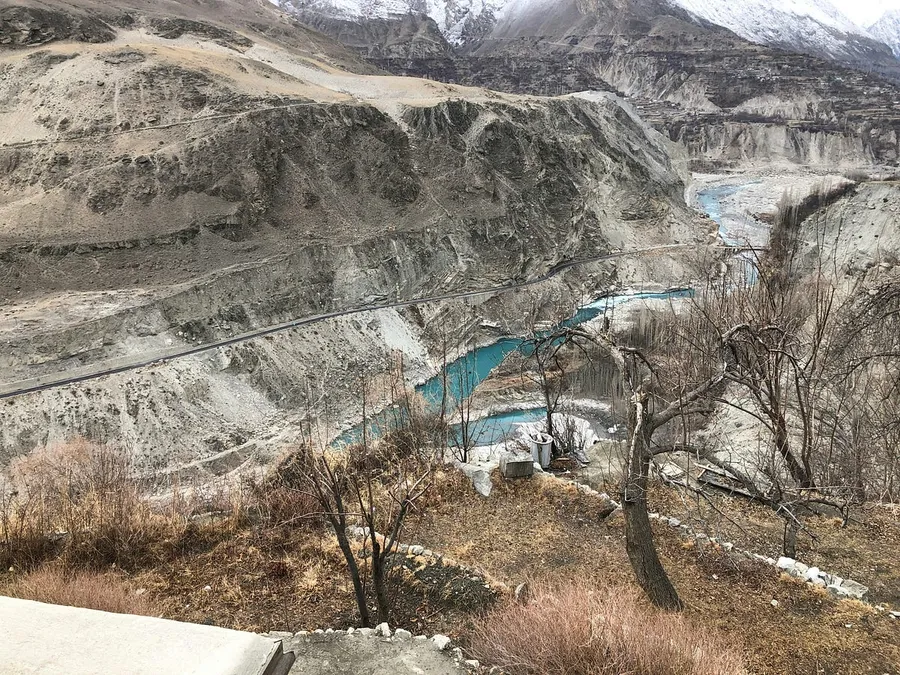
Photo by Muhammad Sajid on Unsplash
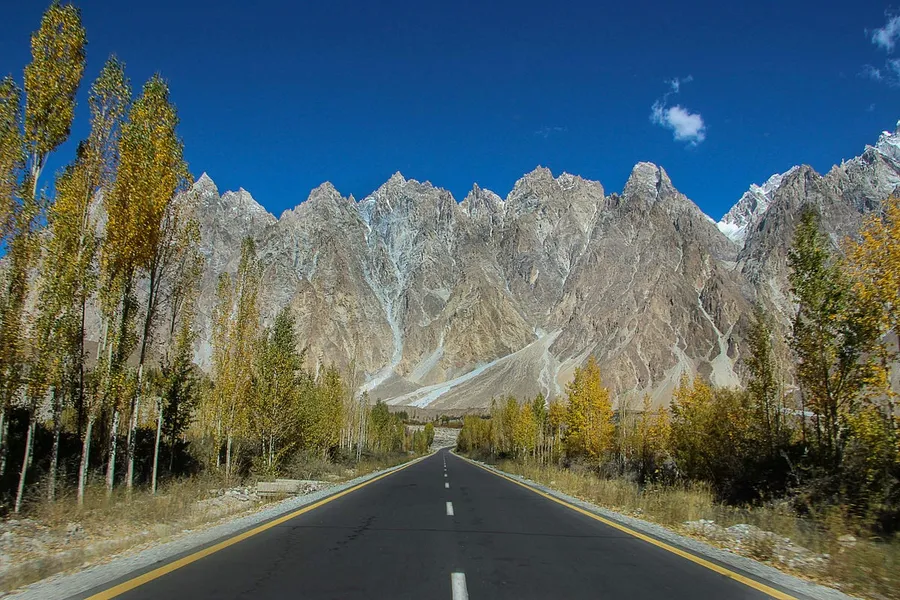
Photo by Muhammad Asif on Unsplash
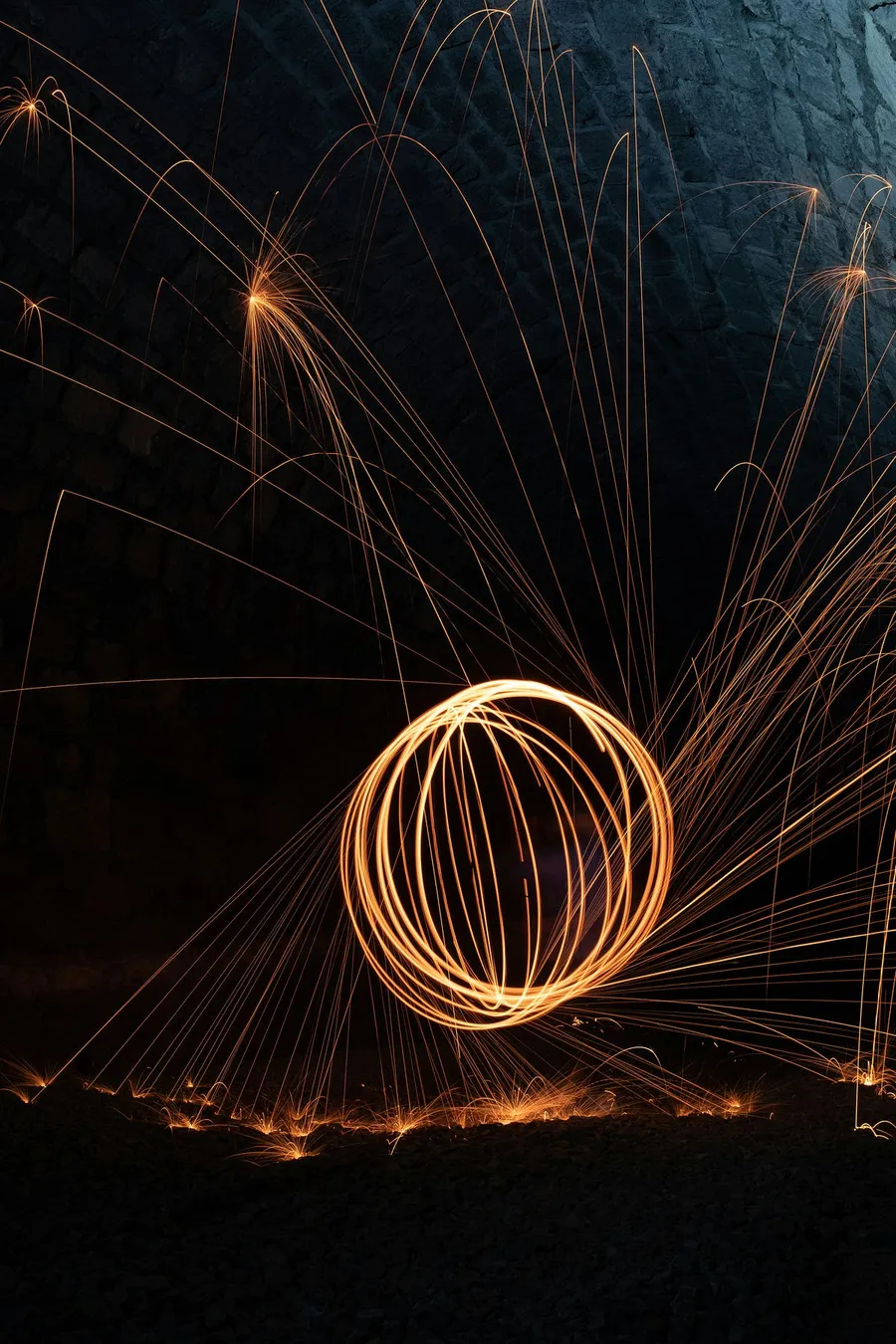
Photo by Thomas Peham on Unsplash
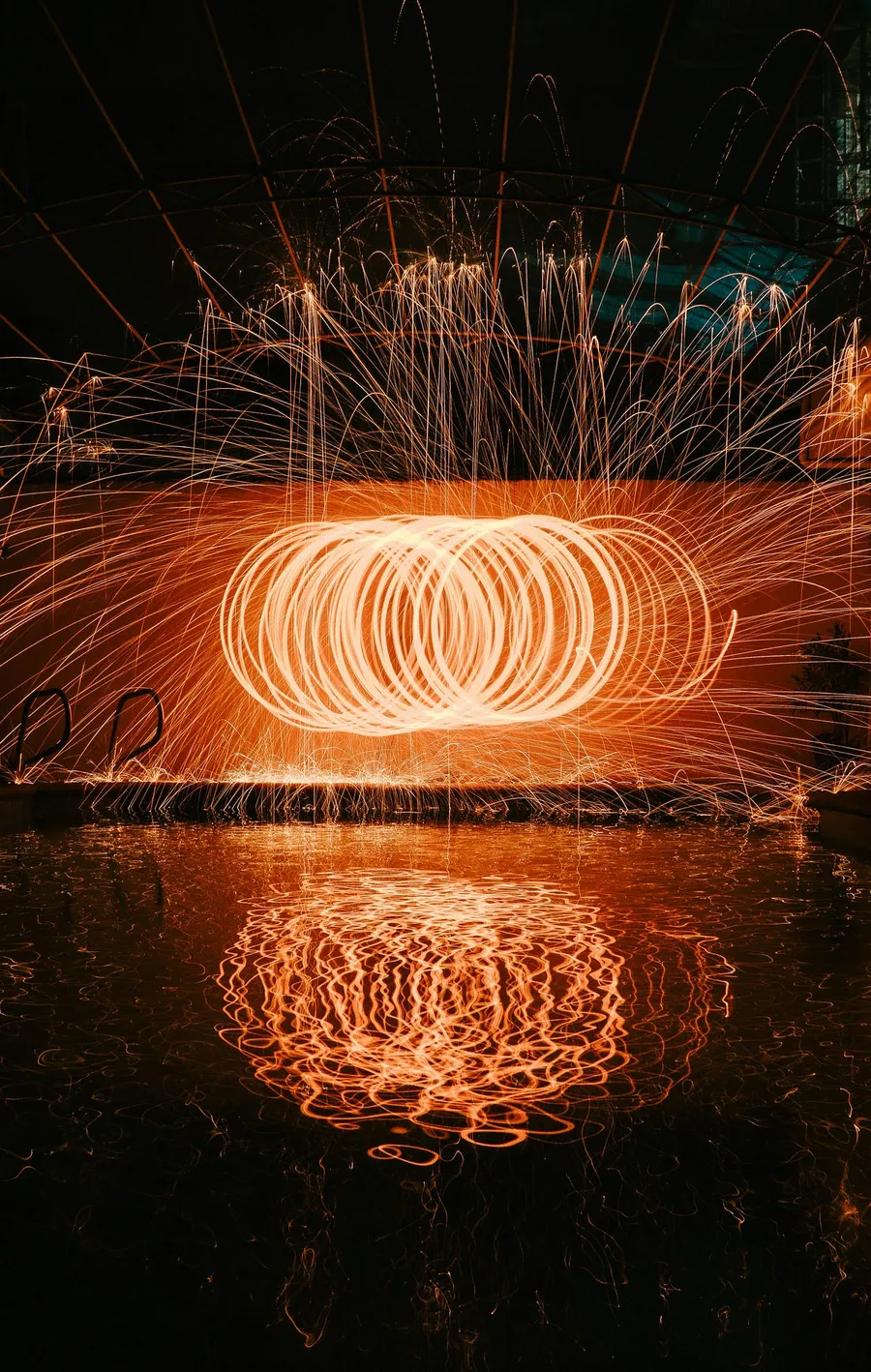
Photo by Kathleen Mae Cuevas on Unsplash
Written by
Marien CartelProfessional and Certified Digital Photographer born in the USA, with 22 years of experience in the field of photography.
Related Guides
Best Camera for Long Video Recording
Best Camera for Long Video Recording — how Sony A7 IV, Panasonic GH5 II and Canon EOS R6 Mark II compare on features and price, and who each is best for.
Best Camera for Long Distance Photography
Best Camera for Long Distance Photography: Nikon Coolpix A1000 and Panasonic Lumix FZ1000 II compared on features, price and who each one suits.
Best Camera for Moon Photography
Best Camera for Moon Photography: Canon EOS R5, Nikon P1000 and Sony Alpha a7R IV compared on features, price and who each one suits.
Best Camera for Northern Lights
The guide lists the Sony A7S III, Nikon Z6 II, Canon EOS R6, Sony A7 IV and Nikon Z7 II. It also covers the essential gear and tips for photographing auroras.
Aperture, Shutter Speed and ISO: The Exposure Triangle, Properly Explained
The triangle is taught as three equal controls. It isn't — each one has a side effect, and the side effect matters more than the brightness. Here's how to choose.
Best Compact Camera for Low Light
Best Compact Camera for Low Light — Sony RX100 VA/ and Panasonic Lumix LX100 II compared, with pros, cons and who should buy which.