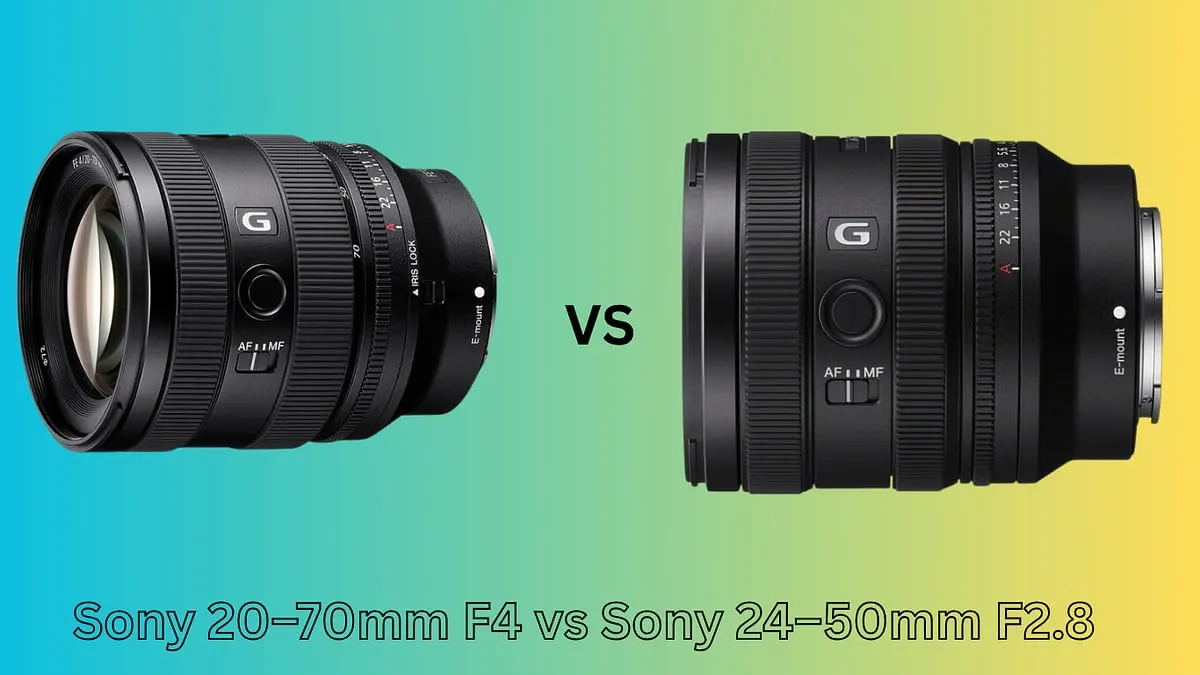
Sony 20–70mm F4 vs 24–50mm F2.8
As an Amazon Associate we earn from qualifying purchases. Some links in this guide are affiliate links — see our affiliate disclosure for details.
Short answer: Should you buy the Sony 20-70mm f/4 or the 24-50mm f/2.8?
The guide's author chose the 20-70mm f/4 for its range after downsizing from a 24-70mm f/2.8. The 24-50mm f/2.8 trades range for a faster aperture, so the choice is speed versus range.
Affiliate note: This post has affiliate links. If you buy through them, I might earn a small commission (at no extra cost). That helps me keep sharing my honest photography experiences, much love if you support!
The Contenders: A Tale of Two Philosophies
On one side, you have the Sony 24–50mm f2.8 G. It’s the speed demon. A constant f2.8 aperture in a package so small and light it feels like a prime lens. It promises beautiful background blur (bokeh) and excellent low-light performance.
On the other, the Sony 20–70mm f4 G. It’s the range master. It starts at an ultra-wide 20mm, wider than almost any standard zoom, and still pulls back to a very useful 70mm. It sacrifices a stop of light (f4 vs f2.8) to give you an incredible field of view.
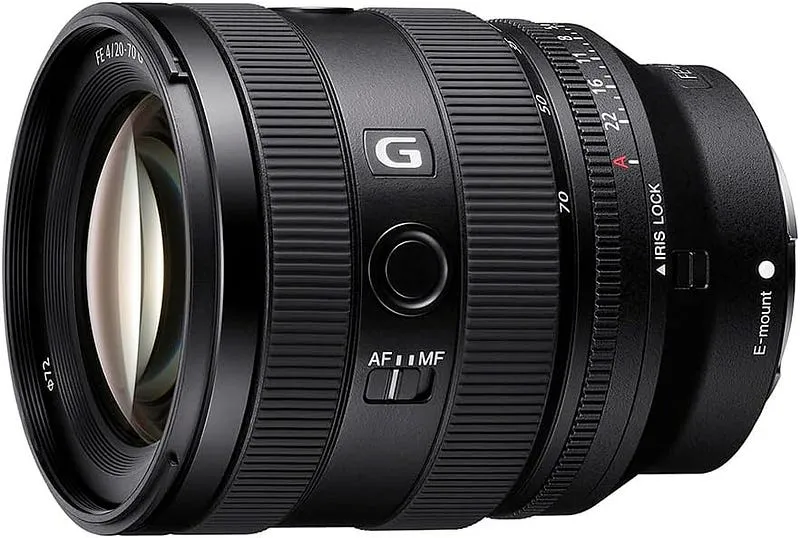
Check Today Deals on Sony 20–70mm f4 G
From Doubt to Revelation
The difference was immediate. That 20mm wide-end is no gimmick; it’s a game-changer. And 70mm was long enough for most candid people shots and details. The range felt complete, holistic.
The Breakdown: How They Compare in Hands
The Sony 24–50mm f2.8 G wins decisively in terms of aperture. Its constant f2.8 opening is superior for low-light photography and creating soft, blurred backgrounds (bokeh).
However, the Sony 20–70mm f4 G wins just as decisively in zoom range. Its ability to stretch from an ultra-wide 20mm to a standard-telephoto 70mm makes it far more versatile for travel and landscapes.
When it comes to size and weight, the 24–50mm f2.8 is the undisputed champion of portability, being significantly smaller and lighter. For close-focusing capabilities, the 20–70mm f4 has the advantage with its excellent, almost macro-like performance.
Ultimately, the 24–50mm f2.8 is ideal for street and low-light discreet shooting, while the 20–70mm f4 is the better tool for travel, landscapes, architecture, and vlogging.
This is the million-dollar question, and the answer isn’t simple.
It’s the perfect lens for someone who is a dedicated street photographer or who primarily shoots in low light and doesn’t need the wide or tele end. It’s a specialist.
But the 20–70mm f4? It’s the ultimate generalist.
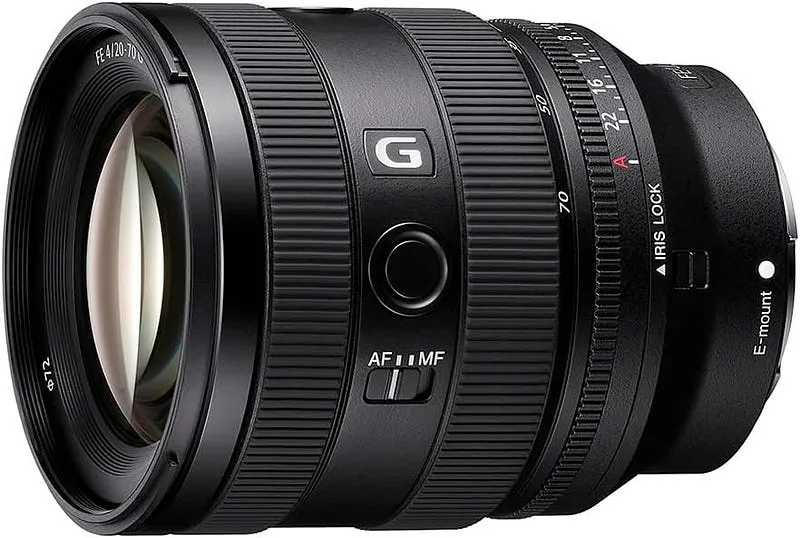
Check Today Deals on Sony 20–70mm f4 G
The Final Frame
- Do you live in cafes and city streets at night? The 24–50mm f2.8 might be your soulmate.
- Do you crave wide vistas, travel without a bag full of lenses, and hate missing a shot? The 20–70mm f4 is likely your perfect partner.
And in the end, that’s what photography is all about.
What’s your priority: speed or story?

Photo by Dex Ezekiel on Unsplash

Photo by Leo_Visions on Unsplash

Photo by Nicolas J Leclercq on Unsplash
More picks
- Sony 24–50mm f2.8 G — View on Amazon

Written by
Marien CartelProfessional and Certified Digital Photographer born in the USA, with 22 years of experience in the field of photography.
Related Guides
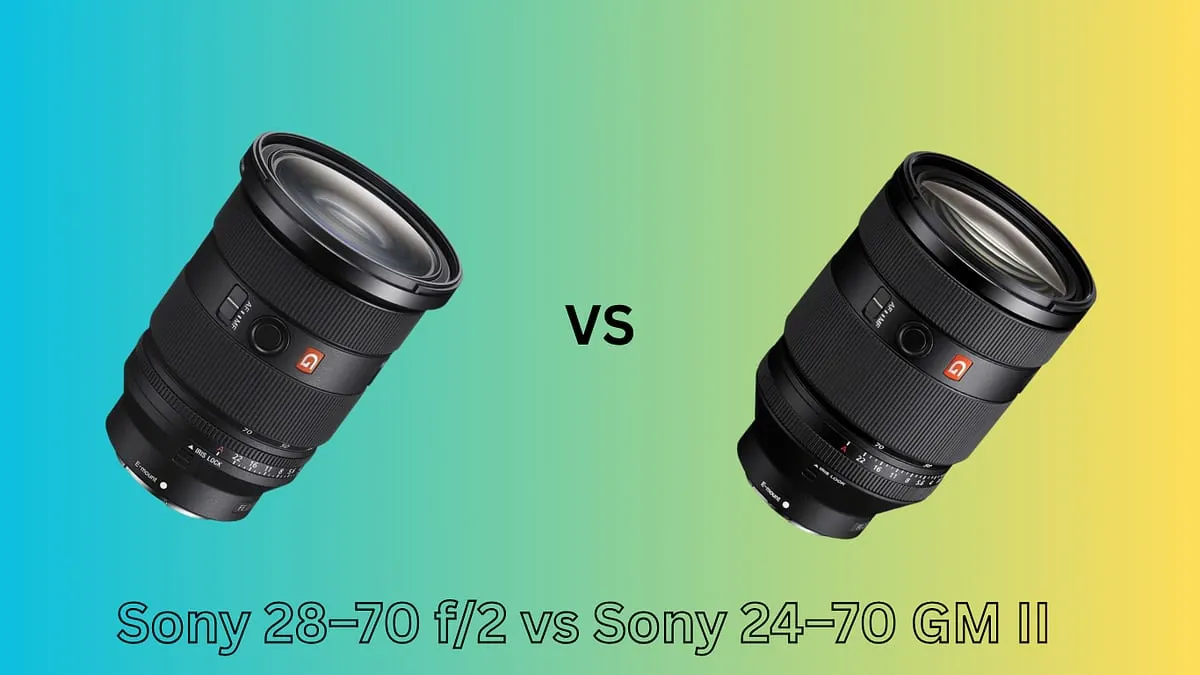
Sony 28–70 f/2 vs Sony 24–70 GM II
Sony 28–70 f/2 vs Sony 24–70 GM II: key differences in specs, autofocus, video and price, and which one suits you.
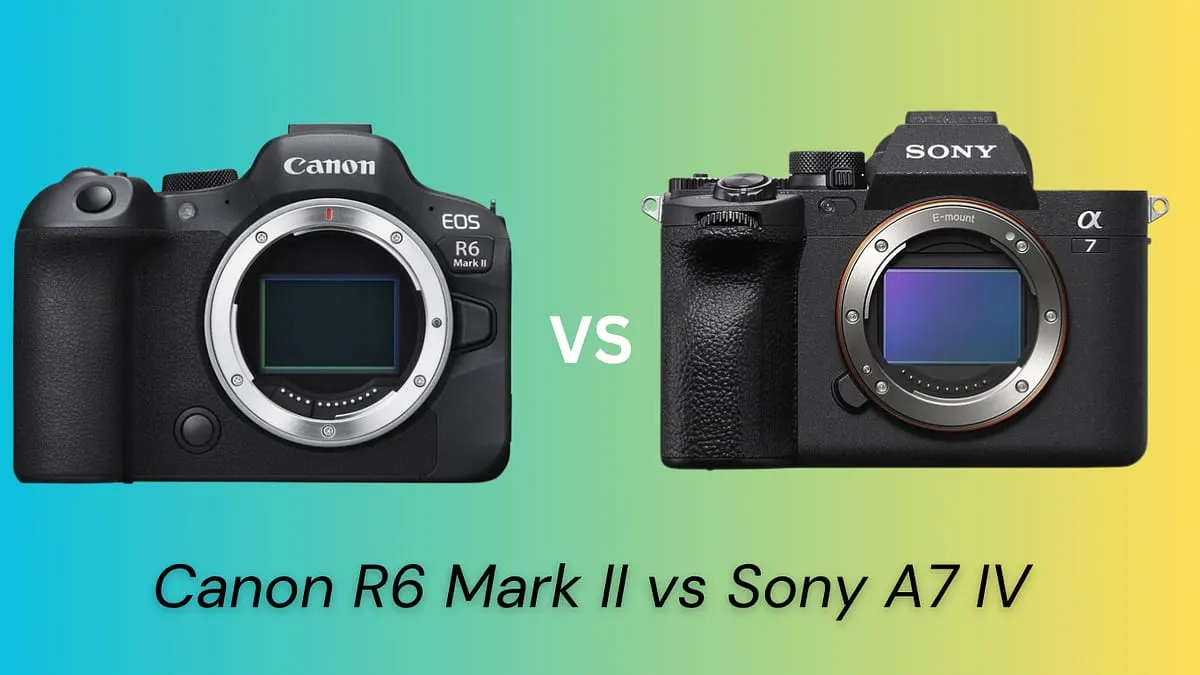
Canon R6 Mark II vs Sony A7 IV
The guide compares the two on image quality, autofocus, video, handling and lens ecosystem, then explains which one to choose depending on your needs and.
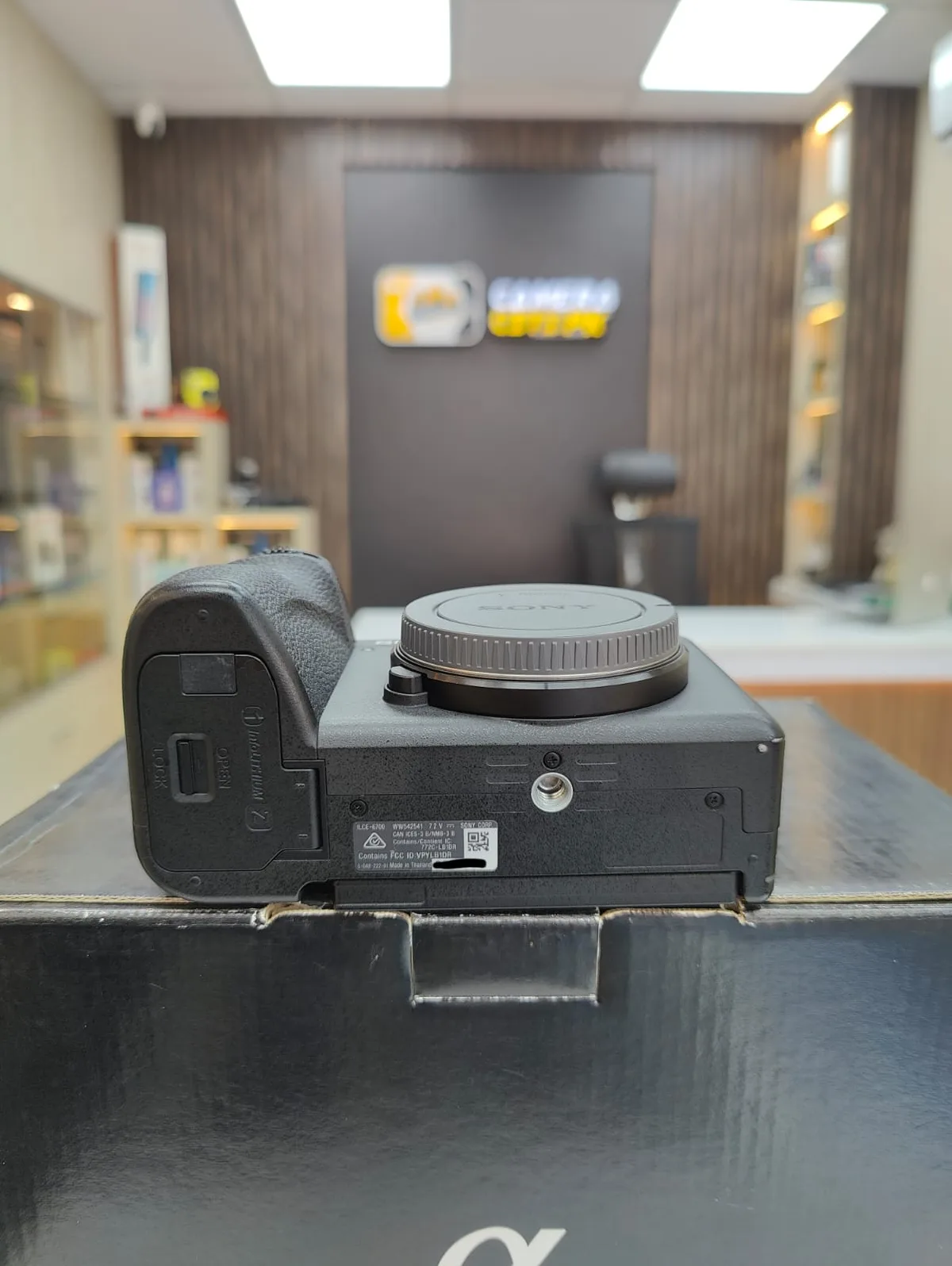
Sony A7IV Vs Sony A6700
Sony A7IV Vs Sony A6700 compared — where each one wins, where it falls short, and who should buy which. Updated for 2026.
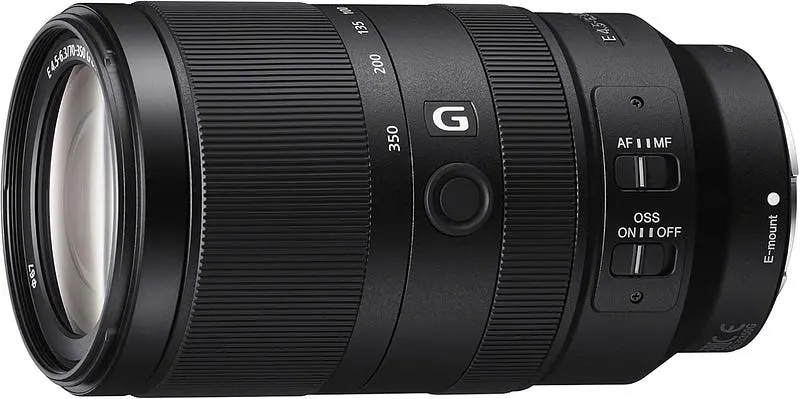
Sony 70–350 on Full-Frame Adventure
Sony 70–350 on Full-Frame Adventure — Sony E 70–350mm f/4.5–6.3 G, Sony A7 II and Sony A7 III compared, with pros, cons and who should buy which.
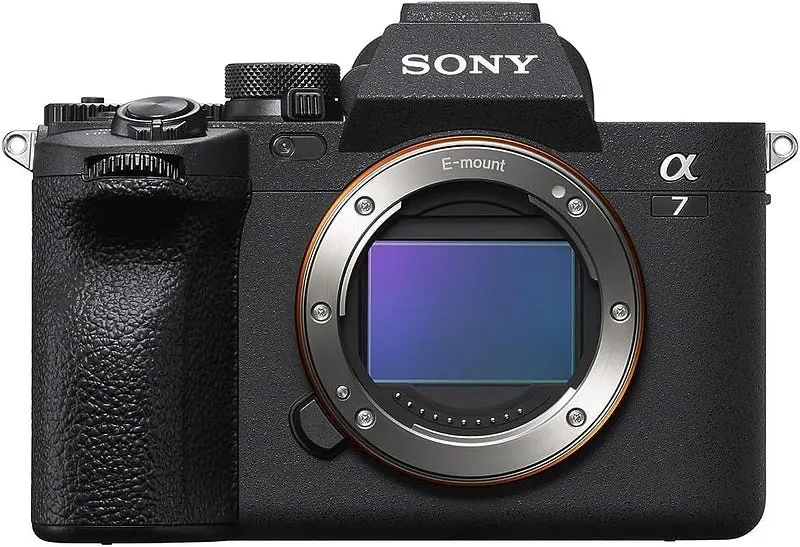
Sony A7IV
Sony A7IV: Canon EOS R6 Mark II, Nikon Z6 II and Fujifilm X-H2S compared on features, price and who each one suits.
Sony A6600 vs A6700
The guide's verdict is yes for hybrid creators: the author sold the A6600 and calls the A6700 a generational leap, especially for video, autofocus.