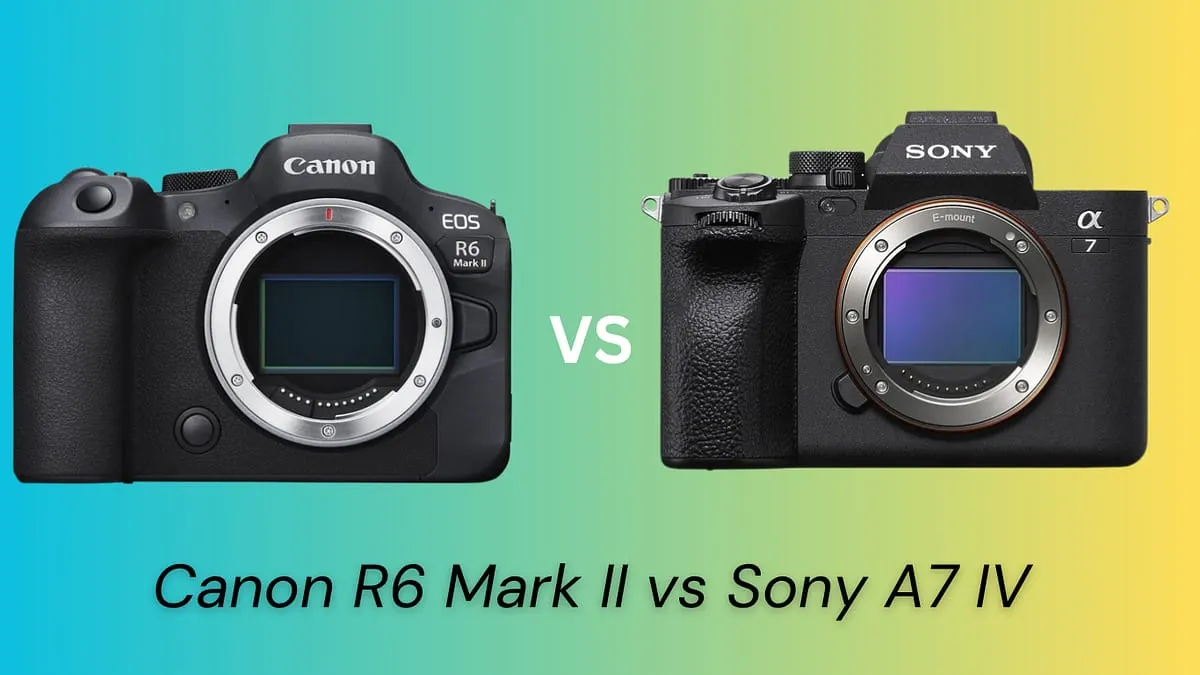
Canon R6 Mark II vs Sony A7 IV
As an Amazon Associate we earn from qualifying purchases. Some links in this guide are affiliate links — see our affiliate disclosure for details.
Short answer: Should you buy the Canon R6 Mark II or the Sony A7 IV?
The guide compares the two on image quality, autofocus, video, handling and lens ecosystem, then explains which one to choose depending on your needs and how you shoot.
Canon R6 Mark II — View on Amazon
Sony A7 IV — View on Amazon
Canon R6 Mark II vs Sony A7 IV: Key Differences
1. Image Quality
- Canon R6 Mark II (24.2 MP): Slightly lower resolution but excellent color science (Canon’s signature look).
- Sony A7 IV (33 MP): More detail, better for cropping, and great dynamic range.

Photo by Zdeněk Macháček on Unsplash
2. Autofocus Performance
- Canon R6 II: Insanely fast, with deep learning AI tracking (great for wildlife/sports).
- Sony A7 IV: Also excellent, with real-time tracking and better eye-AF in video.
3. Video Capabilities
Canon R6 II:
- 4K 60p (no crop)
- 6K oversampled 4K
- 10-bit 4:2:2 internally
Sony A7 IV:
- 4K 60p (1.5x crop)
- 7K oversampled 4K
- S-Cinetone for cinematic colors
Canon R6 Mark II — View on Amazon
Sony A7 IV — View on Amazon
4. Ergonomics & Handling
- Canon R6 II: Feels solid, intuitive menu, great grip.
- Sony A7 IV: More compact, but menus can be confusing (improved from older models).
5. Lens Ecosystem
- Canon RF Mount: Great lenses but expensive, limited third-party options.
- Sony E-Mount: Huge selection, including Tamron & Sigma affordable lenses.
Which One Should You Choose?
Pick Canon R6 Mark II if:
- You love Canon’s color science
- Need the best AF for sports/wildlife
- Want no-crop 4K60
Pick Sony A7 IV if:
- You need higher resolution
- Want more lens options (Tamron/Sigma)
- Prioritize video flexibility (S-Log3, full HDMI)
Canon R6 Mark II — View on Amazon
Sony A7 IV — View on Amazon
As an Amazon Associate, I earn from qualifying purchases at no additional cost to you. Thank you for your support!
What’s Your Choice?
Happy shooting! 📸
As an Amazon Associate, I earn from qualifying purchases at no additional cost to you. Thank you for your support!

Photo by Vadym Lebedych on Unsplash

Photo by Guilherme Stecanella on Unsplash

Written by
Marien CartelProfessional and Certified Digital Photographer born in the USA, with 22 years of experience in the field of photography.
Related Guides
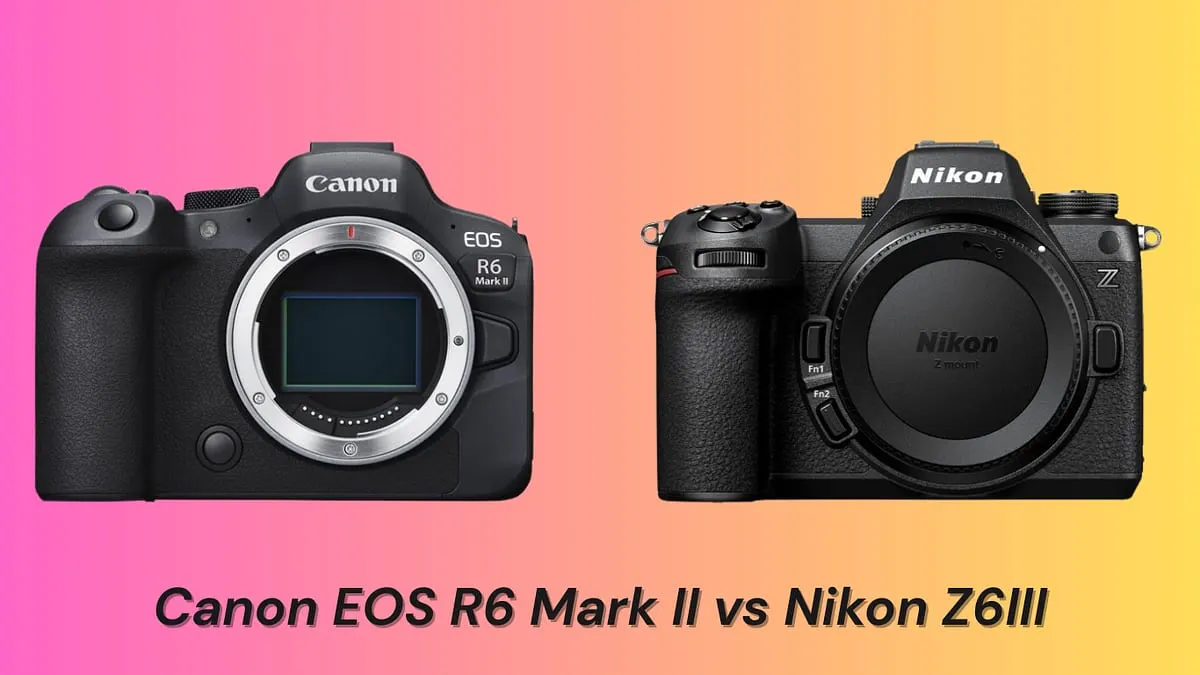
Canon EOS R6 Mark II vs Nikon Z6III
Canon EOS R6 Mark II vs Nikon Z6III: Which One Should You Choose? — how the Canon 6D Mark II and Nikon Z6III really differ once you have shot with both.
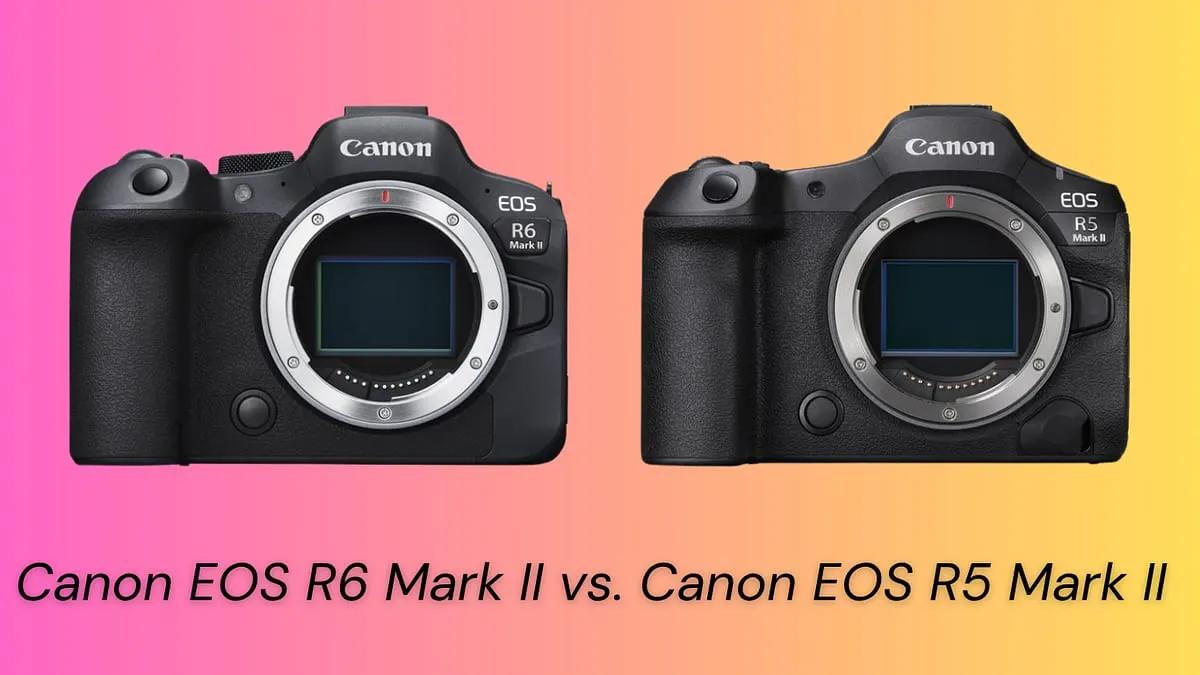
Canon EOS R6 Mark II vs. Canon EOS R5 Mark II
Canon EOS R6 Mark II vs. Canon EOS R5 Mark II: key differences in specs, autofocus, video and price, and which one suits you.
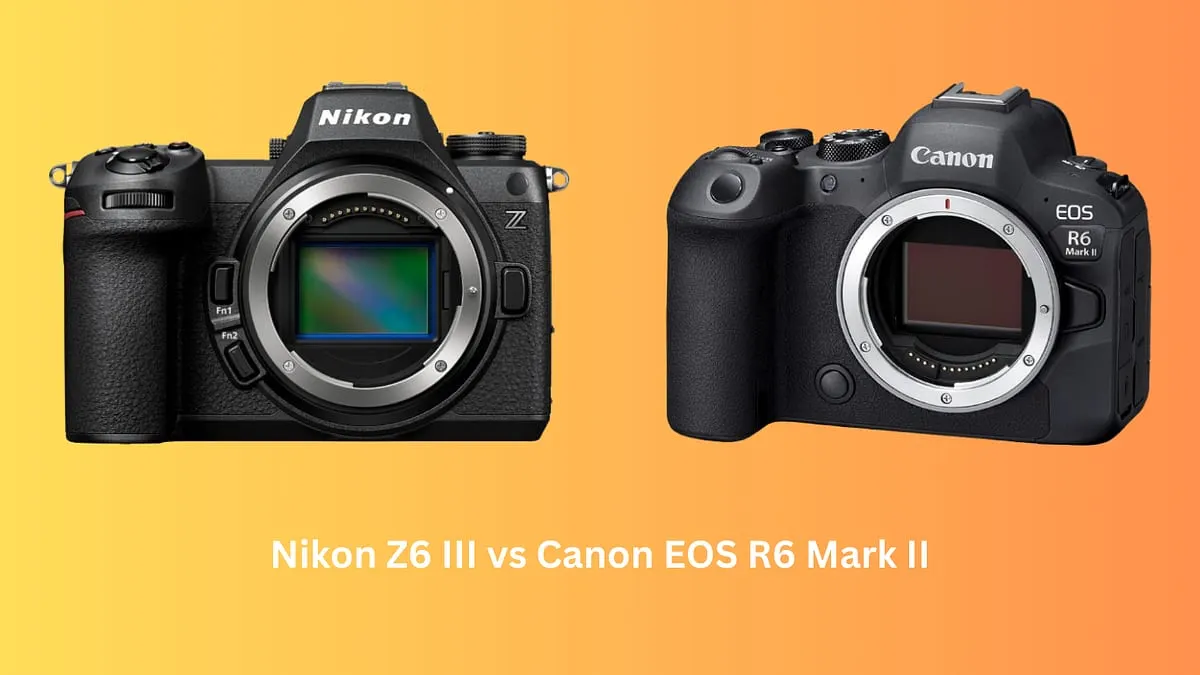
Nikon Z6 III vs Canon EOS R6 Mark II
Nikon Z6 III vs Canon EOS R6 Mark II: key differences in specs, autofocus, video and price, and which one suits you.
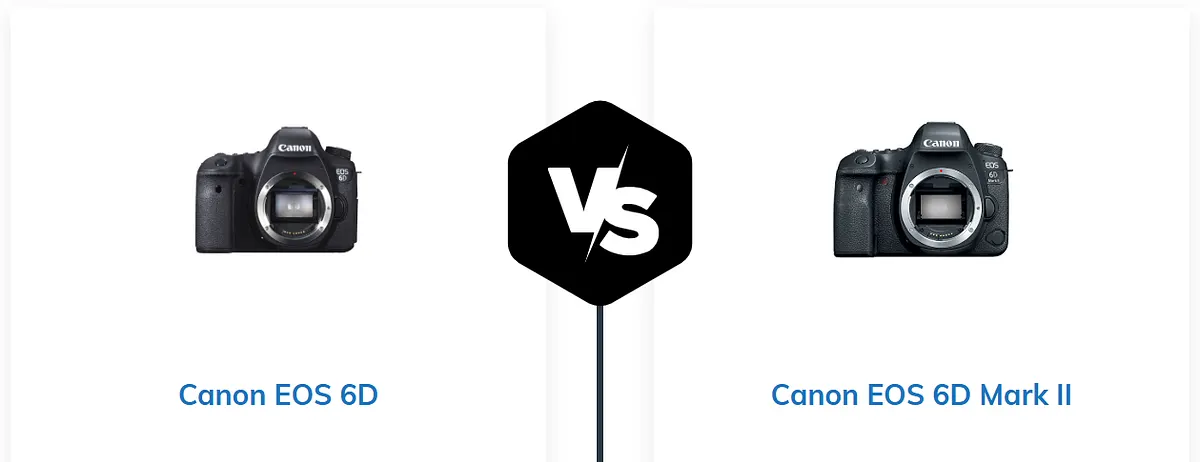
Canon 6D vs Canon 6D Mark II
Canon 6D vs Canon 6D Mark II compared — where each one wins, where it falls short, and who should buy which. Updated for 2026.
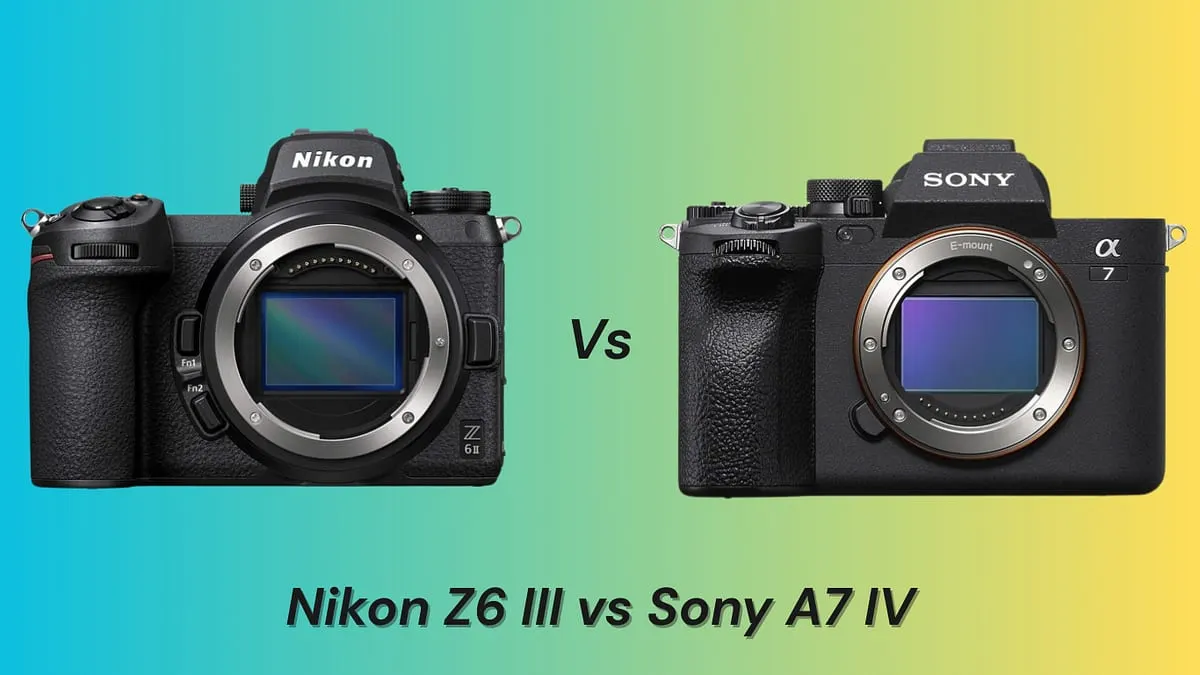
Nikon Z6 III vs Sony A7 IV
Nikon Z6 III vs Sony A7 IV compared — where each one wins, where it falls short, and who should buy which. Updated for 2026.
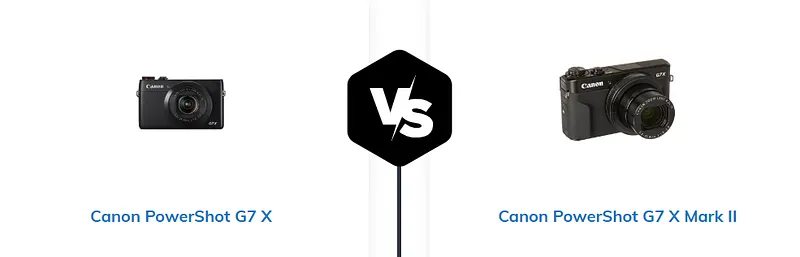
Canon G7X vs Canon G7X Mark II
Canon G7X vs Canon G7X Mark II: key differences in specs, autofocus, video and price, and which one suits you.