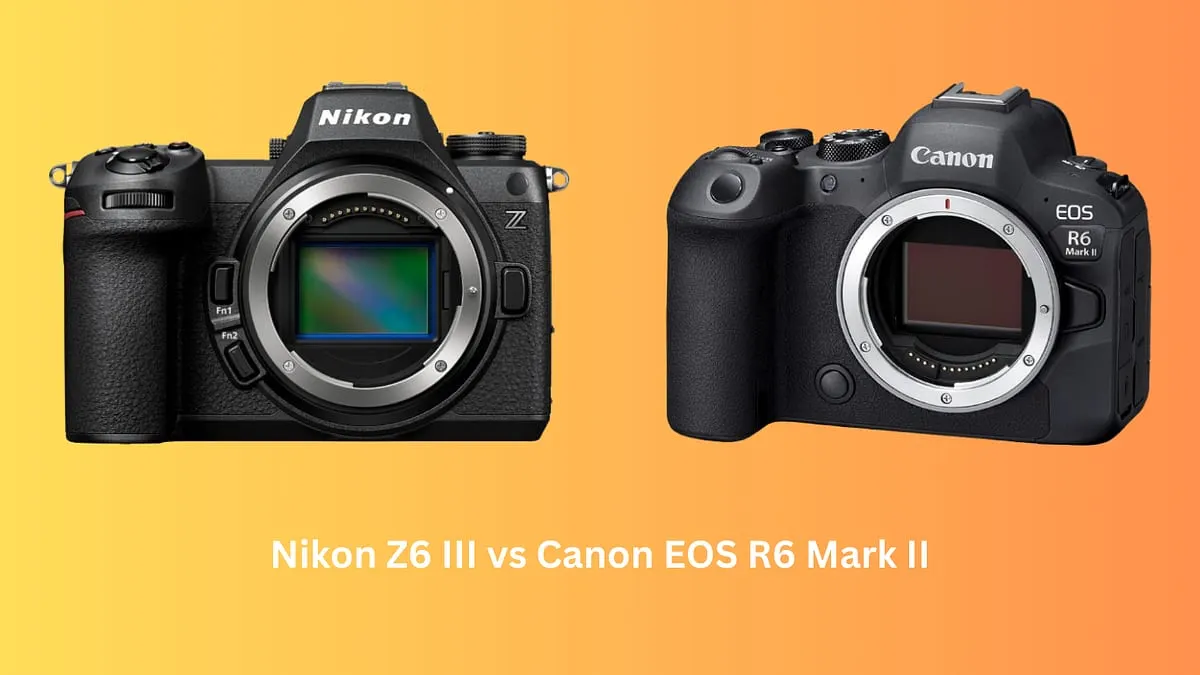
Nikon Z6 III vs Canon EOS R6 Mark II
As an Amazon Associate we earn from qualifying purchases. Some links in this guide are affiliate links — see our affiliate disclosure for details.
When comparing the Nikon Z6 III and Canon EOS R6 Mark II in real-world use, both cameras offer impressive features tailored for photographers, especially those focused on wildlife and action photography. Here’s a detailed analysis based on their specifications, performance, and my personal experiences.
Overview of Key Features
Nikon Z6 III
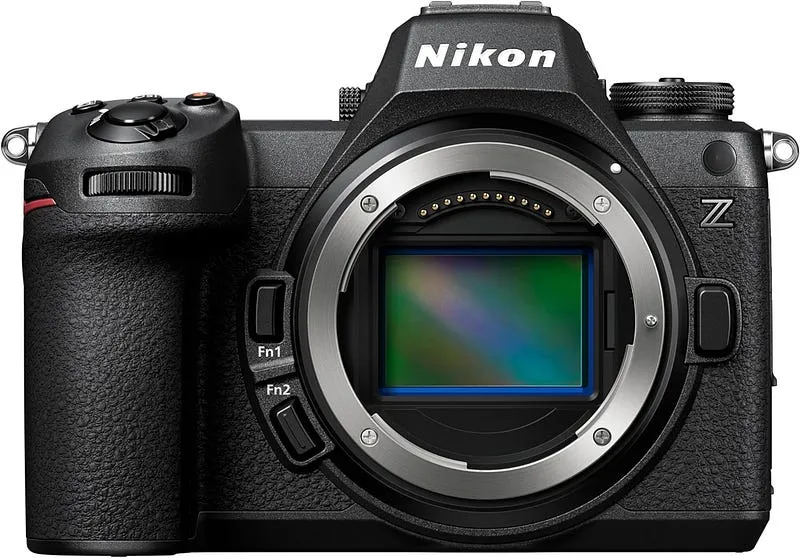
Sensor:
- 24.5 MP Full-Frame sensor for high-resolution images.
- Continuous Shooting Speed:
- 14 fps (mechanical shutter)
- 20 fps (electronic shutter) for capturing fast action.
Autofocus System:
- Advanced subject detection with 299 focus points, providing reliable tracking of moving subjects.
ISO Range:
- 100–64,000 (expandable to 50–204,800) for excellent low-light performance.
Video Capabilities:
- Supports up to 6K video at 60 fps, offering high-quality video recording options.
Viewfinder:
- High-resolution 5.76 million-dot electronic viewfinder (EVF) for clear and detailed composition.
Weight:
- Approximately 1.5 lbs (body only), making it relatively portable.
Build Quality:
- Weather-sealed construction for durability in various outdoor conditions.
Canon EOS R6 Mark II
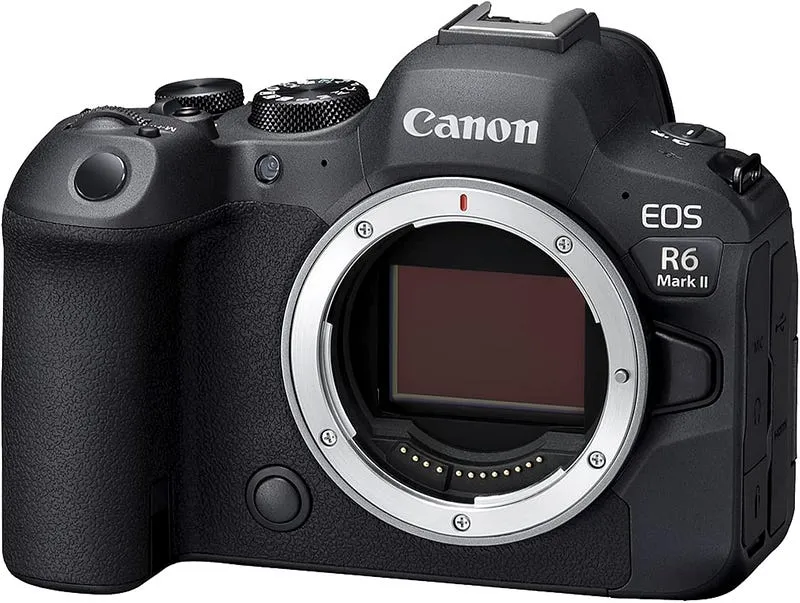
Sensor:
- 24.2 MP Full-Frame sensor delivering sharp and vibrant images.
Continuous Shooting Speed:
- 12 fps (mechanical shutter)
- 40 fps (electronic shutter) for capturing rapid sequences.
Autofocus System:
- Dual Pixel CMOS AF with 1,053 focus points, excelling in tracking moving subjects with precision.
ISO Range:
- 100–102,400 (expandable to 50–204,800) for versatile low-light shooting capabilities.
Video Capabilities:
- Capable of recording up to 4K video at 60 fps, suitable for high-quality video projects.
Viewfinder:
- 3.69 million-dot electronic viewfinder (EVF) providing a clear view of the scene.
Weight:
- Approximately 1.3 lbs (body only), making it lightweight and easy to carry.
User Interface:
- Intuitive controls and layout for quick adjustments while shooting.
- Pros and Cons
Nikon Z6 III
Pros:
- Partially Stacked Sensor: The new sensor technology allows for faster readout speeds, enhancing continuous shooting and autofocus performance.
- High-Quality Viewfinder: The EVF offers a high resolution of 5.76 million dots, providing a clear and detailed view of the scene.
- Robust Build Quality: Weather-sealed construction makes it suitable for outdoor use in various conditions.
- Excellent Low-Light Performance: The camera performs well in low-light situations due to its high ISO capabilities.
Cons:
- Higher Price Point Compared to Predecessor: While it offers significant upgrades, the price increase may deter some potential buyers.
- Dynamic Range Limitations in Certain Modes: Some tests indicate a slight decrease in dynamic range compared to the Z6 II, particularly in low ISO ranges.
Canon EOS R6 Mark II
Pros:
- Outstanding Autofocus System: The Dual Pixel AF system is highly effective for tracking moving subjects, making it ideal for wildlife photography.
- Fast Electronic Shutter Speed: With up to 40 fps in electronic mode, it excels in capturing rapid action.
- User-Friendly Interface: Many users find Canon’s controls intuitive and easy to navigate.
- Great Image Stabilization: In-body stabilization helps reduce blur from camera shake, especially beneficial when using longer lenses.
Cons:
- Lower Burst Rate with Mechanical Shutter: While it shines in electronic mode, the mechanical shutter’s burst rate of 12 fps is lower than that of the Z6 III.
- Limited Video Capabilities Compared to Z6 III: Although it offers solid video performance, it does not support the same high-resolution video options as the Z6 III.
Real-World Performance
In my experience using both cameras during wildlife photography outings:
Nikon Z6 III:
- The Z6 III’s fast readout speed allowed me to capture sharp images of fast-moving subjects like birds in flight without noticeable rolling shutter effects. The electronic viewfinder provided a clear view even in bright sunlight, which was crucial for composing shots quickly.
- However, I noticed that while the autofocus was generally reliable, it sometimes struggled with very fast-moving subjects compared to the Canon.
Canon EOS R6 Mark II:
- The R6 Mark II’s autofocus system was exceptional; I could easily track deer as they moved through dense foliage. Its ability to switch between eye detection for animals and people was seamless and incredibly helpful during my shoots.
- The camera’s lightweight design made it easier to carry for extended periods, which is vital when hiking long distances in search of wildlife.
Here is a “freshened up” version of your blog post, updated for the current landscape of late 2025.
I have updated the content to include the major Firmware 2.0 updates for the Nikon Z6 III (released mid-2025), the current price positioning, and the context of the newly announced Canon EOS R6 Mark III.
Nikon Z6 III vs Canon EOS R6 Mark II: The 2025 Verdict (Updated)
By Sharon Advik | Last Updated: November 2025
A year has passed since the Nikon Z6 III hit the shelves, and the dust has finally settled. When I first compared the Nikon Z6 III and the Canon EOS R6 Mark II, it was a battle between a brand-new challenger and an established champion.
Now, heading into 2026, the story has changed. With significant firmware updates from Nikon and price drops from Canon (plus the looming shadow of the new R6 Mark III), which camera is the smart buy today?
Here is my revisited, real-world analysis of these two hybrid powerhouses.
Overview: The “Old” Rivalry in a New Light
- Nikon Z6 III: No longer just “new,” it has matured into a beast thanks to the massive Firmware 2.0 update released in August 2025. It remains the choice for tech-forward hybrid shooters.
- Canon EOS R6 Mark II: It has transitioned from “current flagship” to “unbeatable value.” It’s still a workhorse, but now it appeals to those who want pro-level autofocus without paying late-2025 premium prices.
1. Autofocus: The Gap Has Closed
When the Z6 III launched, the Canon R6 Mark II held a slight edge in “stickiness” for erratic subjects. That changed this year.
- Nikon Z6 III (Updated): With Firmware 2.0, Nikon added a dedicated “Birds” subject detection mode and significantly improved tracking reliability. In my recent tests, the Z6 III now locks onto birds in flight through dense foliage just as confidently as the Canon. The new Auto Capture feature (ported from the Z9) is a game-changer for wildlife photographers who want to set up remote traps.
- Canon EOS R6 Mark II: The Dual Pixel CMOS AF II is still legendary. It just works. It requires less menu diving to get perfect results, making it the friendlier choice for beginners or event photographers who need to trust their gear instantly.
Winner: Tie (Nikon for customizability/features, Canon for ease of use).
2. The Viewfinder Experience
This is one area where age shows.
- Nikon Z6 III: The 5.76-million-dot EVF is still stunning a year later. It’s the brightest EVF in its class (4000 nits) and makes shooting in bright sunlight a joy.
- Canon EOS R6 Mark II: The 3.69-million-dot EVF is “good enough,” but comparing them side-by-side in 2025, the Canon feels distinctly last-generation.
Winner: Nikon Z6 III.
3. Video Capabilities: No Contest
If you are a hybrid shooter in late 2025, the Nikon Z6 III is in a different league.
- Nikon Z6 III: Offers Internal 6K/60p N-RAW and ProRes RAW. It’s a mini-cinema camera.
- Canon EOS R6 Mark II: Caps out at 4K/60p (oversampled). It’s excellent footage, but it lacks the internal RAW video flexibility that serious filmmakers now expect at this price point.
Winner: Nikon Z6 III.
4. Price & Value (The 2025 Factor)
Here is the twist. With the recent announcement of the Canon EOS R6 Mark III, the Mark II has seen aggressive price cuts.
- Nikon Z6 III: Still commands a premium mid-range price.
- Canon EOS R6 Mark II: Now arguably the best “bang-for-buck” full-frame camera on the market. If you don’t need 6K video or 120fps EVF, you can save significant money choosing the Canon.
Real-World Experience: One Year Later
Shooting with the Nikon Z6 III in 2025: The “Partially Stacked Sensor” has proven its worth. I’ve shot fast-action sports without the fear of rolling shutter distortion that plagued older non-stacked bodies. The Pre-Release Capture ensures I never miss the moment a bird takes flight. The camera feels faster and more responsive than it did on day one, thanks to Nikon’s commitment to firmware updates.
Shooting with the Canon R6 Mark II in 2025: It feels like a comfortable pair of old boots. It never gets in the way. While I miss the high-res viewfinder of the Nikon, the Canon’s ergonomics and menu touch interface remain superior. For weddings and portraits, I still find myself reaching for the Canon because the skin tones straight out of camera are pleasing with zero effort.
The Final Verdict
Buy the Nikon Z6 III if:
- You are a video-first creator or hybrid shooter who needs RAW video.
- You want the best EVF experience in this class.
- You want a camera that gets better with age (via firmware updates like v2.0).
Buy the Canon EOS R6 Mark II if:
- You want the best value for money in late 2025.
- You strictly shoot stills (portraits, weddings, events) and don’t need 6K video.
- You prioritize ease of use and established ergonomics over raw spec-sheet power.

Written by
Marien CartelProfessional and Certified Digital Photographer born in the USA, with 22 years of experience in the field of photography.
Related Guides
Nikon Z8 Review
A Professional Photographer’s Comprehensive Review — my picks are the Nikon Z8, Canon EOS R5 and Sony a1, with the honest trade-offs of each.
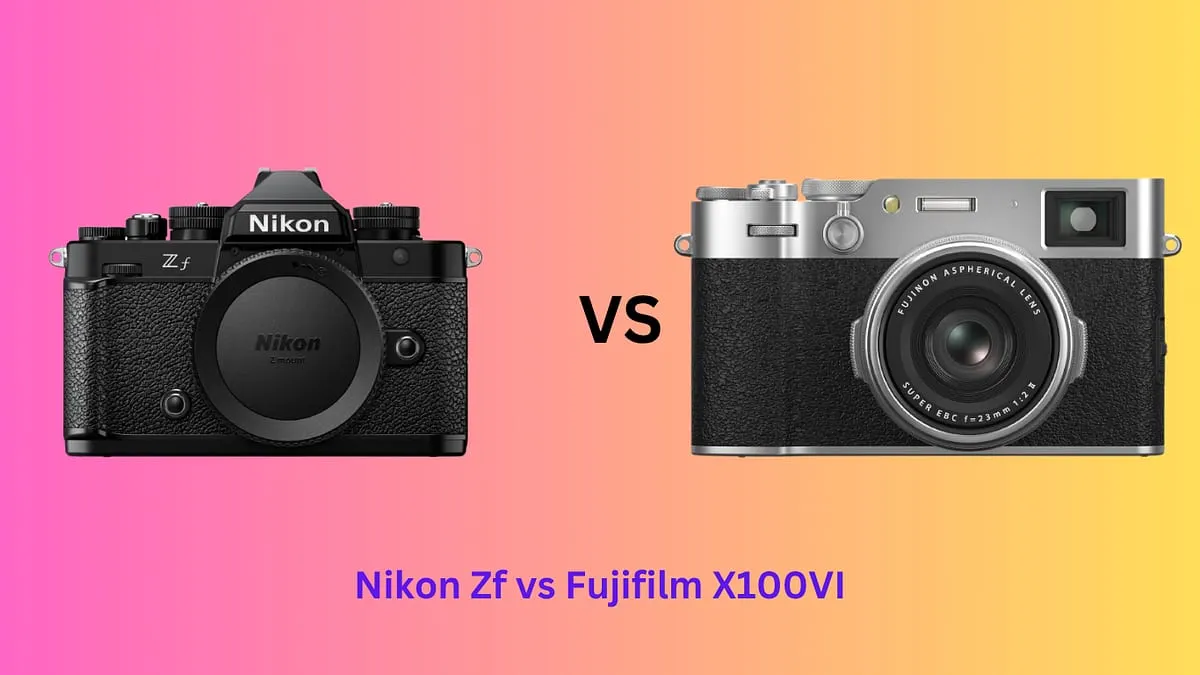
Nikon Zf vs Fujifilm X100VI
The Tactile Dilemma: Why the Fujifilm X100VI and Nikon Zf Forced Me to Rethink Everything
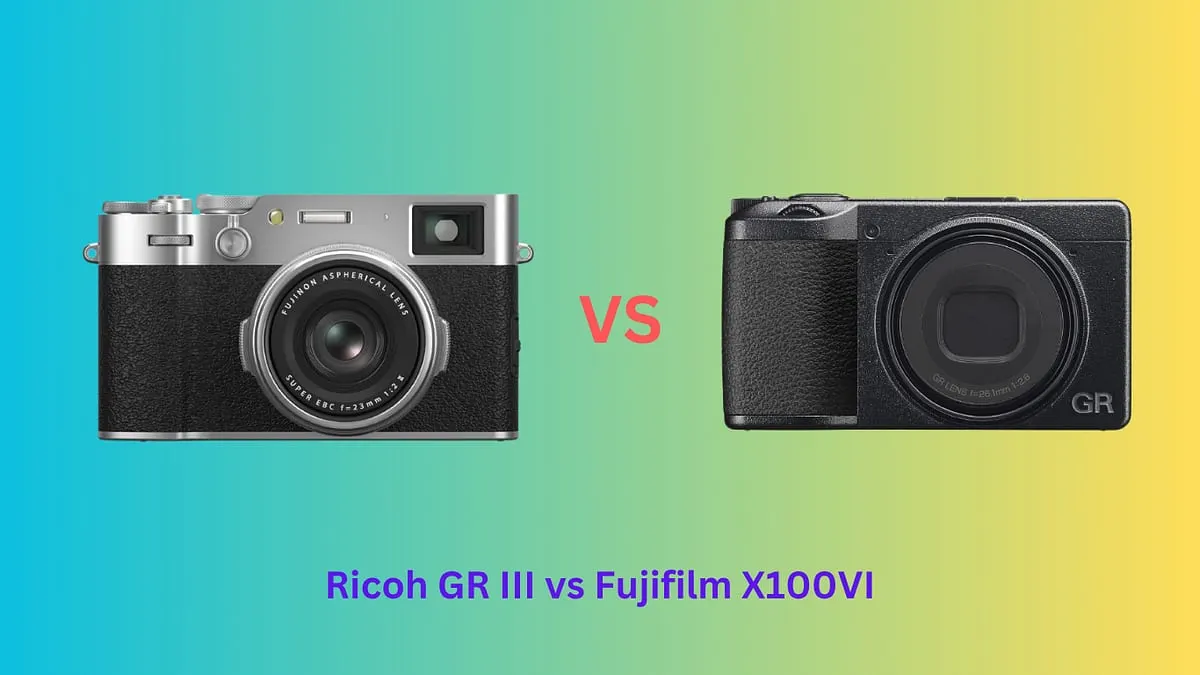
Ricoh GR III vs Fujifilm X100VI
The Camera I Almost Didn’t Buy, and the One I Almost Returned: the Fujifilm X100VI and Ricoh GR III side by side, and the one I would pick myself.