My Best Camera for Portrait Photography
As an Amazon Associate we earn from qualifying purchases. Some links in this guide are affiliate links — see our affiliate disclosure for details.
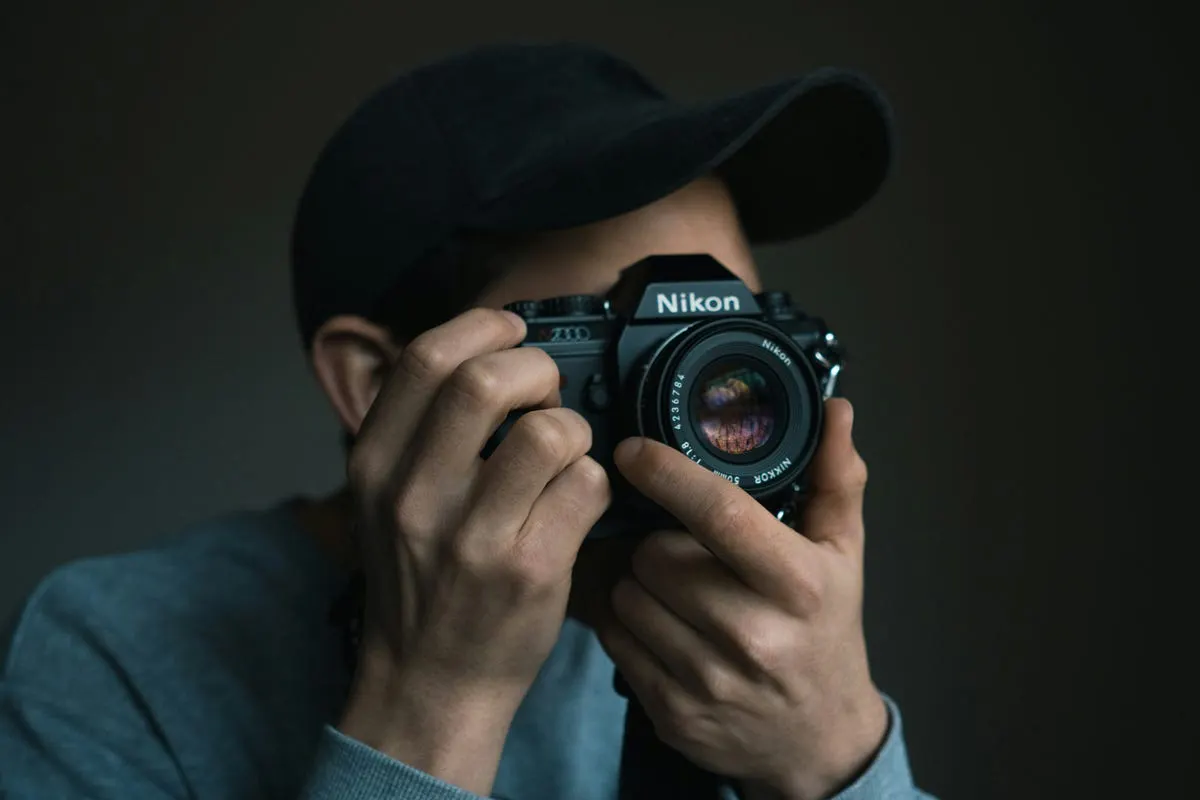
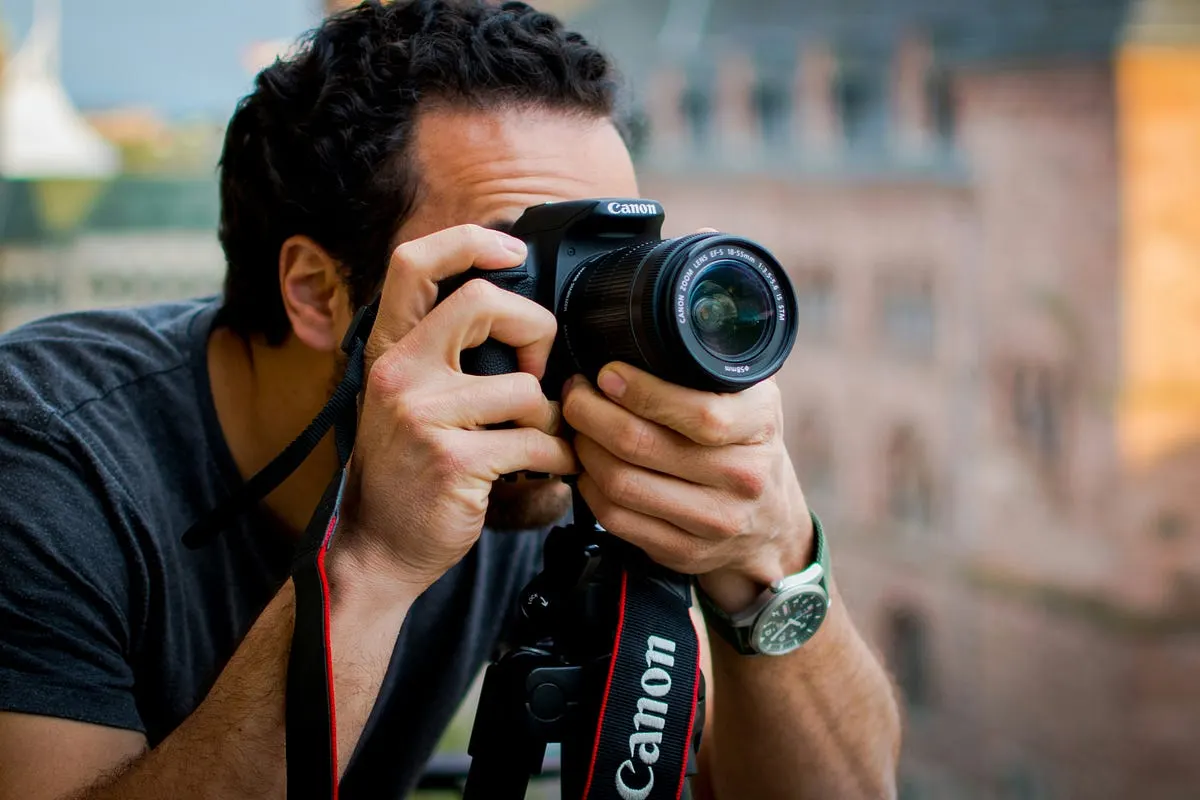
Photo by Matt Collamer on Unsplash
When I first held the Nikon Z8 in my hands, I knew my portrait photography would never be the same. After years of experimenting with different camera systems, I had finally found the perfect companion for capturing the essence of human emotion and expression. Let me share my personal journey with this remarkable camera and why it has become my absolute favorite tool for portrait photography.
Finding My Way to the Z8
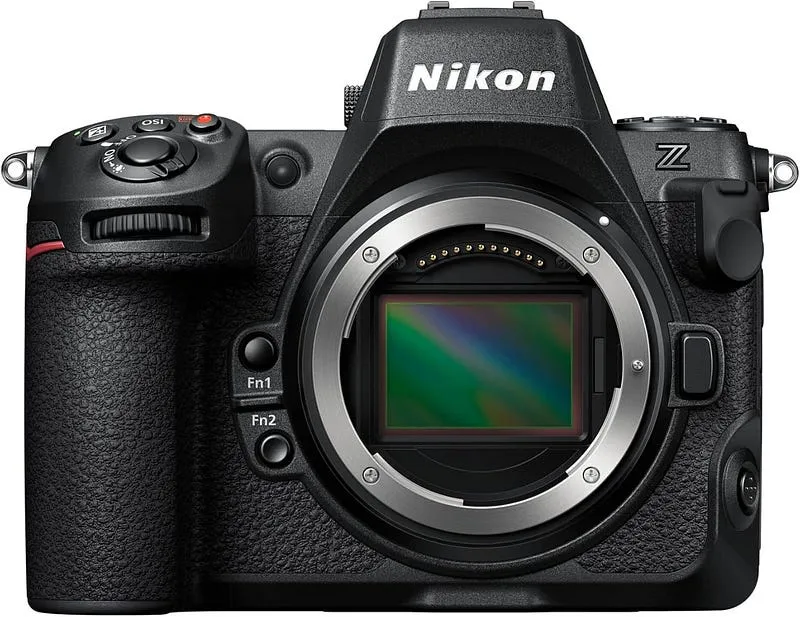
My photography journey began over a decade ago with a hand-me-down DSLR and a passion for capturing people. As I developed my style and built my portfolio, I jumped between camera systems, always searching for that perfect balance of image quality, handling, and versatility.
When Nikon announced the Z8, something about its specifications resonated with me. As a portrait photographer who occasionally shoots events and weddings, I needed a camera that could handle diverse scenarios while excelling at creating intimate connections with subjects. After saving for months, I finally took the plunge.
Why the Z8 Transformed My Portrait Work
The Z8 isn’t just another camera to me — it’s revolutionized how I approach portrait sessions in several key ways:
The Incredible Sensor
The 45.7-megapixel stacked CMOS sensor delivers an extraordinary level of detail that has elevated my portrait work. When clients see the fine details in their eyes, the subtle textures of their skin, and the intricate patterns in their clothing, they’re consistently amazed. This resolution also gives me tremendous flexibility in post-processing and cropping.
The Eye AF That Never Misses
Portrait photography is all about the eyes, and the Z8’s eye-detection autofocus has been nothing short of magical. During a recent outdoor session with a family of five, the camera effortlessly tracked each person’s eyes as they moved about, interacted, and shared genuine moments. The hit rate was incredible — allowing me to focus on direction and connection rather than technical concerns.
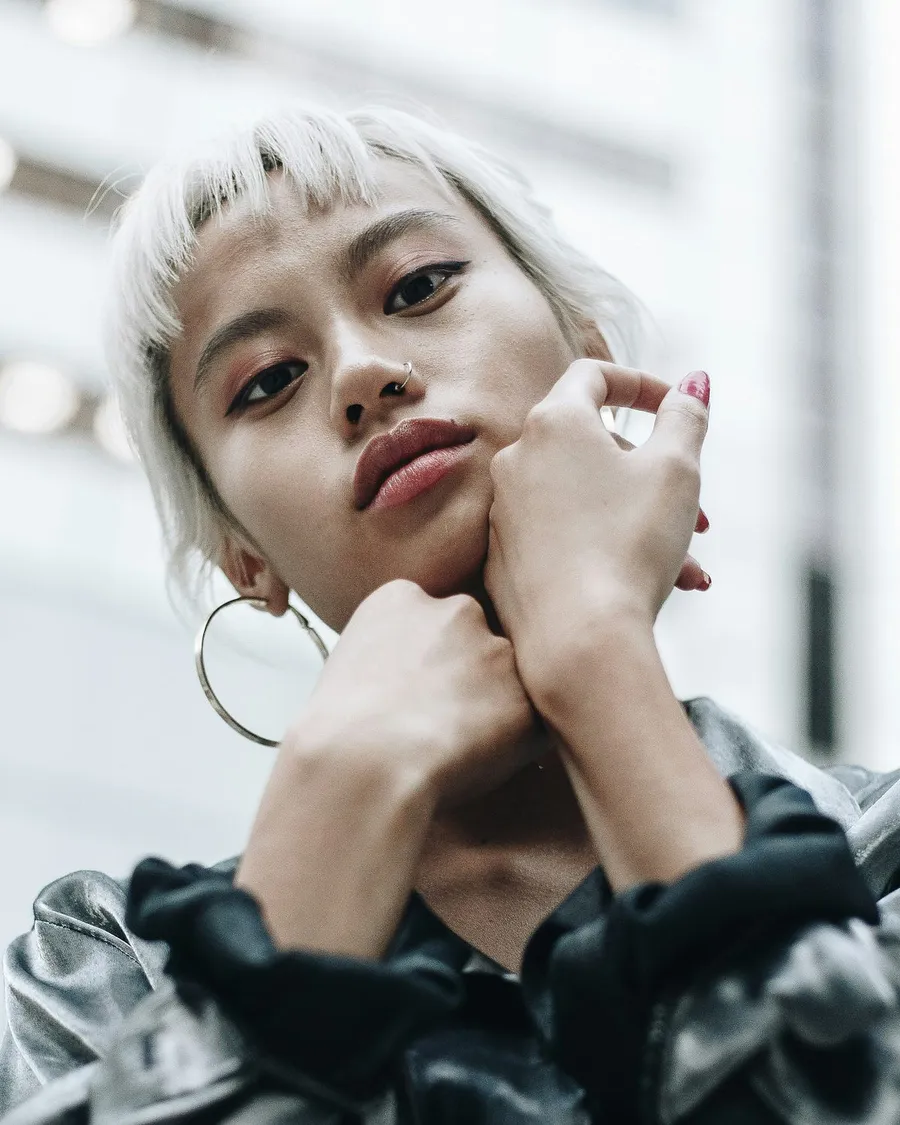
Photo by Oladimeji Odunsi on Unsplash
Dynamic Range That Saves the Day
Last summer, I was shooting engagement portraits during the challenging golden hour, with harsh backlighting creating extreme contrast. In the past, I would have needed complex lighting setups, but the Z8’s impressive dynamic range preserved both highlight details in the sky and shadow details in my subjects’ faces. This flexibility has simplified my workflow and opened up creative possibilities I hadn’t considered before.
My Personal Z8 Portrait Setup
After experimenting extensively, my go-to portrait setup with the Z8 includes:
- The Nikkor Z 85mm f/1.2 S for primary portraits (worth every penny and ounce of weight)
- The Nikkor Z 50mm f/1.8 S for environmental portraits and tighter spaces
- The Nikkor Z 24–70mm f/2.8 S for flexible session work
This trio covers all my portrait needs, from intimate headshots to environmental storytelling.
The Learning Curve and Growing Pains
My relationship with the Z8 wasn’t perfect from day one. The menu system took time to master, and I had to recalibrate my approach to exposure and white balance. I distinctly remember a frustrating first paid session where I kept hunting for settings I was accustomed to finding instantly on my previous camera.
But after a few weeks of dedicated practice — shooting my patient spouse, friends, and even my cat — the camera began to feel like an extension of my vision. Now I can adjust settings without taking my eye from the viewfinder, allowing me to stay connected with my subjects.
Beyond the Spec Sheet: The Intangibles
What specs can’t convey is how the Z8 helps create meaningful portrait experiences. The silent shooting mode allows me to capture candid moments without distraction. The flip screen enables unique perspectives while maintaining eye contact with subjects. Even the substantial grip gives me confidence during long sessions.
Most importantly, the camera’s reliability lets me focus on what truly matters in portrait photography: connecting with people and telling their stories.
Final Thoughts
The Nikon Z8 isn’t just my favorite camera for portrait photography — it’s become an essential part of how I express my creative vision and serve my clients. While every photographer’s needs differ, this camera has been transformative for my particular style and approach to portrait work.
If you’re a portrait photographer considering the Z8, I hope my personal experience helps inform your decision. The technical capabilities are impressive, but it’s the confidence and creative freedom this camera provides that truly makes it special.
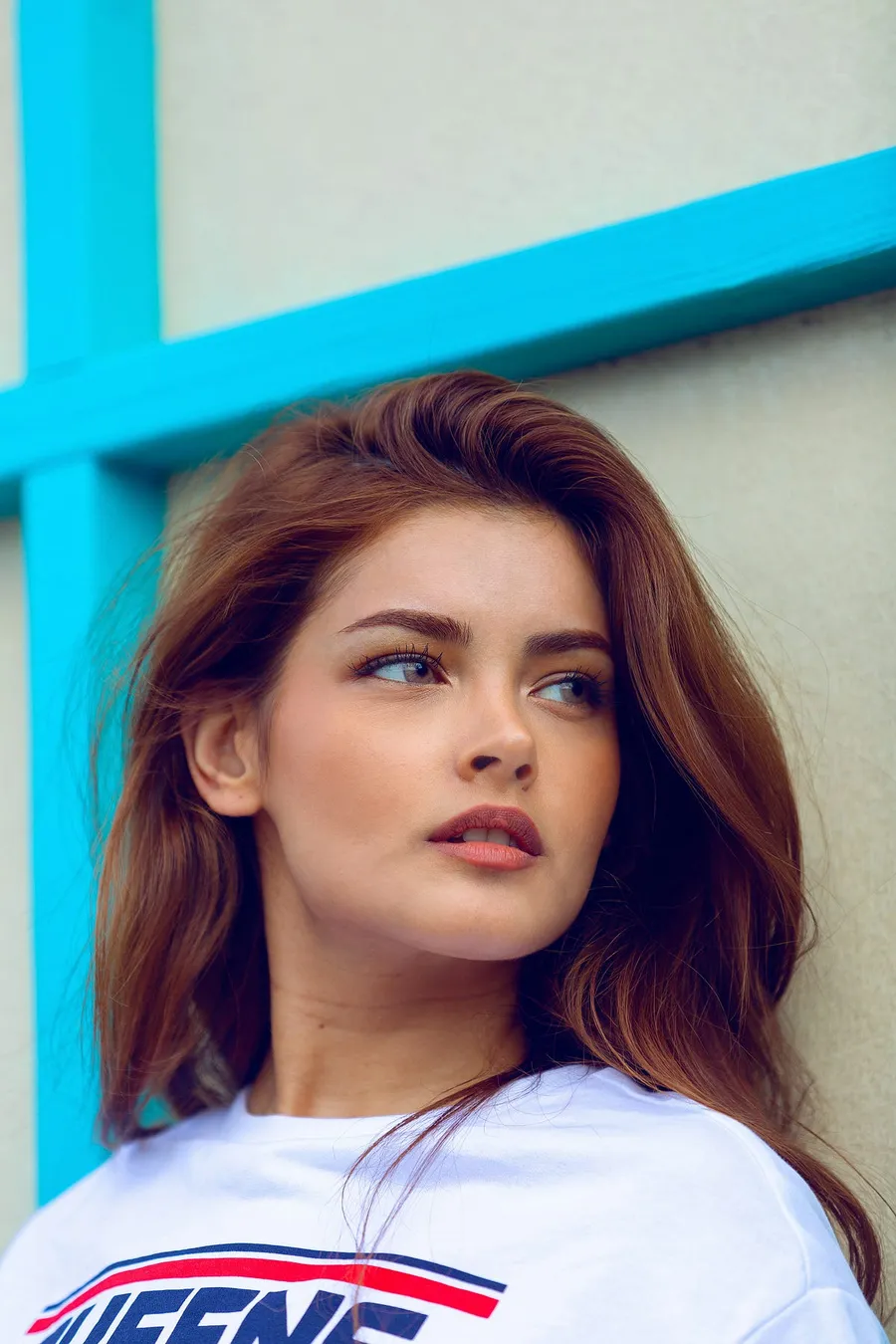
Photo by Ayo Ogunseinde on Unsplash
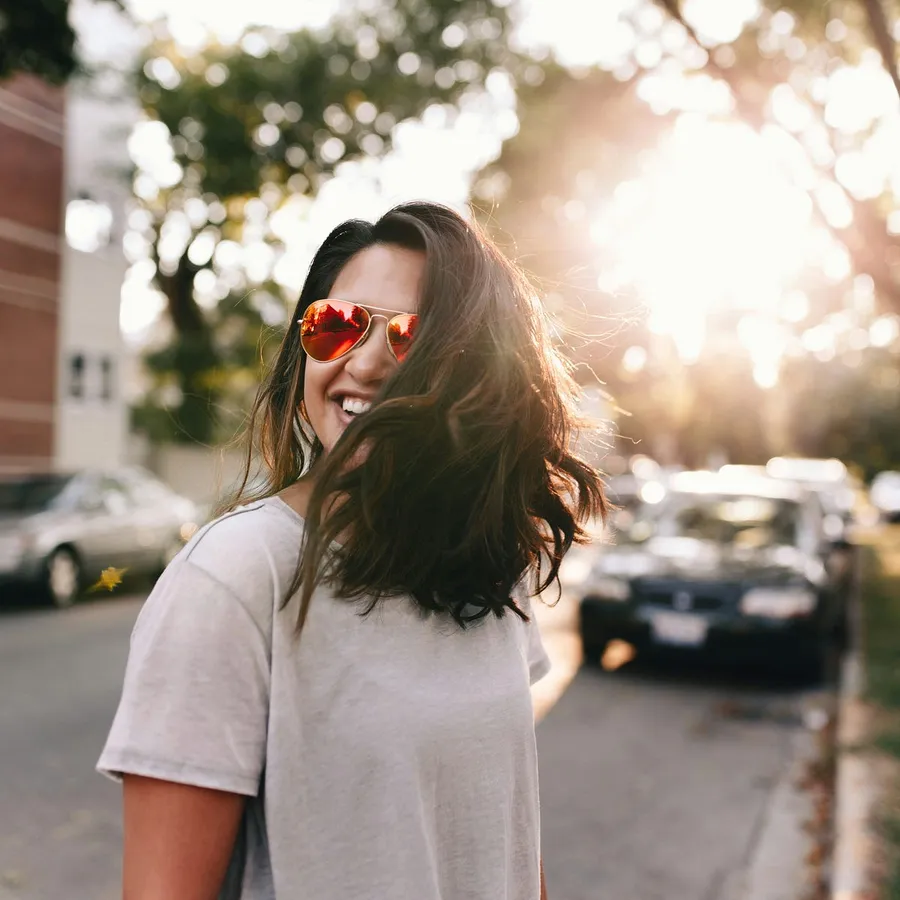
Photo by Matthew Hamilton on Unsplash
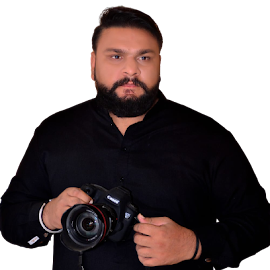
Written by
Marien CartelProfessional and Certified Digital Photographer born in the USA, with 22 years of experience in the field of photography.
Related Guides
Best Camera for Automotive Photography
What I Actually Reach For When I’m Shooting Cars. Here is how the Canon EOS R5, Sony a7 IV and Nikon Z6 III compare, and the one I keep going back to.
Best Cameras for Virtual Production
After I Wasted a Full Shoot Day Finding Out — why the Sony FX6 and Sony FX9 made the list, and who each one really suits.
Best DSLR Cameras for Beginners: (Guide & Reviews)
My Hands-On Experience with the Best Beginner-Friendly Cameras — why the Canon EOS Rebel T7 and Nikon D3500 made the list, and who each one really suits.