Best Camera for Automotive Photography
As an Amazon Associate we earn from qualifying purchases. Some links in this guide are affiliate links — see our affiliate disclosure for details.
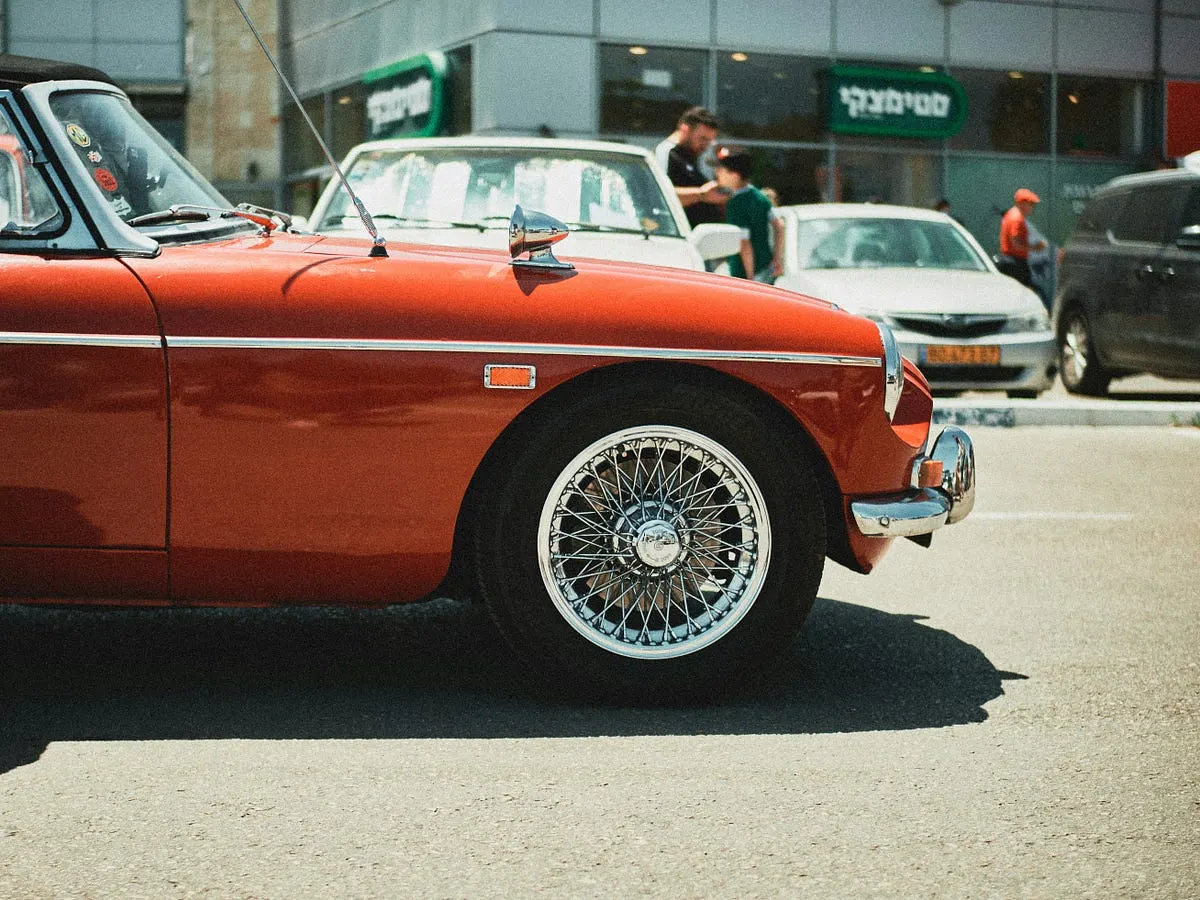
Photo by Maxim Simonov on Unsplash
Short answer: Which camera is best for automotive photography?
The guide lists the Canon EOS R5, Sony a7 IV, Nikon Z6 III, Fujifilm X-H2S and Sony a6400. The R5 suits studio and hybrid work, the a7 IV suits moving cars and night shoots, and the X-H2S suits track days and drift events.
What matters more is which camera fits the kind of automotive work you’re actually trying to do.
Canon EOS R5 — View on Amazon
Sony a7 IV — View on Amazon
Nikon Z6 III — View on Amazon
Fujifilm X-H2S — View on Amazon
Sony a6400 — View on Amazon
1. Canon EOS R5
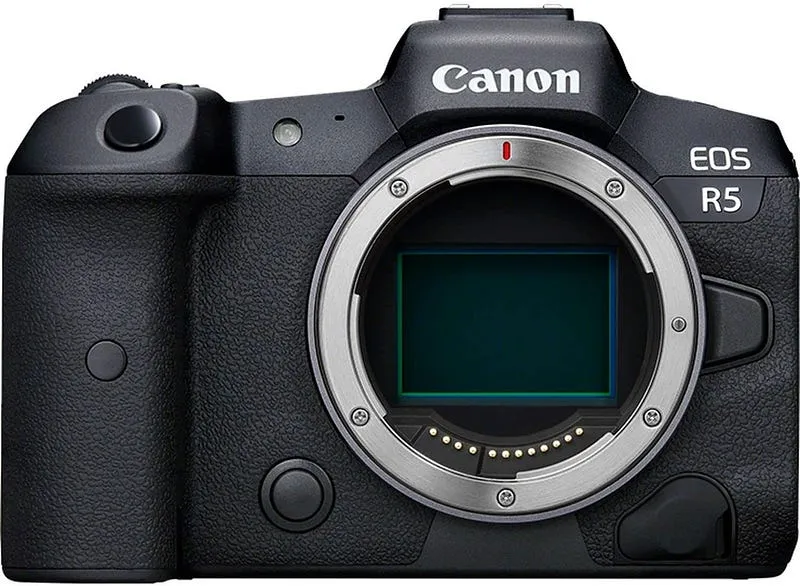
Dealership catalogs, studio product shots, the kind of work where someone is going to zoom into a leather seam or a badge and expect it to hold up.
The 45-megapixel sensor is honestly overkill for most people, but for automotive work it’s exactly the point. Panel gaps, stitching, chrome reflections, they all survive a hard crop.
Best for: dealership and studio shooters, anyone doing hybrid stills-and-video work, people who want one body that also handles portraits on the side.
That’s the resolution talking, not marketing.
From the field: Had forty-five minutes of light left to shoot a full detail on a restored classic. No reshoot, no excuses needed.
Canon EOS R5 — View on Amazon
2. Sony a7 IV
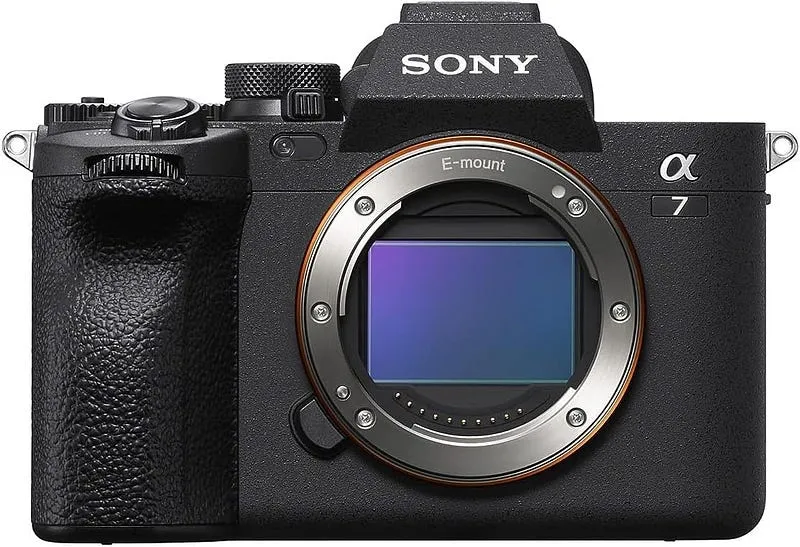
Chase car rolling shots, panning at track days, low light garage builds, it handles all of it without complaint.
Real-time autofocus actually holds onto a car coming at you, through frame changes, without hunting. Dynamic range is strong too, meaning a dark hood against a bright sky doesn’t force a choice between blown highlights or crushed shadows.
Budget a weekend to set it up properly if you’re new to the system.
Best for: anyone shooting moving cars regularly, rolling shots and panning work, night meet photographers who need the low light headroom.
Sony a7 IV — View on Amazon
3. Nikon Z6 III
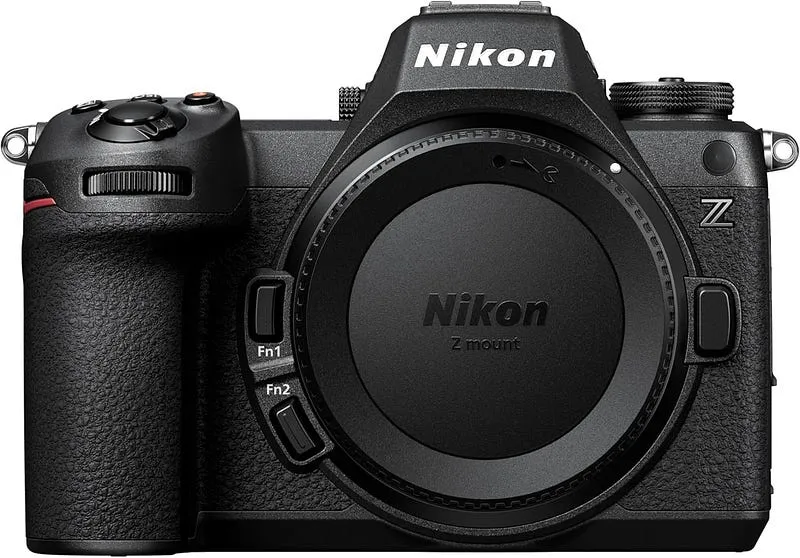
Comfort matters more than people admit, especially on a twelve-hour shoot day where you’re crouching for low angles every ten minutes.
Metallic and pearl finishes come out looking like the paint actually looks in person, not oversaturated the way some systems render it. That saves real time in the edit when you’re on a deadline. Autofocus holds up well in daylight for rolling shots; it hunts a little more than the Sony in dim garage lighting, but manual focus assist covers the gap fine.
For lenses, the Z mount lineup has matured a lot.
Best for: photographers who prioritize all-day comfort, Nikon shooters moving into commercial automotive work, anyone who wants accurate color without heavy correction.
From the field: Shot a custom build reveal under mixed fluorescent and window light. The owner looked at the back screen mid-shoot and said, “that’s exactly the color of the paint in person.” That’s what accurate color science buys you on a job like this.
Nikon Z6 III — View on Amazon
4. Fujifilm X-H2S
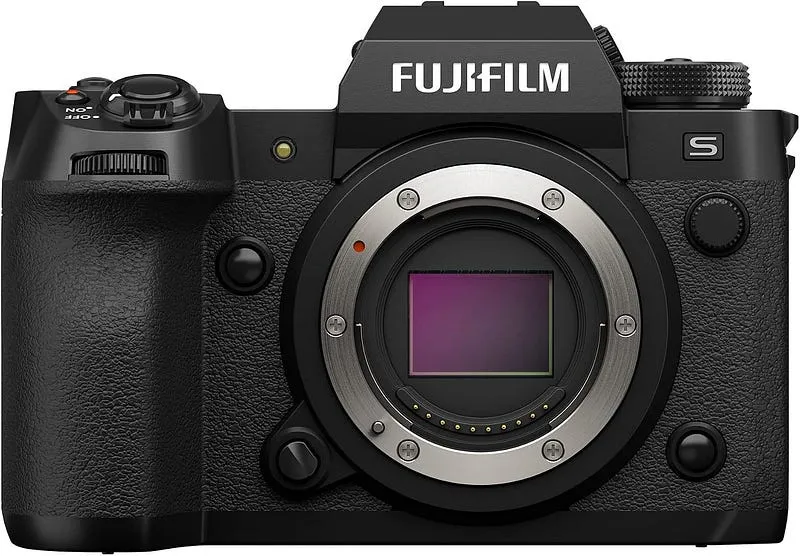
Fujifilm’s out-of-camera color is also strong enough that lifestyle content needs minimal editing. Because it’s APS-C, you get extra reach from the same lens too, which matters when you can’t always get close trackside.
Battery also drains faster during a full day of continuous tracking bursts.
Best for: track day and drift event coverage, lifestyle automotive content creators, anyone who values reach and burst speed over max resolution.
That’s the tracking doing exactly what it was built for.
Fujifilm X-H2S — View on Amazon
5. Sony a6400
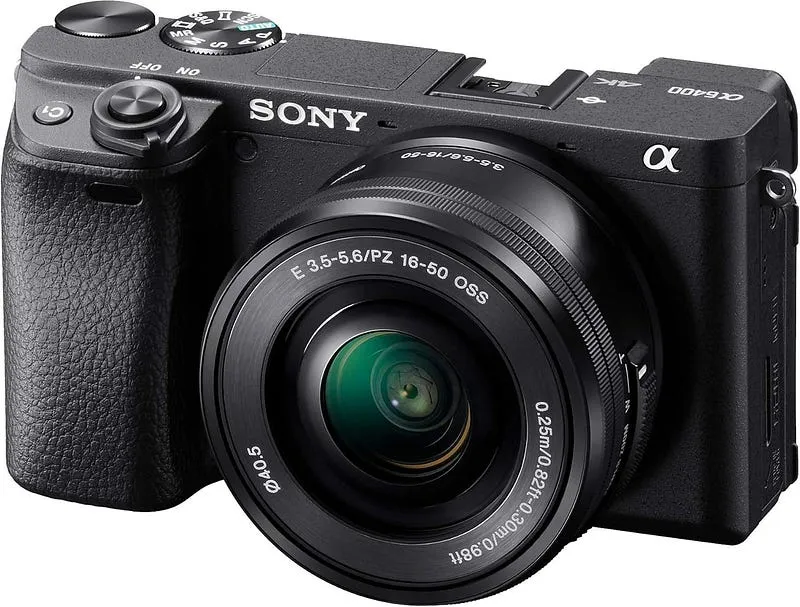
It’s light, it’s capable, and it doesn’t punish you financially while you figure out your style.
The autofocus tracking punches above its price point, which matters more for a beginner shooting car meets than raw resolution ever will. The APS-C crop also gives you extra reach with budget telephoto glass, useful trackside when you can’t get close to the action. Battery life is respectable too.
Where it falls short is low light, night meets and dim garages need more careful settings than a full frame body would. Single card slot means no backup either, which is more of a concern on paid work than casual shooting.
Best for: beginners starting their automotive portfolio, anyone who wants a light second body for a chase car, budget-conscious shooters who don’t want to compromise on autofocus.
It ended up doing most of the night’s work, tracking focus through a packed lot under string lights without missing a shot.
Sony a6400 — View on Amazon

Written by
Marien CartelProfessional and Certified Digital Photographer born in the USA, with 22 years of experience in the field of photography.
Related Guides
Best Camera For Cars Photography
Best Camera For Cars Photography: a side-by-side look at Sony a6000 and Sony E 16–55mm f/2.8 G, with strengths, trade-offs and buying advice.
Best Full Frame Mirrorless Camera for Beginners Nikon
Best Full Frame Mirrorless Camera for Beginners Nikon: key features, strengths, drawbacks and who should buy the Nikon Z5.
Best Camera for Makeup Artist
Best Camera for Makeup Artist: Sony Alpha a6400, Canon G7X Mark III and Canon EOS 90D compared on features, price and who each one suits.
Best Camera for Urban Photography
Best Camera for Urban Photography — Fujifilm X100V, Sony A7 III and Nikon D850 compared, with pros, cons and who should buy which.
Best Cameras for Swimming Competition Photography
Best Cameras for Swimming Competition Photography: key features to compare, budget picks and clear advice on choosing well.

Best Nikon Full Frame Cameras for Night Photography
Best Nikon Full Frame Cameras for Night Photography — Nikon Z5, Nikon Z6 II and Nikon Z8 compared, with pros, cons and who should buy which.