Mirrorless vs DSLR for Beginners
As an Amazon Associate we earn from qualifying purchases. Some links in this guide are affiliate links — see our affiliate disclosure for details.
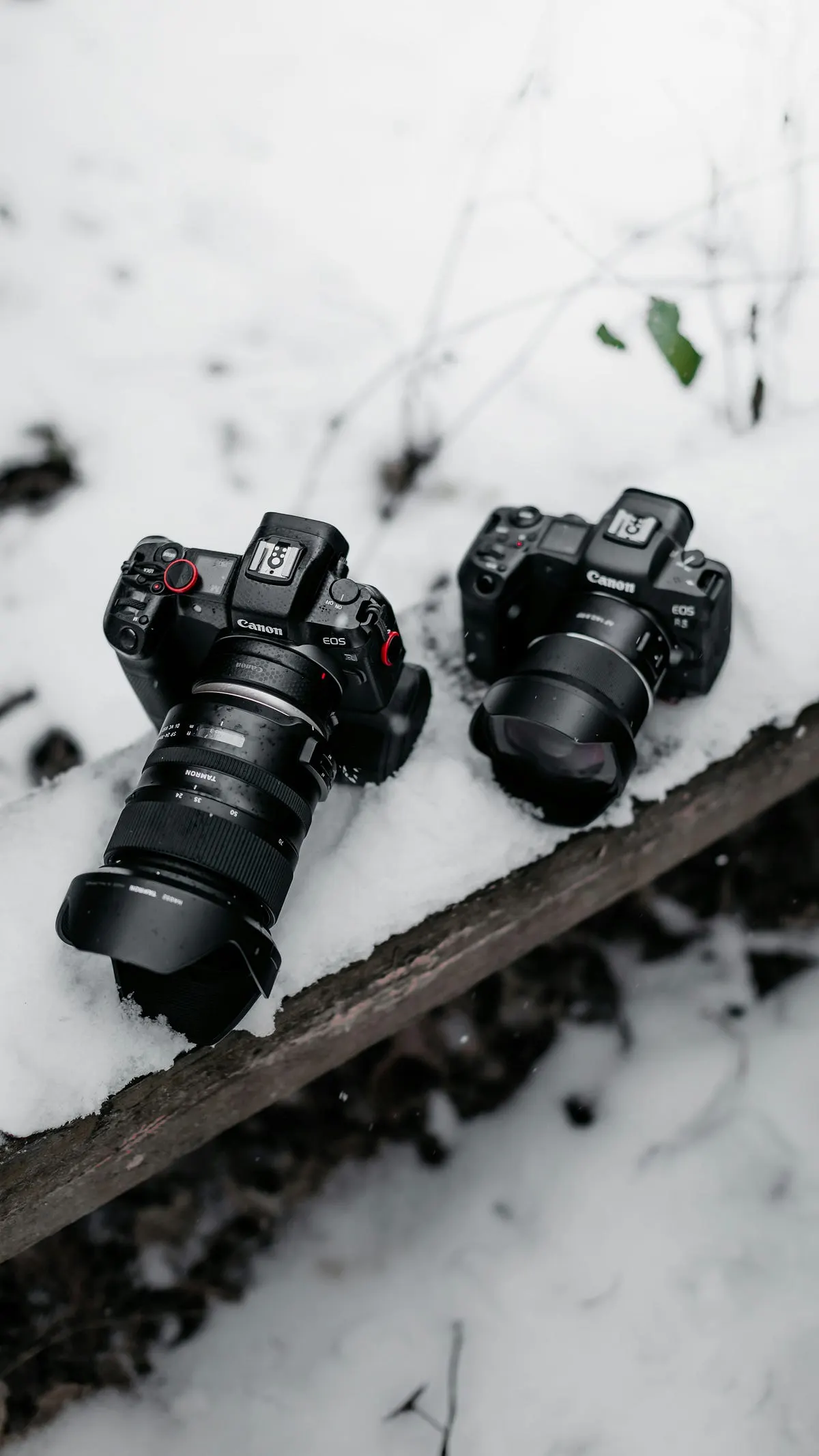
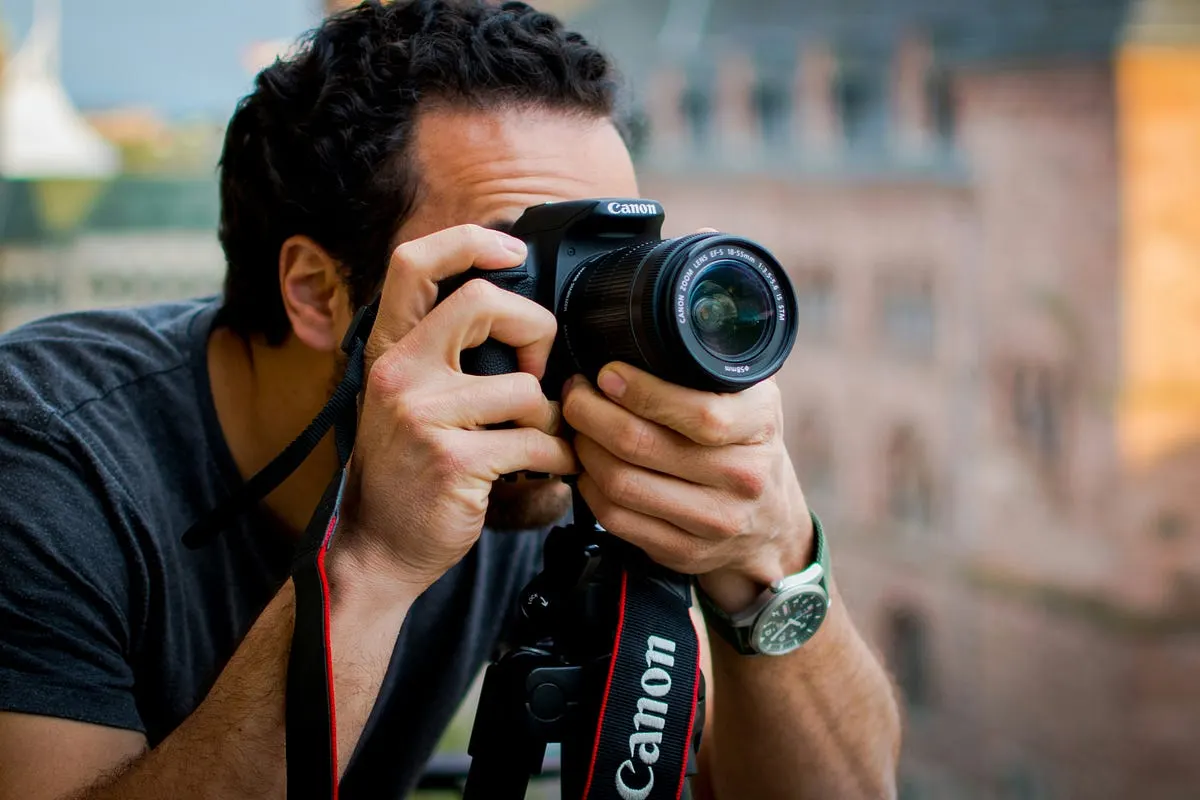
Photo by Martin Katler on Unsplash
So, you’re ready to step up your photography game beyond your smartphone? Awesome! The next logical step is often choosing between a DSLR (Digital Single-Lens Reflex) and a mirrorless camera. Both are fantastic tools that offer significantly more control and image quality than your phone, but they go about it in slightly different ways.
When I was first faced with this choice, I felt completely overwhelmed. It was like trying to decipher a secret language of megapixels, ISO, and aperture. I spent hours reading articles and watching videos, each seemingly contradicting the last. Sound familiar? Don’t worry, you’re not alone!
Let’s break down the key differences in a way that makes sense for beginners, and I’ll sprinkle in my own experiences to hopefully make it more relatable.
The Core Difference: The Mirror
The fundamental distinction between these two camera types lies in their internal mechanics, specifically the presence (or absence) of a mirror.
DSLR: As the name suggests, a DSLR uses a mirror inside the camera body. When you look through the viewfinder, light from the lens bounces off this mirror and into an optical viewfinder, allowing you to see exactly what the lens sees. When you take a picture, the mirror flips up, allowing light to hit the sensor and capture the image. This “flip-flop” action is what creates that characteristic “click-clack” sound.
Mirrorless: As you might guess, mirrorless cameras don’t have this internal mirror. Light passes directly through the lens and onto the image sensor. The sensor is constantly active, and the image you see on the electronic viewfinder (EVF) or the rear LCD screen is a digital representation of what the sensor sees.
This seemingly small difference has a ripple effect on various aspects of the camera’s design and performance.
Size and Weight: Lighter Load?
One of the first things you might notice when holding both types of cameras is the difference in size and weight. Generally, mirrorless cameras tend to be more compact and lighter than their DSLR counterparts. This is primarily due to the absence of the bulky mirror box.
When I was deciding, the size difference wasn’t a huge factor initially. However, after lugging around a relatively hefty DSLR on a few day trips, I started to appreciate the appeal of a smaller, lighter camera. If you plan on traveling a lot or prefer a less obtrusive camera for everyday shooting, this is definitely something to consider.
Viewfinder Experience: Optical vs. Electronic
The way you compose your shots also differs significantly:
DSLR (Optical Viewfinder — OVF): With an OVF, you’re looking directly through the lens via the mirror. This provides a bright, lag-free view of the scene, which many photographers find natural and intuitive. However, what you see in the OVF isn’t exactly what the sensor will capture in terms of exposure and white balance.
Mirrorless (Electronic Viewfinder — EVF): An EVF is a small electronic screen inside the viewfinder housing. It displays a real-time digital preview of the image the sensor is seeing, including your chosen exposure settings, white balance, and even a live histogram. This “what you see is what you get” approach can be incredibly helpful for beginners learning about exposure.
Initially, I preferred the traditional feel of an optical viewfinder. It felt more “real.” However, as I gained more experience and started experimenting with different settings, I began to see the immense advantages of an EVF. Being able to see the impact of my aperture, shutter speed, and ISO before taking the shot was a game-changer for understanding exposure. Plus, features like focus peaking (highlighting in-focus areas) are incredibly useful and often found in EVFs.
Autofocus Performance: Catching the Action
Autofocus technology has advanced rapidly in both DSLR and mirrorless cameras. However, mirrorless cameras have often taken the lead in certain aspects:
DSLR: Typically use phase-detection autofocus (PDAF) sensors, often located separately from the main image sensor. High-end DSLRs have sophisticated AF systems with numerous focus points.
Mirrorless: Commonly employ on-sensor PDAF or hybrid autofocus systems that combine PDAF with contrast-detection autofocus. This allows for a greater number of focus points that cover a larger area of the sensor, often leading to faster and more accurate autofocus, especially in video and for tracking moving subjects.
I remember struggling to consistently capture sharp photos of my pet running around with my first DSLR. When I eventually tried a mirrorless camera, the difference in autofocus speed and accuracy, particularly for tracking moving subjects, was immediately noticeable. If you’re interested in action photography or videography, this is a significant advantage for mirrorless.
Video Capabilities: Mirrorless Often Leads
While DSLRs have certainly improved their video features over time, mirrorless cameras were often designed with video in mind from the start.
Mirrorless: Generally offer more advanced video features like higher resolution and frame rates, better autofocus during video recording, and more sophisticated codecs. The absence of a moving mirror also eliminates potential noise and vibrations during video capture.
DSLR: Can produce excellent video, but some models may have limitations in autofocus performance during video or might have crop factors that affect the field of view.
While still a beginner, I dabbled in video and found the continuous autofocus on the mirrorless camera I tried to be much smoother and more reliable than on the DSLR I owned at the time. If video is a priority for you, definitely lean towards exploring the video capabilities of different mirrorless models.
Battery Life: A DSLR Advantage (Usually)
One area where DSLRs traditionally held an advantage is battery life. The electronic viewfinder and constantly active sensor in mirrorless cameras tend to draw more power.
DSLR: Can often capture significantly more shots on a single battery charge due to the more power-efficient optical viewfinder.
Mirrorless: Battery life has improved in newer models, but it’s still something to be aware of, especially if you plan on long shooting sessions. Carrying extra batteries is often recommended.
I definitely noticed that my mirrorless camera’s battery seemed to drain faster than my old DSLR. While it wasn’t a deal-breaker, I did get into the habit of carrying a spare battery, especially for longer outings.
Lens Selection: Catching Up
Historically, DSLRs had a much larger and more established selection of lenses available. However, the lens ecosystem for mirrorless cameras has grown exponentially in recent years, with all major manufacturers offering a wide range of high-quality lenses. While the sheer number might still slightly favor DSLRs overall, for most beginners, the available mirrorless lens options will be more than sufficient.
When I was starting, I was concerned about the lens availability for mirrorless. However, after researching the specific camera systems I was interested in, I realized that there were plenty of excellent lenses to choose from, covering various focal lengths and purposes.
Price: Often Comparable
The price difference between entry-level DSLRs and mirrorless cameras has narrowed considerably. You can find excellent beginner options in both categories at similar price points. Higher-end models might still show some price variations depending on the specific features and brand.
I found that the initial cost of the camera body wasn’t the biggest factor. The real investment comes with the lenses, and the prices here are generally comparable between DSLR and mirrorless systems for similar quality optics.
So, Which One is Right for You?
Ultimately, the best choice between a mirrorless and a DSLR camera for a beginner depends on your individual needs and priorities.
You might lean towards a Mirrorless camera if:
- Size and weight are important to you.
- You value the “what you see is what you get” experience of an electronic viewfinder.
- You are particularly interested in video recording.
- Fast and accurate autofocus, especially for tracking, is a priority.
- You appreciate modern features and a potentially more streamlined user interface.
You might lean towards a DSLR camera if:
- You prefer the traditional feel and bright, lag-free view of an optical viewfinder.
- Long battery life is a major concern.
- You prefer a more established and potentially larger selection of older, more affordable lenses (though the mirrorless market is rapidly catching up).
- You like the tactile feedback and larger grip often found on DSLRs.
My Journey:
For me, after starting with a DSLR, I eventually made the switch to a mirrorless system. The smaller size and weight made it more convenient for travel and everyday shooting. The electronic viewfinder helped me understand exposure better and offered useful features like focus peaking. And the improved autofocus and video capabilities were a big plus as my interests evolved.
However, I don’t regret starting with a DSLR. It provided a solid foundation in photography principles and allowed me to experience the traditional way of shooting.
My Advice to You:
- Try before you buy: If possible, visit a local camera store and handle both DSLR and mirrorless cameras to see which feels more comfortable in your hands. Look through both types of viewfinders.
- Consider your primary interests: What kind of photography do you envision yourself doing the most? Portraits, landscapes, sports, wildlife, street photography, video? This can help narrow down your choices.
- Don’t get too caught up in the specs: While specifications are important, the best camera is the one you enjoy using and that inspires you to go out and shoot.
- Remember that the lens is just as important as the camera body: Factor in the cost and availability of lenses for the system you choose.
The world of photography is incredibly rewarding, and both mirrorless and DSLR cameras are fantastic tools for capturing your vision. Don’t let the technicalities intimidate you. Choose the camera that excites you the most and start your photographic adventure! You might just surprise yourself with the stories you’ll tell through your images. Happy shooting!
Written by
Marien CartelProfessional and Certified Digital Photographer born in the USA, with 22 years of experience in the field of photography.
Related Guides
Best Camera for Automotive Photography
What I Actually Reach For When I’m Shooting Cars. Here is how the Canon EOS R5, Sony a7 IV and Nikon Z6 III compare, and the one I keep going back to.
Best Cameras for Virtual Production
After I Wasted a Full Shoot Day Finding Out — why the Sony FX6 and Sony FX9 made the list, and who each one really suits.
Best DSLR Cameras for Beginners: (Guide & Reviews)
My Hands-On Experience with the Best Beginner-Friendly Cameras — why the Canon EOS Rebel T7 and Nikon D3500 made the list, and who each one really suits.