How to become a travel photographer?
As an Amazon Associate we earn from qualifying purchases. Some links in this guide are affiliate links — see our affiliate disclosure for details.
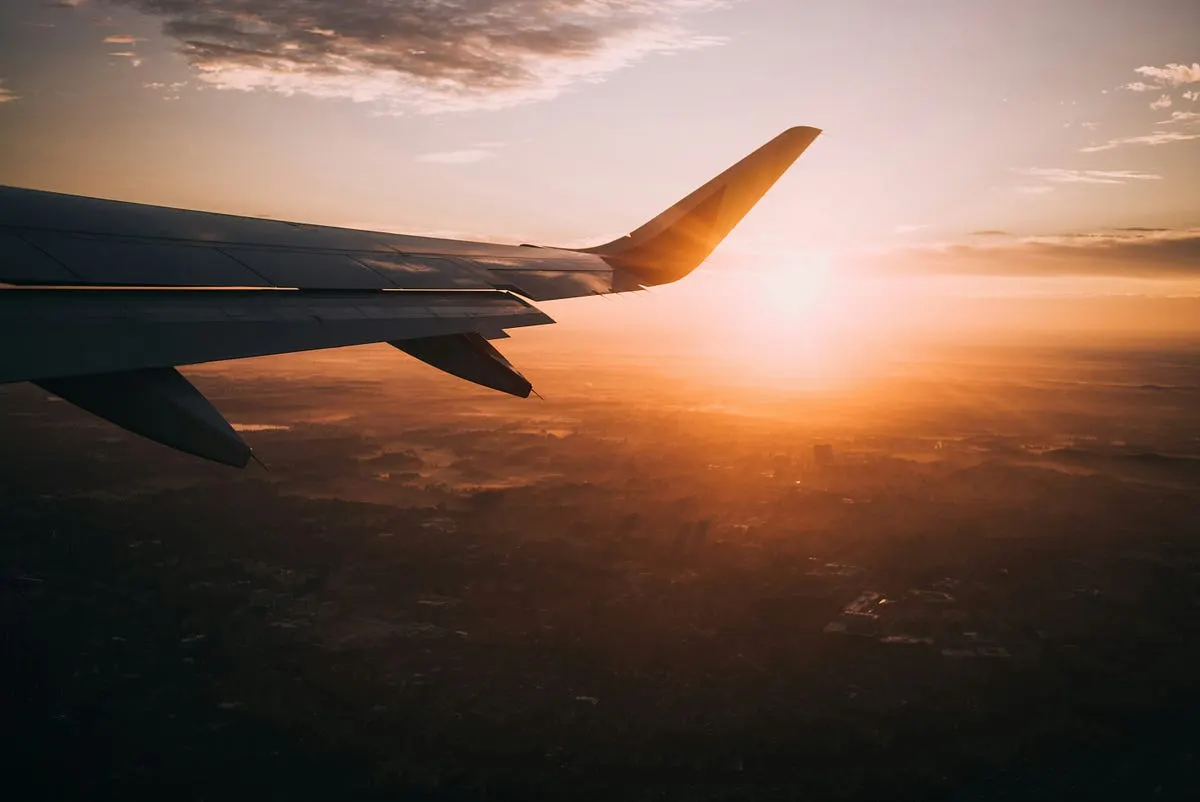
Photo by Nils Nedel on Unsplash
There’s something magical about capturing the essence of a place through a camera lens. As someone who has spent years pursuing travel photography, I’ve learned that this craft is more than just taking pretty pictures of exotic locations — it’s about telling stories, preserving moments, and sharing perspectives that can transport viewers across continents.
Finding Your “Why”
Before diving into the technical aspects, let me share why I chose this path. For me, travel photography wasn’t just about creating beautiful images; it was about connecting with different cultures and sharing stories that might otherwise go untold. Whether it’s documenting the weathered faces of local artisans or capturing the fleeting magic of a sunrise over ancient ruins, each image carries a piece of the world’s vast narrative.
Essential Skills and Equipment
Technical Foundation
- Master the Basics: Start with understanding the exposure triangle (ISO, aperture, shutter speed). I spent countless hours practicing in my local area before venturing abroad.
- Learn Your Equipment: You don’t need the most expensive gear to start. My first travel assignments were shot with a basic DSLR and kit lens. Focus on:
- A reliable camera body
- Versatile zoom lens (24–70mm is my go-to)
- Lightweight tripod
- Backup storage solutions
- Weather-protective gear
Beyond the Camera
- Research Skills: Understanding your destinations, cultural norms, and local customs is crucial
- People Skills: Some of my best shots came after spending time building rapport with locals
- Physical Stamina: Be prepared for long days, early mornings, and challenging conditions
- Basic Language Skills: Learning key phrases in local languages has opened many doors for me
Building Your Portfolio
Start local. I began by treating my hometown like a tourist destination, which helped me:
- Develop my style without the pressure of travel costs
- Practice approaching strangers and telling stories through images
- Build a initial portfolio to show potential clients
Developing Your Style
Your unique perspective is your greatest asset. While it’s fine to draw inspiration from other photographers, focus on developing your personal vision. For me, this meant:
- Focusing on environmental portraits
- Using natural light creatively
- Incorporating local architecture and landscapes
- Finding beauty in everyday moments
Making It Sustainable
Multiple Revenue Streams
Don’t put all your eggs in one basket. My income comes from:
- Stock photography
- Travel magazine submissions
- Social media collaborations
- Photography workshops
- Print sales
- Content creation for tourism boards
Building Your Brand
- Create a professional website showcasing your best work
- Maintain active social media presence
- Network with other photographers and industry professionals
- Develop a consistent editing style
- Share behind-the-scenes content and stories
Practical Tips from the Field
Before the Trip
- Research sunrise/sunset times
- Map out key locations
- Connect with local photographers
- Check photography permissions for attractions
- Pack backup equipment
During the Shoot
- Wake up early to catch the golden hour
- Interact respectfully with locals
- Always carry spare batteries and memory cards
- Keep a shot list but stay open to spontaneous moments
- Back up your photos daily
Common Challenges and Solutions
Challenge 1: Funding Your Travels
- Start with nearby destinations
- Combine personal trips with assignments
- Look for travel photography contests
- Partner with tourism boards
- Build a social media following
Challenge 2: Standing Out
- Focus on unique angles and perspectives
- Tell stories through photo series
- Develop expertise in specific niches (food, architecture, portraits)
- Create content that educates and inspires
Sustainability and Ethics
As travel photographers, we have a responsibility to:
- Respect local customs and traditions
- Practice sustainable tourism
- Represent destinations honestly
- Support local communities
- Share authentic stories
Final Thoughts
Becoming a travel photographer is a journey that requires patience, dedication, and continuous learning. Remember that every established photographer started somewhere. Focus on developing your skills, building meaningful connections, and staying true to your creative vision.
While the path isn’t always easy, the rewards of capturing and sharing the world’s beauty make every challenge worthwhile. Start small, stay persistent, and let your passion for both travel and photography guide your journey.
Remember: The best camera is the one you have with you, and the best time to start is now.
Written by
Marien CartelProfessional and Certified Digital Photographer born in the USA, with 22 years of experience in the field of photography.
Related Guides
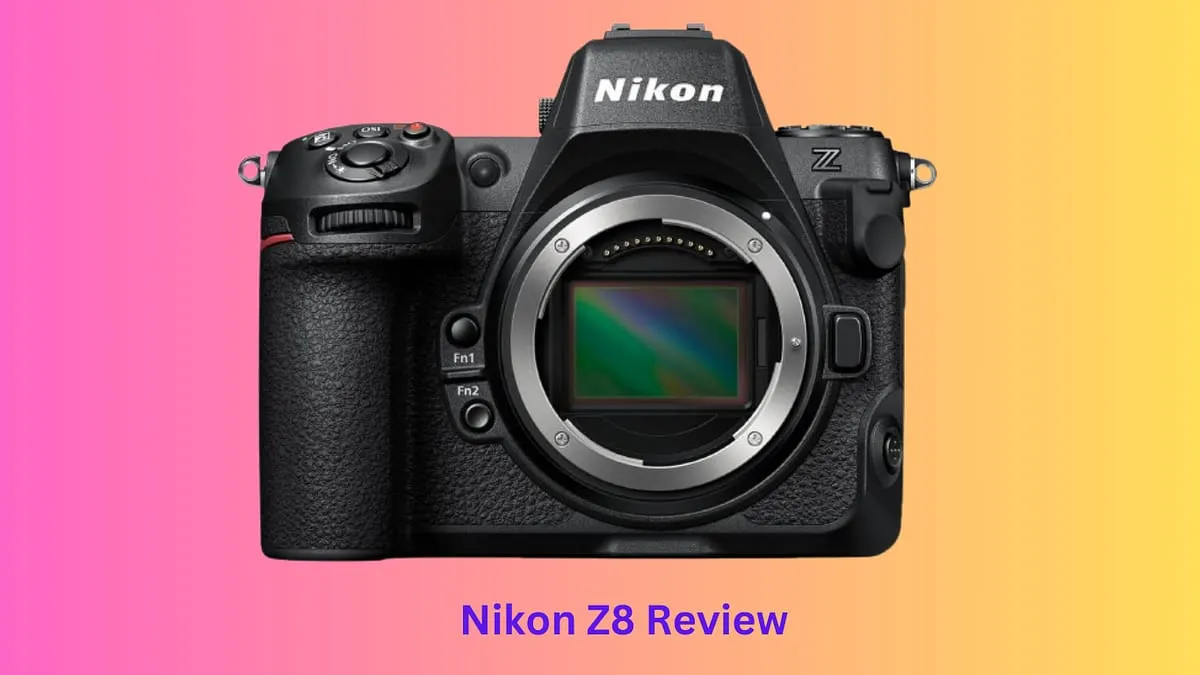
Nikon Z8 Review
A Professional Photographer’s Comprehensive Review — my picks are the Nikon Z8, Canon EOS R5 and Sony a1, with the honest trade-offs of each.

Nikon Zf vs Fujifilm X100VI
The Tactile Dilemma: Why the Fujifilm X100VI and Nikon Zf Forced Me to Rethink Everything
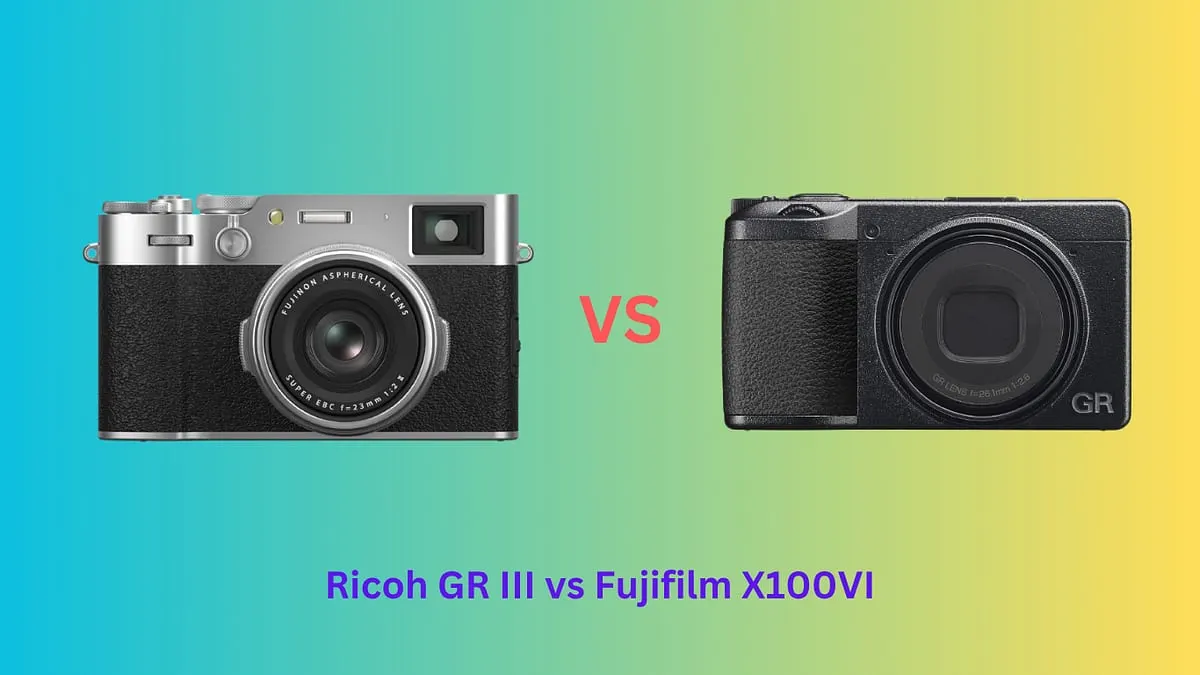
Ricoh GR III vs Fujifilm X100VI
The Camera I Almost Didn’t Buy, and the One I Almost Returned: the Fujifilm X100VI and Ricoh GR III side by side, and the one I would pick myself.