How do I get started in sports photography?
As an Amazon Associate we earn from qualifying purchases. Some links in this guide are affiliate links — see our affiliate disclosure for details.
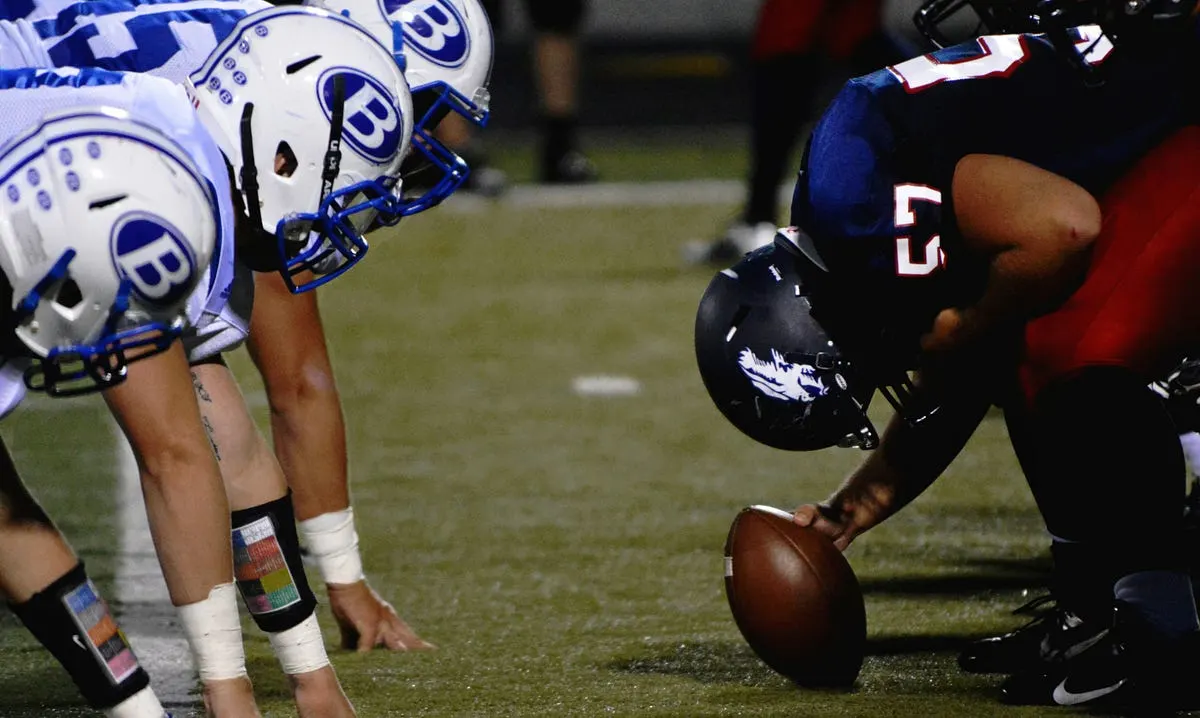
Photo by Nathan Shively on Unsplash
It all began on a crisp autumn evening at my local high school’s football field. I had just purchased my first DSLR camera — a modest Canon Rebel T6i — and decided to test it out at my nephew’s game. Little did I know that this casual Friday night shoot would ignite a passion that would transform my life.
The first photos were terrible: blurry players, missed tackles, and more photos of the ground than the game. But there was something magical about capturing that perfect moment — when a receiver stretches out for a seemingly impossible catch, or when a running back finds that elusive gap in the defense.
Essential Gear to Get Started
The Camera Body
Your journey doesn’t need to start with expensive gear. My recommendations for beginners:
- Entry-level DSLR or mirrorless camera with good autofocus
- Ability to shoot at least 5 frames per second
- Decent high ISO performance for night games
- Weather sealing is a plus, but not mandatory
Lenses
The heart of sports photography lies in your glass. Start with:
- 70–200mm f/2.8 lens (can be third-party to save money)
- 24–70mm f/2.8 for closer action and environmental shots
- If budget is tight, even a 55–250mm kit lens can work initially
Essential Accessories
- Fast memory cards (at least 95MB/s write speed)
- Extra batteries
- Monopod for supporting heavy lenses
- Weather protection for your gear
- Comfortable camera strap
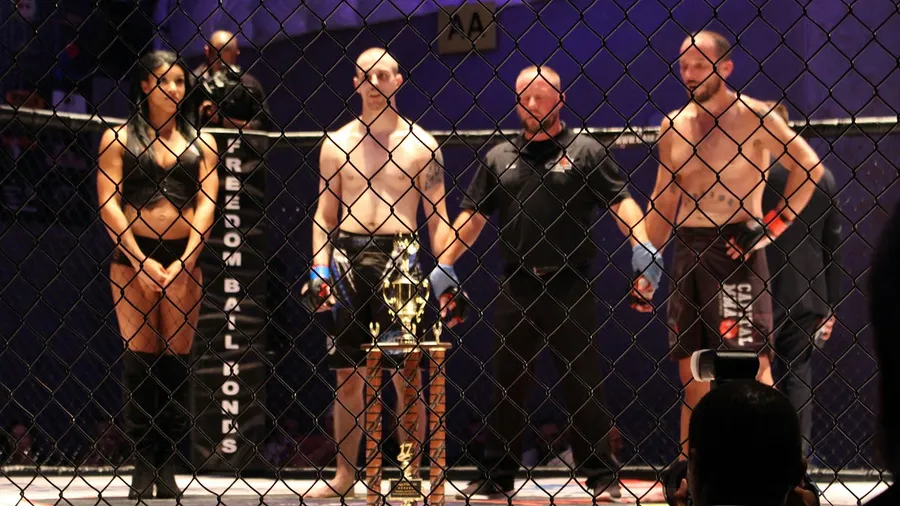
Photo by Derrick Treadwell on Unsplash
Technical Skills to Master
1. Understanding Exposure Triangle
For sports, you’ll typically want:
- Shutter speed: 1/1000s or faster for freezing action
- Aperture: As wide as possible (f/2.8-f/4)
- ISO: Auto ISO with upper limit set based on your camera’s capabilities
2. Focus Settings
- Back-button focus is your friend
- Use continuous autofocus (AI Servo for Canon, AF-C for Nikon)
- Learn to use focus points and zones effectively
3. Burst Mode
- Learn when to start and stop your burst sequences
- Don’t spray and pray — anticipate the action
Tips from My Experience
Position Yourself Well
- Study the sport you’re shooting
- Learn player patterns and game flow
- Position yourself where the action is likely to come
- Be mindful of backgrounds — avoid cluttered or distracting elements
Building Relationships
Start local:
- High school sports
- Local leagues
- Amateur tournaments
Network with:
- Other photographers
- Coaches
- Athletic directors
- Local sports editors
Common Mistakes to Avoid
- Don’t chimp (constantly checking your LCD screen)
- Don’t forget to capture emotion and reaction shots
- Don’t stay in one spot — move around for varied perspectives
- Don’t forget to backup your images immediately after the game
Growing Your Skills
Practice Exercises
- Track moving objects (cars, birds, pets) to develop panning skills
- Shoot in challenging lighting conditions to master exposure
- Practice focusing on unpredictable subjects
- Work on timing through anticipation drills
Portfolio Development
- Create a dedicated sports photography website
- Maintain an active Instagram presence
- Join sports photography groups on social media
- Submit to local newspapers and websites
Final Thoughts
Remember, every great sports photographer started somewhere. My journey began with those blurry football photos, but persistence and passion drove me forward. Focus on learning one skill at a time, build your network gradually, and most importantly, enjoy the process.
The beauty of sports photography lies in capturing those split-second moments that tell compelling stories. Whether it’s the determination in an athlete’s eyes, the grace of a perfect play, or the raw emotion of victory or defeat, these are the moments that make this craft so rewarding.
Start small, dream big, and keep shooting. The perfect shot is always just one frame away.
Written by
Marien CartelProfessional and Certified Digital Photographer born in the USA, with 22 years of experience in the field of photography.
Related Guides
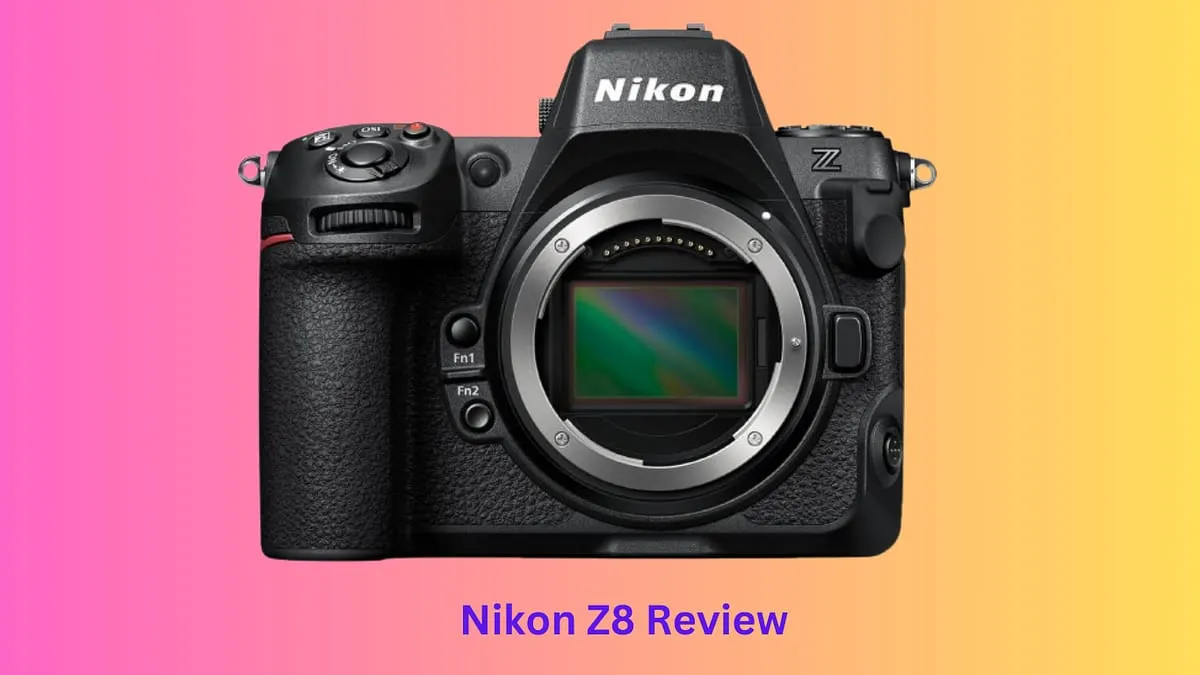
Nikon Z8 Review
A Professional Photographer’s Comprehensive Review — my picks are the Nikon Z8, Canon EOS R5 and Sony a1, with the honest trade-offs of each.
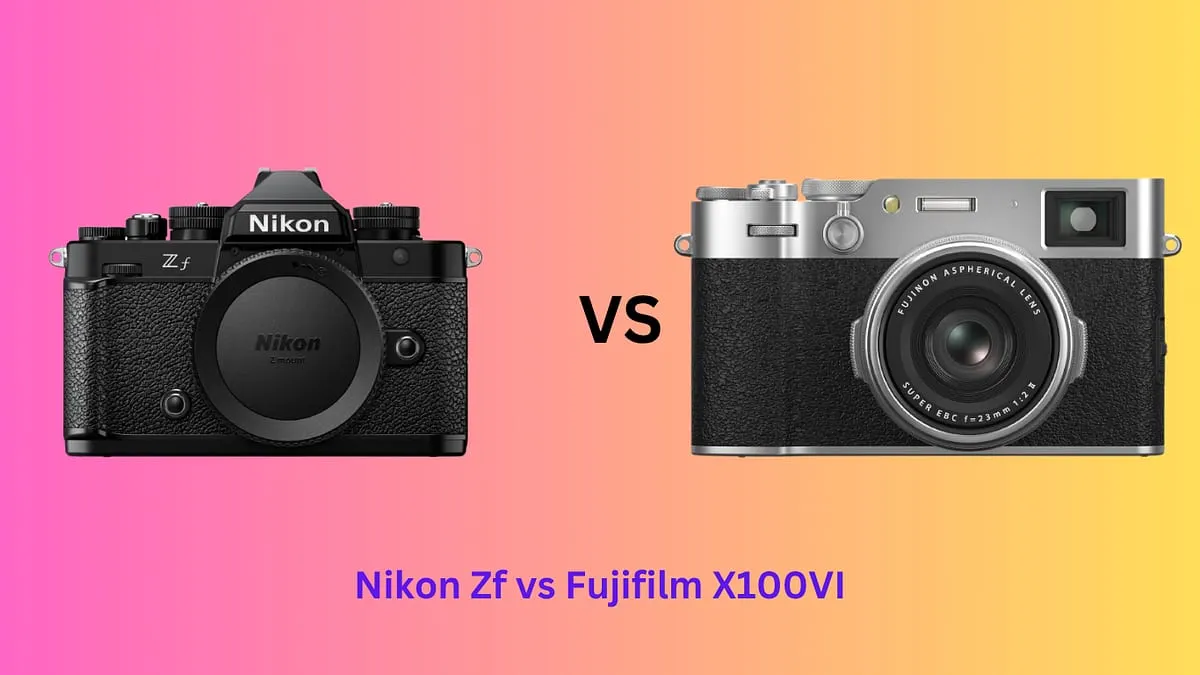
Nikon Zf vs Fujifilm X100VI
The Tactile Dilemma: Why the Fujifilm X100VI and Nikon Zf Forced Me to Rethink Everything
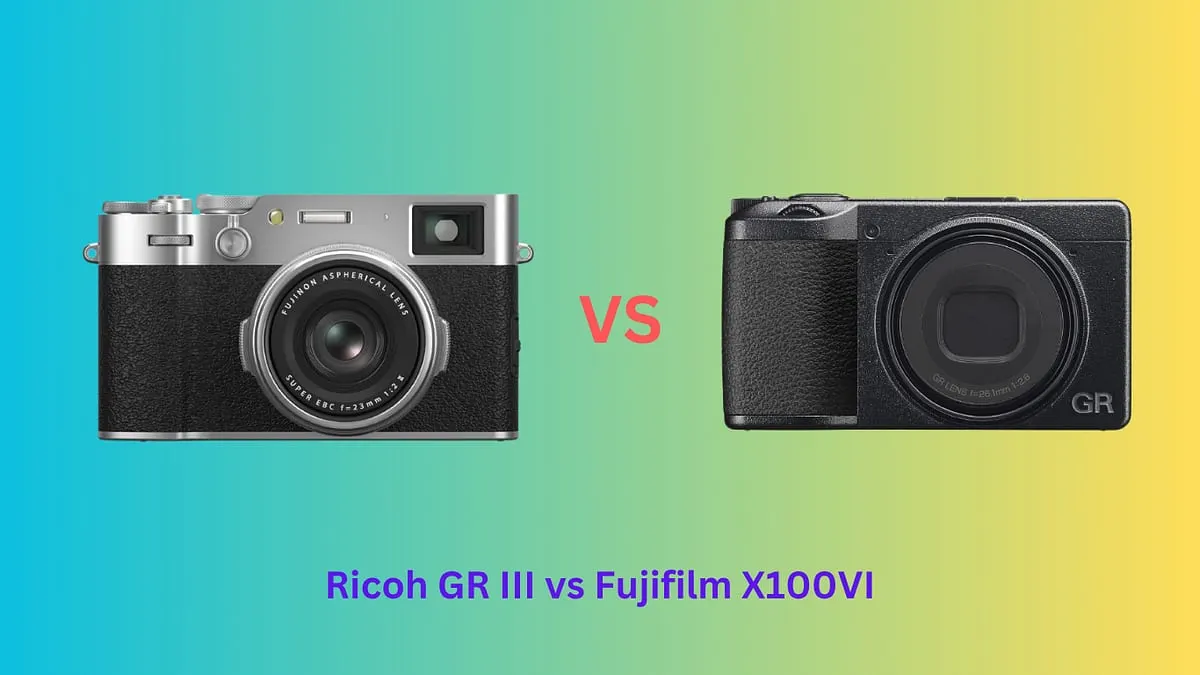
Ricoh GR III vs Fujifilm X100VI
The Camera I Almost Didn’t Buy, and the One I Almost Returned: the Fujifilm X100VI and Ricoh GR III side by side, and the one I would pick myself.