Fujifilm X-S20 Review
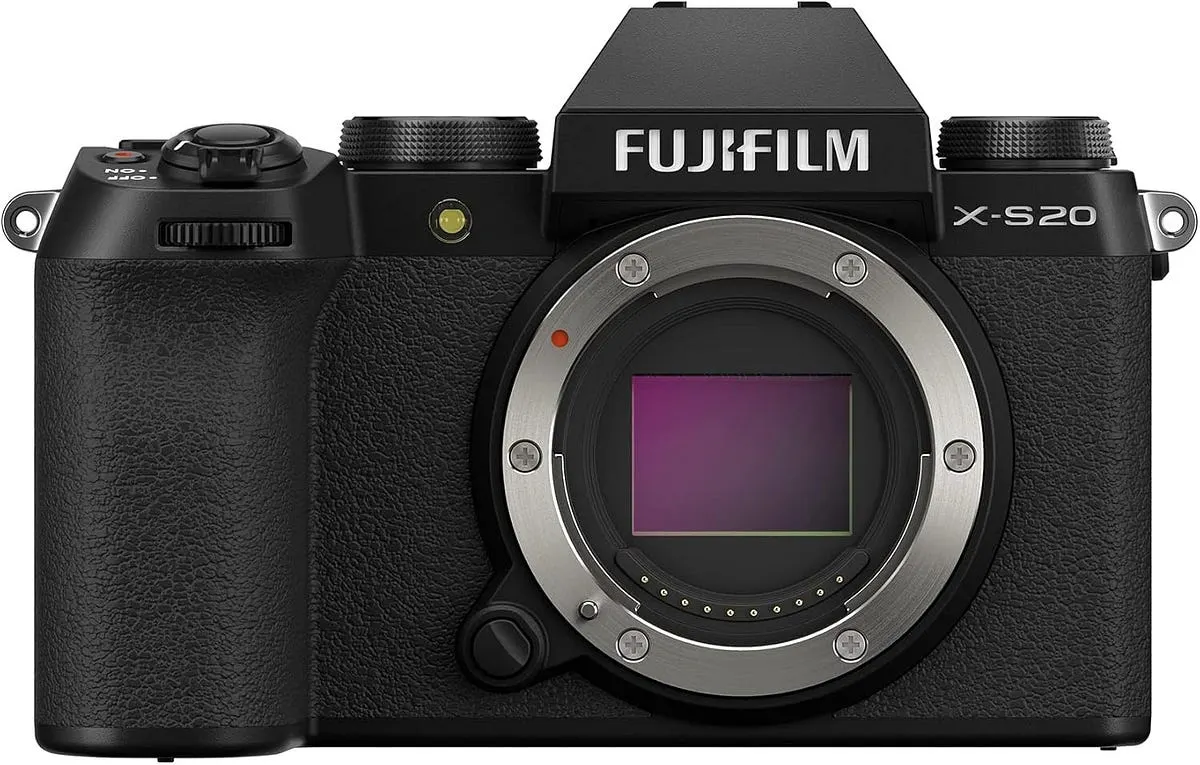
As an Amazon Associate we earn from qualifying purchases. Some links in this guide are affiliate links — see our affiliate disclosure for details.
As an avid photographer and videographer, I was thrilled to get my hands on the Fujifilm X-S20, a camera that promises to blend high-quality imaging with user-friendly features. My journey with the X-S20 not only allowed me to explore its capabilities but also provided a chance to reflect on my experiences as a creator.
First Impressions and Build Quality
Upon unboxing the X-S20, I was immediately struck by its compact design and lightweight build. Weighing just 491g, it felt comfortable in my hands, making it an ideal companion for long shooting sessions. The grip is slightly thicker than its predecessor, the X-S10, which provided better stability when using larger lenses. This ergonomic improvement made a noticeable difference during my street photography outings, where I often found myself shooting for hours on end without discomfort.
Image Quality and Performance
The X-S20 features a 26.1MP BSI X-Trans sensor, delivering stunning image quality with vibrant colors and excellent dynamic range. I tested this during a recent trip to the bustling streets of Lahore, capturing everything from candid portraits to vibrant street scenes. The camera’s ability to reproduce colors accurately without looking artificial was particularly impressive; the pinks of flower vendors and the muted greens of city parks came out beautifully.
One of the standout features for me was the in-body image stabilization (IBIS), which offers up to seven stops of compensation. This feature proved invaluable while shooting handheld in low-light conditions, allowing me to capture sharp images without the need for a tripod.
The upgraded battery life also impressed me; I managed to shoot over 1000 frames on a single charge, which is a significant improvement over previous models.

Photo by Tolga Ahmetler on Unsplash

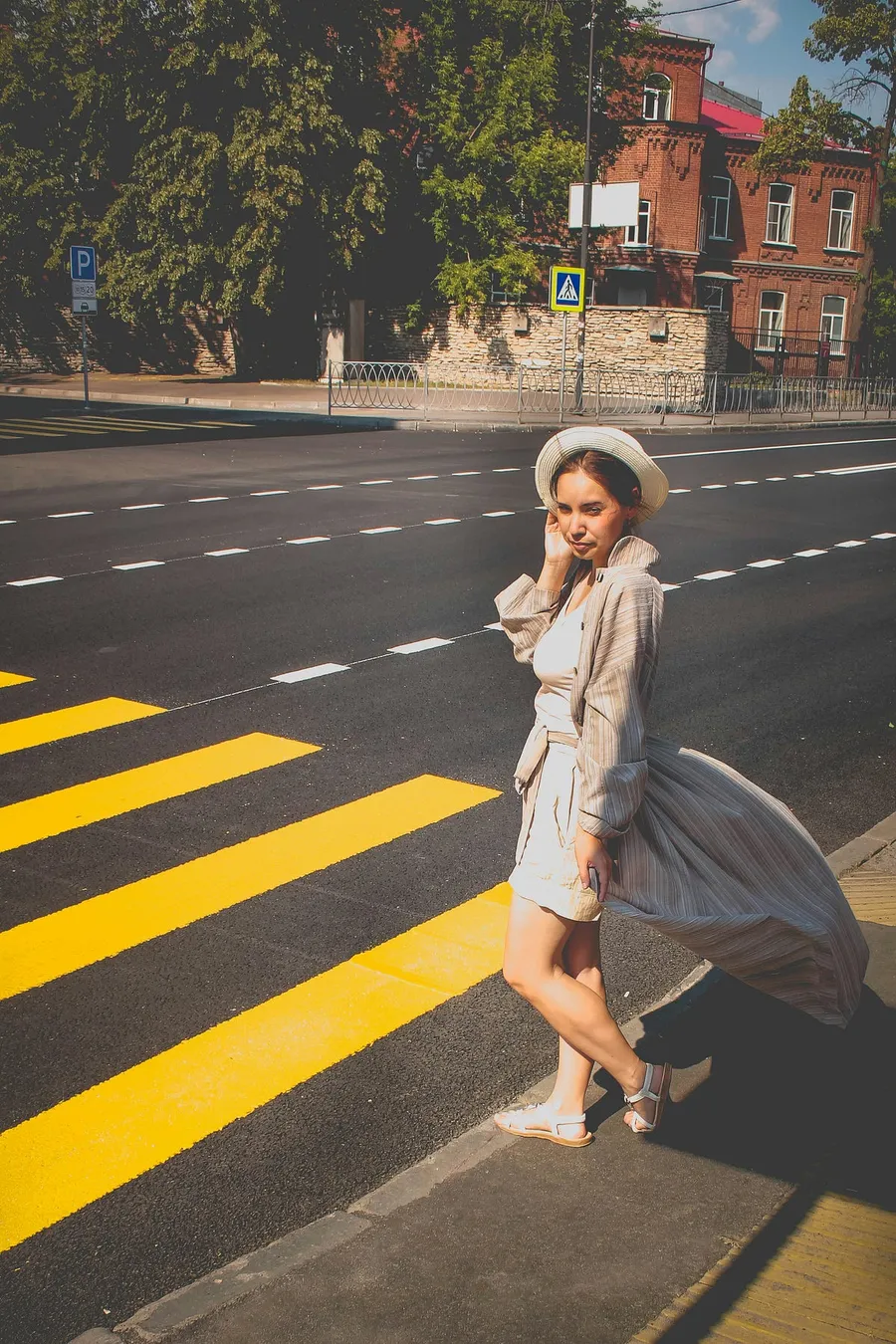
Photo by Vadym Lebedych on Unsplash

Video Capabilities
As someone who often dabbles in videography, I was eager to test the X-S20’s video features. It supports 6.2K video at 30fps, making it an excellent choice for hybrid shooters like myself. During a recent event, I recorded several clips that showcased the camera’s ability to handle dynamic movements smoothly. The autofocus system is noticeably faster and more reliable than previous models, ensuring that I never missed a moment.
I also appreciated the camera’s various creative options, including film simulations like Nostalgic Negative, which added a unique touch to my footage. This feature allowed me to experiment with different aesthetics without needing extensive post-processing.

User Experience and Customization
Using the X-S20 felt intuitive right from the start. The camera’s menu system is well-organized, and I quickly customized settings to suit my shooting style. I particularly enjoyed setting up custom profiles for different scenarios — whether it was street photography or vlogging — making transitions seamless during shoots.
However, my initial excitement turned into frustration when I attempted to use it as a webcam for an online meeting. Despite following all setup instructions meticulously, I encountered connectivity issues that left me scrambling for alternatives. This experience highlighted some of the quirks that come with new technology — sometimes it’s not as “idiot-proof” as advertised.
Conclusion: A Camera for Every Creator
Reflecting on my time with the Fujifilm X-S20, I can confidently say that it stands out as one of the best mid-tier cameras available today. Its blend of photo and video capabilities, combined with user-friendly features and robust build quality, makes it suitable for both enthusiasts and professionals alike.
Whether you’re capturing fleeting moments on the streets or creating high-quality video content, the X-S20 delivers exceptional performance without overwhelming complexity. It has certainly earned its place in my camera bag as a versatile tool that inspires creativity and exploration.
In conclusion, if you’re in the market for a capable hybrid camera that balances performance with portability, look no further than the Fujifilm X-S20 — it might just change your creative journey as it did mine.
Fujifilm X-S20 Review: Pros and Cons with Personal Insights
After spending considerable time with the Fujifilm X-S20, I’ve compiled a list of pros and cons based on my experiences. This camera has been a companion on various adventures, and while it has many strengths, it also has a few drawbacks that are worth mentioning. Here’s a detailed look at the pros and cons, intertwined with my personal story.
Pros of the Fujifilm X-S20
1. Exceptional Image Quality
One of the standout features of the X-S20 is its 26.1MP BSI X-Trans sensor, which delivers stunning images with vibrant colors and excellent detail. During my recent trip to Lahore, I captured street scenes that truly reflected the city’s essence. The colors were rich and true-to-life, especially when photographing local markets filled with spices and textiles.
2. In-Body Image Stabilization (IBIS)
The IBIS system was a game-changer for me, especially during low-light conditions. While shooting at dusk, I was able to capture sharp images without a tripod, something that would have been difficult with my previous camera. This feature gave me the confidence to experiment more freely, knowing I could rely on the stabilization.
3. Compact and Lightweight Design
The X-S20’s lightweight build made it easy to carry around during my street photography sessions. I often found myself wandering through narrow alleyways, and the camera’s compact size allowed me to blend in rather than draw attention. This was particularly beneficial when capturing candid moments of locals going about their daily lives.
4. Versatile Video Capabilities
As someone who enjoys creating video content, I appreciated the 6.2K video recording capabilities. During a recent event, I filmed various activities and was impressed by how smoothly everything came out, even when capturing fast-moving subjects like dancers. The autofocus system kept up remarkably well, ensuring that I didn’t miss any important moments.
5. User-Friendly Interface
The customizable controls and intuitive menu system made it easy for me to adapt the camera to my shooting style quickly. I set up different profiles for photography and videography, allowing me to switch seamlessly between modes during shoots.
Cons of the Fujifilm X-S20
1. Webcam Functionality Issues
While I was excited about using the X-S20 as a webcam for an online meeting, I faced unexpected connectivity issues that left me frustrated. Despite following all setup instructions carefully, I struggled to get it working smoothly. This experience reminded me that even great technology can have its quirks, and sometimes it’s best to have a backup plan.
2. Limited Battery Life for Heavy Use
Although the battery life is generally impressive, during an all-day shoot where I recorded both photos and videos extensively, I found myself needing to recharge sooner than expected. It’s essential for hybrid shooters like me to be mindful of battery management during long sessions.
3. No Weather Sealing
While the X-S20 is built well for everyday use, it lacks weather sealing. On one occasion while shooting in light rain at a local festival, I felt uneasy about exposing the camera to moisture. This limitation made me hesitate in situations where weather conditions were less than ideal.
4. Price Point
While not excessively priced compared to other mid-range cameras, the X-S20 is still an investment. For beginners or casual photographers, it may feel like a significant commitment without prior experience with Fujifilm systems.
Conclusion: A Balanced Perspective
In summary, my journey with the Fujifilm X-S20 has been overwhelmingly positive despite some minor drawbacks. The camera excels in image quality, stabilization, and versatility — qualities that have enhanced my photography and videography experiences immensely.
However, potential buyers should consider their specific needs — especially regarding webcam functionality and battery life — before making a decision. Overall, if you’re looking for a capable hybrid camera that inspires creativity and exploration while being easy to use on-the-go, the Fujifilm X-S20 is certainly worth considering!
How has the Fujifilm X-S20 impacted my photography journey
The Fujifilm X-S20 has significantly impacted my photography journey, enhancing both my skills and my overall experience as a creator. Here’s how this camera has shaped my path, reflecting on its features and my personal growth in photography.
Enhanced Creativity and Exploration
When I first picked up the X-S20, I was immediately impressed by its user-friendly interface and customizable settings. This allowed me to experiment with various shooting styles without feeling overwhelmed. The camera’s AI-based autofocus system, which can detect a wide range of subjects, made it easier for me to focus on composition rather than worrying about whether my subject would be sharp. This feature was particularly beneficial during street photography sessions, where quick reflexes are essential. I found myself capturing moments I might have missed with my previous camera.
Improved Image Quality
The 26.1MP BSI X-Trans sensor in the X-S20 has taken my image quality to new heights. I vividly remember a day spent photographing the vibrant streets of Toronto. The colors were rich and dynamic, capturing the essence of the city beautifully. This improvement in image quality has encouraged me to explore more complex compositions and lighting situations, pushing my creative boundaries.

Photo by Arturo Castaneyra on Unsplash

Photo by Alora Griffiths on Unsplash
Versatility in Photography and Videography
One of the most exciting aspects of the X-S20 is its dual functionality for both photography and videography. As someone who enjoys creating content for social media, the ability to shoot 6.2K video with excellent stabilization has been a game-changer. During a recent event, I was able to seamlessly transition from capturing stills to recording video without needing to switch cameras. This versatility has not only saved me time but has also allowed me to tell more comprehensive stories through my work.
Building Community
Moving to a new city can be daunting, especially when you don’t know anyone. However, the Fujifilm X-S20 helped me connect with the local photography community in Toronto. By sharing my work online and participating in local meetups, I found like-minded individuals who share my passion for photography. The camera became a conversation starter, allowing me to build friendships based on our shared interests.
Overcoming Challenges
While the X-S20 has many strengths, it hasn’t been without its challenges. For instance, I encountered some issues when trying to use it as a webcam for virtual meetings — something that left me feeling frustrated at times. However, these challenges have taught me patience and adaptability, essential traits for any photographer.
Conclusion: A Transformative Tool
In summary, the Fujifilm X-S20 has profoundly impacted my photography journey by enhancing my creativity, improving image quality, and providing versatility in both stills and video. It has also facilitated connections within the photography community that have enriched my experience as a creator. As I continue to explore new techniques and subjects with this camera, I am excited about where this journey will take me next. The X-S20 is not just a tool; it has become an integral part of my story as a photographer.
As an Amazon Associate, I earn from qualifying purchases at no additional cost to you. Thank you for your support!

Written by
Marien CartelProfessional and Certified Digital Photographer born in the USA, with 22 years of experience in the field of photography.
Related Guides
Nikon Z8 Review
A Professional Photographer’s Comprehensive Review — my picks are the Nikon Z8, Canon EOS R5 and Sony a1, with the honest trade-offs of each.
Nikon Zf vs Fujifilm X100VI
The Tactile Dilemma: Why the Fujifilm X100VI and Nikon Zf Forced Me to Rethink Everything
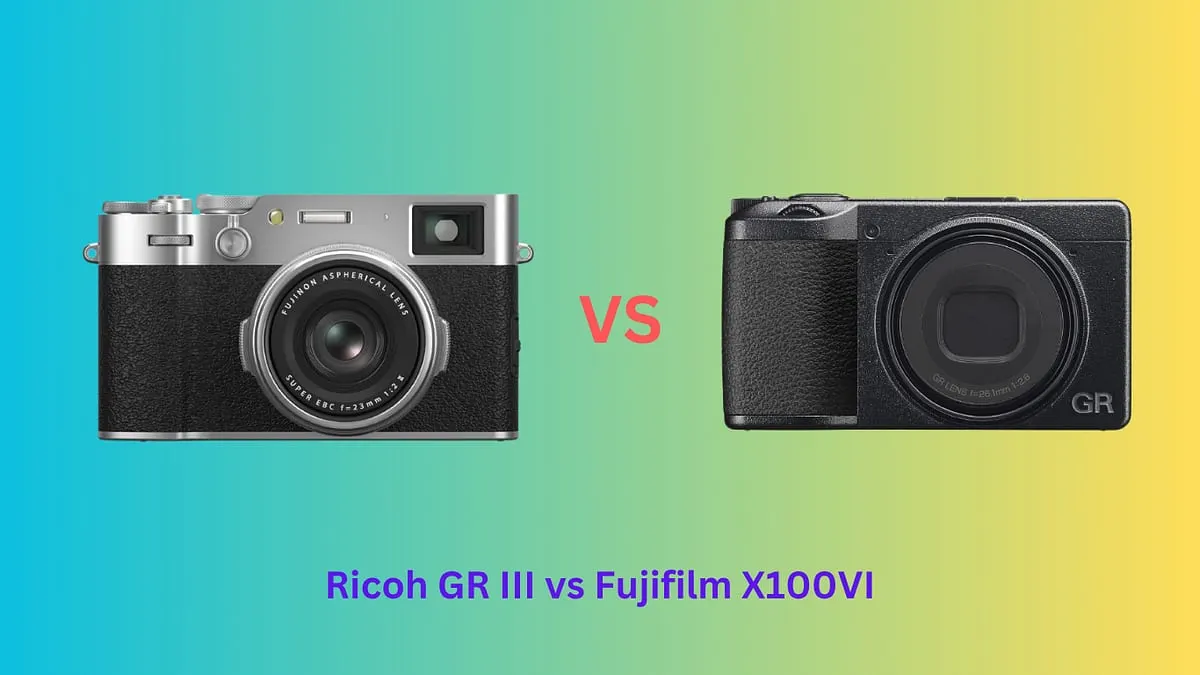
Ricoh GR III vs Fujifilm X100VI
The Camera I Almost Didn’t Buy, and the One I Almost Returned: the Fujifilm X100VI and Ricoh GR III side by side, and the one I would pick myself.