Fujifilm X-M5 Review
As an Amazon Associate we earn from qualifying purchases. Some links in this guide are affiliate links — see our affiliate disclosure for details.
The Fujifilm X-M5 has quickly become one of my favorite cameras, and my experience with it has been both enlightening and enjoyable. As someone who has dabbled in photography for years, transitioning from smartphone photography to more serious gear, the X-M5 presented an exciting opportunity to explore new creative avenues. Here’s a detailed review based on my personal story and experience with this remarkable camera.
Design and Build Quality
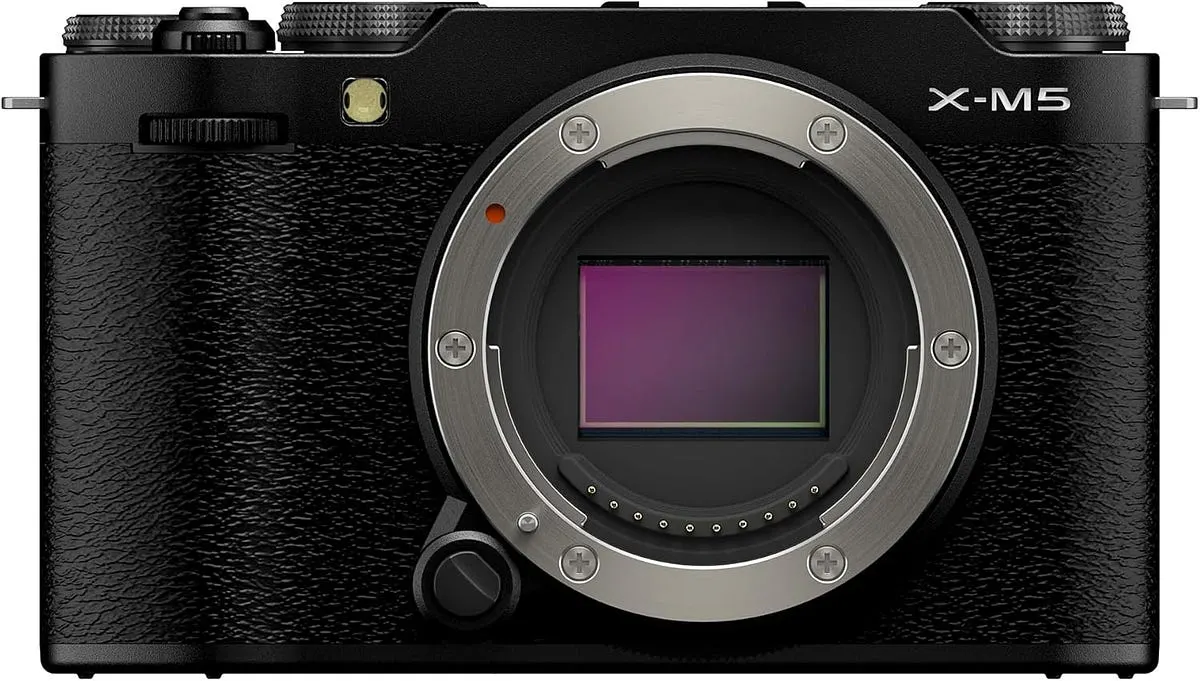
From the moment I unboxed the X-M5, I was struck by its compact size and stylish design. The classic chrome-on-black aesthetic is not only visually appealing but also practical for everyday use. Weighing in at just over 400 grams, it fits comfortably in my hand and easily slips into my bag, making it an ideal companion for travel and spontaneous outings.
The controls are intuitive, featuring two command dials that allow for quick adjustments to settings such as aperture and ISO. I particularly appreciated the dedicated film simulation dial, which lets me experiment with various Fujifilm film styles effortlessly. This feature has become a hallmark of my shooting style, allowing me to achieve unique looks without extensive post-processing.
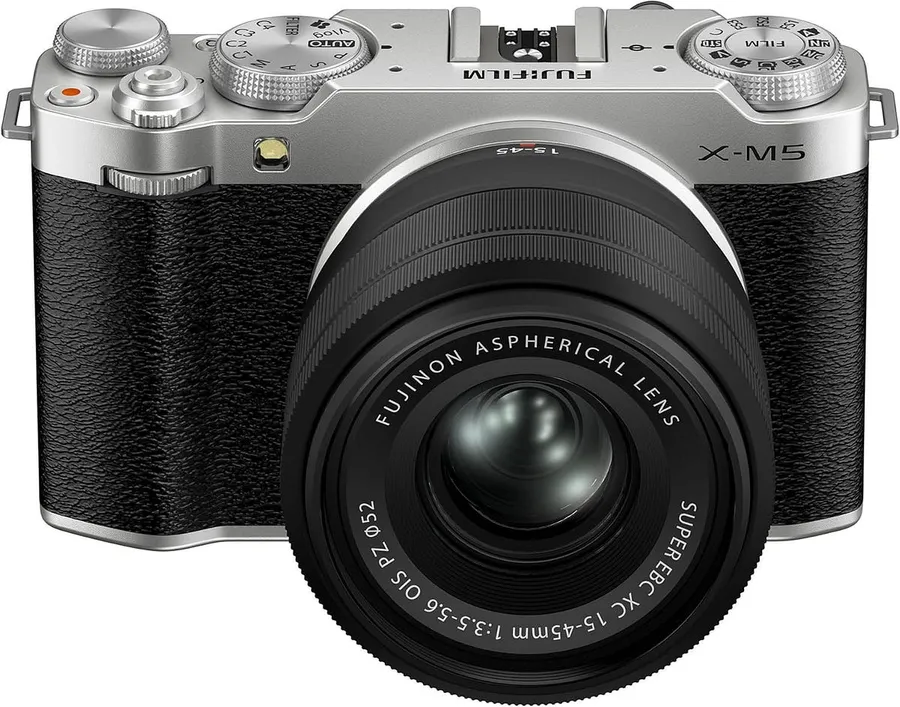
Image Quality and Performance
Equipped with a 26.1MP APS-C X-Trans sensor, the X-M5 delivers stunning image quality that rivals many higher-end models. My initial tests revealed vibrant colors and impressive dynamic range, especially when using the Provia film simulation mode. The camera excels in low-light conditions as well, producing clean images even at higher ISO settings.
The autofocus system is another standout feature. With advanced subject detection capabilities for humans, animals, and vehicles, I found it particularly effective during my recent trip to a local park where I captured images of birds in flight. The camera’s ability to track moving subjects gave me confidence in its performance during fast-paced shooting scenarios.

Photo by Levi Stute on Unsplash

Photo by Tim Marshall on Unsplash

Photo by Gary Bendig on Unsplash

Photo by joel herzog on Unsplash

Photo by Jp Valery on Unsplash

Photo by Sid Ramirez on Unsplash
Video Capabilities
As someone who enjoys creating video content, the X-M5’s video features have been a game-changer for me. It supports 6.2K video recording at 30 frames per second, which has allowed me to produce high-quality content for my social media channels. The fully articulating touchscreen is incredibly useful for vlogging; I can easily frame myself while speaking directly to the camera.
However, I did encounter some challenges with autofocus consistency during video recording. While it generally performs well, there were moments when it shifted focus unexpectedly, which could be distracting in certain situations. Despite this minor setback, the overall video quality is impressive for a camera in this price range.
Limitations
No product is without its flaws, and the X-M5 is no exception. One of the most notable omissions is the absence of an electronic viewfinder (EVF). As someone who often shoots in bright sunlight or prefers composing shots through a viewfinder, this was a significant drawback for me. While I adapted to using the LCD screen, I still found myself longing for the precision an EVF provides.
Additionally, the lack of in-body image stabilization (IBIS) means that achieving stable shots at slower shutter speeds can be challenging. Although the XC 15–45mm kit lens offers optical stabilization, I often found myself compensating with faster shutter speeds or relying on digital stabilization during video recording.
Fujifilm X-M5: Pros and Cons Based on My Personal Experience
Having spent considerable time with the Fujifilm X-M5, I’ve gathered insights that highlight both its strengths and weaknesses. Here’s a detailed look at the pros and cons, enriched by my personal experiences.
Pros
Compact and Lightweight Design
One of the first things I noticed about the X-M5 was its portability. Weighing just over 400 grams, it’s incredibly easy to carry around. During a recent trip to the city, I appreciated how effortlessly it fit into my bag, allowing me to capture spontaneous moments without feeling burdened by heavy gear.
Exceptional Image Quality
The 26.1MP APS-C X-Trans sensor produces stunning images with vibrant colors and excellent dynamic range. I remember taking photos during a sunset, and the colors were so rich that they felt almost lifelike. The Provia film simulation mode has become my go-to for everyday shooting, giving my images a distinctive Fujifilm aesthetic.
Intuitive Controls
The layout of buttons and dials is user-friendly, making it easy to adjust settings on the fly. I found myself quickly adapting to the controls, which allowed me to focus more on composition rather than fumbling with settings. This was particularly beneficial during a recent outdoor event where capturing fleeting moments was crucial.
Versatile Video Capabilities
As someone who enjoys creating video content, I was thrilled with the X-M5’s ability to shoot 6.2K video at 30fps. The fully articulating touchscreen made vlogging a breeze; I could see myself while filming and ensure I was in frame. This feature has significantly enhanced my content creation process.
Film Simulation Modes
Fujifilm’s film simulations are a standout feature that has greatly influenced my shooting style. Each mode offers a unique look that can transform an ordinary scene into something special. For instance, using the Velvia simulation during a nature walk allowed me to capture lush greens and vibrant flowers in a way that felt nostalgic.
Cons
Lack of Electronic Viewfinder (EVF)
One of the most significant drawbacks for me has been the absence of an EVF. While I initially thought I could adapt to using only the LCD screen, I found it challenging in bright sunlight or when composing shots at awkward angles. There were moments during a family gathering when I struggled to frame my shots accurately because of glare on the screen.
No In-Body Image Stabilization (IBIS)
The lack of IBIS can make shooting at slower shutter speeds tricky, especially in low-light situations. During an evening event, I had to be extra cautious with my settings to avoid camera shake in my photos. While the optical stabilization in the kit lens helped somewhat, it didn’t fully compensate for this limitation.
Autofocus Inconsistencies in Video
While the autofocus system is generally reliable for still photography, I encountered some inconsistencies during video recording. There were times when it unexpectedly shifted focus away from my subject while vlogging, which was frustrating. This issue made me hesitant to rely solely on autofocus for video projects.
Limited Battery Life
Although not a dealbreaker, I noticed that battery life could be shorter than expected during extended shooting sessions. On one occasion, while out photographing street scenes, I had to change batteries sooner than anticipated, which interrupted my flow. Carrying an extra battery became essential for longer outings.
In conclusion, while the Fujifilm X-M5 has its limitations, my overall experience has been overwhelmingly positive. It’s a camera that inspires creativity and provides excellent image quality in a compact form factor. For anyone looking to step up their photography or videography game without investing in bulky equipment, the X-M5 is certainly worth considering despite its few drawbacks.
What specific features of the Fujifilm X-M5 have been most beneficial for me
The Fujifilm X-M5 has proven to be an invaluable tool in my photography and videography journey. Here are the specific features that have been most beneficial for me, drawn from my personal experiences and the camera’s capabilities.
Key Features That Enhanced My Experience
1. Compact and Lightweight Design
The X-M5’s compact size and lightweight construction have made it a joy to carry around. Whether I’m on a day trip or traveling internationally, this camera fits easily into my bag without adding significant weight. I remember a hiking trip where I was able to capture stunning landscapes without feeling burdened by heavy equipment. Its portability encourages me to take it everywhere, ensuring I never miss an opportunity to shoot.
2. Exceptional Image Quality
Equipped with a 26.1MP APS-C X-Trans sensor, the X-M5 delivers impressive image quality. The vibrant colors and excellent dynamic range have allowed me to capture breathtaking photos. For instance, during a sunset shoot, the colors were so rich and true-to-life that they felt almost magical. The ability to use various film simulations directly in-camera has also added a creative flair to my images, allowing me to experiment with different looks without extensive post-processing.
3. Advanced Autofocus System
The autofocus capabilities of the X-M5 have significantly improved my shooting experience. The predictive algorithm tracks subjects effectively, whether they are people, animals, or moving vehicles. During a recent event, I was able to capture fast-moving subjects effortlessly, thanks to the camera’s ability to maintain focus even in dynamic situations. This feature has boosted my confidence in capturing action shots.
4. Versatile Video Capabilities
As someone who enjoys creating video content, the X-M5’s video features have been a game-changer. The ability to record in 6.2K resolution allows me to produce high-quality videos for my social media channels. The fully articulating touchscreen is particularly useful for vlogging; I can easily frame myself while speaking directly to the camera. Additionally, features like F-Log 2 for flat color profiles make color grading in post-production straightforward.
5. User-Friendly Controls and Customization
The intuitive layout of buttons and dials on the X-M5 has made it easy for me to adjust settings quickly. The dedicated film simulation dial is a standout feature that allows for rapid switching between different styles, which has been invaluable during shoots where time is of the essence. Moreover, the customizable controls mean I can tailor the camera settings to suit my shooting style perfectly.
6. Built-in Microphones for Vlogging
The three built-in microphones with adjustable settings have greatly enhanced my vlogging experience. I can prioritize sound from different directions depending on my shooting environment, which has improved audio quality significantly in my videos. This feature has made it easier for me to create engaging content without needing additional audio equipment.
How has the predictive autofocus algorithm improved my photography
The predictive autofocus algorithm in the Fujifilm X-M5 has significantly improved my photography experience in several ways. Here’s a detailed look at how this advanced feature has enhanced my ability to capture stunning images:
Enhanced Subject Tracking
One of the standout benefits of the predictive autofocus algorithm is its ability to track moving subjects with remarkable accuracy. This feature has been particularly useful during events where action is prevalent, such as sports or wildlife photography. For instance, while photographing birds in flight at a local park, I noticed how the camera maintained focus on the birds as they swooped and darted through the air. The predictive capabilities allowed the camera to anticipate their movement, resulting in sharp, clear images that would have otherwise been challenging to capture.
Improved Focus Accuracy
The integration of AI-driven autofocus has dramatically increased the accuracy of focus in my shots. The algorithm analyzes the speed and direction of moving subjects, which minimizes the chances of missed focus. During a recent family gathering, I was able to capture candid moments of my children playing without worrying about blurry images. The camera’s ability to lock onto their faces and maintain focus even as they moved around made a significant difference in the quality of my photos.
Faster Shooting Response
The speed at which the X-M5 adjusts focus has allowed me to react quickly to spontaneous moments. Traditional autofocus systems can sometimes lag, leading to missed opportunities. However, with predictive autofocus, I found that I could shoot continuously without waiting for the camera to catch up. This was particularly beneficial during a street photography session where capturing fleeting expressions and interactions was essential. The quick response time ensured that I could document those moments as they happened.
Face and Eye Detection
The advanced face and eye detection capabilities of the autofocus system have added a new layer of precision to my portrait photography. By automatically recognizing and focusing on subjects’ eyes, I have been able to create more engaging and intimate portraits. During a recent photoshoot with friends, this feature allowed me to capture their expressions with incredible sharpness, making the images feel more alive and personal.
Consistency Across Different Lighting Conditions
The predictive autofocus algorithm also excels in varying lighting conditions. Whether shooting in bright sunlight or dimly lit environments, the camera maintains reliable focus without significant adjustments needed from me. This adaptability has been invaluable during evening events where lighting can change rapidly. I recall capturing a beautiful sunset while simultaneously photographing guests at an outdoor party; the camera’s ability to adjust focus seamlessly ensured that both scenes were captured beautifully.
Conclusion: A Worthy Investment
Overall, my experience with the Fujifilm X-M5 has been overwhelmingly positive. It strikes an excellent balance between portability and performance, making it suitable for both photography enthusiasts and budding videographers alike. Its stylish design and powerful features have inspired me to explore new creative avenues while providing a reliable tool for capturing life’s moments.
If you’re considering an entry-level camera that offers exceptional value without compromising on quality or features, I wholeheartedly recommend the Fujifilm X-M5. Despite its few limitations, it remains one of the best compact cameras available today — perfect for anyone looking to elevate their photography and videography game without breaking the bank.

Written by
Marien CartelProfessional and Certified Digital Photographer born in the USA, with 22 years of experience in the field of photography.
Related Guides
Nikon Z8 Review
A Professional Photographer’s Comprehensive Review — my picks are the Nikon Z8, Canon EOS R5 and Sony a1, with the honest trade-offs of each.
Nikon Zf vs Fujifilm X100VI
The Tactile Dilemma: Why the Fujifilm X100VI and Nikon Zf Forced Me to Rethink Everything
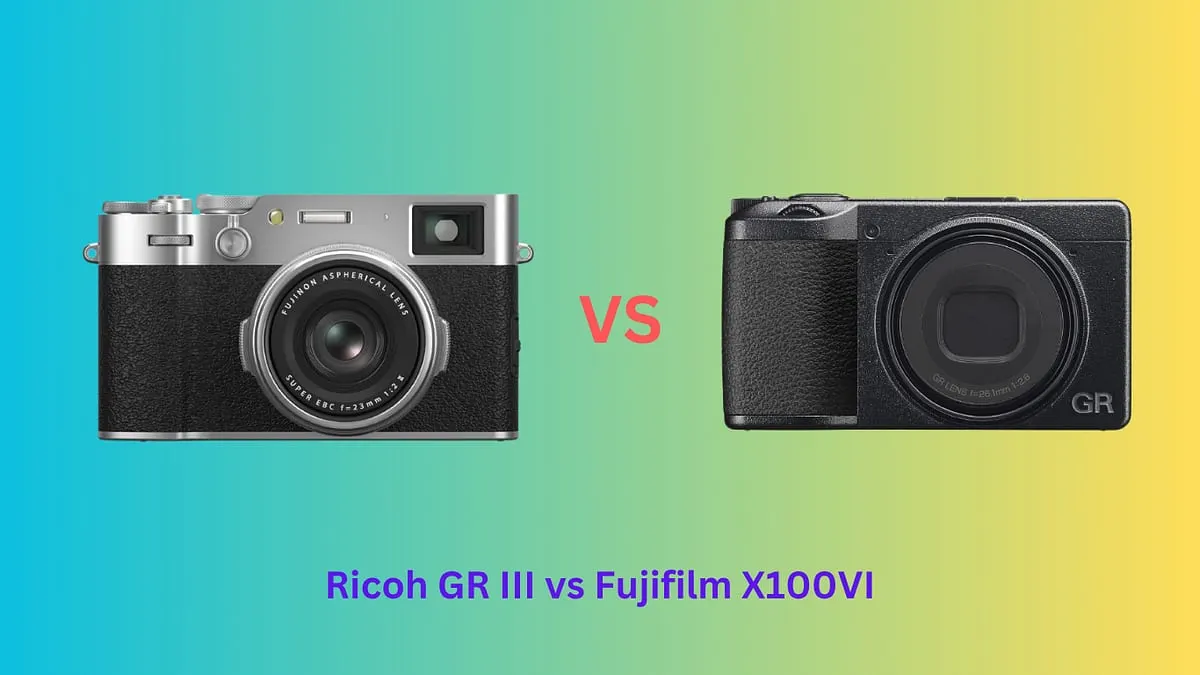
Ricoh GR III vs Fujifilm X100VI
The Camera I Almost Didn’t Buy, and the One I Almost Returned: the Fujifilm X100VI and Ricoh GR III side by side, and the one I would pick myself.