Best Point and Shoot Camera for Macro Photography

As an Amazon Associate we earn from qualifying purchases. Some links in this guide are affiliate links — see our affiliate disclosure for details.
Short answer: Which point-and-shoot camera is best for macro photography?
For a pocket camera that can handle spontaneous close-ups, the Sony Cyber-shot RX100 VII is a strong pick: it has a 20.1-megapixel 1-inch sensor, a 24-200mm equivalent Zeiss zoom lens, fast autofocus tracking and quick burst shooting. It is not a true macro camera, because its closest focus is far from the 1:1 magnification of a dedicated macro lens or a rugged "microscope mode" compact. For serious macro work, a macro lens or a tough compact with a microscope mode is the better route.
Affiliate note: This post has affiliate links. If you buy through them, the site may earn a small commission at no extra cost to you.
What makes a point-and-shoot good for macro?
- Close focusing distance. The closer the lens can focus, the larger a small subject appears.
- Sensor size. A larger sensor gives cleaner results in dim light and softer backgrounds.
- Stabilization. Close-ups magnify camera shake, so stabilization helps.
- Autofocus. Fast, accurate focusing handles moving insects and wind-blown flowers.
- Burst speed. A fast burst captures the best frame from a moving subject.
Sony Cyber-shot RX100 VII
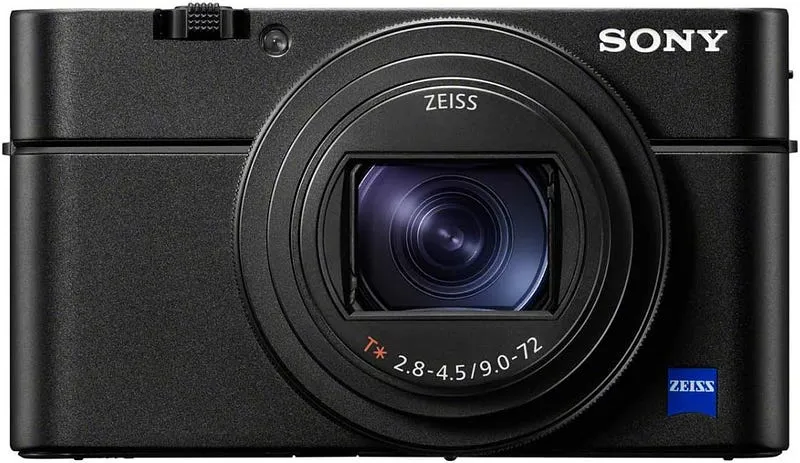
The Sony RX100 VII is a pocket camera with a 1-inch stacked sensor and a Zeiss 24-200mm equivalent zoom. Its strengths for close-up work are:
- Lens range. The long end of the zoom lets the photographer shoot small subjects from a distance without disturbing them, though the closest focus is at the wide end only.
- Sensor. The 1-inch sensor handles dim light and shows good detail, which suits frost, dew and flowers at dusk.
- Autofocus. Real-time tracking and eye detection follow moving subjects better than older compacts.
- Burst shooting. Sony lists very fast bursts, including a single-burst mode of up to 90 frames per second, which helps catch fast action such as a water droplet.
Limits: Sony lists a closest focus distance of about 8 cm at the wide end, which is close but not true macro. The lens also loses its close-focusing ability when zoomed in. The camera is expensive for a compact.
Options for true macro
- A tough compact with a microscope mode. Models such as the Olympus Tough TG-6 can focus a centimetre or so from the subject, which gives real macro magnification in a waterproof body with a small sensor.
- A macro lens on a mirrorless or DSLR body. This gives the best quality and magnification. See the best macro lenses for Canon, the best Nikon macro lenses, the best Sony macro lenses and the Canon RF macro lens guide.
- A budget macro camera. The best cameras for macro photography under $500 guide covers cheaper options.

How do the options compare?
| Option | Strength | Limit |
|---|---|---|
| Sony RX100 VII | Pocket size, zoom, fast autofocus | Not true macro; premium price |
| Olympus Tough TG-6 (or similar) | True close focus, waterproof | Small sensor |
| Camera with a macro lens | Best quality and magnification | Larger and costlier |
Tips for close-up photography
- Use stabilization or a support. A tripod or beanbag keeps images sharp.
- Mind the light. Soft, diffused light shows detail without harsh shadows.
- Focus carefully. Depth of field is thin, so choose the part of the subject that matters.
- Shoot in bursts. Insects and droplets move, so take several frames.
- Get low. Shooting at the subject's level makes more compelling pictures.

Frequently asked questions
Can the RX100 VII do macro? It can shoot close-ups at the wide end, but it is not a true macro camera.
What is the best compact for true macro? Tough compacts with a microscope mode focus closest. A camera with a macro lens gives the best quality.
Do I need a tripod? It helps. Close-ups magnify camera shake, so support makes shots sharper.
Is a 1-inch sensor good for close-ups? It gives cleaner results in dim light than smaller sensors, and some background blur at close distances.

Written by
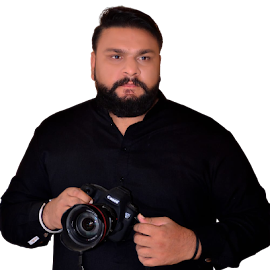
Marien CartelProfessional and Certified Digital Photographer born in the USA, with 22 years of experience in the field of photography.
Related Guides
Best Affordable Point And Shoot Digital Camera
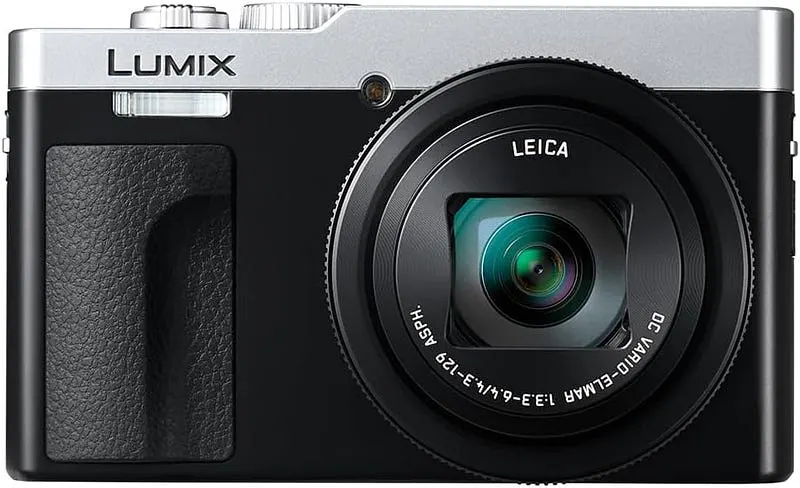
Best Affordable Point And Shoot Digital Camera — what the Canon PowerShot G7 X Mark offers, where it falls short, and whether it is worth buying.
Best Cameras for Macro Photography Under $500
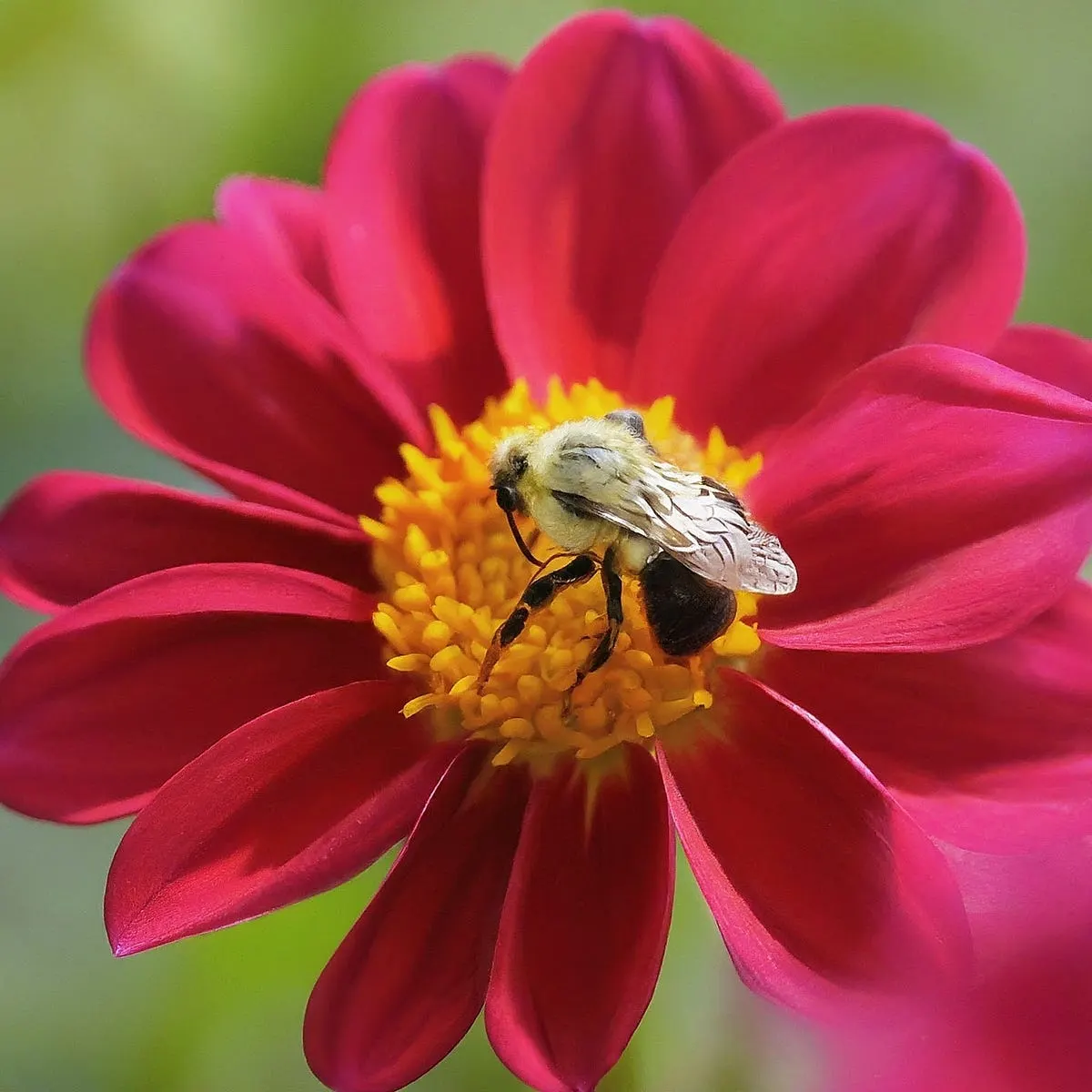
The guide lists budget macro lenses under $500 for photographing insects, flowers and textures.
Best Point and Shoot Camera of 2026: Expert Picks for Every Budget
Best Point and Shoot Camera of 2026: Expert Picks for Every Budget: key features, strengths, drawbacks and who should buy the Sony Cyber-shot RX100 VII.

Best Macro Lenses for Canon
Best Macro Lenses for Canon: Canon EF 100mm f/2.8L IS and Sigma 105mm f/2.8 DG OS compared on features, price and who each one suits.

Best bulky macro lenses
Why big macro glass earns its weight: the Canon EF 100mm f/2.8L, Nikon 105mm f/2.8G, Sony FE 90mm Macro G and Sigma 105mm Art compared.
Canon RF Macro Lens
Shooting close-up with the Canon RF 100mm Macro: what it does brilliantly, the patience it demands, and whether it belongs in your RF kit.