Best Macro Lenses for Canon

As an Amazon Associate we earn from qualifying purchases. Some links in this guide are affiliate links — see our affiliate disclosure for details.
Photo by Jill Heyer on Unsplash
Short answer: Which macro lens is best for Canon?
The guide picks the Canon EF 100mm f/2.8L IS USM as a macro photographer's dream and the Sigma 105mm f/2.8 DG OS HSM as a budget-friendly alternative, each with pros and cons.
Macro photography reveals the intricate details of the natural world. Canon’s range of macro lenses offers different strengths and weaknesses, covered below.
Canon EF 100mm f/2.8L IS USM: A Macro Photographer’s Dream
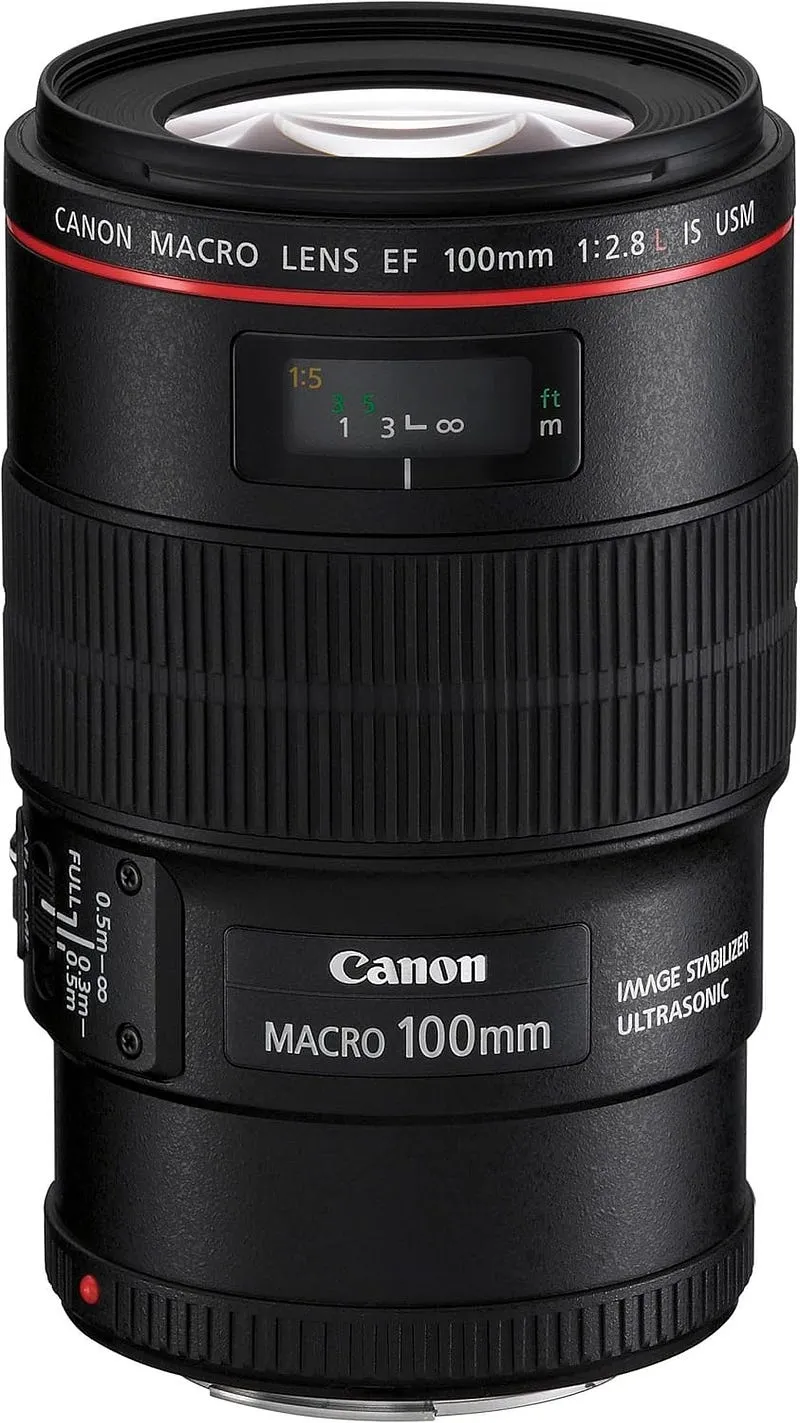
The Canon EF 100mm f/2.8L IS USM is a widely used macro lens. Its image quality, versatile focal length and image stabilization make it a strong all-round choice.
Pros:
- Exceptional Image Quality: The lens produces incredibly sharp images with excellent color rendition and contrast.
- Versatile Focal Length: The 100mm focal length is ideal for macro photography, allowing you to get close to your subject without disturbing it.
- Image Stabilization: The built-in image stabilization system helps to reduce camera shake, especially when shooting handheld.
- Fast and Silent Autofocus: The lens focuses quickly and quietly, making it perfect for capturing fleeting moments.
- Durable Build Quality: The lens is built to last, with a weather-sealed design that can withstand the elements.
Cons:
- Price: The lens is relatively expensive, but its performance justifies the cost.
- Size and Weight: It’s a bit bulky and heavy, which can be a drawback for some photographers.
In Conclusion
If you’re serious about macro photography, the Canon EF 100mm f/2.8L IS USM is an excellent choice. Its combination of image quality, versatility, and durability make it a top-tier lens. While it may be a significant investment, it’s one that will pay dividends for years to come.

Photo by Green Grasshopper on Unsplash

Photo by Josie Weiss on Unsplash

Photo by Samantha Hare on Unsplash
Sigma 105mm f/2.8 DG OS HSM: A Budget-Friendly Macro Lens
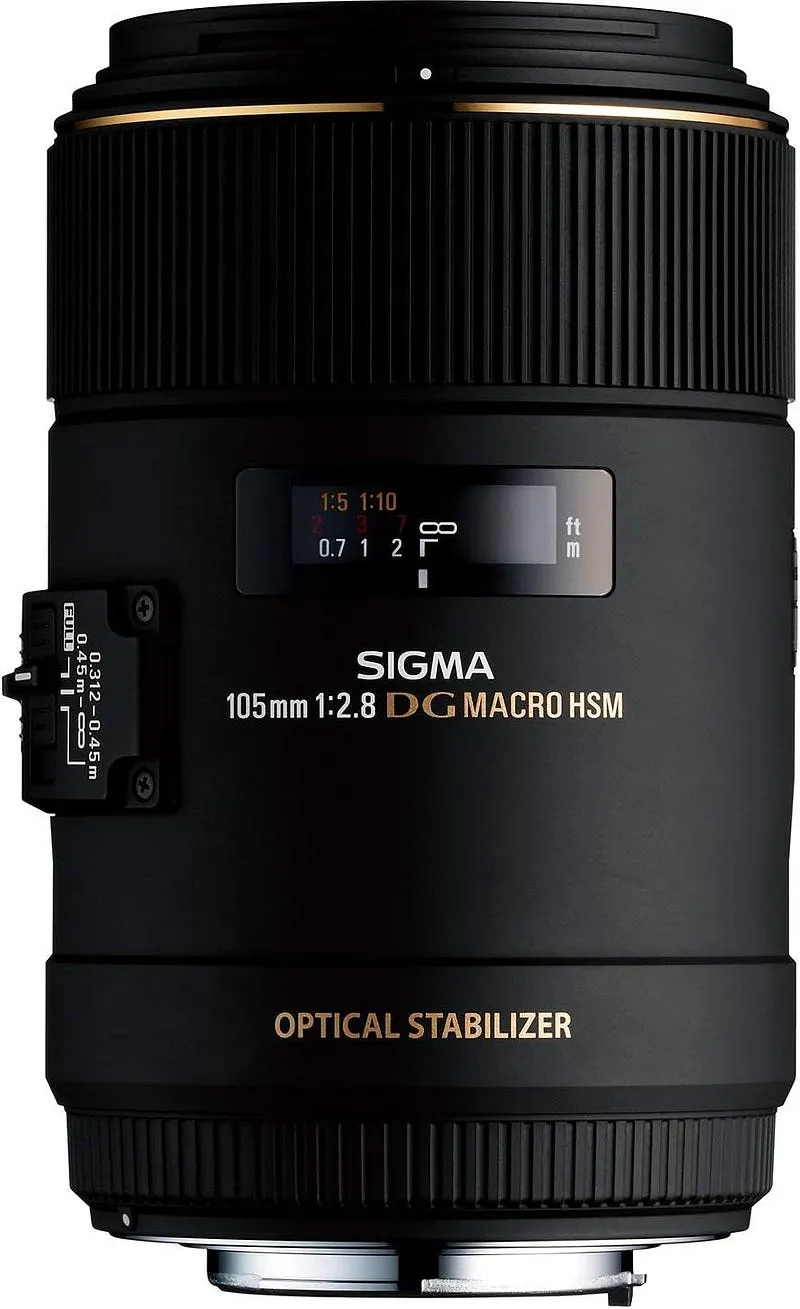
While the Canon EF 100mm f/2.8L IS USM is undoubtedly a top-tier macro lens, it can be quite expensive. If you’re looking for a more budget-friendly option that still delivers excellent performance, the Sigma 105mm f/2.8 DG OS HSM is an excellent choice.
Pros:
- Excellent Image Quality: The lens produces sharp, detailed images with minimal chromatic aberration.
- Fast and Accurate Autofocus: The HSM (Hyper Sonic Motor) provides quick and precise autofocus, making it ideal for capturing fast-moving subjects.
- Image Stabilization: The Optical Stabilization (OS) system helps to reduce camera shake, especially when shooting handheld in low-light conditions.
- Good Build Quality: The lens is well-built and feels solid in the hand.
- Affordable Price: Compared to the Canon 100mm, the Sigma 105mm is a more budget-friendly option.
Cons:
- Weather Sealing: Unlike the Canon 100mm, the Sigma 105mm is not weather-sealed, so it’s important to protect it from the elements.
- Autofocus Performance: In some situations, the autofocus can be a bit slow and hesitant.
In Conclusion
The Sigma 105mm f/2.8 DG OS HSM is a great choice for photographers who want a high-quality macro lens without breaking the bank. While it may not have the same level of build quality and weather sealing as the Canon 100mm, it still delivers excellent performance. If you’re on a budget and looking for a reliable macro lens, the Sigma 105mm is definitely worth considering.

Photo by Егор Камелев on Unsplash

Photo by Gildardo RH on Unsplash
Canon EF-S 60mm f/2.8 Macro USM: A Compact Macro Masterpiece
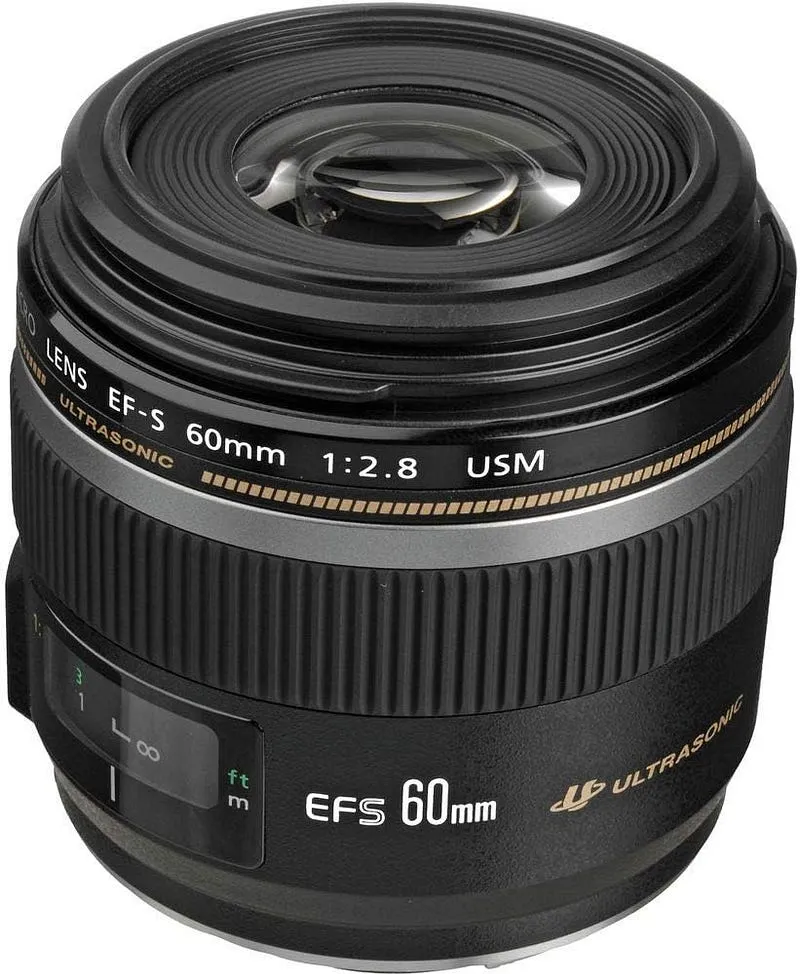
If you’re a Canon APS-C camera user, the Canon EF-S 60mm f/2.8 Macro USM is a fantastic choice for macro photography. Its compact size, excellent image quality, and affordable price make it a popular choice among enthusiasts and professionals alike.
Pros:
- Excellent Image Quality: The lens delivers sharp, high-resolution images with minimal distortion.
- Fast and Accurate Autofocus: The USM (Ultrasonic Motor) provides quick and quiet autofocus.
- Compact and Lightweight: The lens is small and lightweight, making it easy to carry around.
- Affordable Price: It’s a more budget-friendly option compared to full-frame macro lenses.
- Good Close-Focusing Capabilities: The lens allows you to get very close to your subject, capturing intricate details.
Cons:
- APS-C Sensor Compatibility: The lens is designed for Canon APS-C cameras and cannot be used on full-frame cameras.
- Limited Weather Sealing: The lens lacks weather sealing, so it’s important to protect it from the elements.
In Conclusion
The Canon EF-S 60mm f/2.8 Macro USM is a fantastic lens for anyone who wants to get started with macro photography. Its compact size, excellent image quality, and affordable price make it a great choice for both beginners and experienced photographers.

Photo by Kristina Tamašauskaitė on Unsplash

Photo by Aaron Burden on Unsplash
A Few Tips for Macro Photography
- Get Close: The closer you can get to your subject, the more detail you can capture.
- Use a Tripod: A tripod is essential for sharp, steady images, especially when using longer focal lengths.
- Control the Lighting: Proper lighting is crucial for macro photography. Consider using a diffuser or a ring flash to soften the light and reduce shadows.
- Experiment with Aperture: Aperture affects the depth of field. A wider aperture (lower f-number) will give you a shallow depth of field, isolating your subject. A narrower aperture (higher f-number) will give you a deeper depth of field, allowing you to capture more of the scene in focus.
- Be Patient: Macro photography often requires patience and persistence. Take your time, and don’t be afraid to experiment with different techniques.

Written by
Marien CartelProfessional and Certified Digital Photographer born in the USA, with 22 years of experience in the field of photography.
Related Guides

Canon RF Macro Lens
Shooting close-up with the Canon RF 100mm Macro: what it does brilliantly, the patience it demands, and whether it belongs in your RF kit.
Best Third Party Lenses For Canon EF Mount
Best Third Party Lenses For Canon EF Mount: Tamron 100–400mm f/4.5–6.3 Di VC and Tamron 90mm SP Macro compared on features, price and who each one suits.
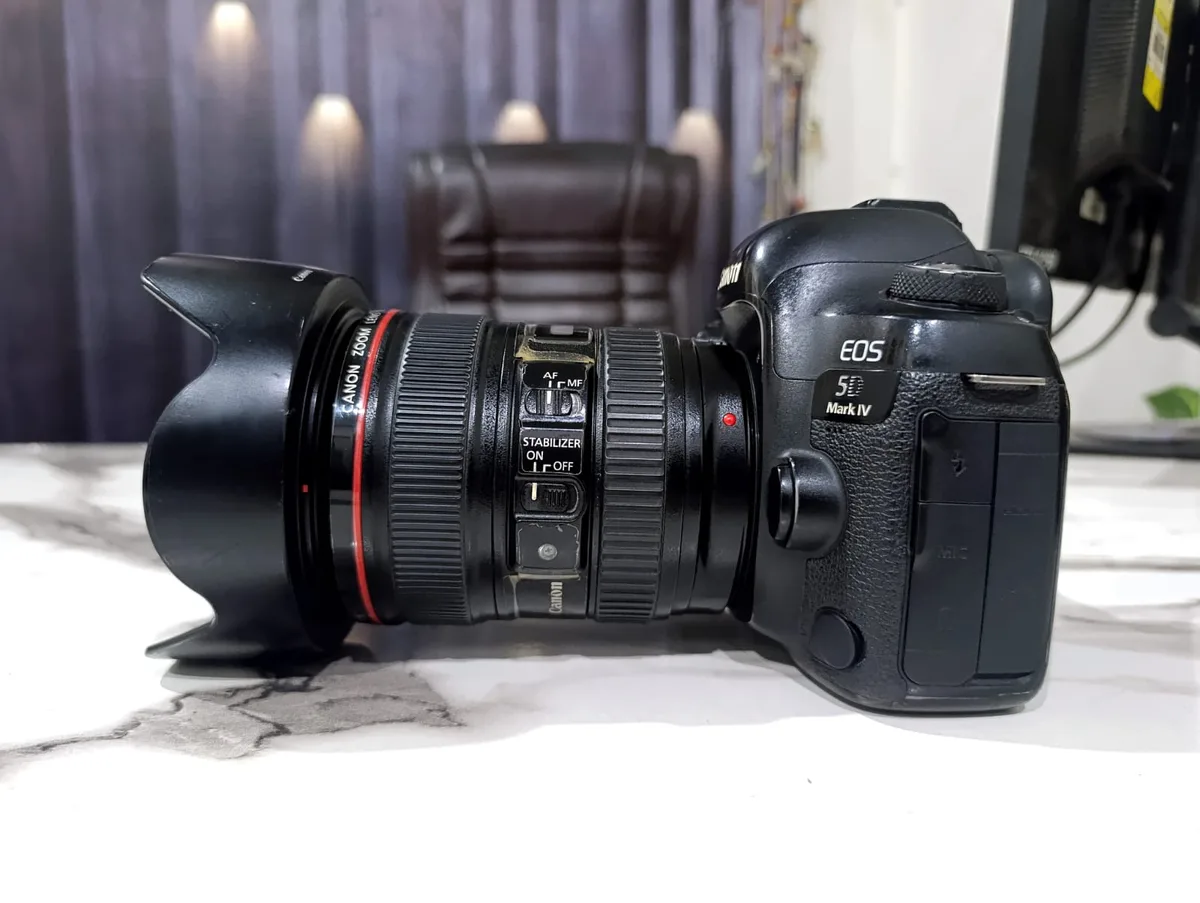
Best Lenses Canon EOS 5D Mark IV
Best Lenses Canon EOS 5D Mark IV — how Canon EF 50mm f/1.8 STM and Tamron SP 24–70mm f/2.8 Di compare on features and price, and who each is best for.

Best Lenses for Event Photography Canon
Best Lenses for Event Photography Canon — how Canon EF 24–105mm f/4L IS and Canon 24–70mm f/2.8L II compare on features and price, and who each is best for.
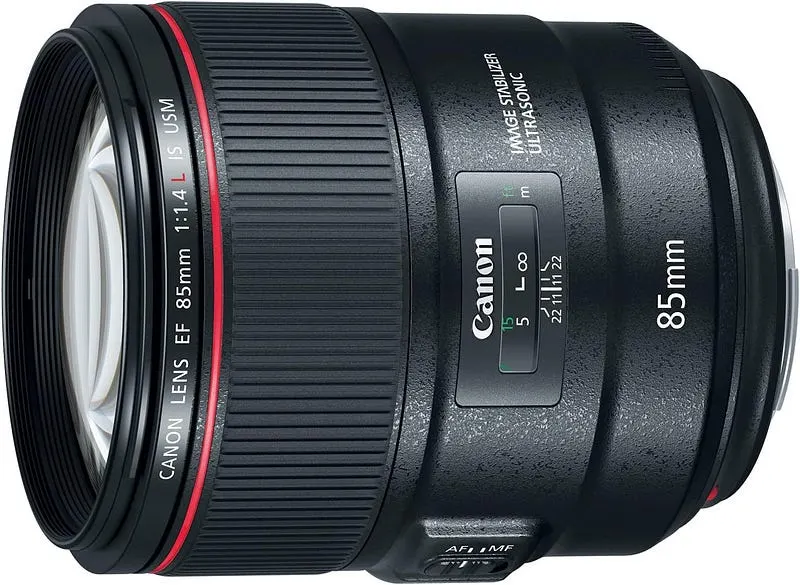
Best 85mm Lens for Canon
Best 85mm Lens for Canon — Canon EF 85mm f/1.4L IS, Canon EF 85mm f/1.8 USM and Canon 85mm f/1.4L IS compared, with pros, cons and who should buy which.

Best Lens For Portrait Photography Canon
Best Lens For Portrait Photography Canon: Canon EF 50mm f/1.8 STM and Canon EF 85mm f/1.2L II compared on features, price and who each one suits.