Best Full-Frame Mirrorless Camera
As an Amazon Associate we earn from qualifying purchases. Some links in this guide are affiliate links — see our affiliate disclosure for details.
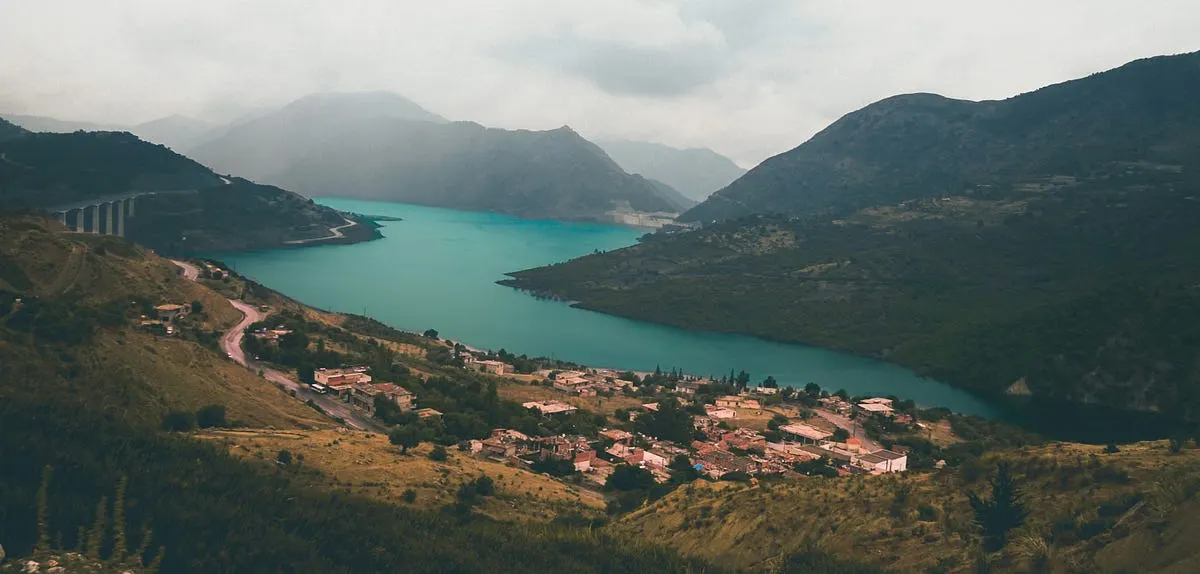
Photo by Daoud Abismail on Unsplash
Short answer: Which full-frame mirrorless camera is best?
The guide's choice is the Sony a7R IV for landscape work. It also covers the Canon EOS R5 and Nikon Z 7II and explains why technique matters beyond the gear.
First Foray: Learning the Limitations
The Mirrorless Revolution: A Game Changer
Full-frame mirrorless cameras are smaller and lighter than traditional DSLRs and packed with cutting-edge technology, which makes them a compelling alternative. For landscape work, a camera needs to excel in these areas:
- Image Quality: High resolution, excellent dynamic range, and exceptional low-light performance were essential.
- Weather Sealing: Landscape photography often takes you to challenging environments, so robust weather sealing was a must.
- Lens Ecosystem: A wide selection of high-quality lenses, especially wide-angle and telephoto options, was crucial.
- Ergonomics and Handling: A comfortable grip and intuitive controls are essential for long days in the field.
The Contenders: Testing and Evaluating
A few key players are worth comparing:
- Sony a7R IV: Known for their incredible resolution and dynamic range, these cameras were strong contenders.
- Canon EOS R5: Canon’s mirrorless offerings impressed with their autofocus performance and video capabilities.
- Nikon Z 7II: Nikon’s mirrorless system offered excellent image quality and robust build quality.
Choice: Why the Sony a7R IV
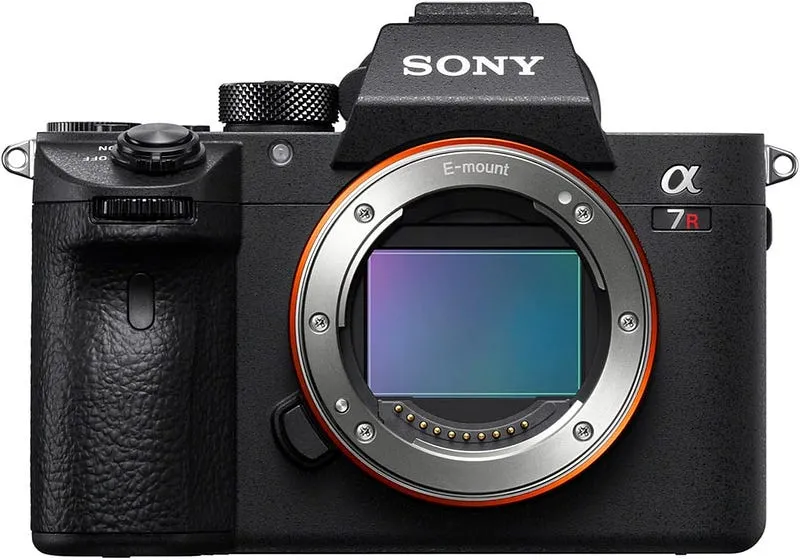
Sony a7R IV
While all the cameras considered are excellent, the Sony a7R IV (and now the newer a7R V) ticks the boxes. Its combination of high resolution, exceptional dynamic range and robust build quality suits landscape photography.
The availability of high-quality lenses, including the excellent Sony FE 16–35mm f/2.8 GM and the 24–70mm f/2.8 GM, further supports that choice. (Other similar high-resolution cameras from other brands would serve equally well, the key is the high megapixel count.)
Beyond the Gear: The Importance of Technique
Of course, a great camera is just a tool. It’s the photographer’s vision and technique that truly bring a landscape to life. Learning how to use filters (like ND and polarizers), mastering composition, and understanding light are just as important as having the right gear.
Advice for Aspiring Landscape Photographers
If you are serious about landscape photography and are looking to upgrade to a full-frame mirrorless camera, consider the Sony a7R IV or similar high-resolution cameras from other brands. However, do not get too caught up in the gear.
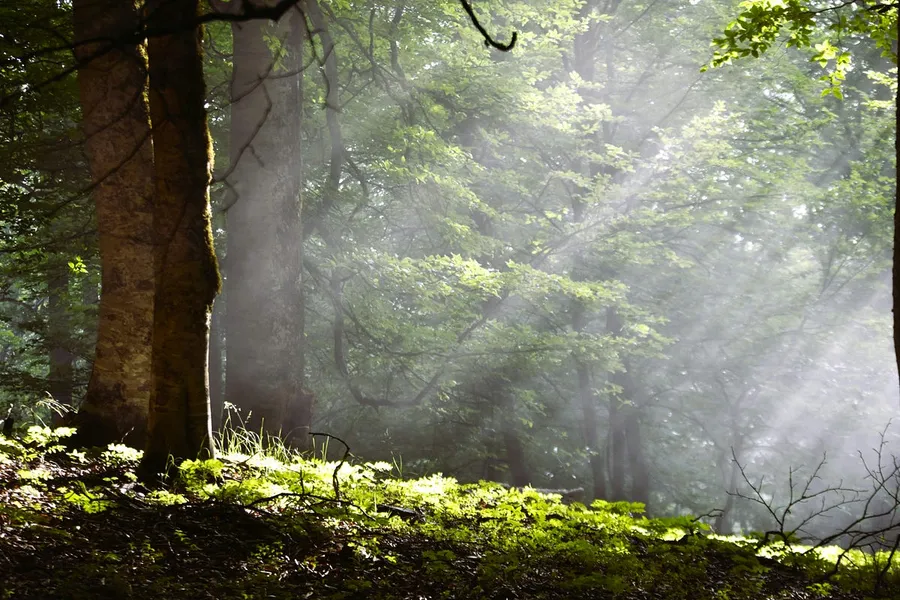
Photo by Masoomeghz on Unsplash
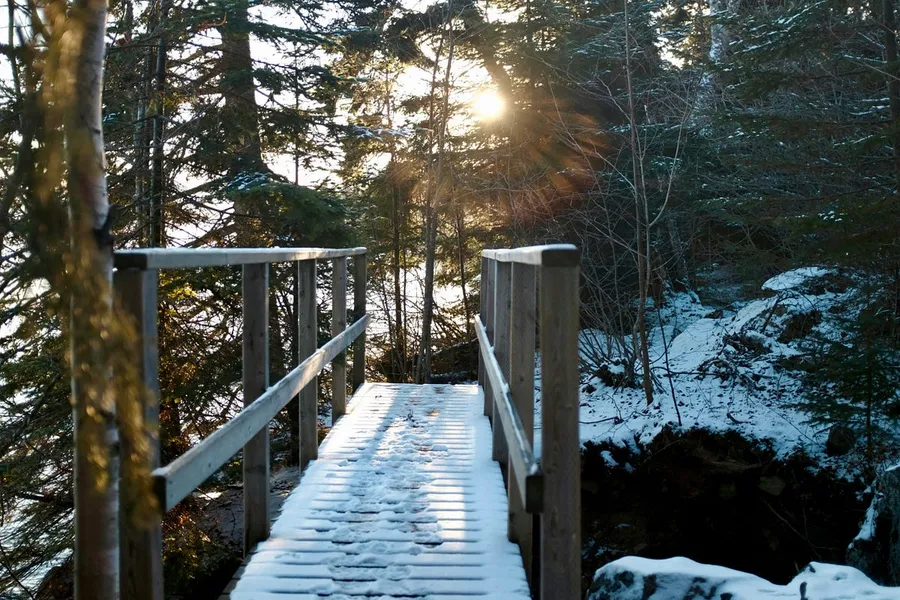
Photo by Jeff Ashton on Unsplash

Written by
Marien CartelProfessional and Certified Digital Photographer born in the USA, with 22 years of experience in the field of photography.
Related Guides
Best Full Frame Mirrorless Camera for Beginners Nikon
Best Full Frame Mirrorless Camera for Beginners Nikon: key features, strengths, drawbacks and who should buy the Nikon Z5.
Best Full-Frame Camera for Beginners
Best Full-Frame Camera for Beginners: Canon EOS R8, Nikon Z5 and Sony A7C II compared on features, price and who each one suits.
Best Zoom Lens for Canon Full-Frame
The guide recommends the Canon RF 24-70mm f/2.8L, RF 70-200mm f/2.8L, RF 15-35mm f/2.8L and RF 24-105mm f/4L for RF bodies, and the EF 24-70mm f/2.8L and.
Best Third Party Lenses for Sony Full-Frame
Sigma and Tamron glass worth buying for Sony full-frame — the 24-70mm and 28-75mm f/2.8 zooms, the Sigma Art primes, and where each beats the Sony original.
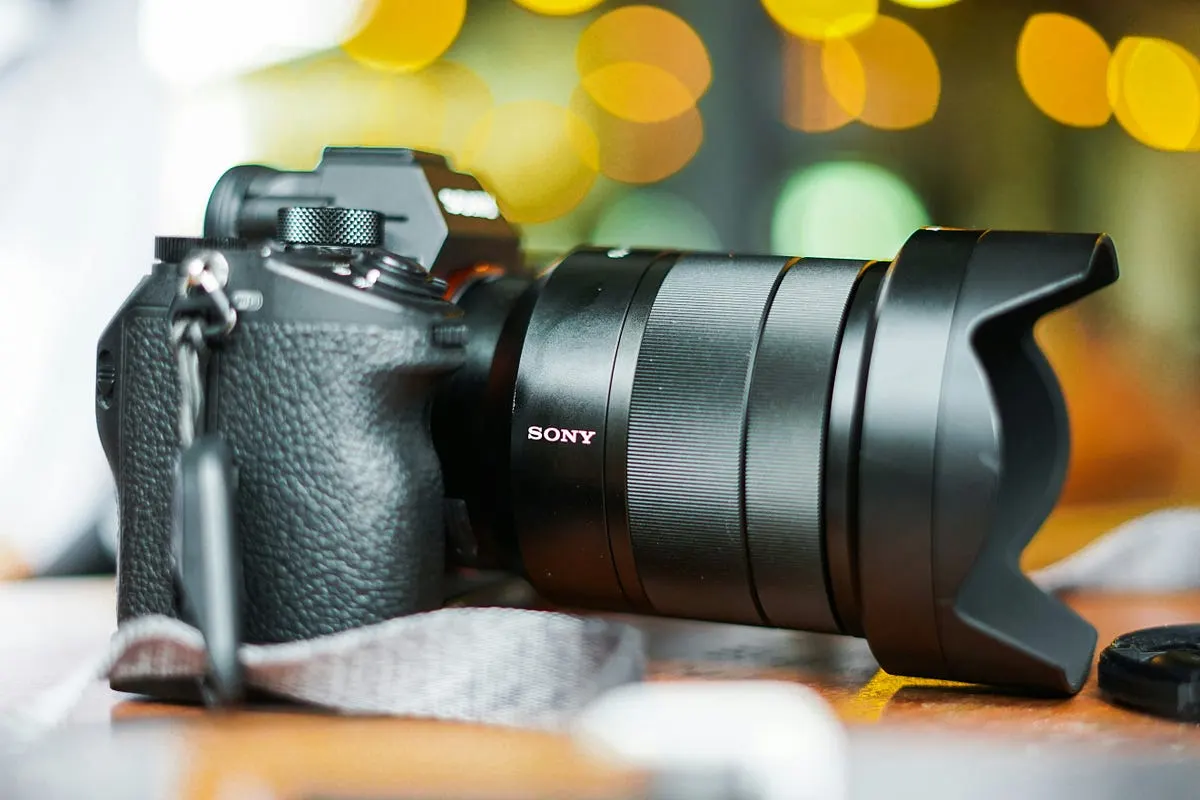
Best Travel Lens For Sony Full-Frame
Best Travel Lens For Sony Full-Frame — Sigma f/1.4, Sony f/1.4 GM and Sony 24mm f/1.4 GM compared, with pros, cons and who should buy which.
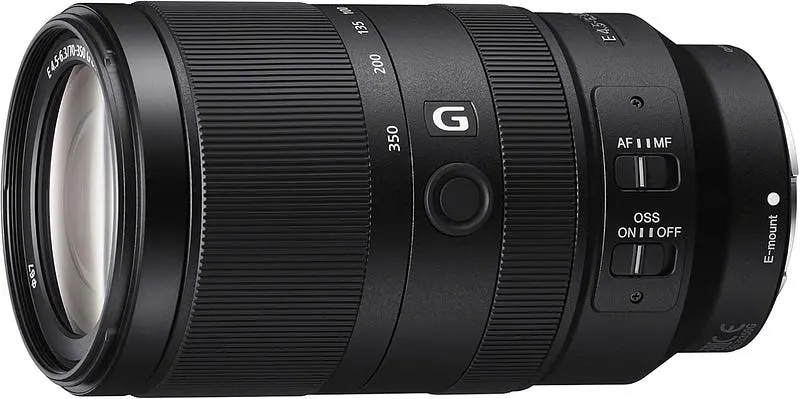
Sony 70–350 on Full-Frame Adventure
Sony 70–350 on Full-Frame Adventure — Sony E 70–350mm f/4.5–6.3 G, Sony A7 II and Sony A7 III compared, with pros, cons and who should buy which.