Best Full-Frame Camera for Beginners
As an Amazon Associate we earn from qualifying purchases. Some links in this guide are affiliate links — see our affiliate disclosure for details.
Short answer: Which full-frame camera is best for beginners?
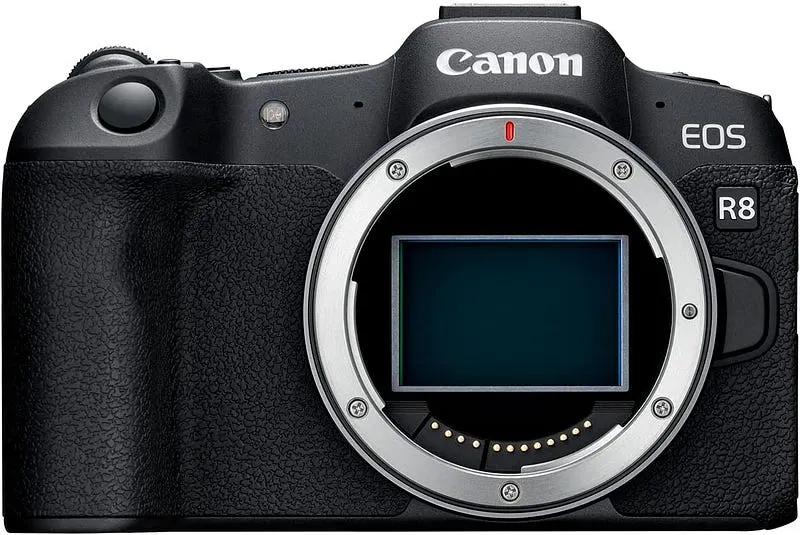
The guide's pick is the Canon EOS R8, reviewed in real-world use and for video. It also covers the Nikon Z5, Sony A7C II, Sony A7 II and Canon EOS RP as alternatives.
Choosing your first full-frame camera is a big decision: it’s a step up in image quality, creative control, and (sometimes) investment. There are plenty of options, but for beginners seeking that perfect blend of ease, performance, and value, one model stands out above the rest — Canon EOS R8.
Why Go Full-Frame?
- Superior low-light performance: Full-frame sensors have larger pixels, allowing them to perform better in dark conditions with less noise.
- Better dynamic range: Capture more detail in both highlights and shadows.
- Shallow depth of field: Creamy, artistic background blur for portraits and creative shots.
- Wider field of view: Lenses show their “true” focal length — great for landscapes and interiors.
Key Specs and Features
- Sensor: 24.2MP Full-frame CMOS
- Weight: 461 grams (lightweight and easy to carry)
- Continuous Shooting: Up to 40 frames per second with electronic shutter
- ISO Range: 100 to 102,400 (extended range for low light performance)
- Autofocus Points: 1,053 Dual Pixel II AF points for fast and accurate focus
- Stabilization: No in-body image stabilization (IBIS)
- Video Capability: Shoots 4K video at 60 frames per second, with 10-bit color depth and full-width sensor readout
- Lens Compatibility: Compatible with Canon RF lenses directly, and Canon EF lenses with an adapter
- Battery Life: Moderate, so carrying a spare battery is recommended
Alternative Full-Frame Cameras for Beginners and Why to Consider Them
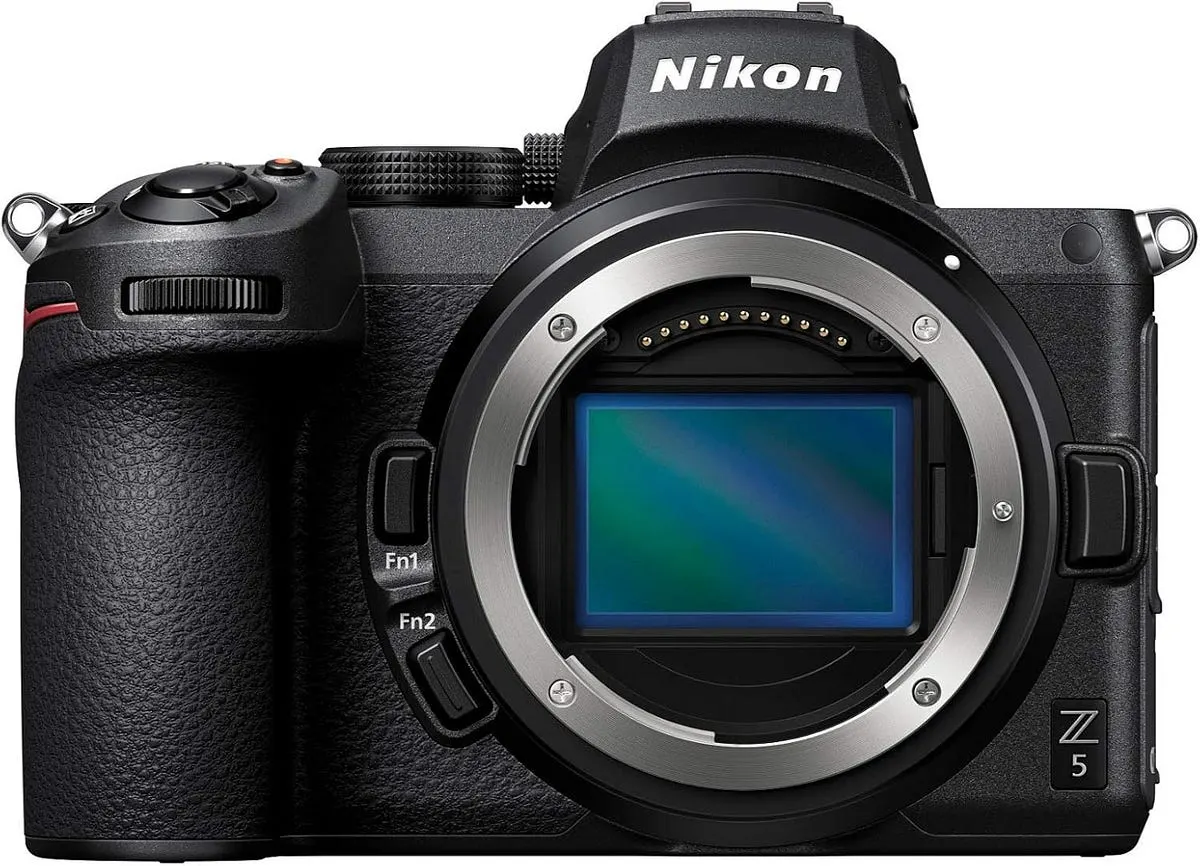
- Nikon Z5: Affordable full-frame camera with in-body image stabilization and dual card slots. It offers slightly less advanced autofocus and cropped 4K video but is a great value.
- Sony A7C II: A compact option with strong autofocus and access to an extensive lens lineup. It is pricier and has more complex menus compared to Canon EOS R8.
- Sony A7 II: An older but well-priced camera with good features for beginners, though it lacks the latest advancements.
- Canon EOS RP: Still a popular beginner full-frame option at a lower price point, though it’s a bit older.
Verdict
For any beginner serious about jumping to full-frame, the Canon EOS R8 is an outstanding choice. It’s accessible, lightweight, and futureproof with Canon’s lens lineup and tech packed inside. While it’s not perfect — mainly due to no IBIS and modest battery — its price, performance, and gentle learning curve make it a joy to use.
Ready to try it? Grab a stabilized RF lens, charge a spare battery, and get shooting. Happy snapping!



Written by
Marien CartelProfessional and Certified Digital Photographer born in the USA, with 22 years of experience in the field of photography.
Related Guides
Best Full Frame Mirrorless Camera for Beginners Nikon
Best Full Frame Mirrorless Camera for Beginners Nikon: key features, strengths, drawbacks and who should buy the Nikon Z5.

Best camera for YouTube beginners
Best camera for YouTube beginners — how Panasonic Lumix G7, Sony Alpha a6400 and Sony Alpha a7 III compare on features and price, and who each is best for.
Best DSLR Cameras for Beginners: (Guide & Reviews)
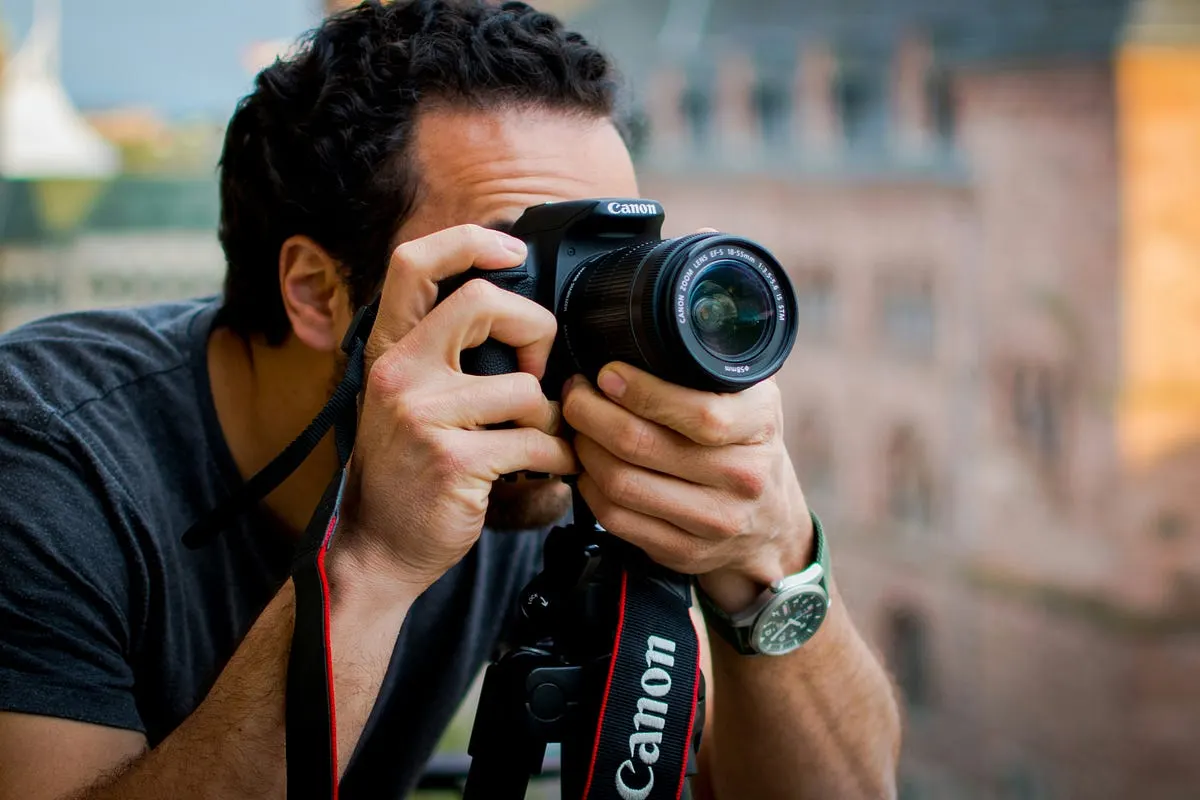
Best DSLR Cameras for Beginners — Canon EOS Rebel T7, Nikon D3500 and Canon EOS Rebel T8i compared, with pros, cons and who should buy which.
Photography for Beginners Camera
Photography for Beginners Camera: a side-by-side look at Canon EOS R50, Sony ZV-E10 and Nikon Z50, with strengths, trade-offs and buying advice.
Mirrorless vs DSLR for Beginners
The guide says both give far more control and image quality than a phone.
Best Canon Camera For Beginners
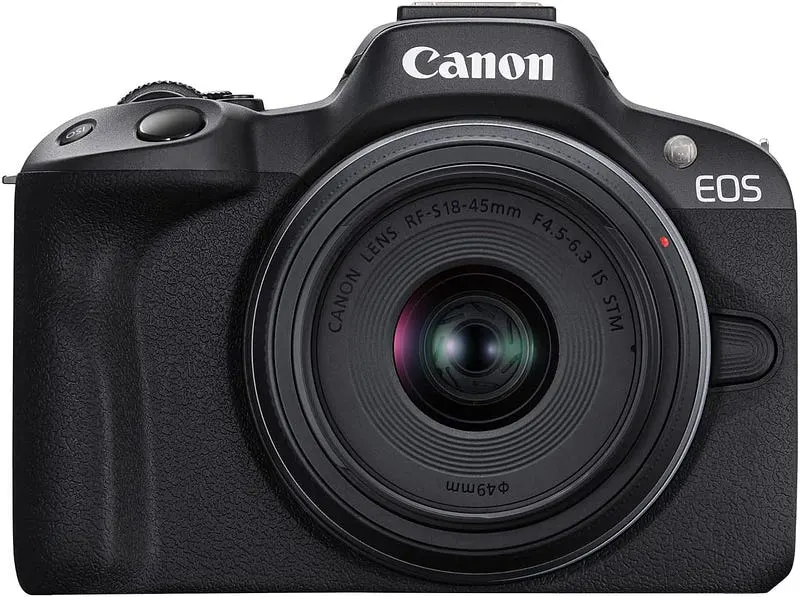
Best Canon Camera For Beginners: Canon EOS R50 and Canon EOS R100 compared on features, price and who each one suits.