Best Cameras and Lenses For Photography
As an Amazon Associate we earn from qualifying purchases. Some links in this guide are affiliate links — see our affiliate disclosure for details.
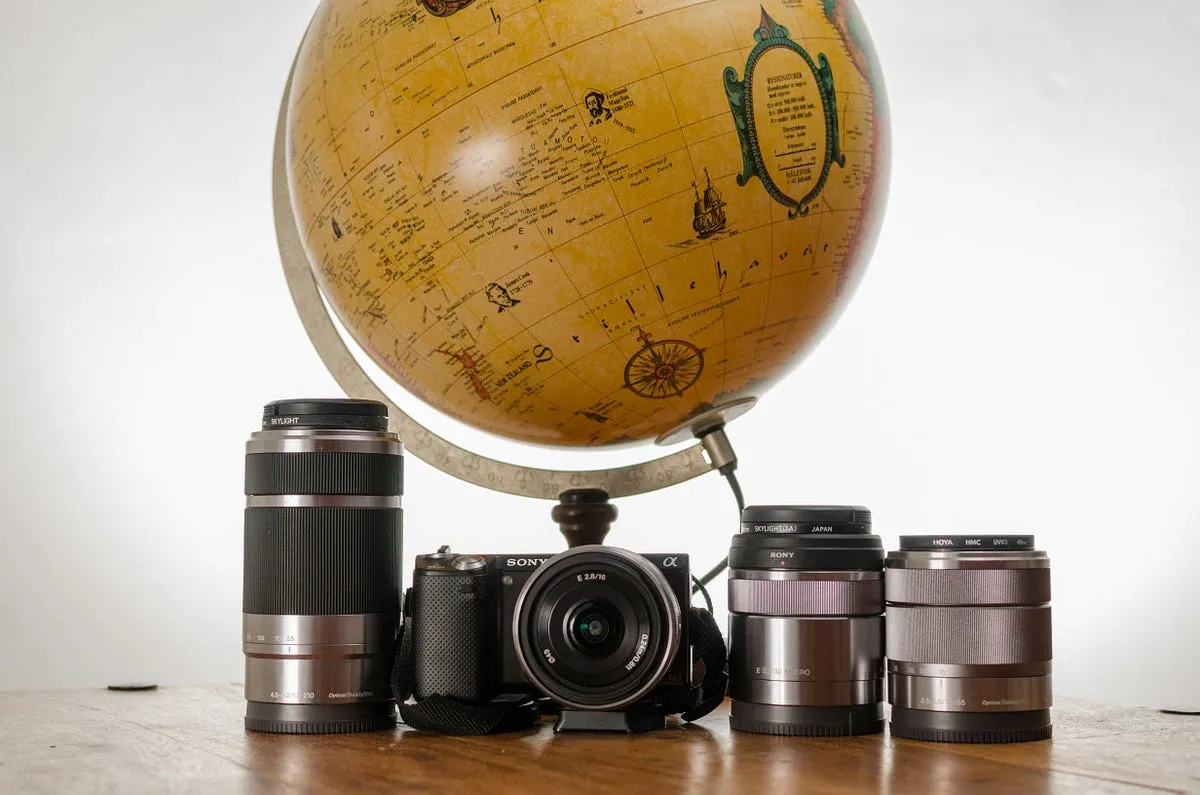
Photo by Jesper Aggergaard on Unsplash
Short answer: Which cameras and lenses should you buy?
The guide shares the author's gear insights and ends by saying to find gear that inspires you, start with what you can and learn it inside out. It warns against gear acquisition syndrome.
Hey everyone, Marien Cartel here! “Which lens is best for X? “Is this tripod sturdy enough?”
Finding Your Perfect Camera: More Than Just Megapixels
Choosing a camera is a big decision. It’s the heart of your setup. Whether you’re just starting out, on a tight budget, or ready to invest in a professional workhorse, there’s something out there for you.
Smart Choices for Every Wallet: You don’t need to break the bank to get fantastic images.
- Look into some of the best cheap full-frame cameras — the image quality can be astounding for the price.
- Don’t overlook the best second-hand full-frame cameras. Often, you can get pro-level gear for a fraction of its original cost.
- There are some seriously impressive best cameras under $500 that are perfect for learning and growing.
- If you’re just dipping your toes in, exploring the best cameras for beginners is a great starting point.
- And hey, let’s not forget the camera in your pocket! Some of the best budget camera phones are surprisingly capable.
Brand Loyalty vs. Best Fit: We all have our favorites, right? But it’s about what suits your needs.
- Canon (Mirrorless & DSLR): Canon has a fantastic ecosystem, particularly with their RF lenses for mirrorless and the legendary EF lineup for DSLRs.
- Nikon (Mirrorless & DSLR): Another giant, Nikon offers superb image quality and robust build, especially with their Z-series mirrorless and their workhorse DSLRs.
- Sony: They’ve been a game-changer in the mirrorless world, known for their cutting-edge autofocus and sensor technology.
- Fujifilm: Oh, those Fujifilm colours and retro designs! Their X-series cameras are a joy to shoot with and produce stunning JPEGs straight out of camera.
- Olympus/OM System & Panasonic (Micro Four Thirds): These brands offer fantastic image stabilization and a compact system, perfect for travel and video.
- Pentax: Known for their rugged DSLRs, often with unique features.
- Leica: The dream brand for many, offering exceptional build quality and optics, albeit at a premium.
Mirrorless Marvels: The shift to mirrorless is undeniable.
- From the smallest mirrorless cameras (perfect for discretion and travel) to the best full-frame mirrorless cameras that are now industry standards, there’s a huge range. And yes, even second-hand full-frame mirrorless cameras are becoming great value.
Different Strokes for Different Folks (Types of Cameras):
- Beyond traditional setups, consider compact cameras for everyday carry, ultra-zoom cameras for versatility, or even retro-style and vintage cameras if you love that analogue feel. And as mentioned, camera phones/iPhones are always with you!
Lenses: The True Windows to Your World
Matching Your Mount:
- Whether you’re on Canon EF or RF, Nikon F or Z, Sony E-mount, Fujifilm X-mount, Micro Four Thirds (Olympus/Panasonic), or Pentax, choosing lenses that match your camera system is crucial. Each mount has its gems!
Lenses for Your Passion — What Do You Shoot? This is where the magic happens — picking a lens for a specific job:
- Wildlife lenses: You’ll need reach and often fast autofocus. Think telephotos and super-telephotos.
- Lenses for low-light: Prime lenses with wide apertures (like f/1.8 or f/1.4) are your best friends here.
- Landscape lenses: Wide-angle lenses are king for capturing those sweeping vistas.
- Macro (and close-up) lenses: To reveal the tiny, intricate details of the world.
- Video lenses: Features like smooth aperture control, parfocal ability, and minimal focus breathing become important.
- Astrophotography lenses: Wide, fast, and sharp to capture the night sky.
- Street photography lenses: Often compact primes (35mm or 50mm equivalents are classic) for candid moments.
- Tilt-shift lenses: Specialized lenses for architectural photography or creating unique miniature effects.
Beyond Camera and Lens: The Supporting Cast
Don’t forget the unsung heroes!
- Tripods: A sturdy tripod is non-negotiable for sharp long exposures, landscape work, and even studio portraits. Investing in one of the best tripods you can afford will pay dividends.
- Accessories: Think memory cards (fast and reliable!), camera bags (protection and comfort), filters (ND, polarizers), spare batteries, cleaning kits… the list goes on. These are the little things that make a big difference.
Written by
Marien CartelProfessional and Certified Digital Photographer born in the USA, with 22 years of experience in the field of photography.
Related Guides
Best Lenses for the Nikon Z6 II
Best Lenses for the Nikon Z6 II — Nikon 24–70mm f/2.8 S, Nikon 50mm f/1.8 S and Nikon 85mm f/1.8 S compared, with pros, cons and who should buy which.
Best Fujifilm X-Mount Lenses: (Guide & Reviews)
Best Fujifilm X-Mount Lenses: Fujifilm XF 35mm f/1.4 R and Fujifilm XF 56mm f/1.2 R compared on features, price and who each one suits.

Best Lens for Pet Portrait Photography Indoors
The guide recommends a lens with a wide aperture of f/1.8 or f/2.8 and suggests a 50mm, 85mm or 105mm prime.
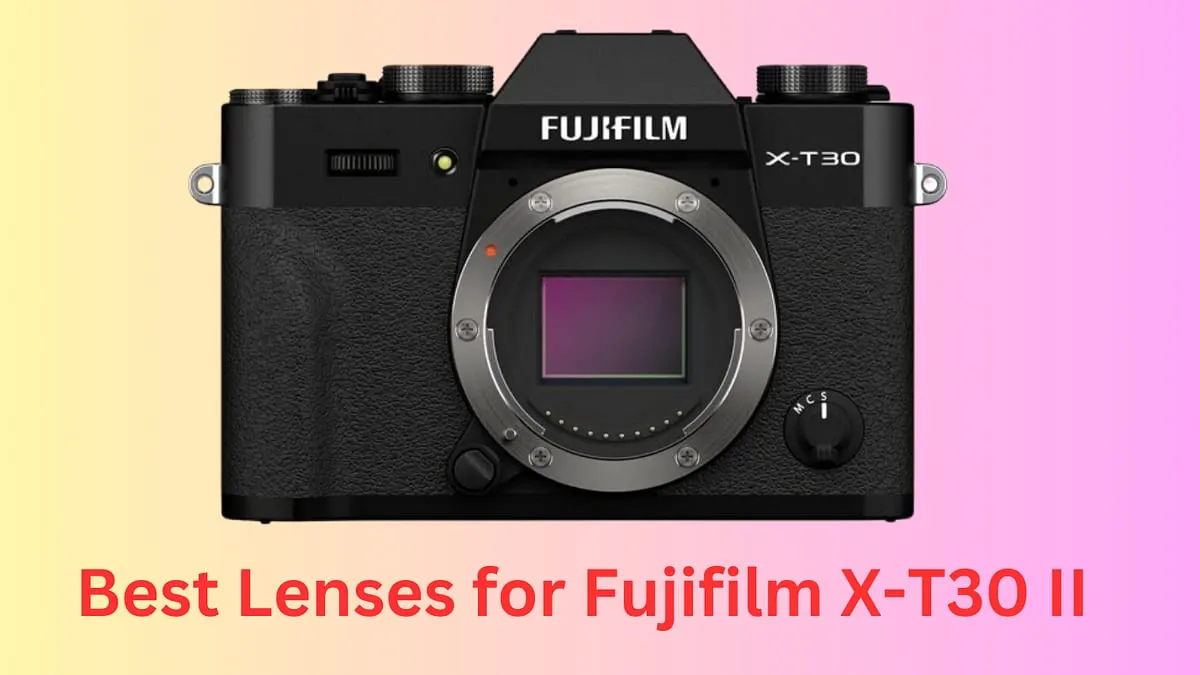
Best Lenses for Fujifilm X-T30 II
Best Lenses for Fujifilm X-T30 II: what to look for, what to skip and how to choose the right one for your budget.
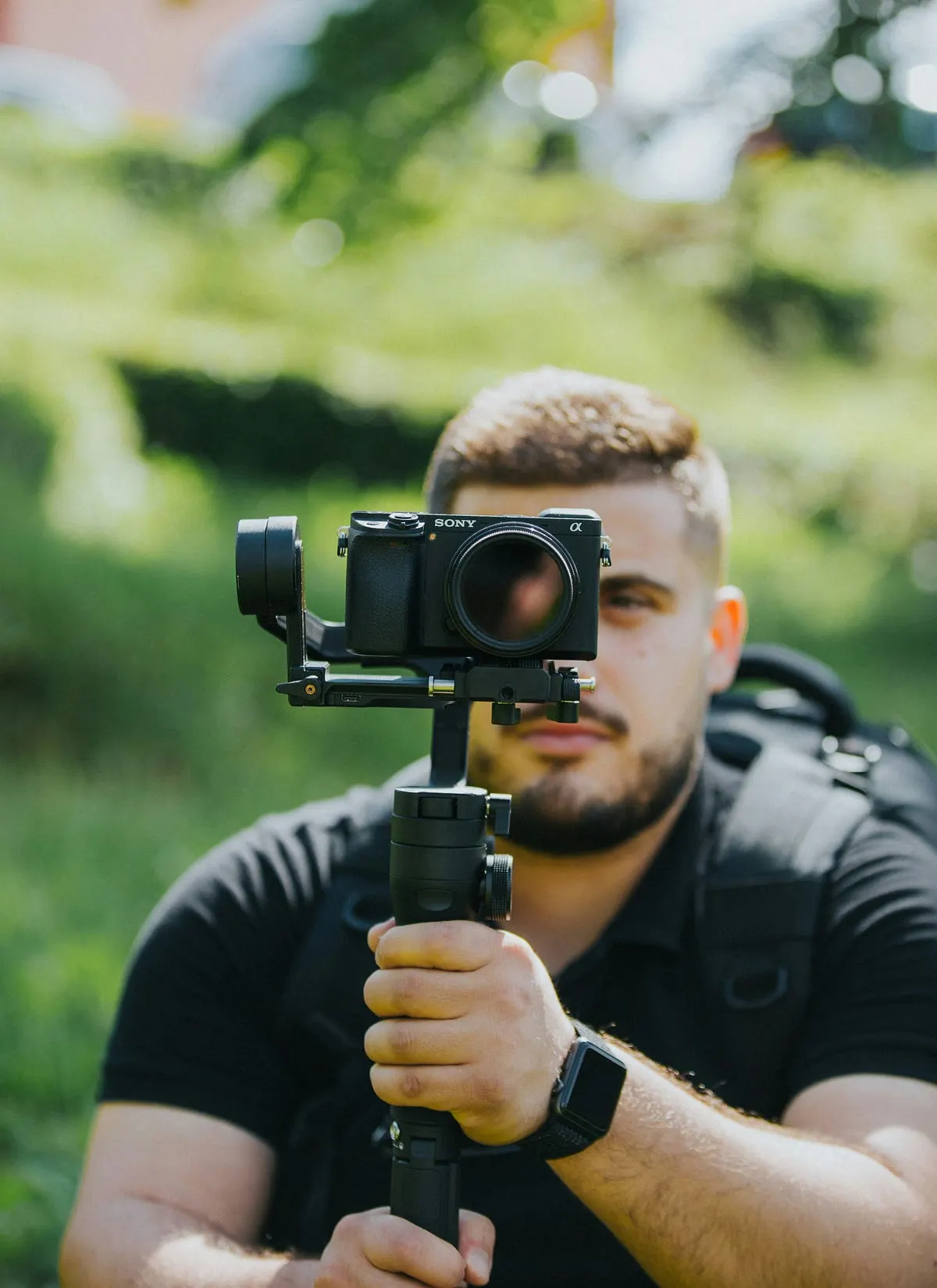
Best Lenses for Sony a6300
Best Lenses for Sony a6300: Sony 18–105mm f/4 G OSS, Sigma 16mm f/1.4 DC DN and Sony 35mm f/1.8 OSS compared on features, price and who each one suits.
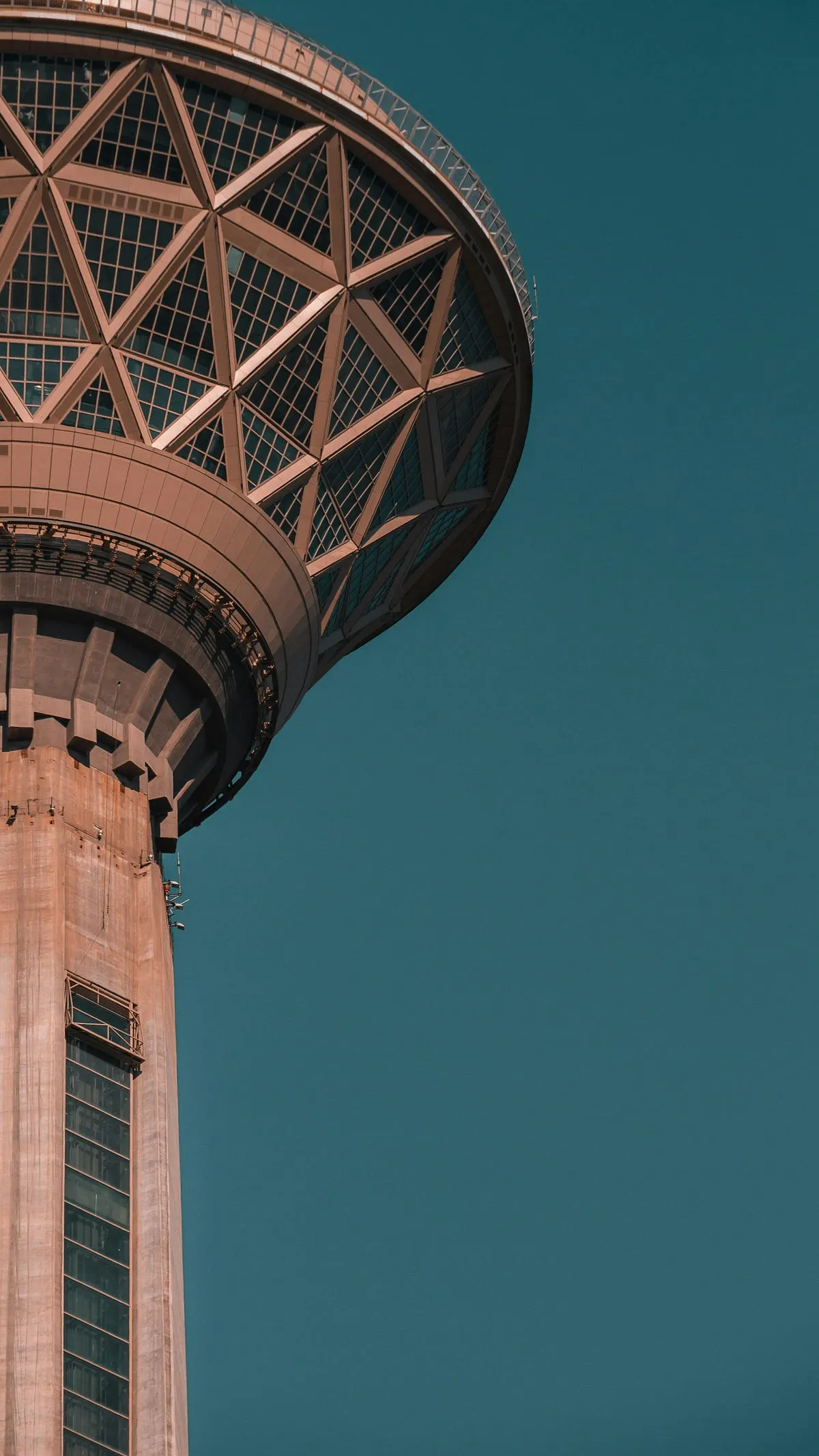
Best Lenses for Architectural Photography
Best Lenses for Architectural Photography — what the Canon EF 16–35mm f/2.8L III offers, where it falls short, and whether it is worth buying.