Best Camera for Vlogs
As an Amazon Associate we earn from qualifying purchases. Some links in this guide are affiliate links — see our affiliate disclosure for details.
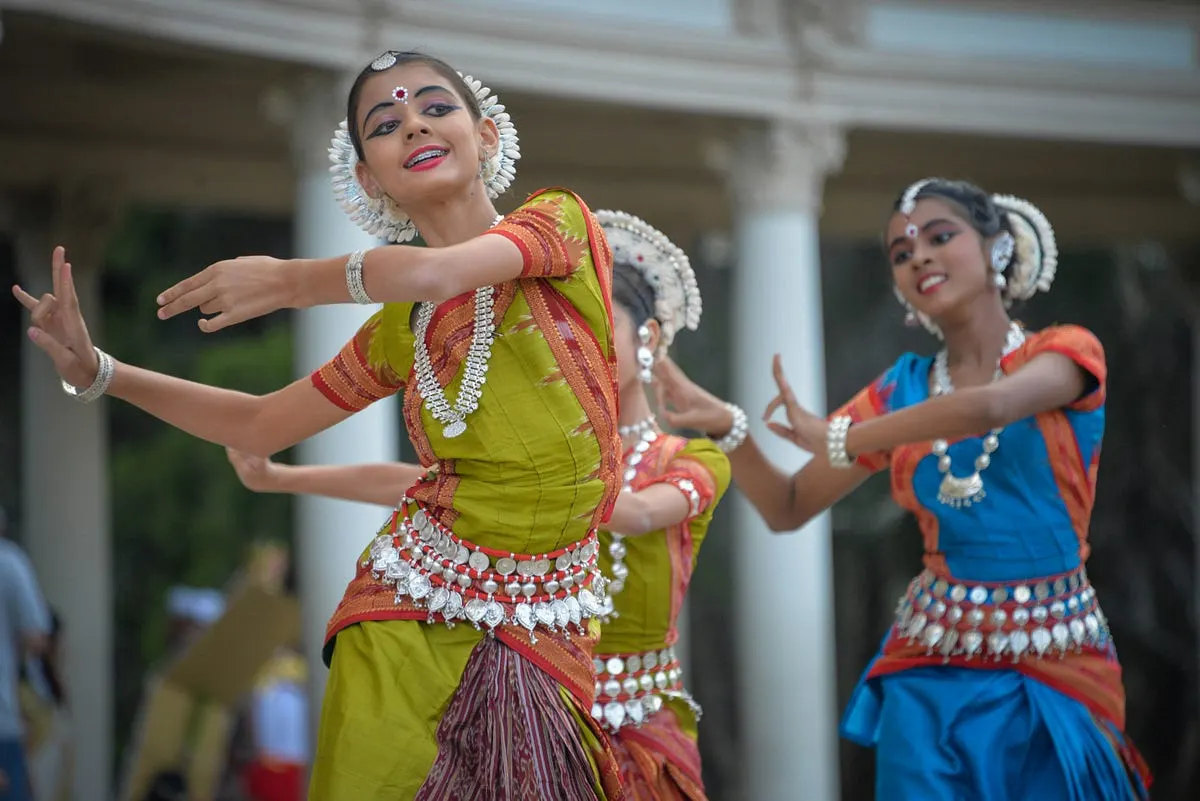
Photo by pavan gupta on Unsplash
For vlogging, the Sony ZV-E10, Sony ZV-1 II, and DJI Osmo Pocket 3 stand out as excellent choices, offering a blend of portability, ease of use, and good video quality.
Let’s be honest, we’ve all been there. You’ve got a brilliant idea for a vlog, the perfect location, and a burning desire to share your story with the world. Then, you hit record on your phone, and… blurgh. Grainy footage, shaky hands, and audio that sounds like it was recorded in a tin can. My journey to finding the ideal vlogging camera was a rollercoaster of frustration, research, and ultimately, sweet, sweet clarity.
My Pixelated Purgatory:
My first foray into vlogging was a disaster. I was traveling through Southeast Asia, documenting my adventures with my trusty (but decidedly not vlogging-friendly) smartphone. The results were… well, let’s just say my audience was more likely to get seasick from the shaky footage than inspired by my travel tales. I realized then and there: quality matters. If you want people to connect with your content, you need visuals and audio that don’t make them want to gouge their eyes out.
The Research Rabbit Hole:
Thus began my deep dive into the world of vlogging cameras. It was overwhelming. Mirrorless, DSLRs, point-and-shoots, action cameras… the choices seemed endless. I spent countless hours watching YouTube reviews, reading tech blogs, and comparing specs. I learned about autofocus, image stabilization, low-light performance, and the importance of a good flip screen.
My Criteria:
Here’s what I realized I needed in a vlogging camera:
- Excellent Autofocus: As a solo vlogger, I needed a camera that could keep me in sharp focus, even when moving.
- Reliable Image Stabilization: Shaky footage is a no-go. I needed something that could smooth out the bumps and jitters.
- Good Low-Light Performance: I often found myself vlogging in dimly lit cafes or at dusk, so a camera that could handle low light was essential.
- Flip Screen: For framing myself and ensuring I was in focus.
- Decent Audio: Clear audio is just as important as good visuals.
- Portability: I needed something compact and lightweight that I could easily carry around.
- Price: A balance between features and affordability.
The Contenders (and My Ultimate Choice):
After much deliberation, I narrowed down my choices to a few key contenders:
- Sony ZV-1: This camera is practically built for vlogging. It boasts excellent autofocus, a flip screen, and a dedicated background defocus button. It’s compact and lightweight, making it perfect for travel.
- Canon G7 X Mark III: Another popular option, this camera offers great image quality, a flip screen, and 4K video. It’s also relatively compact and easy to use.
- GoPro HERO Series: For action-packed vlogs, the GoPro is a no-brainer. Its rugged design, excellent image stabilization, and wide-angle lens make it ideal for capturing adventures.
- Sony Alpha a6400: While pricier than the others, this mirrorless camera offers exceptional image quality, fast autofocus, and interchangeable lenses. This offers much more flexability.
My Winner: The Sony ZV-1
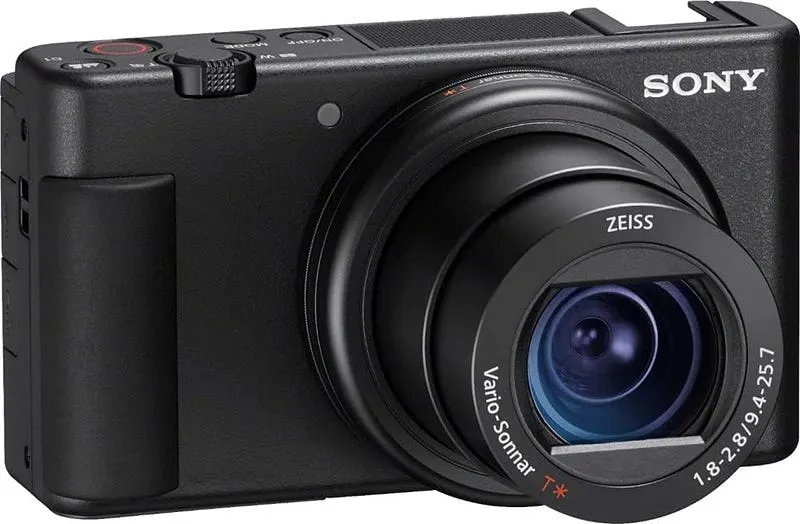
Ultimately, I chose the Sony ZV-1. It ticked all my boxes: excellent autofocus, reliable image stabilization, a flip screen, and great audio. It was also compact and lightweight, perfect for my travel vlogs. And the built in features for vlogging were extremely helpful.
My ZV-1 Love Story:
Since purchasing the ZV-1, my vlogging experience has transformed. The footage is crisp and clear, the audio is excellent, and the autofocus is lightning-fast. I’ve been able to capture my travels, my everyday life, and my creative projects with confidence. It has drastically improved my ability to create good content.
Tips for Choosing Your Vlogging Camera:
- Define your needs: What kind of vlogs will you be creating? What features are most important to you?
- Read reviews: Check out reputable tech blogs and YouTube channels for in-depth reviews.
- Test it out: If possible, try out different cameras before making a purchase.
- Consider your budget: Set a budget and stick to it.
- Don’t forget audio: Invest in a good external microphone.
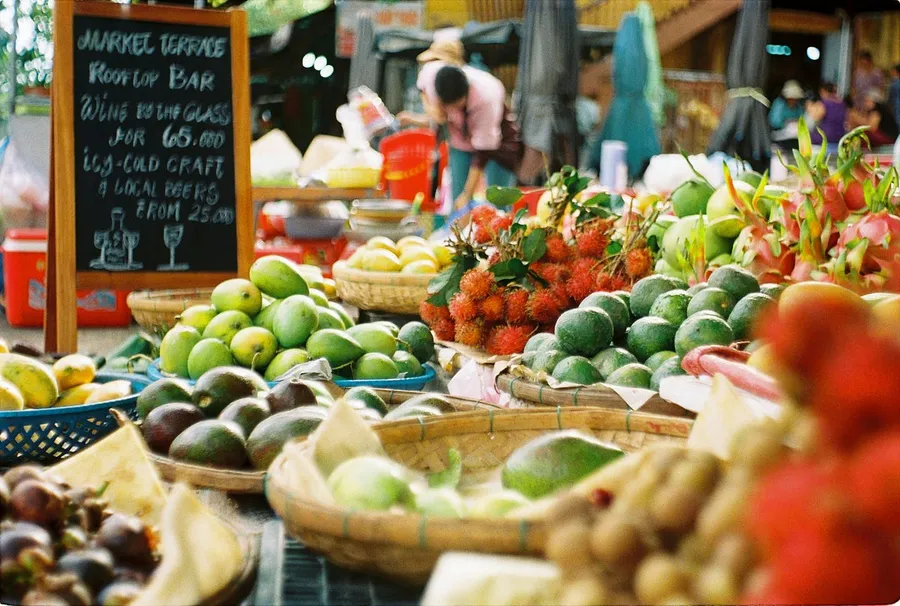
Photo by Andrei Lasc on Unsplash
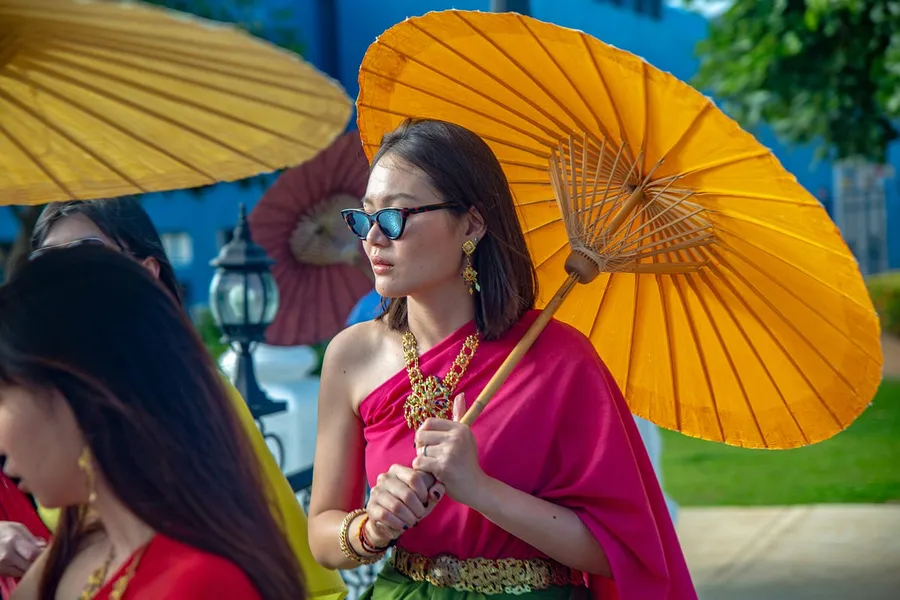
Photo by Solen Feyissa on Unsplash
Written by
Marien CartelProfessional and Certified Digital Photographer born in the USA, with 22 years of experience in the field of photography.
Related Guides
Best Camera for Automotive Photography
What I Actually Reach For When I’m Shooting Cars. Here is how the Canon EOS R5, Sony a7 IV and Nikon Z6 III compare, and the one I keep going back to.
Best Cameras for Virtual Production
After I Wasted a Full Shoot Day Finding Out — why the Sony FX6 and Sony FX9 made the list, and who each one really suits.
Best DSLR Cameras for Beginners: (Guide & Reviews)
My Hands-On Experience with the Best Beginner-Friendly Cameras — why the Canon EOS Rebel T7 and Nikon D3500 made the list, and who each one really suits.