Best Camera for Therapy Sessions
As an Amazon Associate we earn from qualifying purchases. Some links in this guide are affiliate links — see our affiliate disclosure for details.
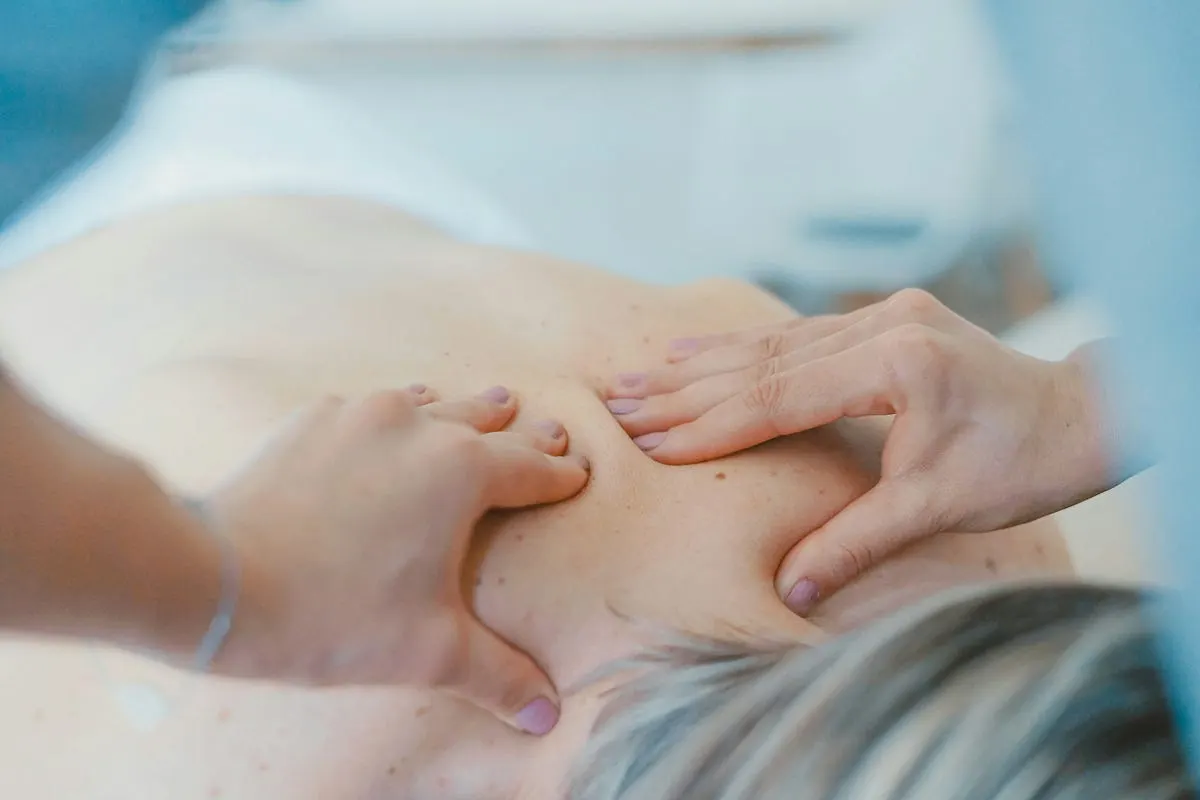
Photo by Toa Heftiba on Unsplash
As a therapist, the quality of my sessions — both in-person and virtual — has always been paramount. Recording therapy sessions has become an invaluable tool for reflection, supervision, and client feedback. Through my personal experience, I’ve learned that the right camera can significantly enhance the quality of these recordings. Here’s a detailed look at my journey to find the best camera for therapy sessions, along with recommendations based on my experiences.
The Importance of Recording Therapy Sessions
Recording therapy sessions serves multiple purposes:
- Self-Reflection: Reviewing recordings allows therapists to assess their techniques and interactions.
- Supervision: Sharing recordings with supervisors can facilitate constructive feedback.
- Client Review: Clients may benefit from reviewing their sessions to reinforce insights gained during therapy.
Given these benefits, I embarked on a quest to find a camera that would meet my needs without breaking the bank.
My Personal Experience with Different Cameras
Initially, I relied on my laptop’s built-in webcam for online sessions. While it sufficed for basic video calls, I soon realized that the quality was lacking — especially in terms of audio clarity and visual detail. This prompted me to explore dedicated cameras.
Webcams
I started with the Logitech HD Pro Webcam C920. This webcam offers:
- 1080p Video Quality: Clear and crisp visuals are crucial for capturing non-verbal cues.
- Built-in Microphone: The audio quality is surprisingly good, reducing the need for external mics.
- Easy Setup: It’s plug-and-play compatible with most video conferencing software.
Using this webcam transformed my online sessions. The clarity improved not only my engagement but also allowed clients to feel more connected.
Camcorders
For in-person sessions, I invested in a Canon Vixia HF R800 Camcorder. This choice was driven by its:
- Long Recording Time: Capable of recording for extended periods without interruption.
- Excellent Audio Capture: Ensures that even soft-spoken clients can be heard clearly.
- User-Friendly Interface: Simple controls made it easy to operate during sessions.
The camcorder allowed me to record therapy sessions without worrying about battery life or storage space.
Key Features to Look For
When selecting a camera for therapy sessions, consider the following features:
- Video Quality: Aim for a camera that offers at least 1080p resolution. Clear visuals are essential for capturing non-verbal cues and ensuring that both the therapist and client can see each other well during sessions.
- Audio Quality: Good audio is crucial in therapy sessions. Look for cameras with high-quality built-in microphones or the option to connect external microphones. This ensures that even soft-spoken clients can be heard clearly.
- Recording Duration: Choose a camera that can record for long periods without overheating or stopping. This is particularly important for in-person sessions where you may not want to interrupt the flow of therapy.
- Ease of Use: Select a model that is straightforward to set up and operate. A user-friendly interface will allow you to focus on the session rather than fiddling with technology.
- Portability: If you plan to move between different locations, consider lightweight and compact options that are easy to transport without sacrificing quality.
Recommendations Based on Research
After thorough research and personal experience, here are some recommended cameras for therapy sessions:
Logitech HD Pro Webcam C920
- Ideal for online therapy due to its excellent video and audio quality.
- Price Range: $70 — $100.
Canon Vixia HF R800
- Great for in-person sessions; long battery life and high-quality video.
- Price Range: $250 — $300.
Sony HDR-CX405
- Compact camcorder with good video quality and user-friendly features.
- Price Range: $200 — $300.
DJI Osmo Action
- A versatile option for both indoor and outdoor settings; highly portable.
- Price Range: $300 — $400.
Photo by Conscious Design on Unsplash
Conclusion
Finding the right camera for therapy sessions has greatly enhanced my practice. The ability to review recordings has provided insights into my therapeutic techniques and improved client interactions. Whether you choose a webcam or a camcorder, investing in quality equipment is crucial for maximizing the benefits of recorded therapy sessions. By sharing my journey and experiences, I hope to guide fellow therapists in selecting the best camera suited to their needs. Remember, the right tools can make a significant difference in your therapeutic practice!
Photo by Ashlynn Murphy on Unsplash
Written by
Marien CartelProfessional and Certified Digital Photographer born in the USA, with 22 years of experience in the field of photography.
Related Guides
Best Camera for Automotive Photography
What I Actually Reach For When I’m Shooting Cars. Here is how the Canon EOS R5, Sony a7 IV and Nikon Z6 III compare, and the one I keep going back to.
Best Cameras for Virtual Production
After I Wasted a Full Shoot Day Finding Out — why the Sony FX6 and Sony FX9 made the list, and who each one really suits.
Best DSLR Cameras for Beginners: (Guide & Reviews)
My Hands-On Experience with the Best Beginner-Friendly Cameras — why the Canon EOS Rebel T7 and Nikon D3500 made the list, and who each one really suits.