Best camera for tennis match action shots
As an Amazon Associate we earn from qualifying purchases. Some links in this guide are affiliate links — see our affiliate disclosure for details.
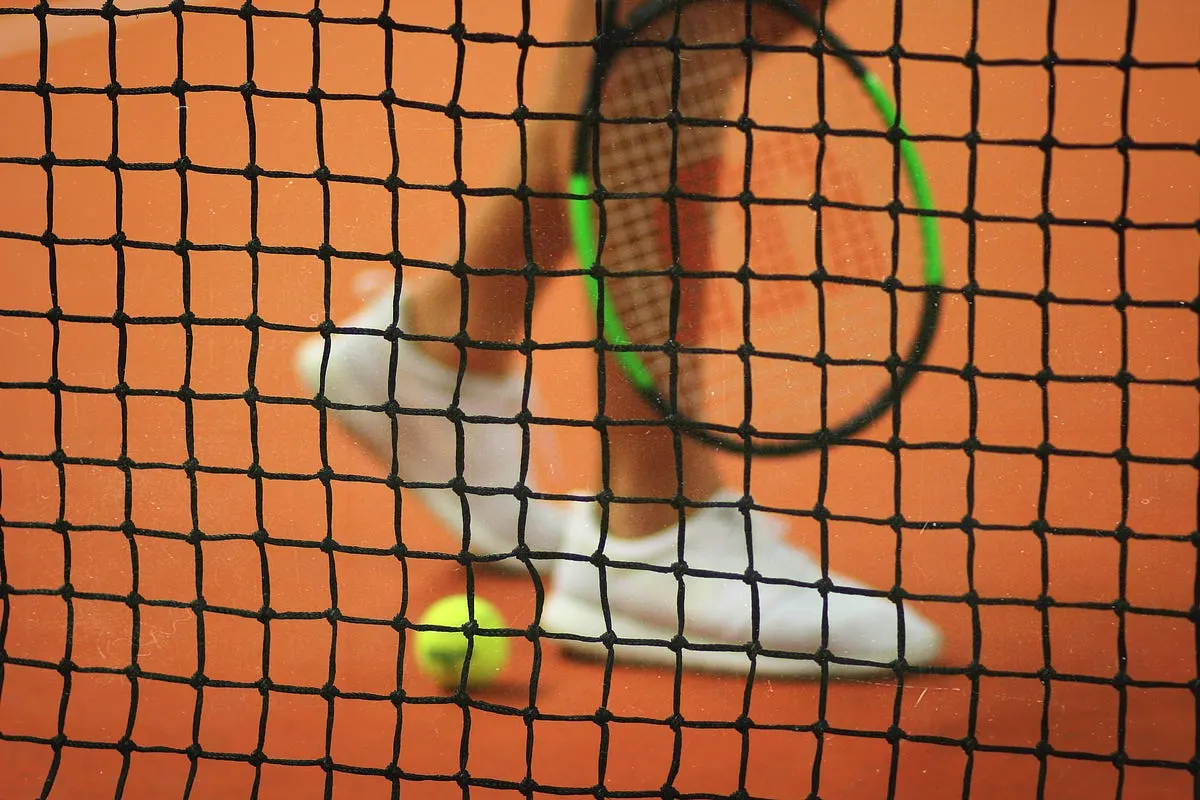
Photo by John Fornander on Unsplash
As an avid tennis player and photography enthusiast, I’ve spent countless hours both on the court and behind the lens. My journey to find the perfect camera for capturing tennis action began during a particularly memorable club tournament last summer. I was serving for the match when my daughter managed to snap a blurry, poorly timed photo of what should have been my winning serve. That moment made me realize how challenging it is to capture the explosive energy and precise movements of tennis, leading me on a quest to discover the best cameras for tennis photography.
What Makes Tennis Photography Challenging
Tennis presents unique challenges for photographers:
- Ultra-fast movements (serves can exceed 120 mph)
- Rapidly changing lighting conditions on outdoor courts
- Need to capture both wide court action and tight player shots
- Split-second timing for crucial moments
- Variable distances from the action
Top Camera Recommendations
Best Overall: Sony A9 II
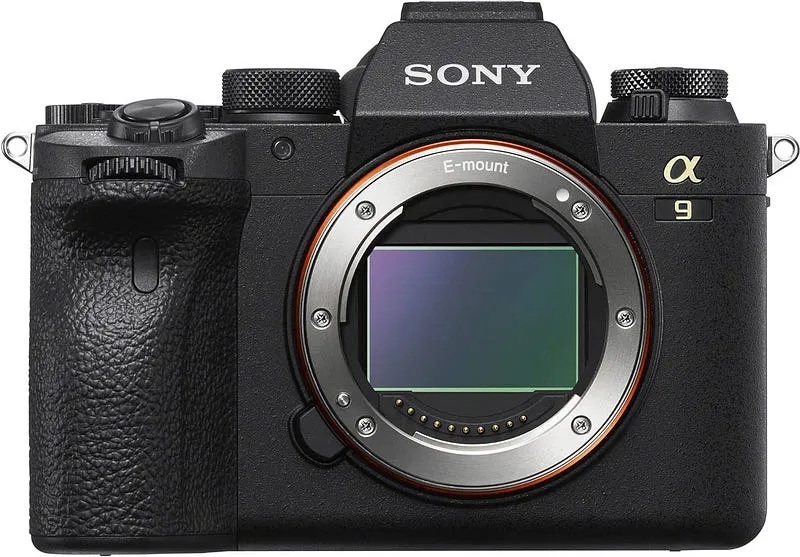
- 20 fps continuous shooting
- Real-time tracking autofocus
- Electronic shutter eliminates blackout
- Outstanding in low light
- Price: $4,500
Perfect for: Professional and serious amateur photographers who need the absolute best tracking and speed.
Best Value: Canon EOS R6
- Up to 20 fps electronic shutter
- Dual pixel AF with excellent tracking
- Strong low-light performance
- Superior image stabilization
- Price: $2,500
Perfect for: Enthusiast photographers wanting pro-level features at a more reasonable price point.
Best Budget Option: Sony A7 III
- 10 fps continuous shooting
- Advanced AF system
- Excellent dynamic range
- Reliable battery life
- Price: $1,700
Perfect for: Club photographers and parents wanting quality action shots without breaking the bank.
Essential Features for Tennis Photography
Fast Autofocus
- Subject tracking capability
- Wide AF coverage
- Fast focus acquisition
High Frame Rate
- Minimum 10 fps
- Large buffer capacity
- Fast card write speeds
Fast Shutter Speeds
- 1/1000 sec minimum for serves
- 1/2000 sec ideal for volleys
- Good high ISO performance
Recommended Lenses
For tennis photography, you’ll want two main types of lenses:
Telephoto Zoom (70–200mm f/2.8)
- Perfect for baseline shots
- Excellent for serving photos
- Allows for frame-filling shots from safe distances
Standard Zoom (24–70mm f/2.8)
- Ideal for near-court action
- Great for environmental shots
- Useful for doubles matches
Personal Experience and Tips
After testing various setups, I found the Sony A9 II paired with a 70–200mm f/2.8 GM lens to be my ideal combination. During a recent regional tournament, I was able to capture every nuance of play, from the intense concentration before serves to the explosive celebration after match points.
Key lessons learned:
- Position yourself at court level for more dramatic shots
- Use burst mode liberally — you can always delete extras
- Learn to anticipate player movements
- Practice tracking shots during warm-ups
- Consider the background for cleaner compositions
Camera Settings for Tennis
Recommended Starting Points:
- Shutter Priority Mode (TV/S)
- Shutter Speed: 1/1000–1/2000
- ISO: Auto (with upper limit set)
- AF: Continuous (AI Servo)
- Drive: High-Speed Continuous
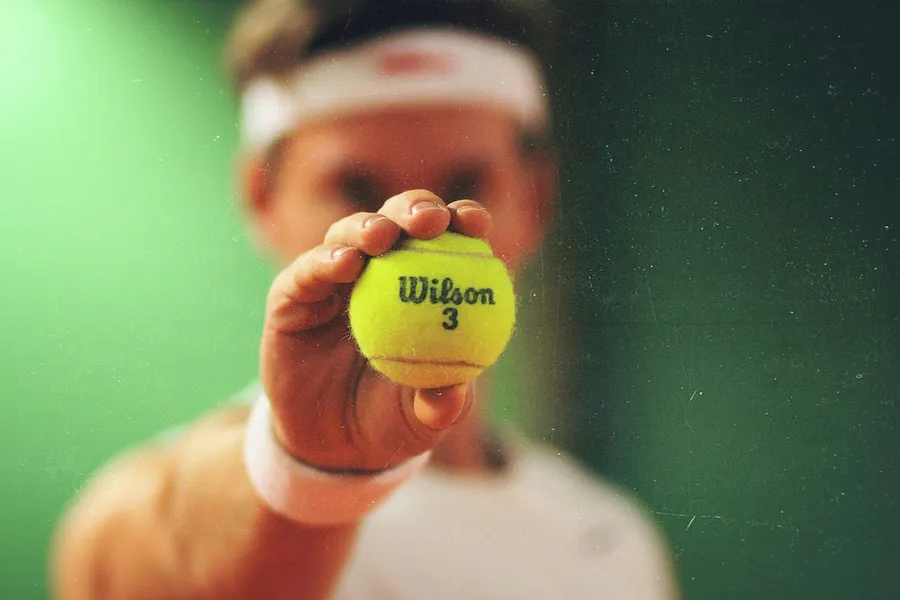
Photo by John Fornander on Unsplash
Post-Processing Considerations
Tennis photos often benefit from:
- Contrast adjustment to enhance player definition
- Selective sharpening on the player/ball
- Minimal noise reduction to preserve detail
- Slight vibrance boost for court colors
Conclusion
While any modern camera can capture tennis matches, the best results come from systems designed for speed and accuracy. Whether you’re a professional photographer or a parent wanting to document your child’s matches, investing in the right camera and learning its capabilities will help you capture those split-second moments that make tennis such an exciting sport.
Remember, the best camera is often the one you’re most comfortable using. Start with what you have, learn its limitations, and upgrade when you find those limitations consistently holding you back.
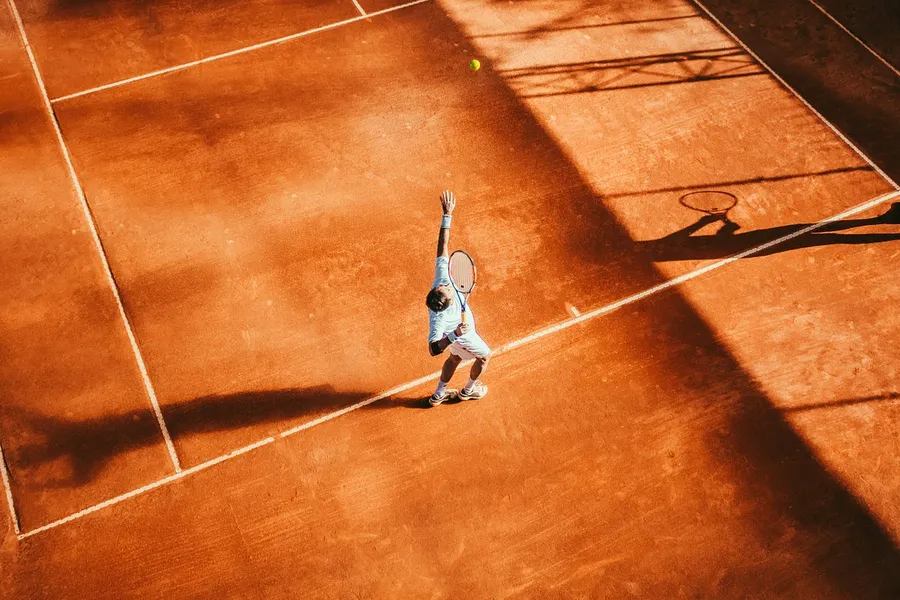
Photo by Moises Alex on Unsplash

Written by
Marien CartelProfessional and Certified Digital Photographer born in the USA, with 22 years of experience in the field of photography.
Related Guides
Best Camera for Automotive Photography
What I Actually Reach For When I’m Shooting Cars. Here is how the Canon EOS R5, Sony a7 IV and Nikon Z6 III compare, and the one I keep going back to.
Best Cameras for Virtual Production
After I Wasted a Full Shoot Day Finding Out — why the Sony FX6 and Sony FX9 made the list, and who each one really suits.
Best DSLR Cameras for Beginners: (Guide & Reviews)
My Hands-On Experience with the Best Beginner-Friendly Cameras — why the Canon EOS Rebel T7 and Nikon D3500 made the list, and who each one really suits.