Best Camera for Still Photography
As an Amazon Associate we earn from qualifying purchases. Some links in this guide are affiliate links — see our affiliate disclosure for details.
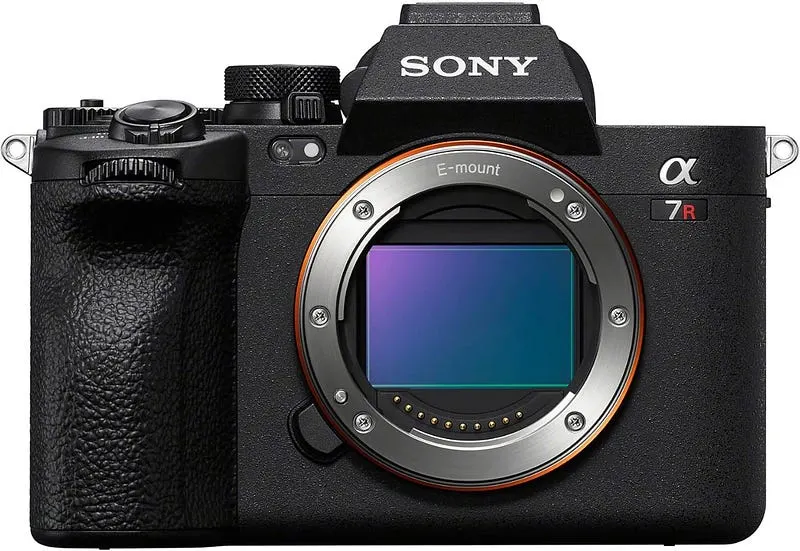
For stills photography, top contenders include the Sony A7R V for its advanced autofocus and detailed images, the Canon EOS R5 for its balance of features and cost, and the Fujifilm X-T5 for its portability and image quality.
The Nikon Z8 is also highly regarded as a versatile option, and the Sony A7R IV is a strong hybrid camera choice.
Elaboration:
- Sony A7R V: Known for its powerful AI-based autofocus and high-resolution sensor, making it excellent for capturing intricate details.
- Canon EOS R5: Offers a good balance of features and price, with a 45-megapixel sensor and versatile capabilities.
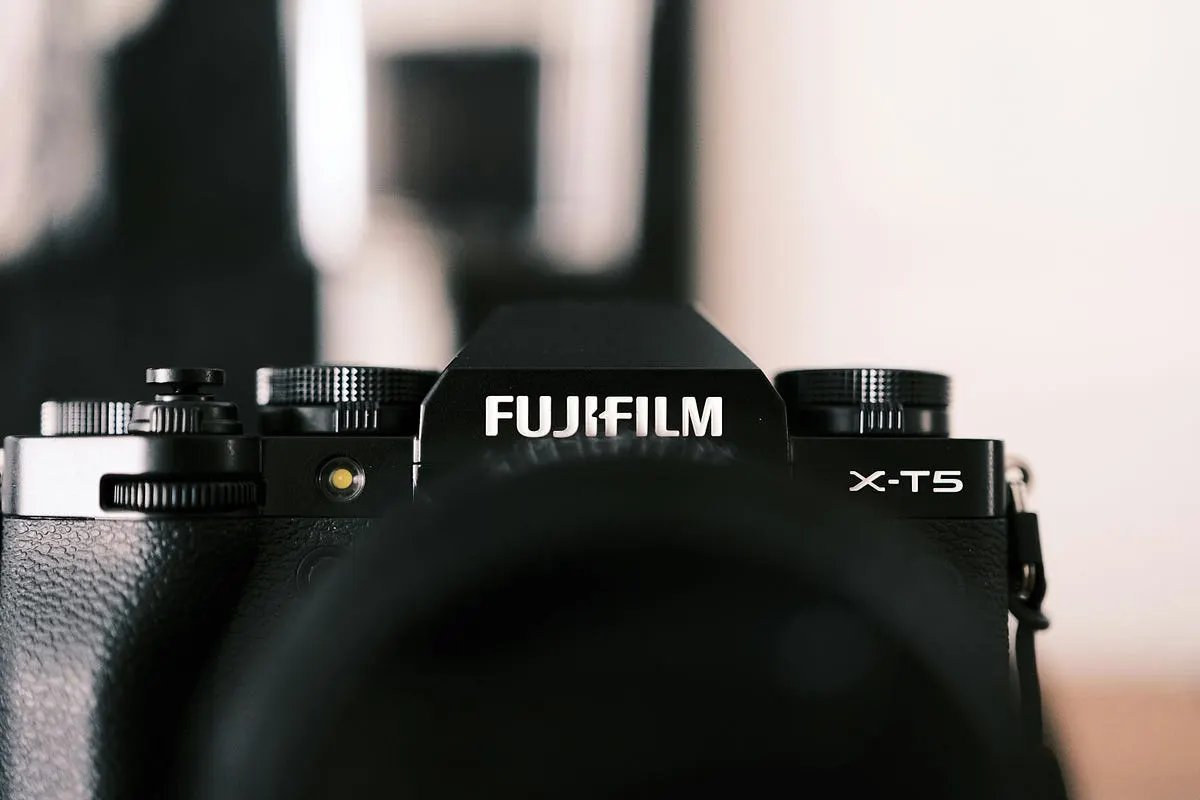
- Fujifilm X-T5: A popular APS-C camera with a 40.2-megapixel sensor, offering portability and excellent image quality, especially for landscapes and portraits.
- Nikon Z8: A versatile camera that excels in many situations, particularly for wildlife photography.
- Sony A7R IV: A hybrid camera known for its fast autofocus and high-resolution sensor.
- Canon EOS R6 Mark II: A strong option for low-light photography.
- Canon EOS R10: A beginner-friendly camera with a good balance of features and price.
- Nikon Z fc: A budget-friendly option with a classic design and quick power-up time.
Quick answer: which camera should you buy for still photography?
- Best for maximum resolution: the Sony A7R V. Its 61-megapixel full-frame sensor gives the most room for cropping and large prints.
- Best balanced full-frame pick: the Nikon Z8. It offers 45.7 megapixels in a full-frame body, a middle ground between resolution and file size.
- Best for a light, portable setup: the Fujifilm X-T5. Its APS-C sensor is smaller than full frame, but the body is the lightest of the five cameras compared below.
These picks depend on what you shoot and how much you want to carry. The sections below compare the cameras on published specifications and explain which buyer each one suits.
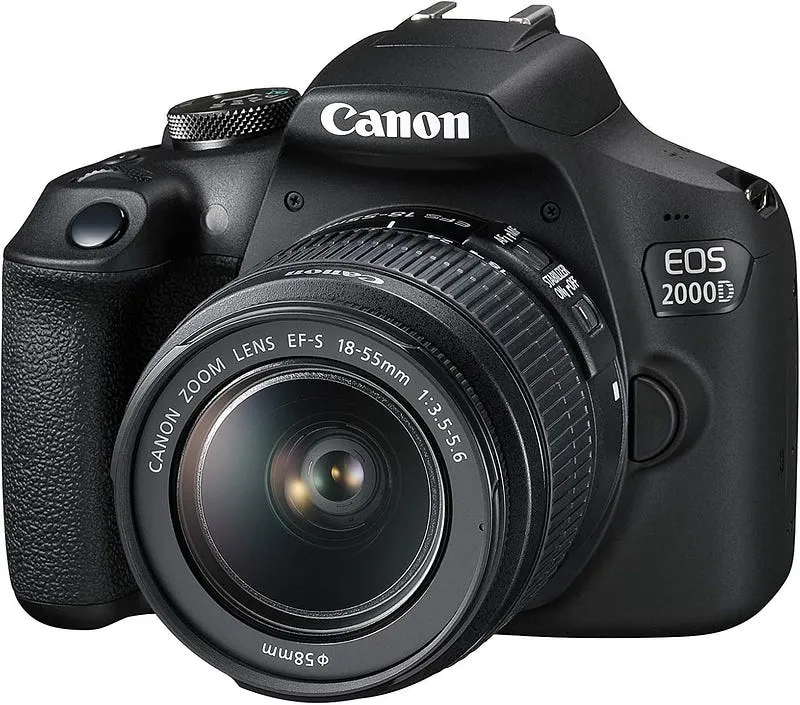
First Steps: The Entry-Level DSLR
The Mirrorless Revelation
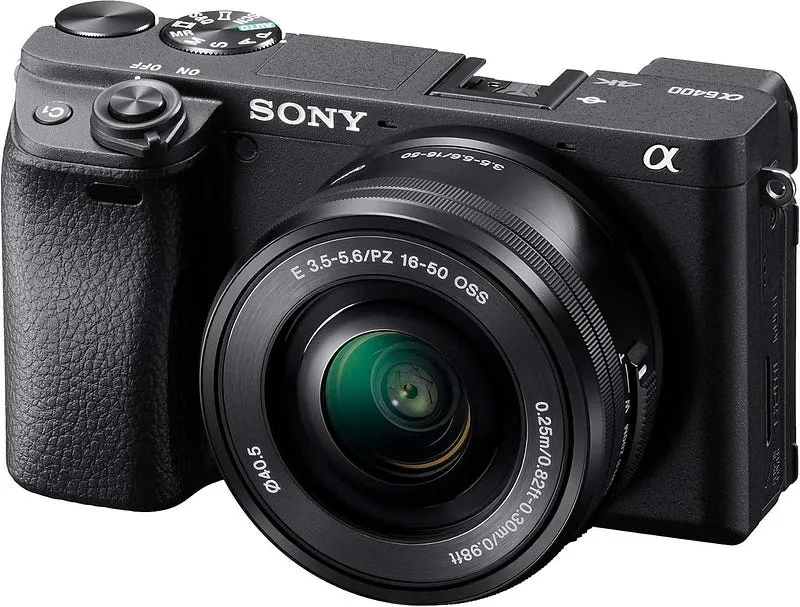
The compact size, lightning-fast autofocus, and stunning image clarity made every shoot a joy.
The Game-Changer: Full-Frame Magic
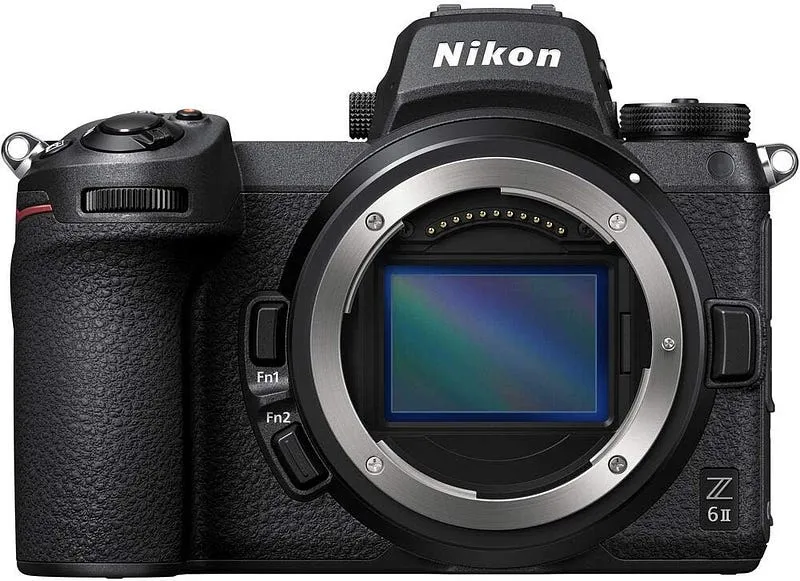
The full-frame sensor delivered breathtaking detail, dynamic range, and low-light performance.
What Matters Most: Features to Look For
Here are the features that truly matter for still photography:
- Sensor Size: Full-frame sensors offer superior image quality, but APS-C and Micro Four Thirds can be excellent too.
- Autofocus: Fast and accurate autofocus is crucial, especially for portraits and action shots.
- Image Quality: Look for good dynamic range, color accuracy, and low-light performance.
- Ergonomics: The camera should feel comfortable in your hands and suit your shooting style.
- Lens Ecosystem: Great lenses are just as important as the camera body.
Recommendation: The Best Camera for Still Photography
It combines superb image quality, robust build, and intuitive controls. However, the Sony Alpha a7 IV and Canon EOS R6 Mark II are also fantastic choices, each with their own strengths.
Specs side by side
The table uses published manufacturer figures and widely cited comparison data. Weight is the body as listed by each manufacturer, and it can vary with battery and card.
| Camera | Sensor | Resolution | Published weight (approx.) |
|---|---|---|---|
| Sony A7R V | Full frame | 61.0 MP | 723 g |
| Nikon Z8 | Full frame, stacked CMOS | 45.7 MP | 910 g |
| Canon EOS R5 | Full frame | 45 MP | 738 g |
| Fujifilm X-T5 | APS-C (X-Trans CMOS 5 HR) | 40.2 MP | 557 g |
| Sony A7 IV | Full frame | 33 MP | 658 g |
Two cross-checks are useful. The PhotographyLife comparison of the A7R V and EOS R5 covers the two full-frame high-resolution bodies in detail. The Imaging Resource specifications for the X-T5 list the APS-C sensor and body data. Confirm current figures on the manufacturer's site before you buy.
Who should buy which camera
| Buyer | Best pick | Why |
|---|---|---|
| Landscape or studio work that needs large prints or heavy cropping | Sony A7R V | Highest resolution in this group |
| Full-frame shooters who want a balance of resolution and file size | Nikon Z8 or Canon EOS R5 | Both sit around 45 MP, so files stay manageable |
| Travel and street stills where weight matters | Fujifilm X-T5 | Lightest body here, with 40.2 MP |
| Full-frame buyers who want fewer megapixels and a lighter body | Sony A7 IV | 33 MP and 658 g, easier to carry all day |
Which camera fits your subject
- Portraits: full-frame sensors give shallower depth of field at the same aperture, which helps separate the subject from the background. Pick a body with reliable eye autofocus and a lens that suits your focal length.
- Landscapes: resolution and dynamic range matter most. The A7R V and Z8 give you the most detail to work with, and a tripod removes most handheld limits.
- Travel: weight and battery life decide how much you actually carry and shoot. The X-T5 is the lightest option here, and a spare battery is cheap insurance on any of these bodies.
- Architecture and interiors: full-frame bodies work better with wide and tilt-shift lenses, because they match the lens image circle. The camera body matters less than the lens for these subjects.
Mistakes to avoid when choosing a still camera
- Chasing megapixels alone. A 61 MP file is much larger than a 24 MP file. It needs more storage, a faster computer and more time to edit, so decide whether you will use the extra detail.
- Ignoring the lens system. A body is only useful with lenses that fit its mount. The X-T5 uses Fujifilm's X mount, and the full-frame bodies use their own mounts, so check lens prices and availability before you commit.
- Buying by sensor size without looking at the lenses. Full frame is not automatically better for every shooter. An APS-C body with the right lenses can produce better results than a full-frame body you cannot afford to equip.
- Judging weight by the body only. A light body with a heavy lens is still heavy. Weigh the setup you actually plan to carry.
- Skipping the battery. Mirrorless bodies generally use more power than DSLRs, so buy at least one spare battery for a day out.
- Trusting a single spec sheet. Resolution, autofocus and battery claims come from different test methods. Compare two independent sources, not just the manufacturer's page.
More picks
- Canon EOS 2000D — View on Amazon
- Sony Alpha a6400 — View on Amazon
- Nikon Z6 II — View on Amazon
- Nikon Z6 II (alternate link) — View on Amazon
Frequently asked questions
Is full frame necessary for still photography? No. Full frame gives more light-gathering area and a wider field of view for the same focal length. APS-C and other smaller sensors can produce excellent stills, and they are often lighter and cheaper to equip. Choose full frame if low-light work, shallow depth of field or very large prints matter to you.
Is 61 megapixels too much for most people? For many photographers, yes. 61 MP is useful for heavy cropping, large prints and commercial work. For web use and standard prints, 24 to 33 MP is usually enough, and the smaller files are easier to store and edit.
Can an APS-C camera handle professional stills? Yes. Many working photographers use APS-C bodies, particularly for travel and commercial work where weight and cost matter. The main trade-off is resolution and low-light performance compared with full frame.
Should you buy the camera or the lens first? Usually the lens. Good lenses often last through several bodies, while a camera body becomes outdated sooner. Check which lens you need for your subjects, then choose a body that fits that mount and your budget.
Final Thoughts
Your journey in photography is uniquely yours. The best camera is the one that inspires you to pick it up and create. Don’t get lost in specs — focus on what feels right in your hands and helps you tell your story.
Happy shooting — and may your stills always tell powerful stories!
Photo by Muhammad Affan on Unsplash
Written by
Marien CartelProfessional and Certified Digital Photographer born in the USA, with 22 years of experience in the field of photography.
Related Guides
Best Camera for Still Life Photography
Best Camera for Still Life Photography — how Sony A7R V and Canon EOS R5 compare on features and price, and who each is best for.
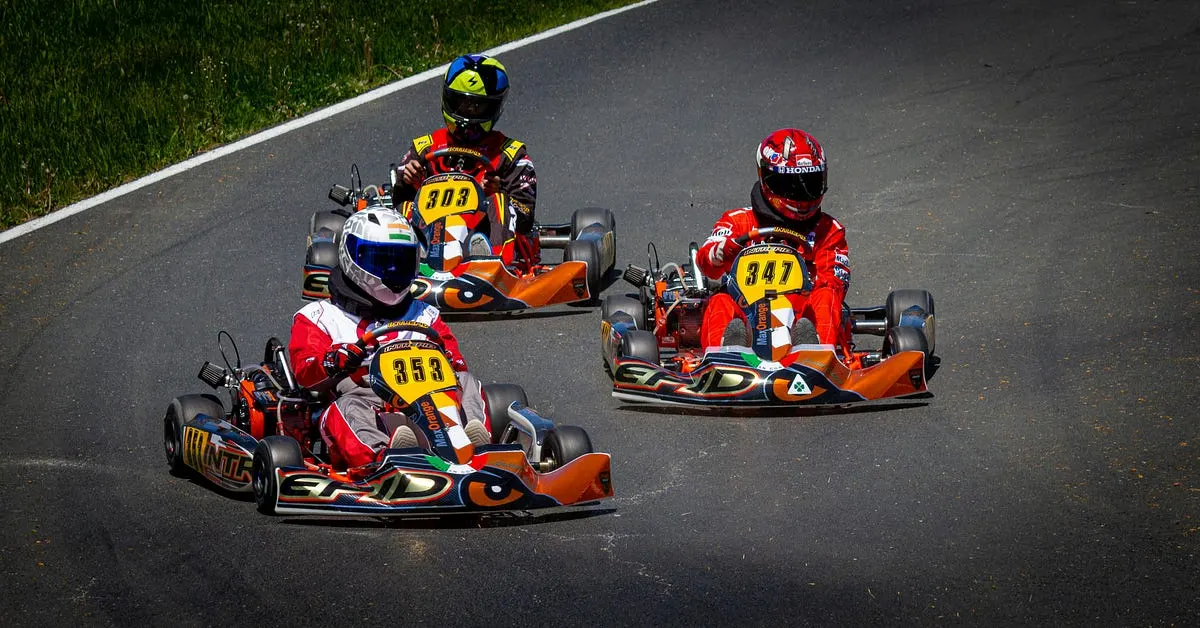
Best Camera for Karting
Best Camera for Karting: GoPro Hero 12 Black, DJI Osmo Action 4 and Insta360 ONE RS compared on features, price and who each one suits.
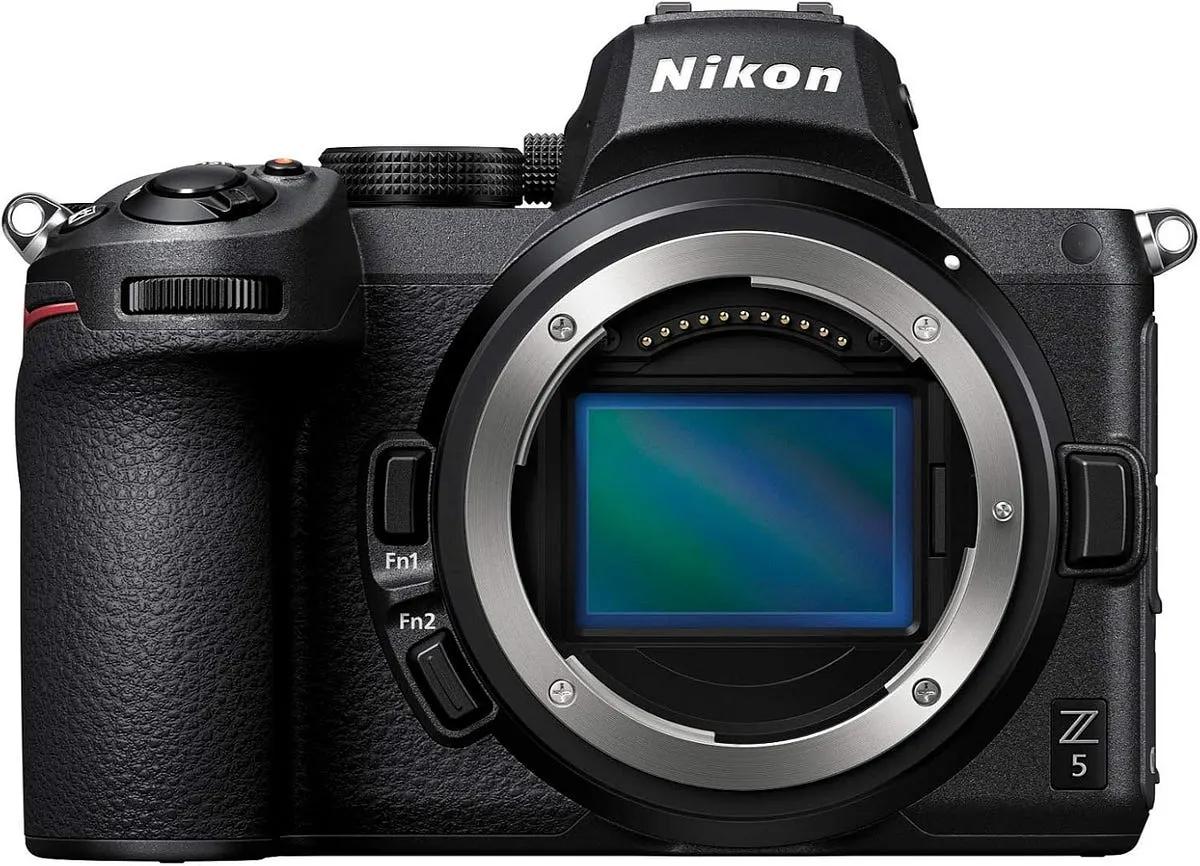
Best Full Frame Mirrorless Camera for Beginners Nikon
Best Full Frame Mirrorless Camera for Beginners Nikon: key features, strengths, drawbacks and who should buy the Nikon Z5.

Best Camera for DJ Sets
Best Camera for DJ Sets — Sony ZV-1, Sony a7 III and GoPro HERO 13 compared, with pros, cons and who should buy which.
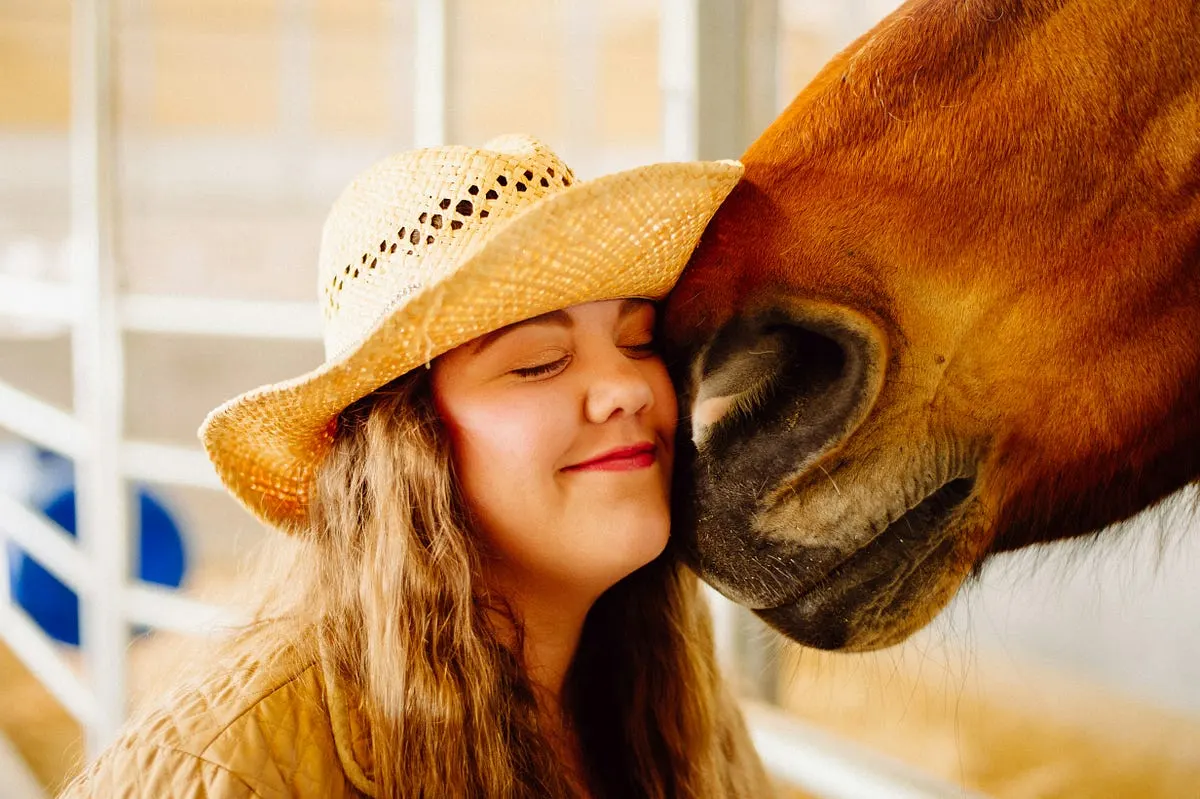
Best Camera for Equine Photography
Best Camera for Equine Photography: a side-by-side look at Canon EOS R5, Sony A7 IV and Fujifilm X-T5, with strengths, trade-offs and buying advice.
Best Digital Camera
Best Digital Camera: what to look for, what to skip and how to choose the right one for your budget. Updated for 2026.