Best Camera for Snowboarding
As an Amazon Associate we earn from qualifying purchases. Some links in this guide are affiliate links — see our affiliate disclosure for details.
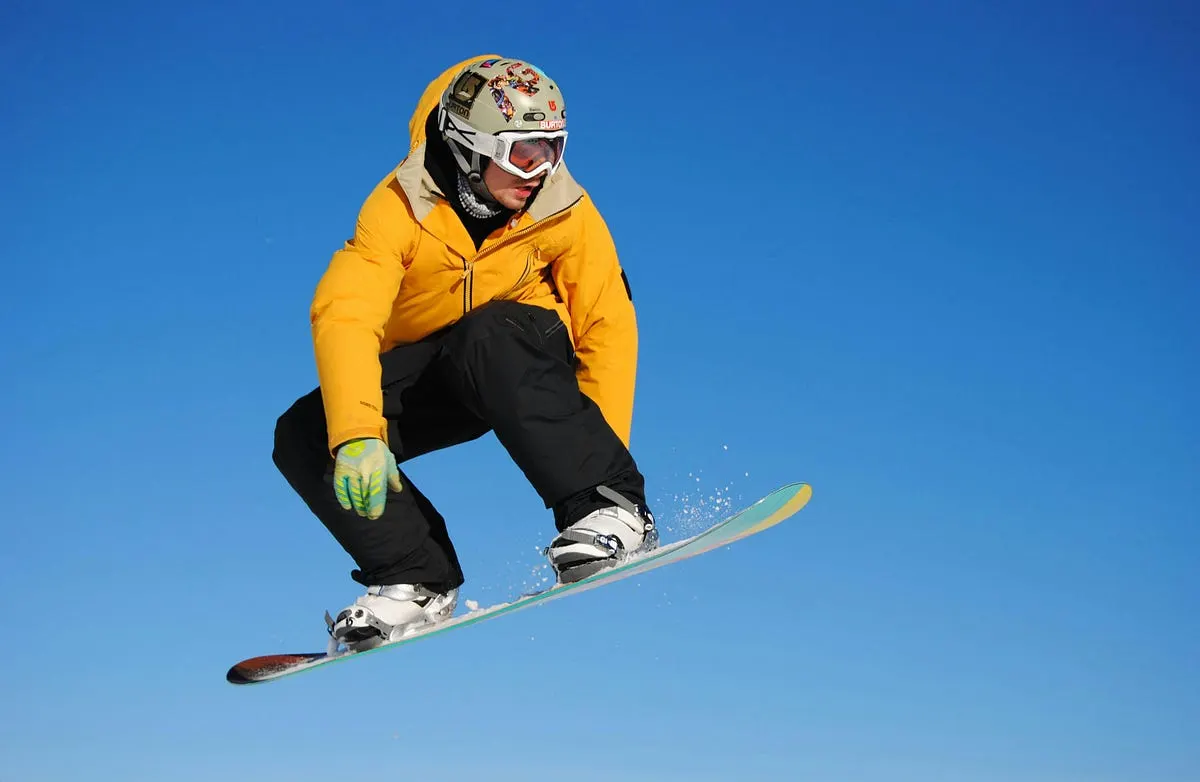
Photo by Alessandro Maculotti on Unsplash
Last winter, I found myself standing at the top of a pristine run in Colorado, surrounded by untouched powder and that perfect golden hour light that makes every snowboarder’s heart race. But as I strapped in for what I knew would be an epic descent, I realized something was missing — I had no way to capture the magic I was about to experience.
That moment sparked my quest to find the perfect snowboarding camera, and after months of research, testing, and plenty of trial runs down the mountain, I’ve learned what really matters when it comes to filming your adventures on the slopes.
- Insta360 X4–8K 360° camera with invisible selfie stick — Buy Now
- Insta360 X5 — Enhanced cold-weather performance — Buy Now
- DJI Osmo Action 5 Pro — Subject tracking & extended battery — Buy Now
- GoPro HERO13 Black — 5.3K recording with legendary durability — Buy Now
Why I Chose a 360 Camera (And Why You Might Too)
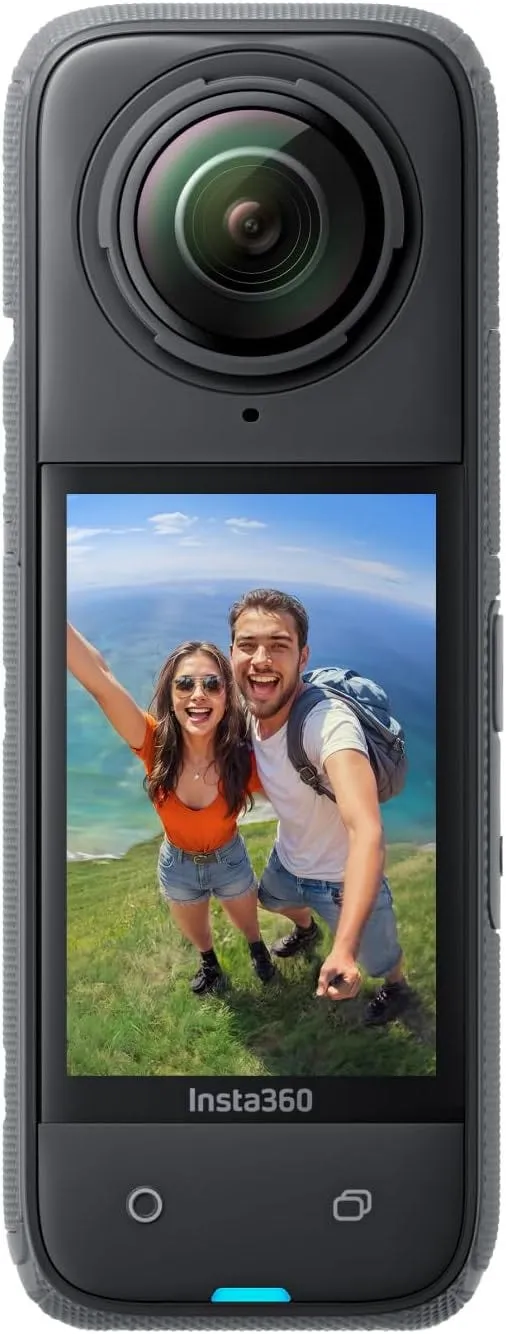
My first major decision was between traditional action cameras and the newer 360-degree options. After watching countless YouTube videos of riders effortlessly switching between first-person POV shots and those incredible third-person angles that make you look like you’re being followed by a drone, I knew I had to try 360.
I ended up going with the Insta360 X4, and honestly, it changed everything about how I capture my rides. The ability to shoot everything in 360 degrees means I never miss a moment — whether it’s that perfect carve through fresh powder or an unexpected wipeout that somehow turns into comedy gold.
The Game-Changer: Invisible Selfie Stick
The “Invisible Selfie Stick” feature is pure magic. Mount the camera on an extension pole, and the software automatically edits out the stick, creating these cinematic third-person shots that make it look like you have your own personal film crew following you down the mountain. My friends couldn’t believe the footage when I showed them — it looks like something straight out of a snowboarding documentary.
The X4’s 8K resolution means every crystal of snow flying off my board is captured in stunning detail, and the low-light performance has saved me during those early morning sessions when the light is still dim but the conditions are perfect.
When Traditional Action Cameras Still Win
Don’t get me wrong — 360 cameras aren’t always the answer. During my testing, I also spent time with the DJI Osmo Action 5 Pro and the GoPro HERO13 Black, and there are definitely scenarios where these traditional cameras shine.
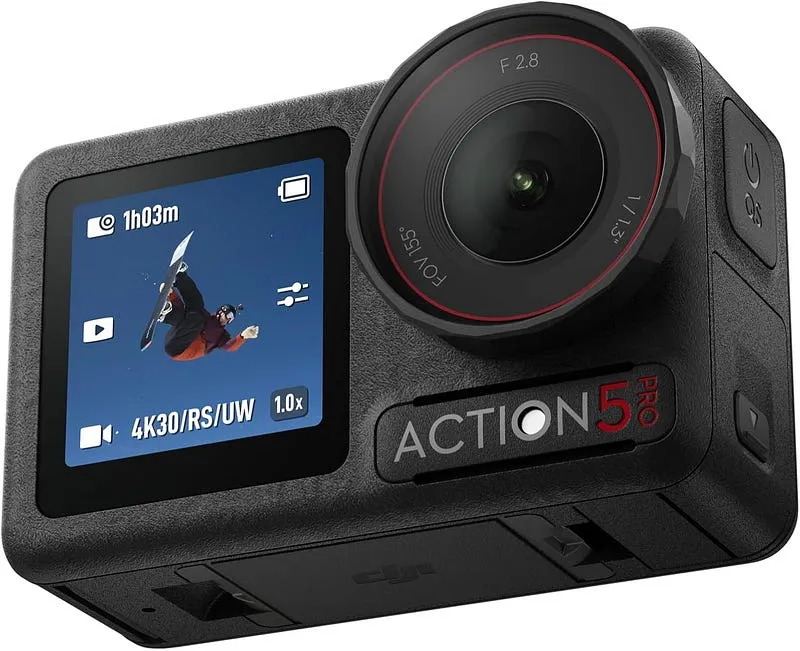
The DJI impressed me with its subject tracking feature. Mount it on a tree or have a friend hold it, and it’ll automatically follow you as you carve down the slope. The battery life is also incredible — I’ve had full-day sessions without needing to swap batteries, which isn’t something I can say about most action cameras.
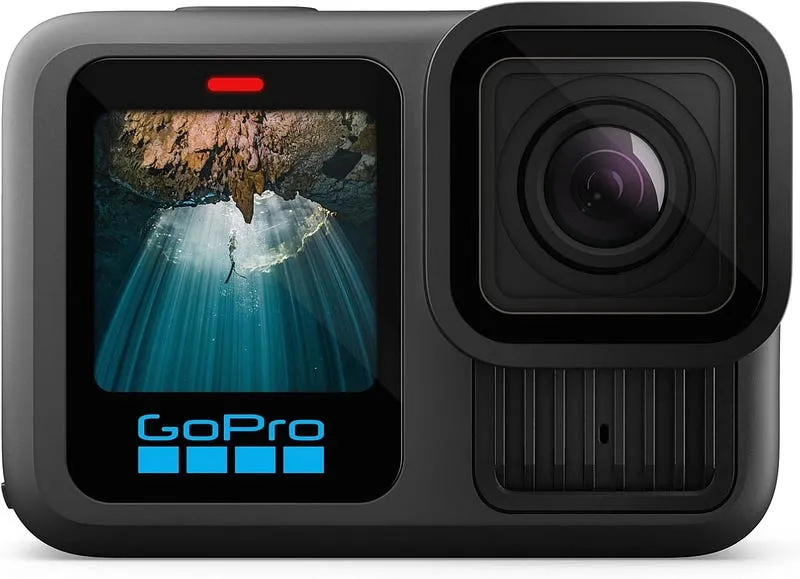
The GoPro HERO13 Black, meanwhile, is the tank of action cameras. I’ve crashed with it, dropped it in powder, and exposed it to brutal cold, and it just keeps working. The HyperSmooth 6.0 stabilization is so good that even my shakiest helmet footage looks buttery smooth. Plus, the new HB-Series Lenses open up creative possibilities I’m still exploring.
What I Learned About Cold Weather Performance
Here’s something the spec sheets don’t always tell you: cold weather is brutal on camera batteries. During a particularly frigid day at Whistler (we’re talking -20°F), my original action camera died within an hour. The newer cameras like the Insta360 X5 and the latest GoPros have much better cold-weather performance, but I still always carry extra batteries in my inside jacket pocket to keep them warm.
Pro tip: those little hand warmers work wonders when taped to your camera’s battery compartment during extremely cold conditions.
The Accessories That Actually Matter
After a season of testing, here are the accessories that proved essential:
Extension poles are crucial for 360 cameras — they’re what make those invisible selfie stick shots possible. I use a carbon fiber one that’s lightweight but sturdy enough to handle the forces of aggressive riding.
ND filters might seem like overkill, but they’re game-changers for sunny powder days. Without them, your footage can look blown out and lose all that beautiful detail in the snow.
Multiple mounting options are key. I’ve got chest mounts, helmet mounts, pole mounts, and even a backpack mount. Different angles tell different stories, and variety keeps your footage interesting.
My Final Recommendation
If you’re just starting out and want maximum creative flexibility, go with the Insta360 X4. The learning curve is steeper than a traditional action camera, but the creative possibilities are endless. The footage you’ll get will make you look like a much better rider than you actually are (trust me on this one).
For those who prefer simplicity and bulletproof reliability, the GoPro HERO13 Black remains the gold standard. It’s plug-and-play, incredibly durable, and produces consistently great footage without much fuss.
And if you’re someone who wants the best of both worlds — advanced features with traditional action camera simplicity — the DJI Osmo Action 5 Pro strikes an excellent balance.
The Real Secret
Here’s what I discovered after a full season of filming: the best camera is the one you’ll actually use. I’ve seen people with $500 cameras create more compelling content than others with $800 setups, simply because they were more motivated to get out there and experiment.
Don’t get so caught up in specs and features that you forget the real goal — capturing those moments that make snowboarding special. Whether it’s the quiet serenity of first tracks in fresh powder or the pure joy of finally landing a trick you’ve been working on all season, the camera is just a tool to help you remember and share those experiences.
Now get out there, find some powder, and start creating your own winter stories. The mountain is calling, and your camera is ready to capture every turn.
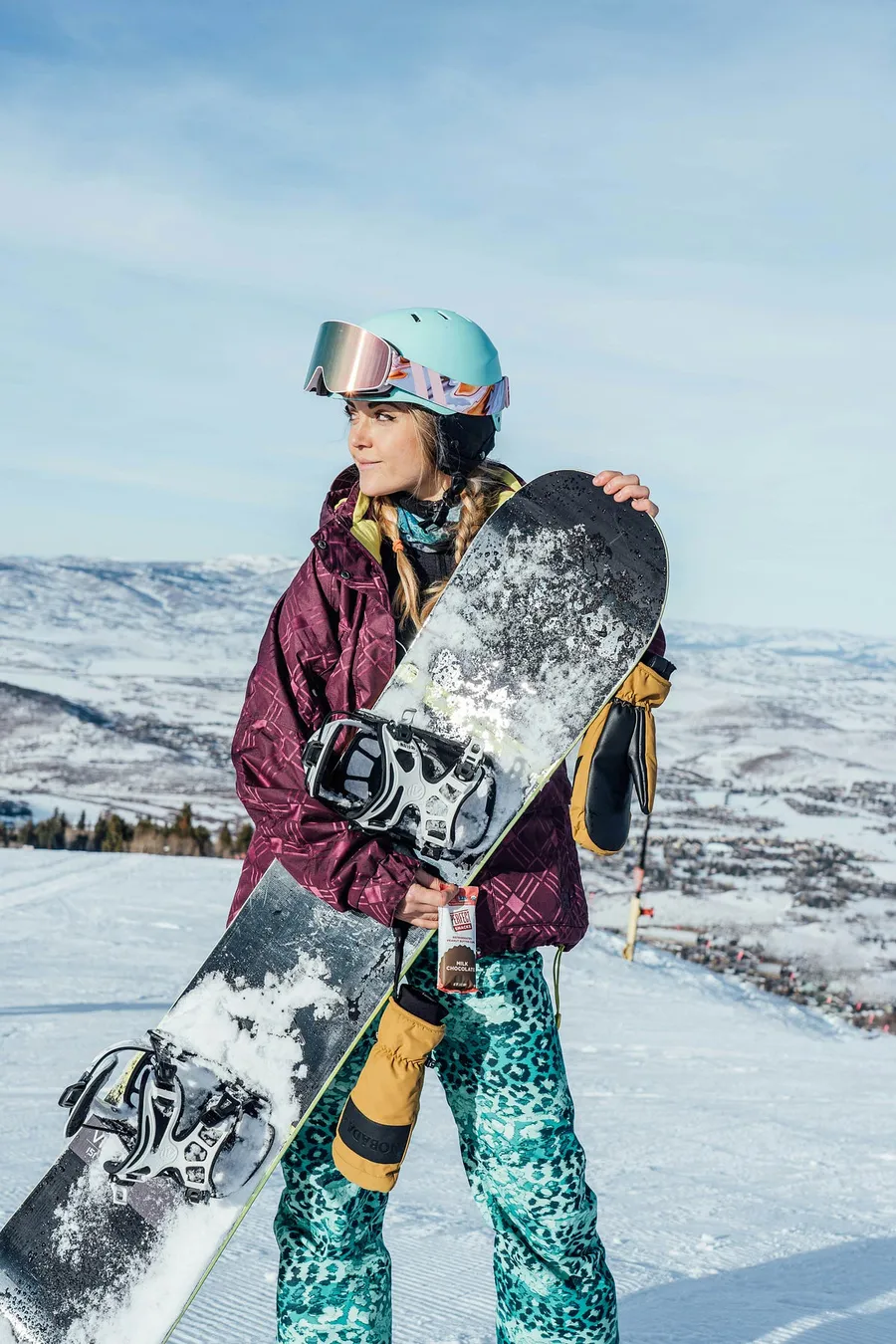
Photo by Perfect Snacks on Unsplash
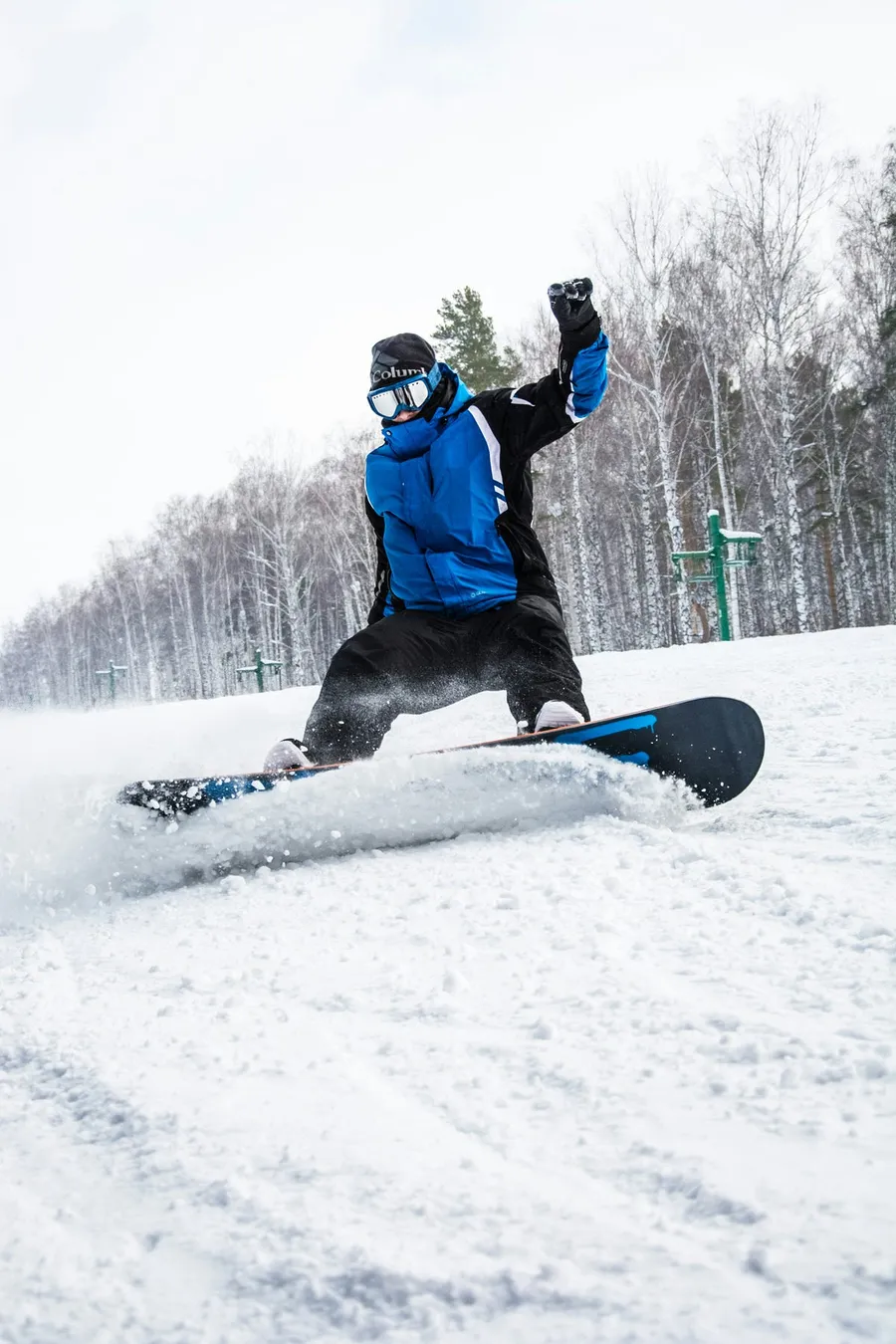
Photo by Екатерина Балабанова on Unsplash
Written by
Marien CartelProfessional and Certified Digital Photographer born in the USA, with 22 years of experience in the field of photography.
Related Guides
Best Camera for Automotive Photography
What I Actually Reach For When I’m Shooting Cars. Here is how the Canon EOS R5, Sony a7 IV and Nikon Z6 III compare, and the one I keep going back to.
Best Cameras for Virtual Production
After I Wasted a Full Shoot Day Finding Out — why the Sony FX6 and Sony FX9 made the list, and who each one really suits.
Best DSLR Cameras for Beginners: (Guide & Reviews)
My Hands-On Experience with the Best Beginner-Friendly Cameras — why the Canon EOS Rebel T7 and Nikon D3500 made the list, and who each one really suits.