Best Camera for Professional Photography in 2026
As an Amazon Associate we earn from qualifying purchases. Some links in this guide are affiliate links — see our affiliate disclosure for details.
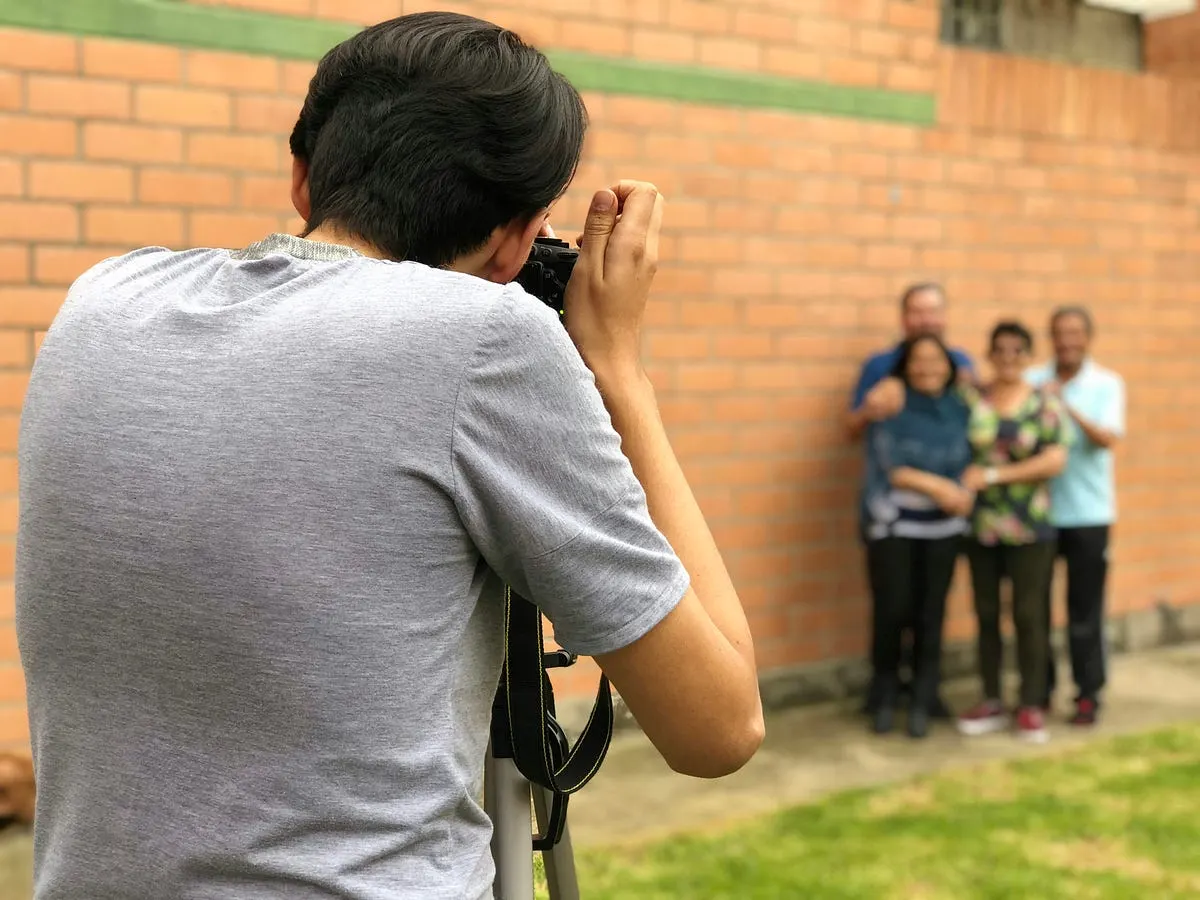
Photo by Gerson Crespo on Unsplash
When I first dipped my toes into the world of professional photography, I was overwhelmed by the sheer number of camera options available. As a budding photographer, I wanted a camera that could grow with me, one that would deliver stunning image quality, handle various lighting conditions, and withstand the demands of frequent use. After years of trial, error, and countless hours of research, I finally found the best camera for professional photography — at least for me. Let me take you through my journey and share my insights on what makes a camera truly great for professional work.
Since I first wrote this, Sony released the A7V, Canon launched the R5 Mark II and R6 III, and Nikon’s Z8 has become a favorite among professionals. My core advice still stands — here’s how these newer options compare.
The Early Days: Learning the Ropes
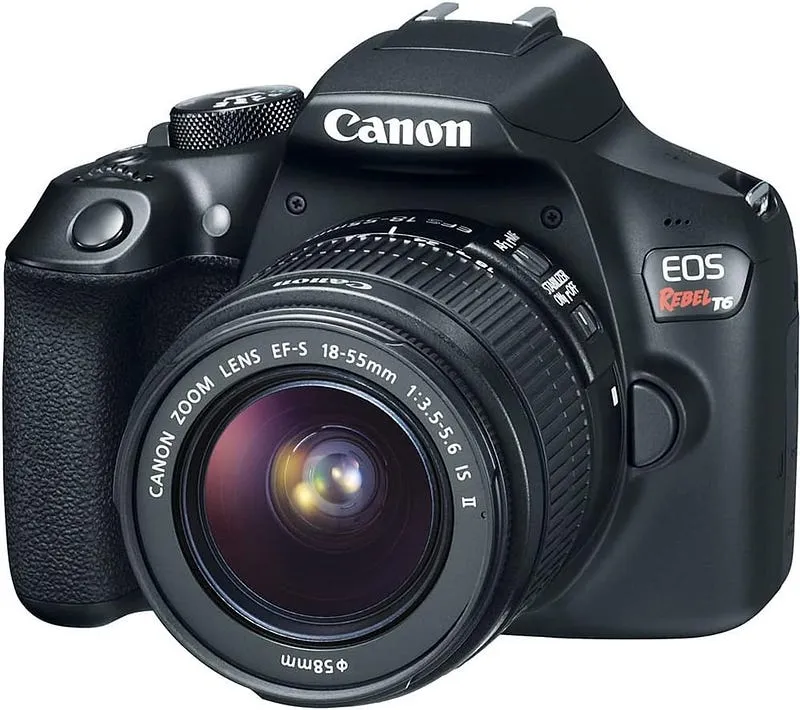
My photography journey began with a simple DSLR — a Canon EOS Rebel T6. It was an entry-level camera, perfect for learning the basics of aperture, shutter speed, and ISO. I spent hours experimenting with different lenses, shooting everything from landscapes to portraits. While the T6 was a great starting point, I quickly realized its limitations. The autofocus struggled in low light, the dynamic range was limited, and the build quality didn’t feel robust enough for professional use.
I knew I needed an upgrade, but I also knew that investing in a high-end camera was a big decision. I didn’t want to make the wrong choice, so I started researching and testing different models.
The Turning Point: Switching to Mirrorless
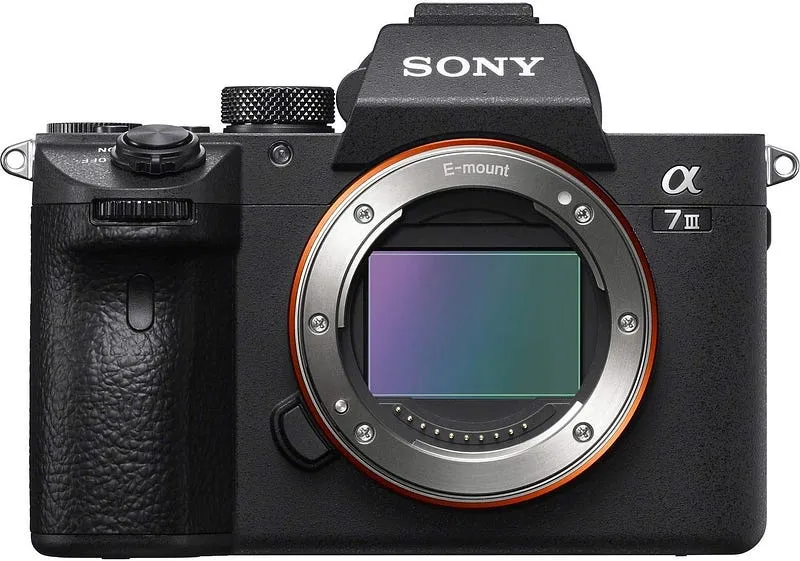
After months of deliberation, I decided to make the leap to mirrorless cameras. The technology was advancing rapidly, and I was drawn to their compact size, electronic viewfinders, and impressive autofocus systems. I rented a Sony Alpha a7 III for a weekend shoot, and it completely changed my perspective.
The a7 III was a game-changer. Its full-frame sensor delivered incredible image quality, even in low light. The eye autofocus was a revelation, especially for portrait photography. I could finally focus on composition and storytelling without worrying about missing the shot. The camera’s versatility made it suitable for everything from weddings to street photography.
However, as much as I loved the a7 III, I wanted to explore other options before committing. I tested cameras from Canon, Nikon, and Fujifilm, each with its own strengths and weaknesses.
The Contenders: Canon, Nikon, and Fujifilm
- Canon EOS R5: Canon’s flagship mirrorless camera impressed me with its high-resolution sensor and blazing-fast autofocus. The 8K video capabilities were a bonus, though I primarily focused on stills. However, the price tag was steep, and the camera had a tendency to overheat during extended use.
- Nikon Z7 II: Nikon’s offering was a solid all-rounder with excellent image quality and a comfortable grip. The colors were natural and pleasing, but the autofocus wasn’t as snappy as Sony’s. It felt like a reliable workhorse but didn’t excite me as much as I’d hoped.
- Fujifilm X-T4: Fujifilm’s retro design and film simulations were a joy to use. The X-T4 was lightweight and perfect for travel photography. However, the APS-C sensor didn’t quite match the low-light performance of full-frame cameras, which was a dealbreaker for my professional needs.
- Nikon Z8: A top pick among mirrorless rankings, packing flagship Z9 performance into a smaller, lighter body.
- Canon R5 Mark II: Delivers 45MP resolution, improved thermal management, and faster autofocus — ideal for hybrid photo and video work.
- Canon R6 III: Considered one of the best-performing full-frame cameras in its price range, with higher resolution and a pre-release burst mode.
The Winner: Sony Alpha a7 IV
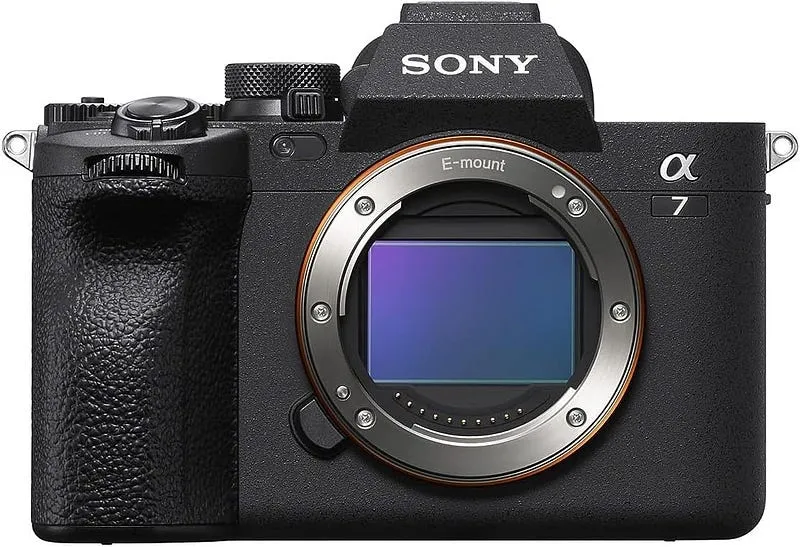
After months of testing, I finally settled on the Sony Alpha a7 IV. It felt like the perfect balance of everything I needed in a professional camera. The 33-megapixel sensor provided ample resolution for cropping and large prints, while the improved autofocus system was even more reliable than the a7 III’s. The ergonomics were better, the menu system was more intuitive, and the battery life was impressive.
What sealed the deal for me was the a7 IV’s versatility. Whether I was shooting a fast-paced event, a serene landscape, or a studio portrait, the camera performed flawlessly. The color science had improved, and the dynamic range allowed me to recover details in both shadows and highlights.
Since publishing this, Sony released the A7V as the successor to the a7 IV. If you’re buying new today, it’s worth comparing both before deciding — the core strengths that made the a7 IV my pick still carry over.
Why the Sony Alpha a7 IV is the Best Camera for Professional Photography (For Me)
- Image Quality: The full-frame sensor delivers stunning detail and dynamic range, making it suitable for any genre of photography.
- Autofocus: The real-time eye autofocus is incredibly accurate, even in challenging conditions.
- Versatility: From video to stills, the a7 IV handles it all with ease.
- Build Quality: The camera feels solid and durable, perfect for frequent use.
- Ecosystem: Sony’s range of lenses and accessories is extensive, allowing me to expand my kit as needed.
A Personal Note: Why the Right Camera Matters
Choosing the right camera isn’t just about specs and features — it’s about finding a tool that inspires you to create. The Sony Alpha a7 IV has become an extension of my creative vision. It’s reliable, powerful, and versatile, allowing me to focus on what truly matters: telling stories through my photographs.
If you’re on the hunt for the best camera for professional photography, I encourage you to test different models and consider your specific needs. What works for me might not work for you, and that’s okay. The journey to finding the perfect camera is as much about self-discovery as it is about technology.
Final Thoughts
Photography is a deeply personal art form, and the camera you choose plays a significant role in shaping your work. My journey from a beginner DSLR to the Sony Alpha a7 IV has been filled with learning, growth, and countless memorable shots. If you’re ready to take your photography to the next level, invest in a camera that aligns with your vision and empowers you to create your best work.
Photo by Scott Webb on Unsplash
Photo by Dieny Portinanni on Unsplash
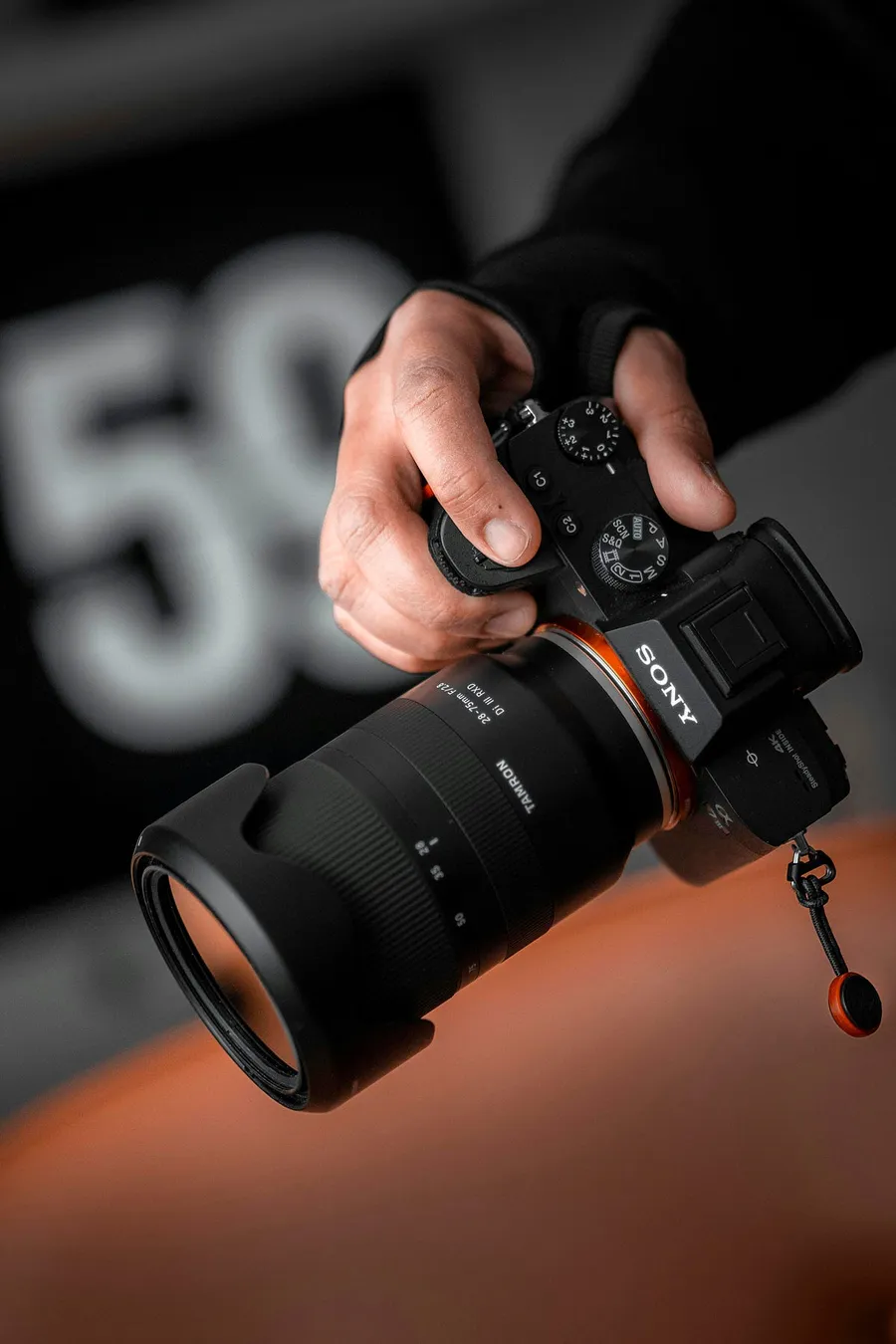
Photo by Michael Soledad on Unsplash
Written by
Marien CartelProfessional and Certified Digital Photographer born in the USA, with 22 years of experience in the field of photography.
Related Guides
Best Camera for Automotive Photography
What I Actually Reach For When I’m Shooting Cars. Here is how the Canon EOS R5, Sony a7 IV and Nikon Z6 III compare, and the one I keep going back to.
Best Cameras for Virtual Production
After I Wasted a Full Shoot Day Finding Out — why the Sony FX6 and Sony FX9 made the list, and who each one really suits.
Best DSLR Cameras for Beginners: (Guide & Reviews)
My Hands-On Experience with the Best Beginner-Friendly Cameras — why the Canon EOS Rebel T7 and Nikon D3500 made the list, and who each one really suits.