Best Camera for Nature
As an Amazon Associate we earn from qualifying purchases. Some links in this guide are affiliate links — see our affiliate disclosure for details.
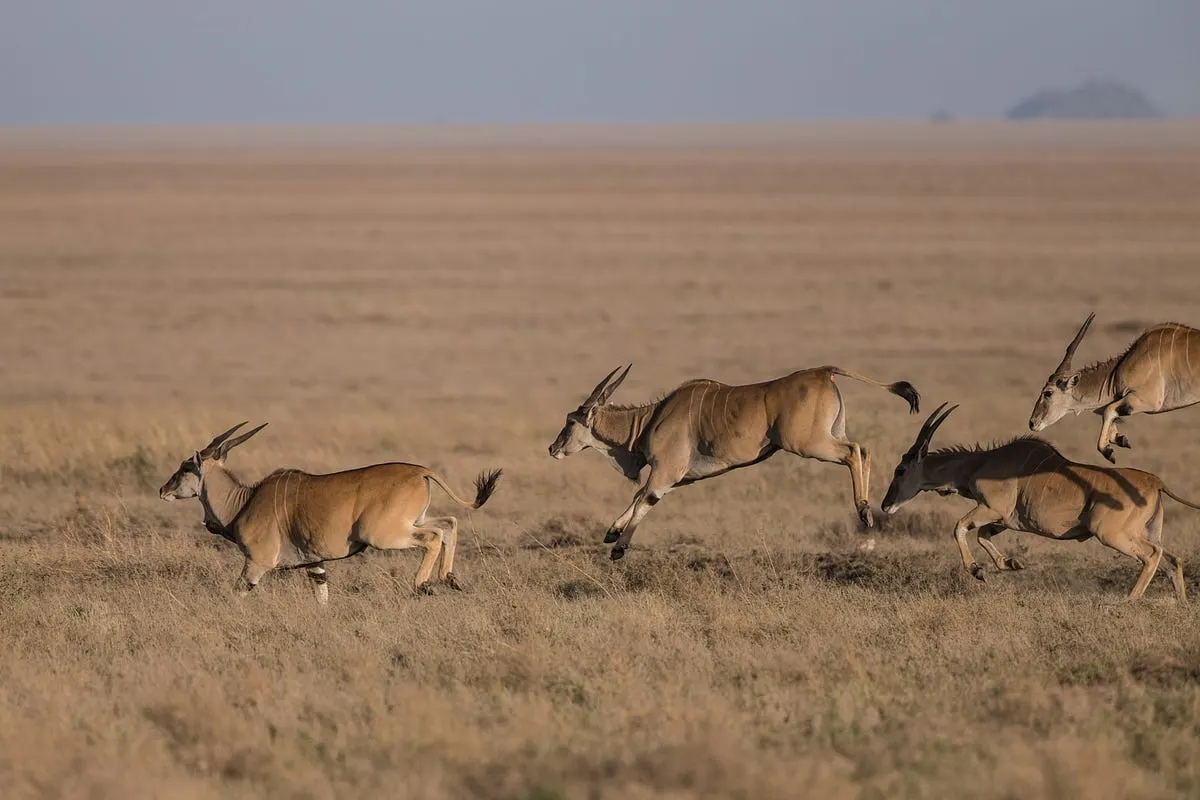
Photo by jean wimmerlin on Unsplash
As an avid nature enthusiast and photographer, my journey into the world of wildlife photography has been both exhilarating and challenging. Over the years, I’ve experimented with various cameras, each offering unique features that catered to different aspects of capturing the beauty of the natural world. In this blog, I’ll share my personal experiences and insights on selecting the best camera for nature photography, along with recommendations based on recent reviews.
Best Cameras for Nature for Nature Photography
- OM SYSTEM OM-1 Mark II — Check Price on Amazon
- Nikon Z 6III — Check Price on Amazon
- Canon EOS R10 — Check Price on Amazon
- Sony Alpha 1 — Check Price on Amazon
- Fujifilm X-H2S — Check Price on Amazon
My Personal Experience
My passion for nature photography began during a hiking trip in the mountains. Armed with a basic DSLR, I attempted to capture stunning landscapes and elusive wildlife. However, I quickly realized that my equipment limited my ability to get close-up shots of animals without disturbing them. This realization prompted me to invest in better gear, leading me on a quest to find the perfect camera for wildlife photography.
Key Considerations
When selecting a camera for nature photography, several factors are crucial:
- Autofocus System: A reliable autofocus system is essential for tracking fast-moving subjects like birds or deer. The ability to detect and focus on an animal’s eye can make or break a shot.
- Burst Shooting Speed: Capturing fleeting moments requires a camera that can shoot multiple frames per second. This feature is particularly important when photographing animals in action.
- Portability: Nature photographers often hike long distances, so a lightweight and compact camera is preferable.
- Weather Sealing: Outdoor conditions can be unpredictable. A weather-sealed body protects your camera from rain and dust.
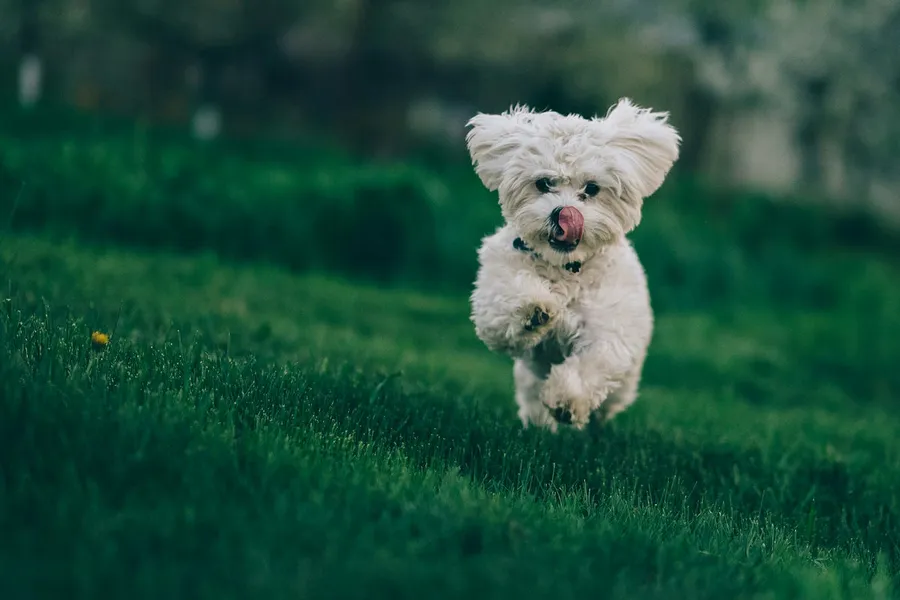
Photo by Gabriel Crismariu on Unsplash
Top Camera Recommendations for Wildlife Photography
Based on my experiences and recent reviews, here are some of the best cameras for wildlife photography:
OM SYSTEM OM-1 Mark II
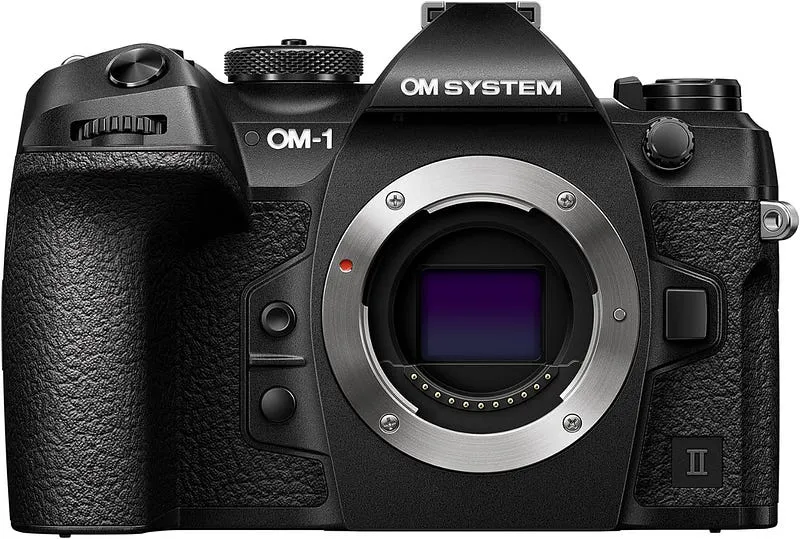
The OM SYSTEM OM-1 Mark II stands out as an excellent choice for wildlife photographers. Its compact design and rugged build make it ideal for outdoor adventures. With a burst shooting speed of up to 20 fps and advanced autofocus capabilities, it allows you to capture fast-moving subjects with precision.
Pros:
- Compact and Lightweight: The OM-1 is easy to carry on long hikes, making it a favorite for outdoor adventures.
- Fast Autofocus: While not the best in class, its autofocus is effective for most wildlife scenarios, allowing for decent tracking of moving subjects.
- In-body Image Stabilization (IBIS): The five-axis IBIS helps in capturing steady shots at longer focal lengths, which is crucial when photographing animals from a distance.
Cons:
- Limited AF-C Tracking: It struggles with very fast-moving subjects compared to competitors like Sony or Canon.
- Smaller Sensor: While beneficial in some respects, it may not perform as well in low light compared to full-frame sensors.
My experience with the OM-1 was generally positive. It accompanied me on many hikes, and its lightweight design made it easy to shoot for hours without fatigue. However, I found it challenging to capture fast-moving birds in flight, which led me to explore other options.
OM SYSTEM OM-1 Mark II — Check Price on Amazon
Nikon Z 6III
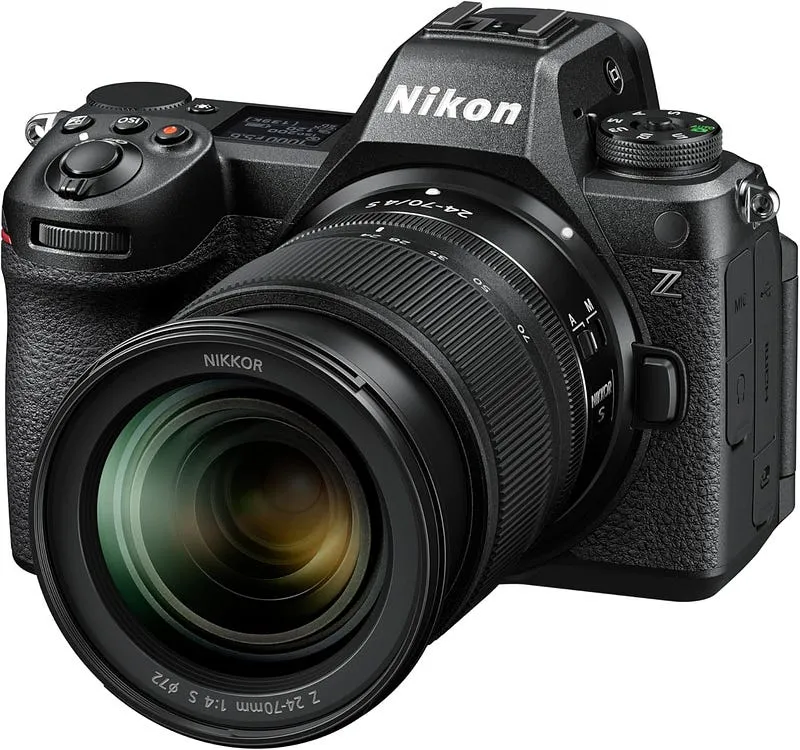
For those who prefer full-frame sensors, the Nikon Z 6III offers remarkable performance in low-light conditions and quick burst shooting capabilities. Its autofocus system is highly effective, making it suitable for capturing detailed wildlife shots even in challenging environments.
Pros:
- Excellent Autofocus System: The Z 6III features advanced subject detection and tracking capabilities, making it easier to focus on wildlife.
- High Burst Shooting Speed: With up to 20 fps electronic shooting and a robust buffer, it’s perfect for capturing action shots.
- Stunning Electronic Viewfinder (EVF): The 5.76-million dot EVF provides a clear view of your subject, even in bright conditions.
Cons:
- Dynamic Range Limitations: Compared to its predecessor, the Z 6II, the Z 6III has a slight decrease in dynamic range, which can affect shadow recovery in high-contrast scenes.
- Price Point: At around $2,499.95 for the body alone, it’s a significant investment.
I had the chance to use the Nikon Z 6III during a wildlife photography workshop. Its autofocus system was impressive; I could easily track deer as they moved through the underbrush. However, I noticed some limitations in dynamic range when editing photos taken in challenging lighting conditions.
Nikon Z 6III — Check Price on Amazon
Canon EOS R10
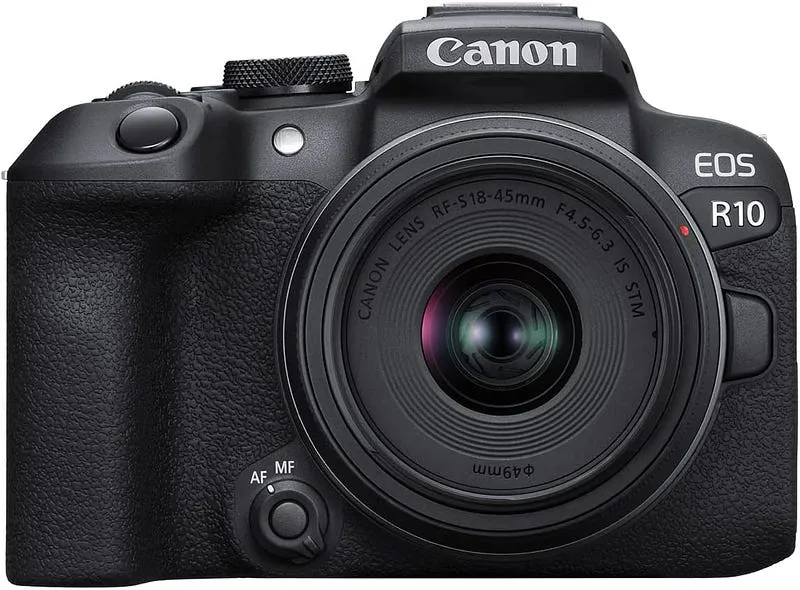
As a beginner-friendly option, the Canon EOS R10 combines affordability with impressive features such as a high-speed burst rate and advanced autofocus system. This camera is perfect for those starting their journey in wildlife photography without breaking the bank.
Pros:
- Affordable Entry Point: The R10 is budget-friendly while still offering solid performance features.
- User-Friendly Interface: Its intuitive controls make it accessible for beginners.
- Good Burst Rate: With a continuous shooting speed of 15 fps, it’s sufficient for most wildlife photography needs.
Cons:
- Limited Advanced Features: As an entry-level model, it lacks some high-end features found in more expensive cameras.
- APS-C Sensor Limitations: While this can be advantageous for reach with telephoto lenses, it may not perform as well as full-frame options in low light.
Using the Canon EOS R10 was a great experience as I transitioned into more serious photography. It allowed me to capture some fantastic shots without overwhelming me with complex settings. However, I found myself wishing for better low-light performance during evening shoots.
Canon EOS R10 — Check Price on Amazon
Sony Alpha 1
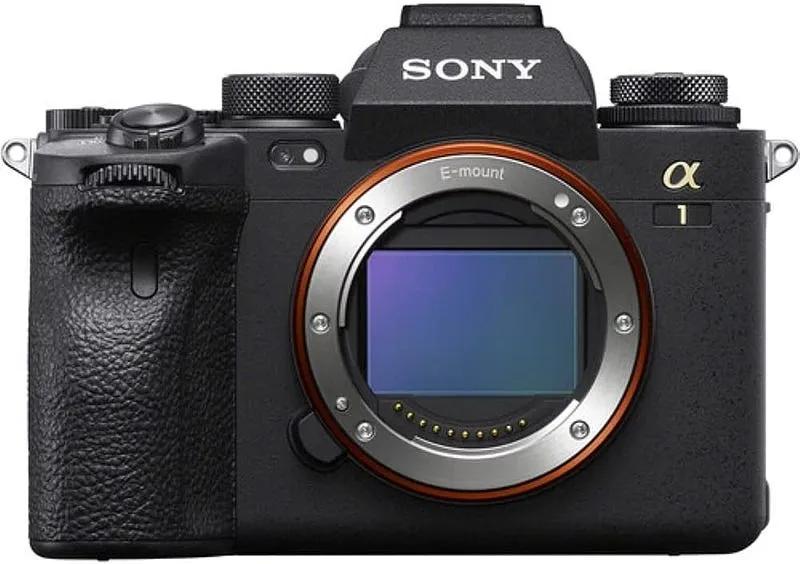
The Sony Alpha 1 is a premium choice that excels in high-speed shooting with an astounding burst rate of up to 120 fps. Its advanced autofocus system ensures you won’t miss any action, making it ideal for capturing dynamic wildlife scenes.
Pros:
- Exceptional Burst Rate: With up to 120 fps shooting capability, it’s perfect for capturing fast action.
- Outstanding Autofocus Performance: The eye-tracking autofocus is among the best available today.
- High Resolution: Its full-frame sensor provides excellent image quality and detail.
Cons:
- Premium Price Tag: As one of the higher-end models on this list, it comes at a steep cost.
- Complex Menu System: New users may find Sony’s interface less intuitive compared to other brands.
I had the opportunity to borrow the Sony Alpha 1 during a trip focused on birdwatching. Its ability to track birds in flight was remarkable; I managed to capture stunning images that showcased intricate details. However, its complexity made it slightly daunting at first.
Sony Alpha 1 — Check Price on Amazon
Fujifilm X-H2S
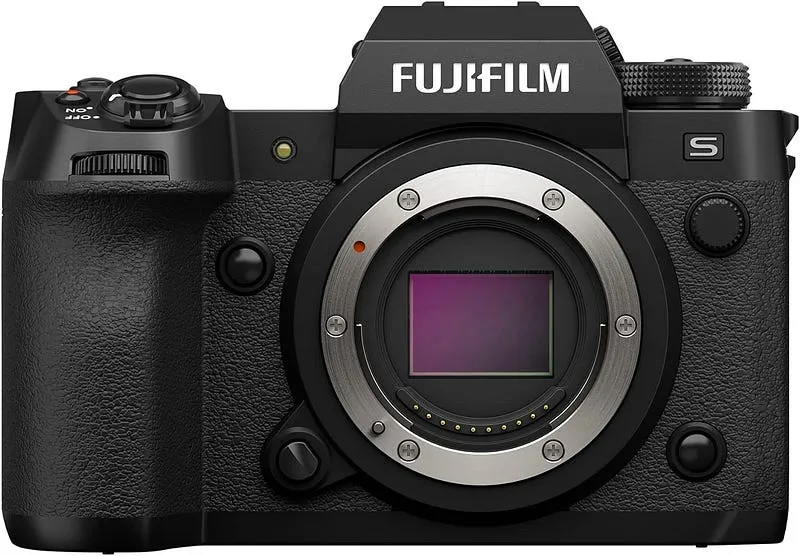
Another excellent APS-C option is the Fujifilm X-H2S, which offers fast autofocus and impressive image quality. It’s particularly suited for photographers looking for a balance between performance and portability.
Pros:
- Fast Shooting Speed: With burst rates up to 40 fps, it’s excellent for capturing swift movements.
- Great Image Quality: The APS-C sensor produces sharp images with vibrant colors.
- Versatile Video Features: Ideal for photographers who also want to shoot high-quality video.
Cons:
- Autofocus Performance Varied: While generally good, it can struggle with very fast-moving subjects compared to full-frame competitors.
- Ergonomics May Not Suit Everyone: Some users find its grip less comfortable than other models.
The Fujifilm X-H2S was another camera I tested during my journey. Its burst shooting was impressive when photographing running animals; however, I occasionally found its autofocus lagging behind faster subjects.
Fujifilm X-H2S — Check Price on Amazon
Conclusion
Choosing the right camera for nature photography is a deeply personal decision that depends on your specific needs and budget. My journey has taught me the importance of investing in equipment that enhances my ability to capture breathtaking moments in nature. Whether you’re just starting or looking to upgrade your gear, consider the options above based on your preferences.Ultimately, the best camera is one that inspires you to explore the great outdoors and document its beauty through your lens. Happy shooting!

Written by
Marien CartelProfessional and Certified Digital Photographer born in the USA, with 22 years of experience in the field of photography.
Related Guides
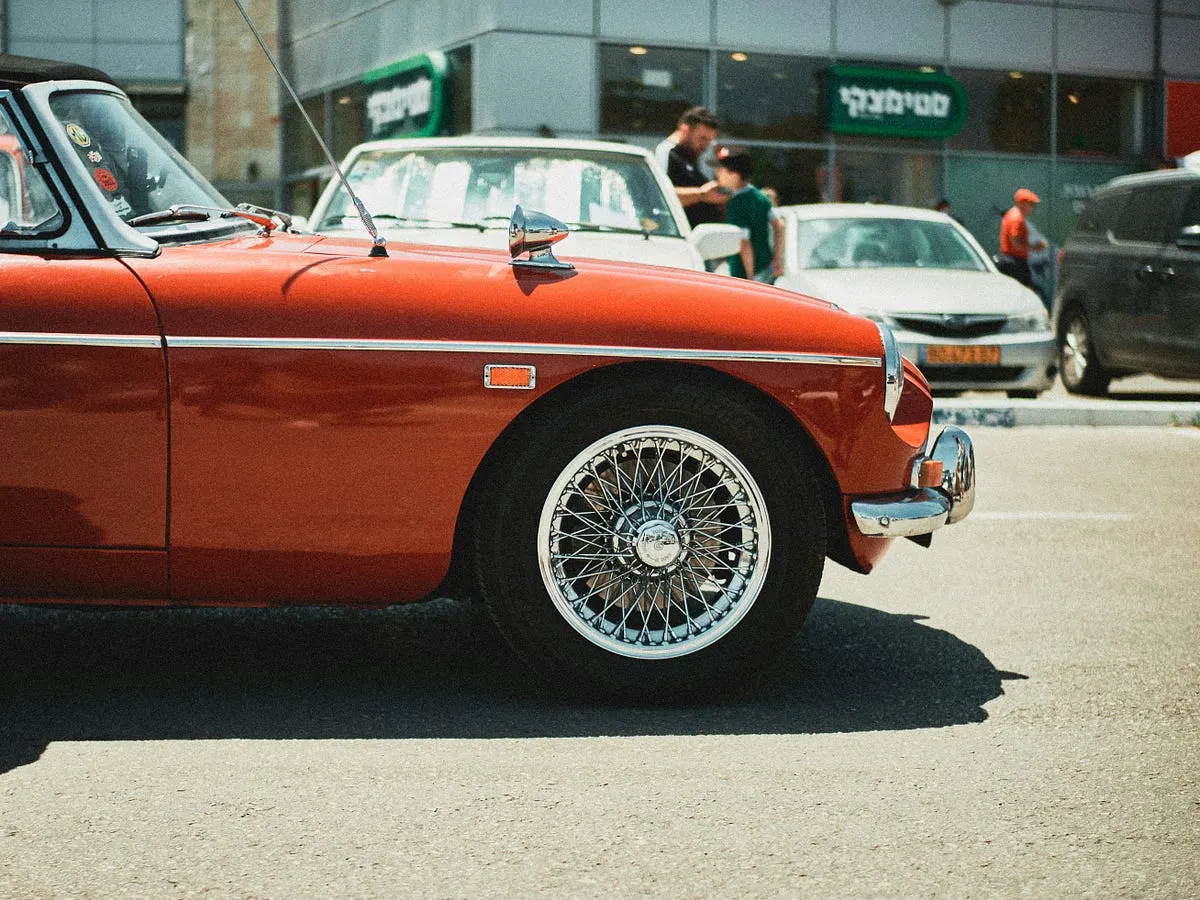
Best Camera for Automotive Photography
What I Actually Reach For When I’m Shooting Cars. Here is how the Canon EOS R5, Sony a7 IV and Nikon Z6 III compare, and the one I keep going back to.
Best Cameras for Virtual Production
After I Wasted a Full Shoot Day Finding Out — why the Sony FX6 and Sony FX9 made the list, and who each one really suits.
Best DSLR Cameras for Beginners: (Guide & Reviews)
My Hands-On Experience with the Best Beginner-Friendly Cameras — why the Canon EOS Rebel T7 and Nikon D3500 made the list, and who each one really suits.