Best Camera for Motorsport Photography
As an Amazon Associate we earn from qualifying purchases. Some links in this guide are affiliate links — see our affiliate disclosure for details.
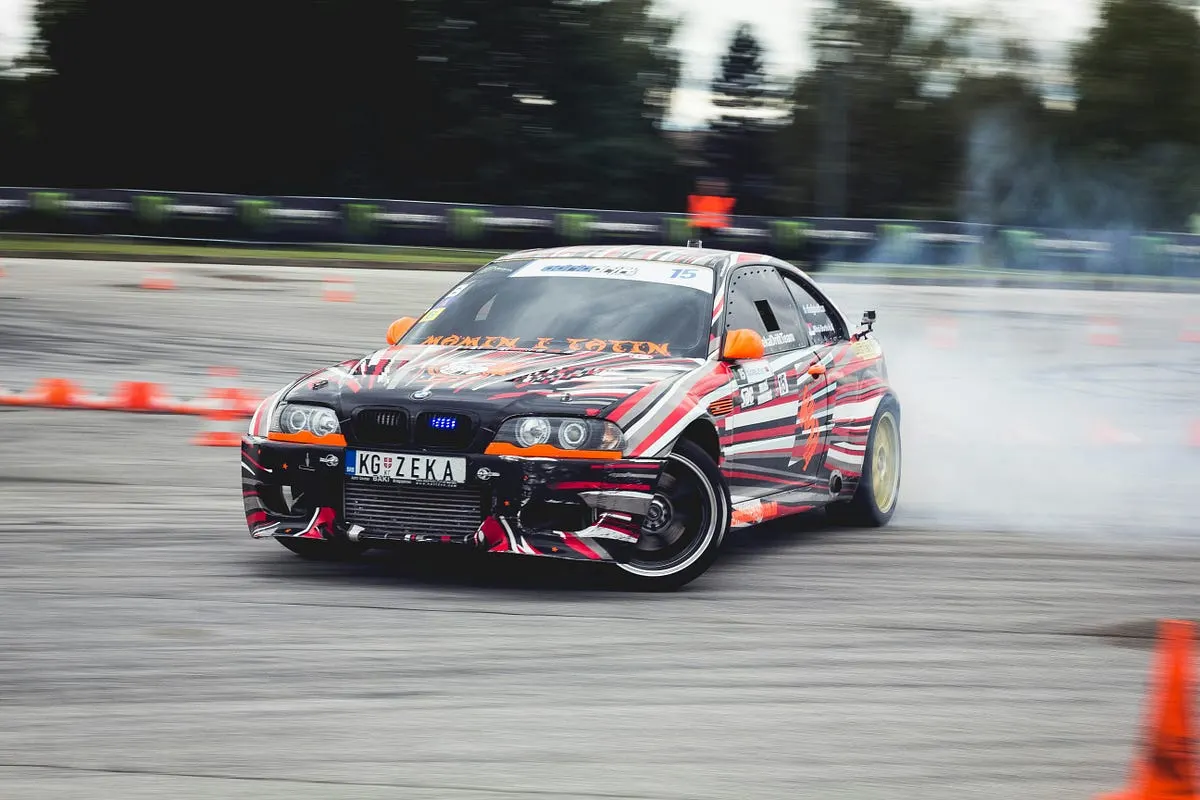
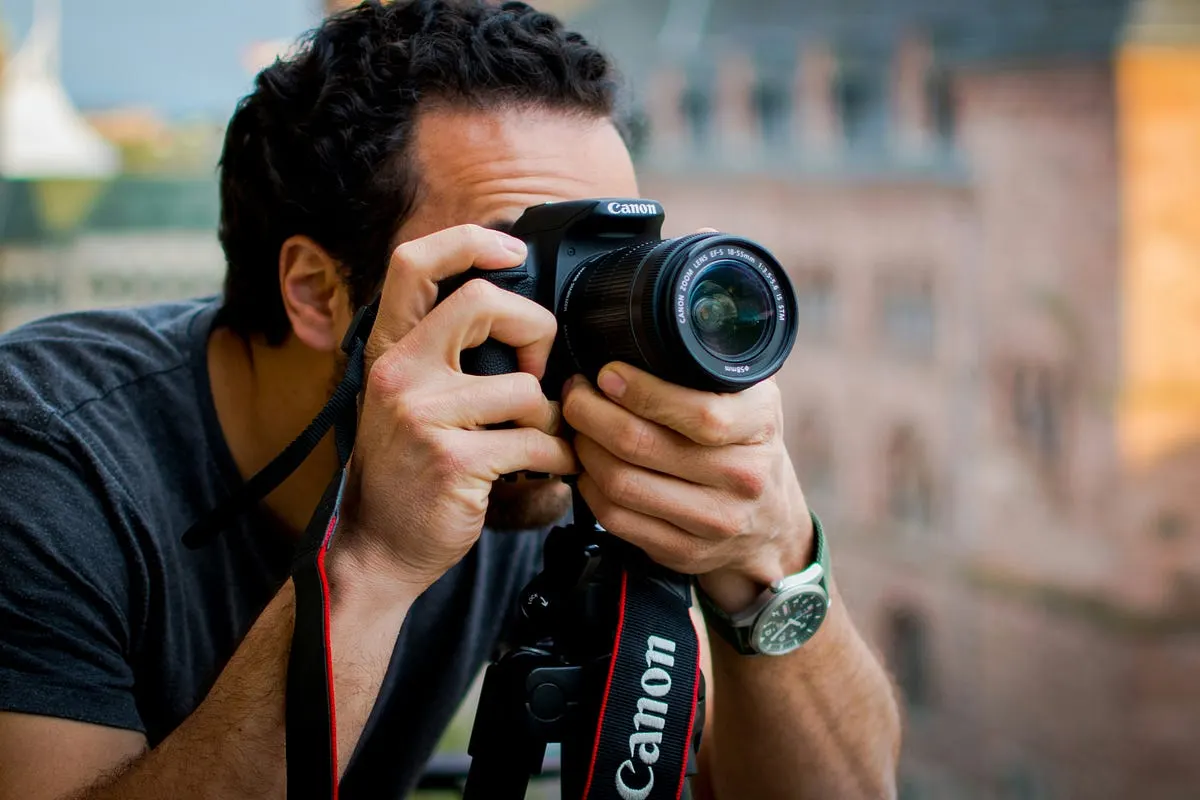
Photo by Borna Bevanda on Unsplash
Motorsport photography is a thrilling yet challenging genre that demands specific camera features to capture high-speed action effectively. Over the years, I have experimented with various camera systems, and in this blog, I will share my insights into the best cameras for motorsport photography based on both professional recommendations and my personal experiences.
Best Camera for Motorsport Photography
- Canon R3 — View On Amazon
- Nikon Z9 — View On Amazon
- Sony A9III — View On Amazon
- Canon R7 — View On Amazon
- Nikon Z6III — View On Amazon
Key Features for Motorsport Photography
When selecting a camera for motorsport photography, several critical features should be considered:
- Fast Autofocus: The ability to quickly lock onto fast-moving subjects is crucial. Cameras with advanced autofocus systems, such as those with vehicle subject detection, can significantly enhance your shooting experience.
- High Frame Rate: A camera that can shoot at high frames per second (fps) allows you to capture multiple images in quick succession, increasing the chances of getting the perfect shot.
- Buffer Size: A larger buffer allows for more continuous shooting without interruption, which is essential during fast-paced events.
- Low-Light Performance: Motorsport events often take place in varying light conditions; thus, good high ISO performance is beneficial.
Top Camera Recommendations
1. Canon R3
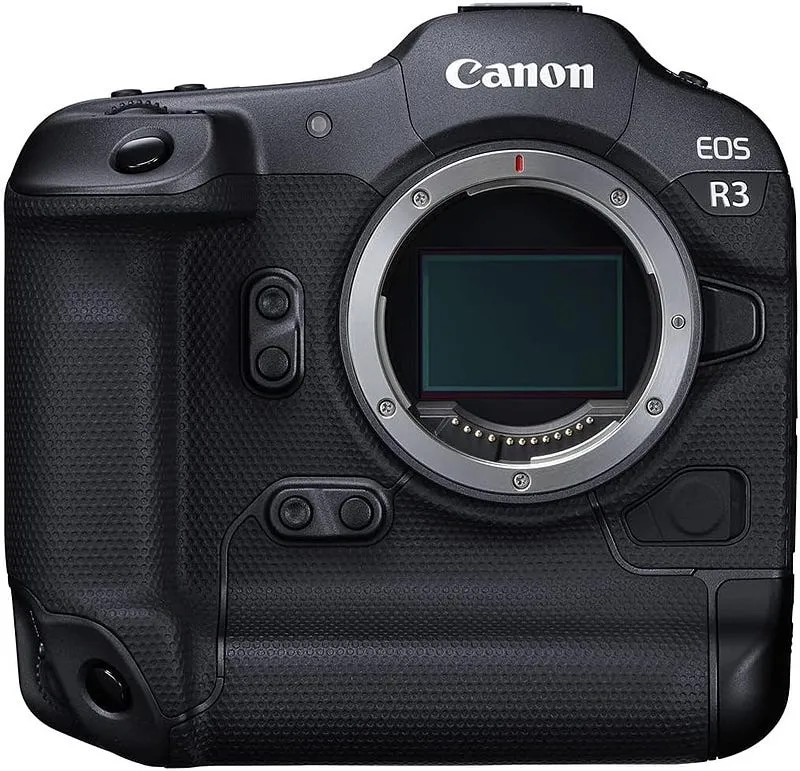
The Canon R3 is widely regarded as one of the best options for motorsport photography. This mirrorless camera was designed with sports photographers in mind, featuring advanced autofocus capabilities and impressive burst shooting speeds.
My experience with the R3 has been exceptional; its responsiveness and speed make it easy to track fast-moving vehicles. The vehicle subject detection autofocus is particularly noteworthy and has made a significant difference in my ability to capture sharp images during races.
Pros:
- Exceptional Autofocus: The R3 features advanced vehicle subject detection autofocus that has consistently impressed me. During a recent race, I found it easy to track cars as they zoomed past, ensuring sharp images even at high speeds.
- High Burst Rate: With a burst shooting capability of up to 30 fps, I was able to capture critical moments in succession, which is invaluable during fast-paced events.
- Robust Build Quality: The camera feels solid and durable, making it suitable for outdoor motorsport photography where conditions can be unpredictable.
Cons:
- Pricey: The R3 is one of the more expensive options on the market. While I believe it’s worth the investment for serious photographers, it may not be feasible for everyone.
- Complex Menu System: I initially struggled with its menu layout, which can be overwhelming for new users. It took time to familiarize myself with all the settings.
Canon R3 — View On Amazon
2. Nikon Z9
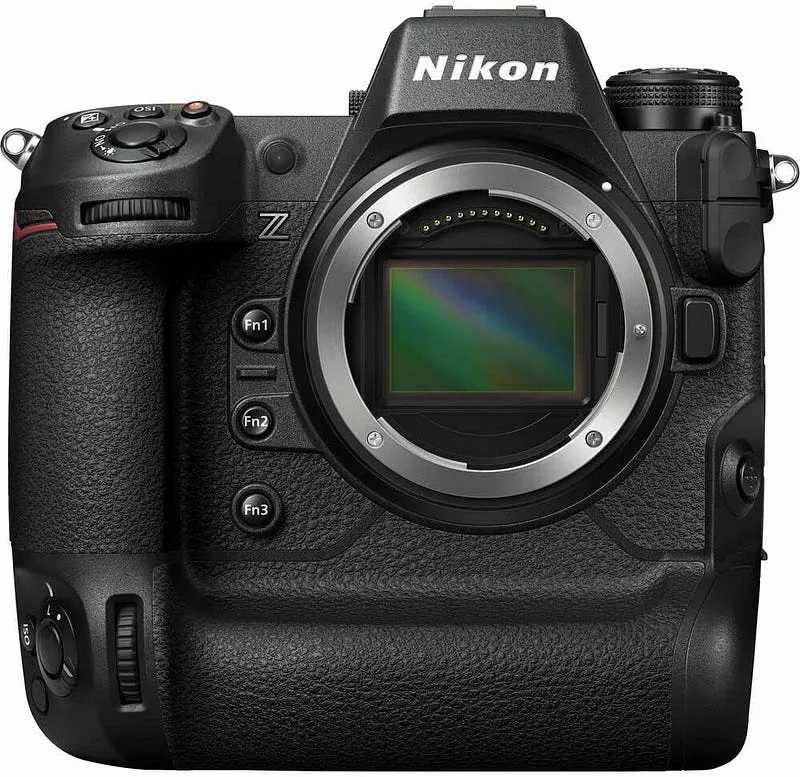
For those who prefer Nikon, the Nikon Z9 stands out as a top-tier option. With its high-resolution sensor and advanced autofocus system that includes 3D subject tracking, it performs admirably in fast-paced environments. While I have limited experience with Nikon cameras compared to Canon, the Z9’s performance in tracking race cars has impressed me during my brief encounters with it.
Pros:
- High-Resolution Sensor: The Z9 boasts a 45.7 MP sensor that produces stunning image quality. I appreciated this when capturing detailed shots of cars at close range.
- Excellent Autofocus Performance: Similar to the R3, its autofocus system is highly responsive and effective in tracking moving subjects.
- 4K Video Capability: This feature has allowed me to experiment with videography during races, adding variety to my portfolio.
Cons:
- Slower Frame Rate for RAW Images: While it offers great image quality, the Z9’s frame rate for full RAW images is slower compared to the R3. This limitation was noticeable during intense action sequences.
- Weight: The camera is relatively heavy, which can be cumbersome during long events when you’re constantly moving around.
Nikon Z9 — View On Amazon
3. Sony A9III
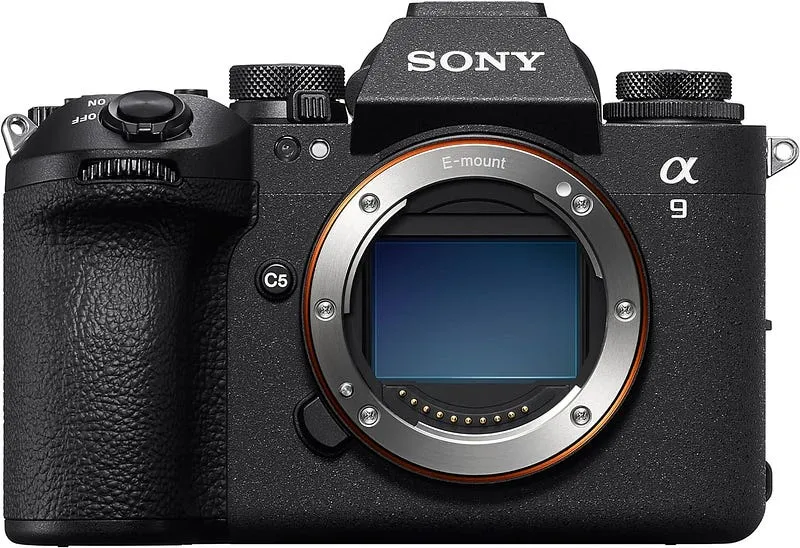
The Sony A9III promises cutting-edge technology ideal for motorsport photography. Its global shutter feature eliminates rolling shutter effects, which can be a concern in high-speed photography. Although I have not yet had the chance to test this model extensively, its specifications suggest it could be a great choice for capturing fast action without distortion.
Pros:
- Global Shutter Technology: This feature eliminates rolling shutter effects, which can be advantageous in motorsport photography. I noticed this especially when capturing fast-moving vehicles at high speeds.
- Fast Continuous Shooting: With a frame rate of up to 120 fps, this camera allows for extensive coverage of fast action scenes.
- Compact Design: Compared to some DSLRs, the A9III is lighter and easier to handle during events.
Cons:
- Less Dynamic Range: In my experience, the A9III has shown slightly less dynamic range than competitors like the Z9. This sometimes resulted in less detail in high-contrast scenes.
- Learning Curve: Transitioning from Canon to Sony was challenging due to different control layouts and settings.
Sony A9III — View On Amazon
4. Canon R7
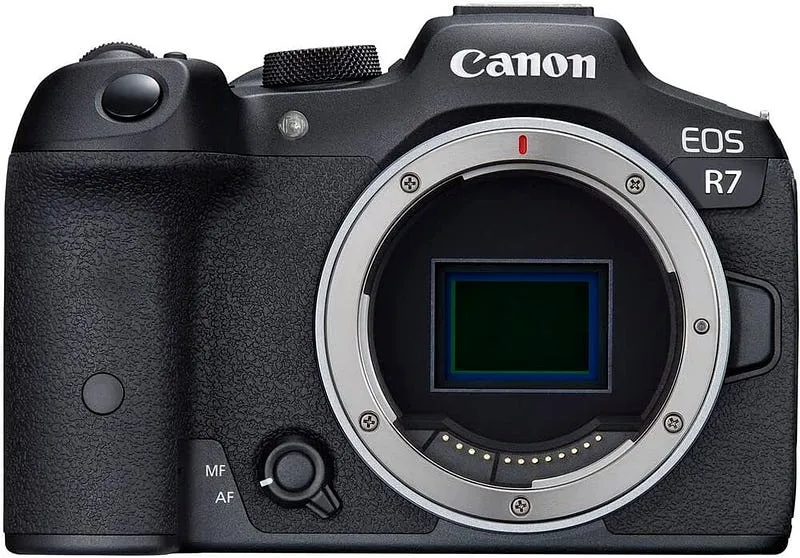
For those on a tighter budget, the Canon R7 offers a fantastic balance of performance and price. This camera provides many features found in higher-end models, including decent autofocus capabilities and a good frame rate for capturing action shots. I started my journey with an older Canon DSLR, and transitioning to the R7 has been seamless due to its user-friendly interface and compatibility with Canon lenses.
Pros:
- Affordability: The R7 is a more budget-friendly option while still offering solid performance. It was my first step into mirrorless technology without breaking the bank.
- Good Autofocus Features: While not as advanced as the R3, it still provides effective subject tracking that worked well during local races.
- Lightweight Design: Its compact size made it easy to carry around at events without fatigue.
Cons:
- Crop Sensor Limitations: Being an APS-C camera means it lacks some of the low-light performance and depth of field control found in full-frame models. I noticed this particularly during evening races.
- Fewer Advanced Features: It lacks some of the high-end features of its more expensive counterparts, which can limit its effectiveness in very fast-paced situations.
Canon R7 — View On Amazon
5. Nikon Z6III
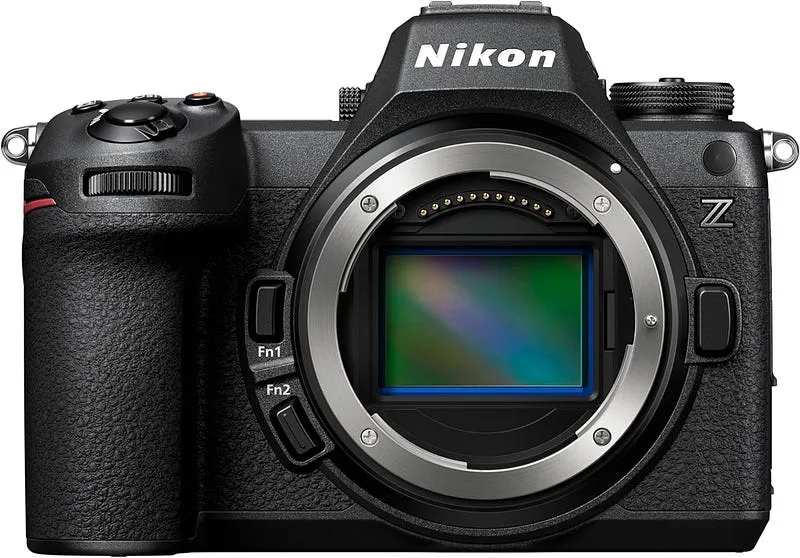
Another affordable alternative is the Nikon Z6III, which offers solid performance for motorsport photography at a lower price point than the Z9. While it may lack some advanced features like subject detection, it still provides excellent image quality and decent frame rates suitable for beginners or enthusiasts looking to improve their skills.
Pros:
- Great Value for Price: The Z6III offers excellent features at a competitive price point. It served me well as an entry-level option for motorsport photography.
- Good Frame Rate and Buffer Size: It provides enough speed to capture action effectively without missing too many moments.
- User-Friendly Interface: I found it easier to navigate compared to other models I’ve used, making it ideal for quick adjustments during races.
Cons:
- Lacks Advanced Autofocus Systems: Compared to the Z9 or R3, its autofocus isn’t as responsive or reliable in tracking fast-moving subjects consistently.
- Lower Resolution Sensor: At 24 MP, while sufficient for most uses, it doesn’t offer the same level of detail as higher-resolution competitors.
Nikon Z6III — View On Amazon
Personal Experiences
Reflecting on my journey in motorsport photography, I began with an entry-level DSLR that struggled to keep up with the fast-paced environment of racing events. Upgrading to mirrorless systems like the Canon R3 has transformed my approach; I can now capture moments that were previously missed due to slower autofocus and frame rates.
The learning curve was steep initially; however, investing time in understanding the camera settings — such as shutter speed and ISO — has allowed me to adapt quickly during events. Additionally, experimenting with different lenses has enabled me to find the optimal focal lengths for various tracks and situations.
Conclusion
Choosing the right camera for motorsport photography can significantly impact your ability to capture stunning images of high-speed action. Whether you opt for high-end models like the Canon R3 or Nikon Z9 or more budget-friendly options like the Canon R7 or Nikon Z6III, it’s essential to select a camera that fits your specific needs and skill level.
As technology continues to evolve, staying updated on new releases will help you make informed decisions about your gear. Ultimately, practice and experimentation are key; every event presents unique challenges that will enhance your skills as a motorsport photographer.
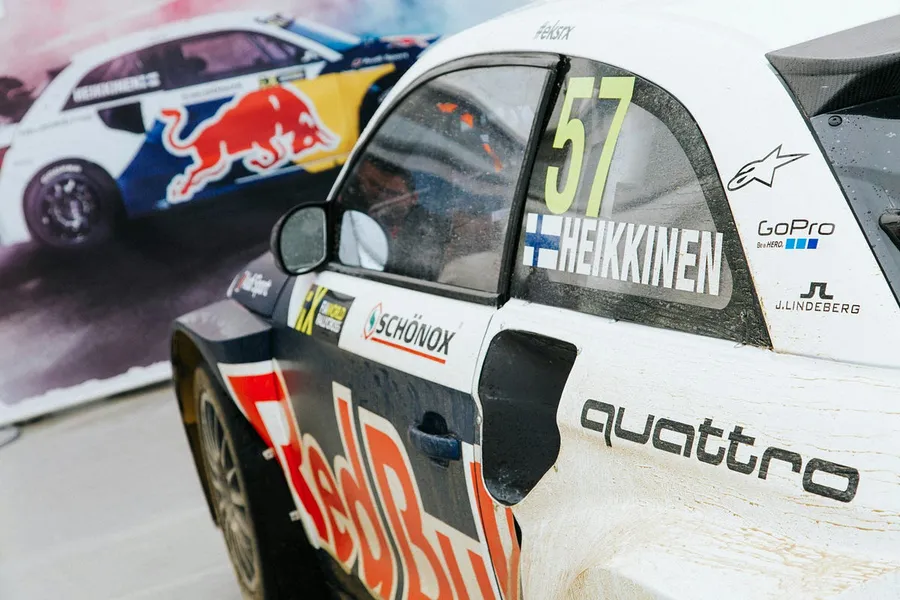
Photo by Bruno Martins on Unsplash
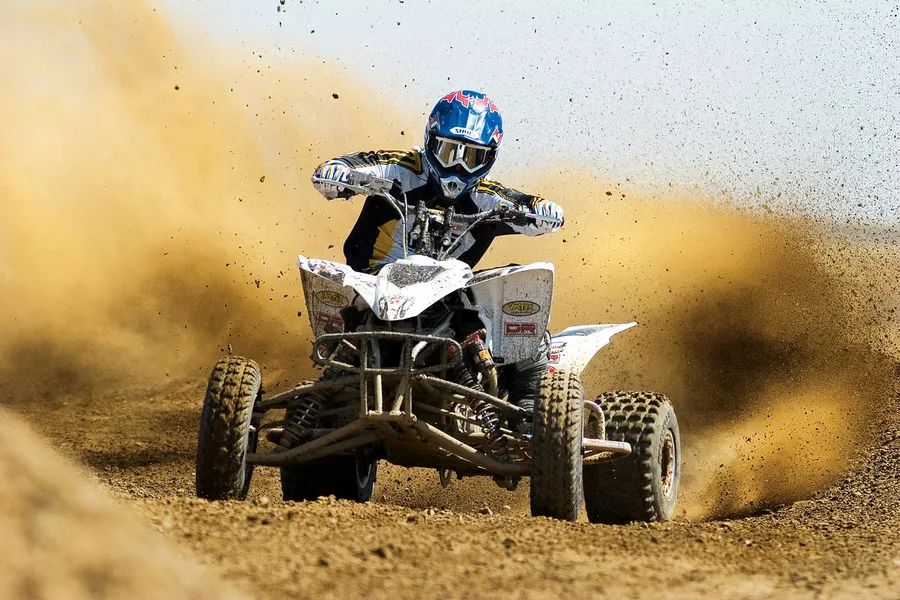
Photo by Joe Neric on Unsplash
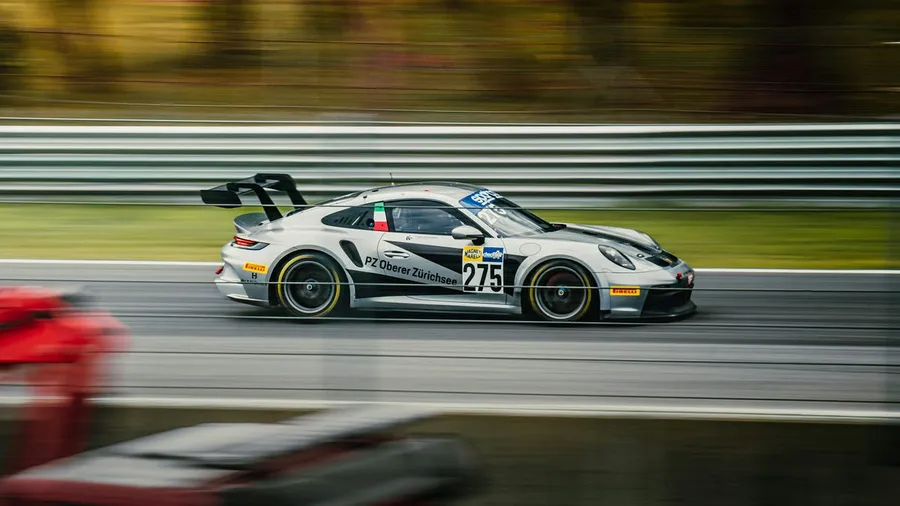
Photo by Isaac Maffeis on Unsplash
Written by
Marien CartelProfessional and Certified Digital Photographer born in the USA, with 22 years of experience in the field of photography.
Related Guides
Best Camera for Automotive Photography
What I Actually Reach For When I’m Shooting Cars. Here is how the Canon EOS R5, Sony a7 IV and Nikon Z6 III compare, and the one I keep going back to.
Best Cameras for Virtual Production
After I Wasted a Full Shoot Day Finding Out — why the Sony FX6 and Sony FX9 made the list, and who each one really suits.
Best DSLR Cameras for Beginners: (Guide & Reviews)
My Hands-On Experience with the Best Beginner-Friendly Cameras — why the Canon EOS Rebel T7 and Nikon D3500 made the list, and who each one really suits.