Best Camera for Moon Photography
As an Amazon Associate we earn from qualifying purchases. Some links in this guide are affiliate links — see our affiliate disclosure for details.
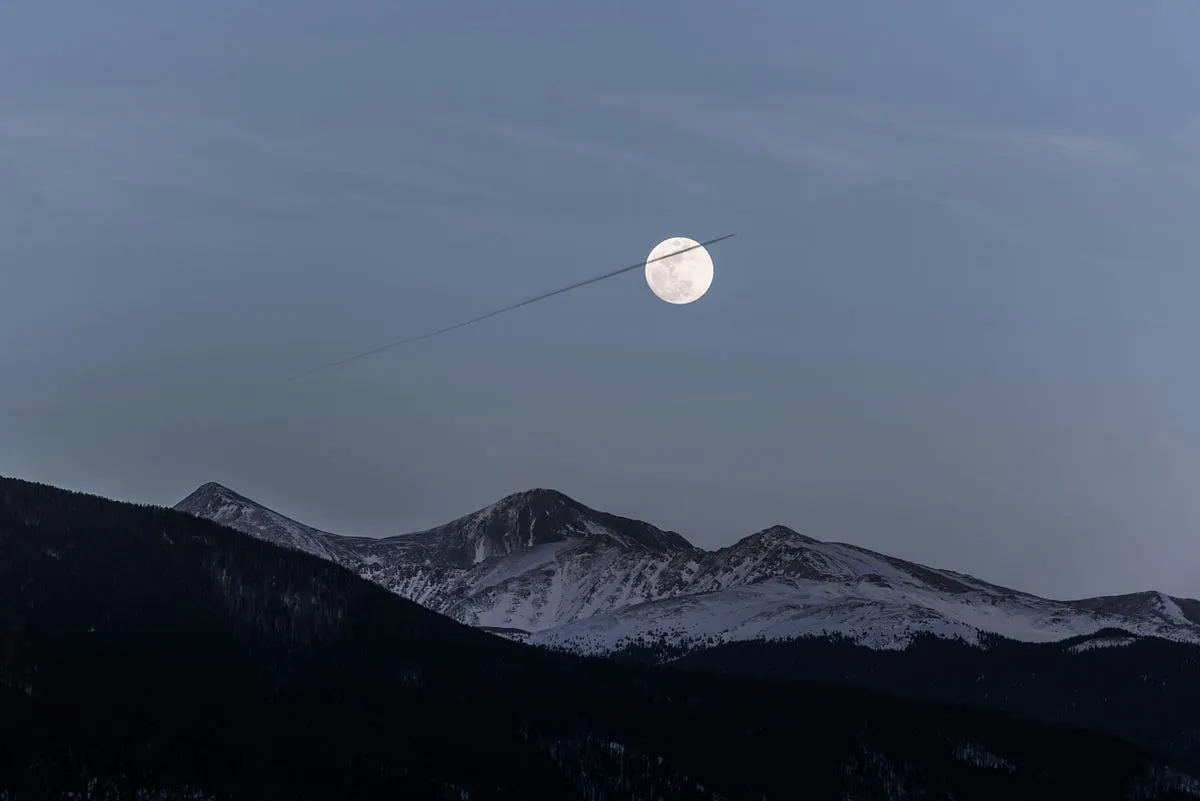
Photo by Nathan Anderson on Unsplash
Moon photography is a ca ptivating hobby that combines the beauty of celestial bodies with the art of photography. As an avid photographer, my journey into capturing the moon began with a simple fascination and evolved into a quest for the best equipment and techniques. In this blog, I will share my personal experiences and recommendations for the best cameras and lenses for moon photography.
Top 4 Best Camera for Moon Photography
- Canon EOS R5 — View on Amazon
- Nikon P1000 — View on Amazon
- Sony Alpha a7R IV — View on Amazon
- Canon EOS 7D Mark II — View on Amazon
My Introduction to Moon Photography
My first attempt at photographing the moon was with a basic DSLR camera paired with a standard kit lens. The results were underwhelming; the moon appeared as a small dot in the vast sky, lacking detail and clarity. Frustrated but determined, I began researching the best equipment and techniques to improve my lunar photography.
Essential Camera Features for Moon Photography
When selecting a camera for moon photography, several key features are crucial:
- Sensor Size: A larger sensor generally captures more light and detail, which is essential for low-light conditions like night sky photography.
- Megapixel Count: Higher resolution allows for cropping without losing detail, which is particularly useful when framing the moon.
- Autofocus Performance: Fast and accurate autofocus systems help in capturing sharp images of the moon.
- Image Stabilization: This feature minimizes camera shake, especially important when using long focal lengths.
Recommended Cameras for Moon Photography
Based on my research and personal experience, here are some of the best cameras for capturing stunning images of the moon:
1. Canon EOS R5
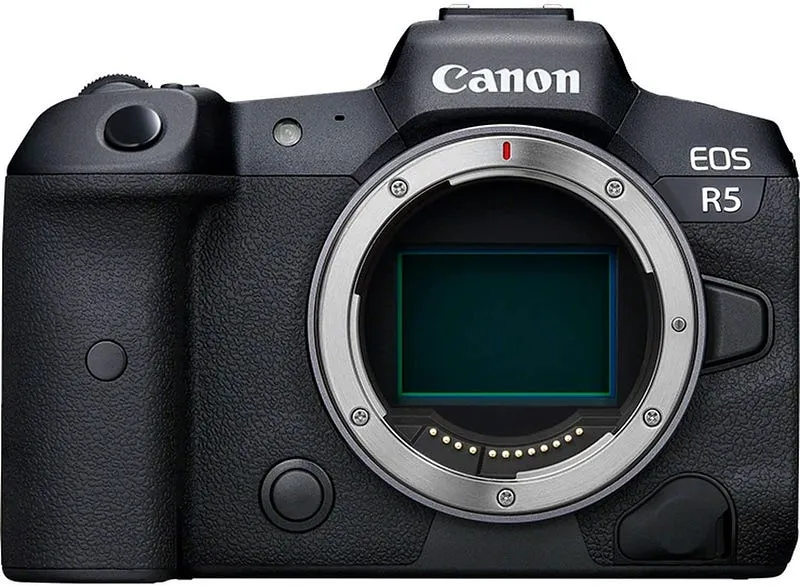
- My journey with the Canon EOS R5 began with a mix of excitement and apprehension. As a long-time Canon user, I had been following the development of mirrorless technology and was eager to see how the R5 would perform, especially given its reputation for outstanding autofocus and image quality.
Canon EOS R5 — View on Amazon
First Impressions
When I first held the R5, I was struck by its compact and lightweight design, which felt robust yet comfortable in my hands. The high-resolution 45-megapixel sensor immediately caught my attention, promising exceptional detail and dynamic range.
My initial test was during a late-night advertising shoot, where I needed to capture fast-moving subjects in challenging lighting conditions. The camera’s face-tracking autofocus was a revelation; it allowed me to focus on composition and lighting without worrying about whether my subjects were in focus, even as they moved rapidly towards me in a dimly lit alleyway.
Pros of the Canon EOS R5
- Autofocus Performance: The R5 features an advanced autofocus system that excels in various conditions, particularly with moving subjects. This made my work in both fashion advertising and sports photography significantly easier and more reliable.
- Dynamic Range: The camera’s ability to handle shadows and highlights is impressive. I was able to recover details in post-processing that I would have lost with my previous DSLR, the EOS 5D Mark IV.
- Versatility with Lenses: Transitioning from DSLR to mirrorless was seamless due to the compatibility of my existing Canon lenses with the R5 using an adapter. This allowed me to leverage my investment in glass while exploring new creative possibilities.
- Electronic Viewfinder (EVF): The R5’s EVF is bright and clear, providing real-time feedback that helps in composing shots accurately. Coming from an optical viewfinder, this feature took some adjustment but ultimately enhanced my shooting experience.
Cons of the Canon EOS R5
- Menu Complexity: While the touchscreen interface is intuitive, I found some menu options cumbersome. Certain functionalities could benefit from more customization options or simpler access, which can be frustrating during fast-paced shoots.
- Battery Life: The battery life, although improved over earlier models, still falls short during extensive shooting sessions. This necessitated carrying extra batteries, especially when shooting events or long days outdoors.
- File Size Management: The high resolution of images results in large file sizes that can quickly fill up storage cards. I often found myself needing to manage storage carefully during shoots, particularly when using continuous shooting modes at high resolutions.
Conclusion
Overall, my experience with the Canon EOS R5 has been overwhelmingly positive. Its strengths in autofocus performance and dynamic range have transformed my approach to both portrait and action photography. While there are areas for improvement — such as menu navigation and battery efficiency — the R5 has proven itself as a valuable tool in my photography arsenal.
As technology continues to evolve, I am excited about what future iterations of Canon’s mirrorless systems will bring, but for now, the EOS R5 remains a standout choice for anyone serious about their craft.
Canon EOS R5 — View on Amazon
2. Nikon P1000
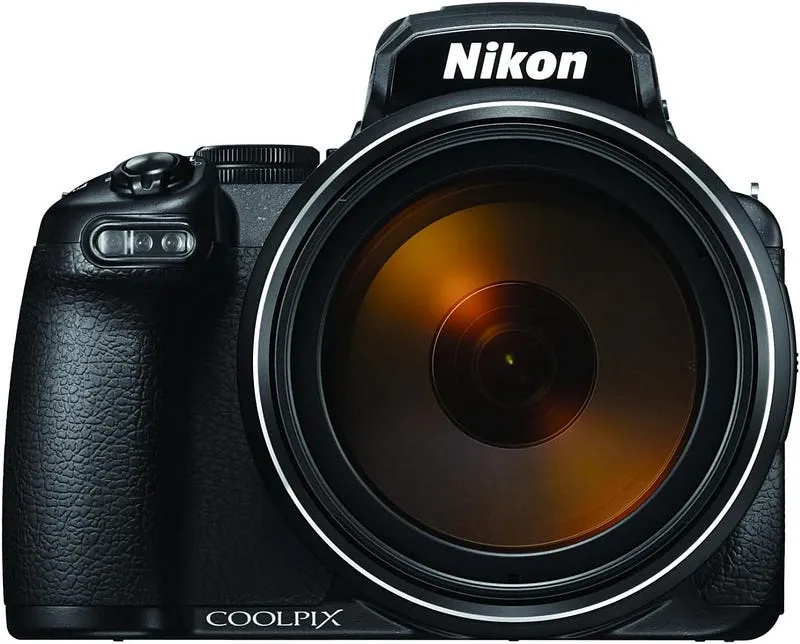
- My adventure with the Nikon P1000 began when I decided to explore wildlife photography during a family trip to a national park. As someone who has always been fascinated by nature but had limited experience with photography, I was excited to try out this camera known for its incredible zoom capabilities.
Nikon P1000 — View on Amazon
First Impressions
Upon unboxing the Nikon P1000, I was immediately struck by its size and weight. It’s a hefty camera, comparable to a DSLR, which made it feel robust but also somewhat cumbersome for extended use. However, the 125x optical zoom, equivalent to 24–3000mm, was the main attraction. The idea of capturing distant wildlife without needing multiple lenses was thrilling.
Pros of the Nikon P1000
- Incredible Zoom Range: The standout feature of the P1000 is undoubtedly its zoom capability. I was able to photograph birds perched on branches far away and even capture details of animals that were nearly invisible to the naked eye. This made it perfect for wildlife photography, especially during my safari-like experiences in the park.
- User-Friendly Features: The camera includes specific modes like ‘Moon’ and ‘Birding’ that simplify shooting under different conditions. I found the ‘Moon’ mode particularly useful during an evening shoot, as it automatically adjusted settings to reduce camera shake and enhance clarity.
- Image Stabilization: At such high zoom levels, camera shake can be a significant issue. However, the P1000’s image stabilization performed admirably, allowing me to capture sharp images even at 3000mm without a tripod.
Cons of the Nikon P1000
- Weight and Bulkiness: While the size contributes to its durability, carrying the P1000 for long periods became tiring. On hikes, I often found myself wishing for something lighter and more portable.
- Menu Navigation: Coming from a DSLR background, I found the menu system somewhat convoluted. Accessing certain settings required multiple button presses, which could be frustrating when trying to make quick adjustments in dynamic shooting situations.
- Limited All-Round Performance: Although it excels in zoom capabilities, I noticed that it struggles in low-light conditions compared to my DSLR setup. The image quality at higher ISO settings wasn’t as impressive as I had hoped, making it less versatile for various shooting environments.
Conclusion
Overall, my experience with the Nikon P1000 has been a mix of awe and frustration. The camera’s remarkable zoom capabilities opened up new avenues for wildlife photography that I had never considered before. While its bulkiness and complex menu system posed challenges, the fun and excitement of capturing distant subjects made it worthwhile.
For anyone interested in wildlife or bird photography who values reach over compactness, the Nikon P1000 is an excellent choice. It may not be perfect for every scenario or user, but it certainly brings a unique set of features that can enhance your photographic adventures.
Nikon P1000 — View on Amazon
3. Sony Alpha a7R IV
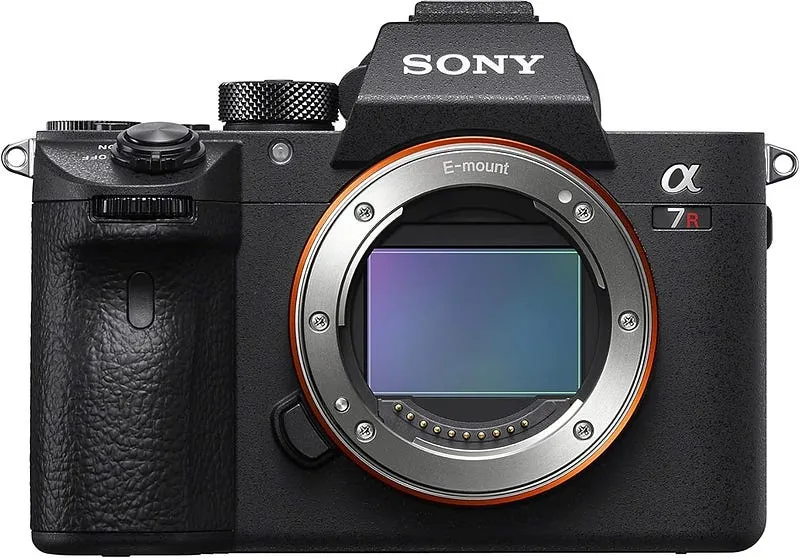
- My journey with the Sony Alpha a7R IV began when I decided to upgrade my photography gear to better capture the stunning landscapes of the Pacific Northwest. As an avid landscape photographer, I was drawn to the a7R IV’s impressive specifications, particularly its high-resolution sensor and advanced autofocus capabilities.
Sony Alpha a7R IV — View on Amazon
First Impressions
Upon first handling the a7R IV, I was immediately impressed by its ergonomics. The camera felt solid and well-balanced in my hands, which is essential during long shooting sessions. The 61-megapixel full-frame sensor promised exceptional detail, and I couldn’t wait to put it to the test. During my first outing, I took it to a local national park where I hoped to capture the vibrant fall colors.
Pros of the Sony Alpha a7R IV
- Exceptional Image Quality: The standout feature of the a7R IV is its 61MP sensor, which delivers stunning detail and dynamic range. I was able to print large landscapes without losing clarity, and the colors were incredibly vibrant. This resolution allowed me to crop images significantly while retaining sharpness.
- Advanced Autofocus System: The camera features 567 phase-detection autofocus points, which made focusing on subjects quick and precise. During wildlife shoots, I appreciated the Real-time Eye AF, which tracked animals effortlessly as they moved through the frame.
- Robust Build Quality: The weather-sealed body gave me confidence while shooting in unpredictable weather conditions. On one memorable occasion, I was caught in light rain while photographing waterfalls, but the camera performed flawlessly without any issues.
- Battery Life: The a7R IV’s battery life exceeded my expectations. I could shoot for hours without needing to change batteries, even while using power-hungry features like continuous shooting at 10 frames per second.
Cons of the Sony Alpha a7R IV
- Complex Menu System: One of my biggest frustrations was navigating Sony’s menu system. While it offers extensive customization options, finding specific settings often felt cumbersome and time-consuming during shoots.
- Weight and Size: Although not excessively heavy, the a7R IV is bulkier than some other mirrorless options. After a day of hiking with it, I found myself wishing for a lighter alternative for long treks.
- Limited Touchscreen Functionality: While the touchscreen is responsive, it lacks full articulating capabilities. This limitation made low-angle shots more challenging than with cameras that have fully articulated screens.
Conclusion
Overall, my experience with the Sony Alpha a7R IV has been overwhelmingly positive. Its remarkable image quality and advanced autofocus have significantly improved my landscape photography, allowing me to capture details that were previously elusive. Despite some drawbacks like the complex menu system and weight, the benefits far outweigh these minor inconveniences.
For anyone serious about photography — especially in genres like landscape or wildlife — the a7R IV is an exceptional tool that can elevate your work to new heights. My adventures with this camera have not only enhanced my skills but also deepened my appreciation for capturing nature’s beauty in all its detail.
Sony Alpha a7R IV — View on Amazon
4. Canon EOS 7D Mark II
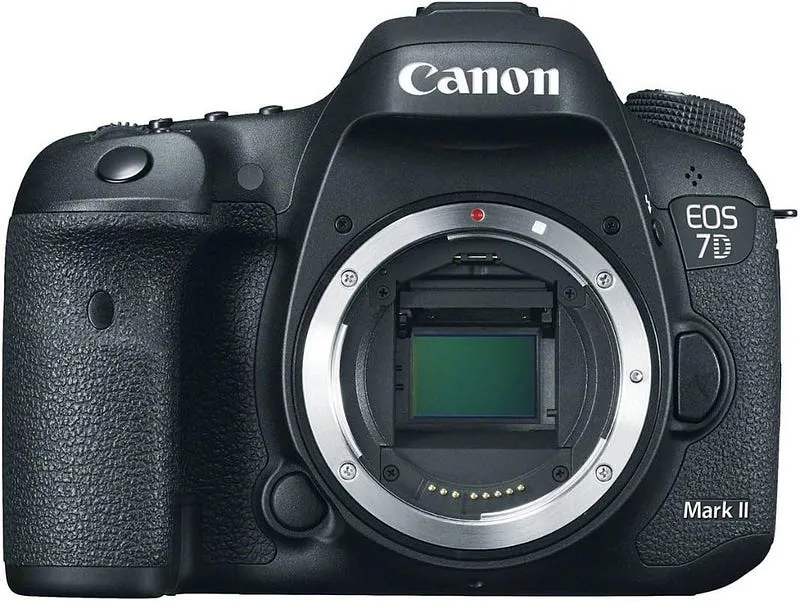
- My journey with the Canon EOS 7D Mark II began when I decided to delve deeper into wildlife photography. Having previously used a more basic DSLR, I was eager to upgrade to a camera that could keep up with my ambitions. The 7D Mark II caught my attention due to its impressive specifications, particularly for capturing fast-moving subjects.
Canon EOS 7D Mark II — View on Amazon
First Impressions
When I first picked up the 7D Mark II, I was struck by its solid build quality and ergonomic design. It felt robust yet comfortable, which is crucial for long hours spent in the field. The 20.2-megapixel APS-C sensor and 10 frames per second (fps) burst shooting capability promised to deliver the performance I needed for action shots. My first outing was a trip to a local wildlife refuge, where I hoped to photograph birds in flight.
Pros of the Canon EOS 7D Mark II
- Fast Autofocus System: The camera features 65 cross-type autofocus points, which significantly improved my ability to track moving subjects compared to my previous camera. During my first wildlife shoot, I was able to capture sharp images of birds in flight, something I struggled with before.
- Continuous Shooting Speed: The 10 fps burst mode allowed me to capture sequences of action without missing critical moments. This was particularly beneficial during a recent event where I photographed a group of eagles diving for fish.
- Durability and Weather Sealing: The 7D Mark II’s weather-sealed body gave me confidence while shooting in varying conditions. On one occasion, I found myself caught in light rain while photographing a waterfall, and the camera performed flawlessly without any issues.
- User-Friendly Controls: The layout of buttons and dials made it easy to adjust settings quickly. I appreciated the customizable buttons that allowed me to set up the camera according to my shooting style.
Cons of the Canon EOS 7D Mark II
- ISO Performance: While the camera performs well at lower ISO settings, I found that noise becomes noticeable at higher ISO levels, especially in low-light conditions. This limitation was evident during an evening shoot where I had to push the ISO higher than I preferred.
- Menu Complexity: Although the camera is highly customizable, navigating through its extensive menu system can be cumbersome. At times, it took longer than expected to find specific settings during fast-paced shooting situations.
- Weight: While not excessively heavy, the 7D Mark II is bulkier than some mirrorless options. After several hours of carrying it around during hikes, I often wished for a lighter alternative.
Conclusion
Overall, my experience with the Canon EOS 7D Mark II has been largely positive. Its strengths in autofocus performance and continuous shooting speed have transformed my wildlife photography, allowing me to capture moments that would have otherwise slipped away. Despite some drawbacks like ISO performance and menu navigation, the benefits make it an excellent choice for anyone serious about sports or wildlife photography.
The Canon EOS 7D Mark II has not only met but exceeded my expectations as a versatile tool in my photography journey. It has empowered me to explore new creative possibilities while honing my skills in capturing nature’s beauty.
Canon EOS 7D Mark II — View on Amazon
Recommended Lenses for Moon Photography
Choosing the right lens is just as important as selecting the camera body. Here are some lenses that have worked exceptionally well for me:
- Canon EF 100–400mm f/4.5–5.6L IS II USM: This versatile lens allows for flexibility in composition while providing sharp images of the moon.
- Nikon AF-S NIKKOR 200–500mm f/5.6E ED VR: With its long reach and vibration reduction technology, this lens has helped me capture crisp lunar details even at high magnifications.
- Sony FE 200–600mm f/5.6–6.3 G OSS: This lens is perfect for those using Sony cameras, offering great image stabilization and reach.
Techniques for Capturing Stunning Moon Photos
- Use Manual Mode: Switching to manual mode gives you control over settings like aperture, shutter speed, and ISO, allowing you to adapt to changing light conditions effectively.
- Aperture Settings: Set your aperture between f/8 to f/11 for optimal sharpness.
- ISO Settings: Keep your ISO low (around 100 or 200) to minimize noise.
- Tripod Use: A sturdy tripod is essential to prevent camera shake during longer exposures.
- Manual Focus: Use manual focus to achieve sharp details on the moon’s surface by zooming in on it in live view mode.
Conclusion
Moon photography has transformed from a simple hobby into a passionate pursuit for me. With the right camera and lens combination — such as the Canon EOS R5 or Nikon P1000 — alongside effective techniques, anyone can capture breathtaking images of our celestial neighbor. Whether you’re just starting or looking to upgrade your gear, investing in quality equipment will undoubtedly enhance your lunar photography experience. Happy shooting!
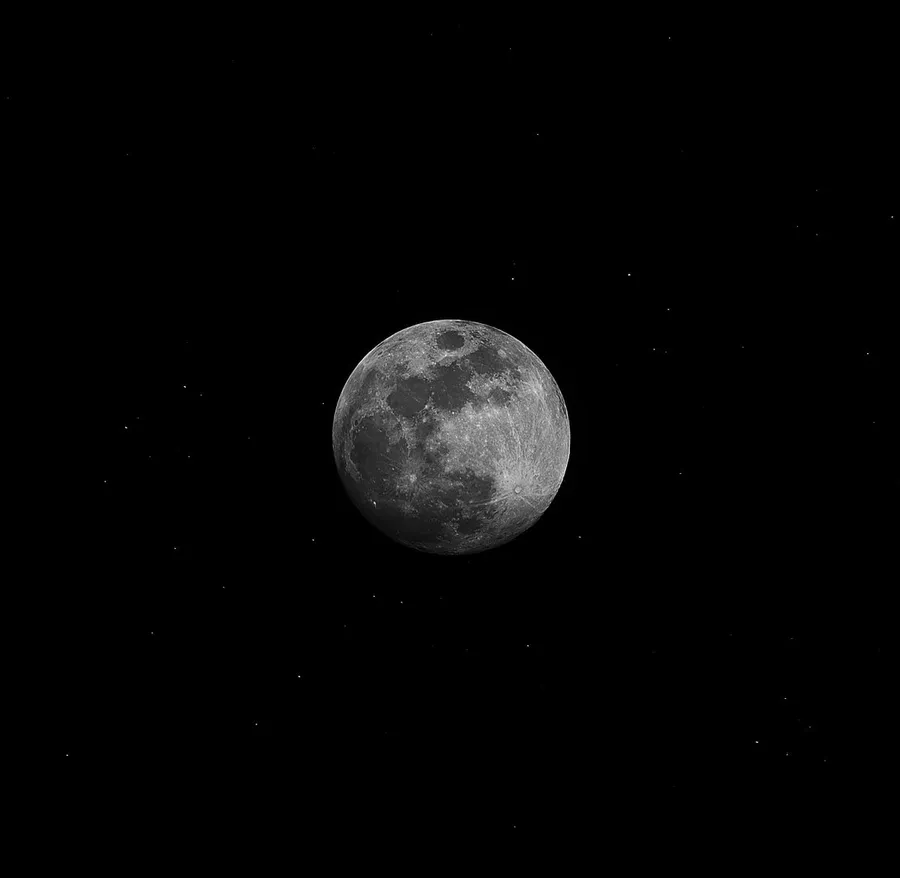
Photo by Alexander Andrews on Unsplash
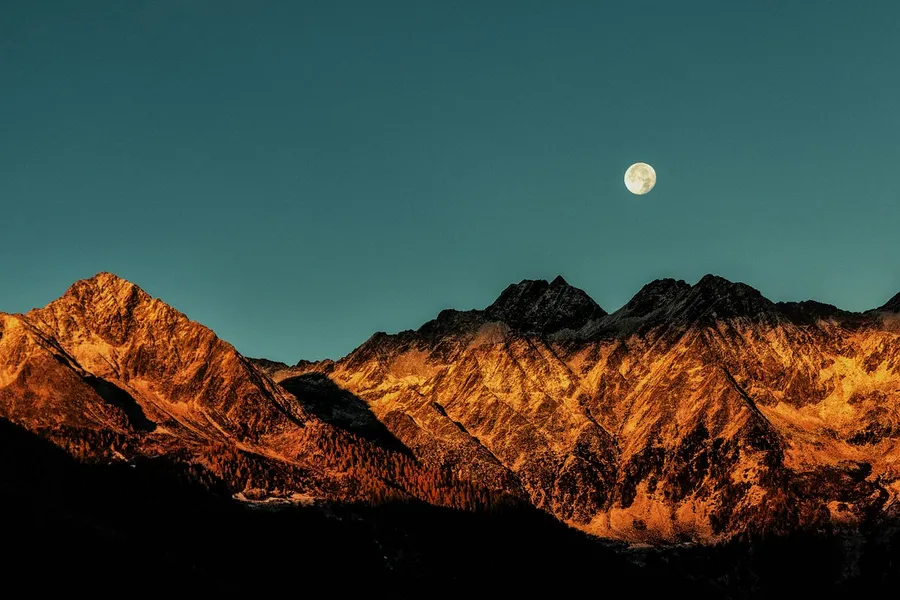
Photo by eberhard 🖐 grossgasteiger on Unsplash

Written by
Marien CartelProfessional and Certified Digital Photographer born in the USA, with 22 years of experience in the field of photography.
Related Guides
Best Camera for Automotive Photography
What I Actually Reach For When I’m Shooting Cars. Here is how the Canon EOS R5, Sony a7 IV and Nikon Z6 III compare, and the one I keep going back to.
Best Cameras for Virtual Production
After I Wasted a Full Shoot Day Finding Out — why the Sony FX6 and Sony FX9 made the list, and who each one really suits.
Best DSLR Cameras for Beginners: (Guide & Reviews)
My Hands-On Experience with the Best Beginner-Friendly Cameras — why the Canon EOS Rebel T7 and Nikon D3500 made the list, and who each one really suits.