Best camera for Landscape Photography
As an Amazon Associate we earn from qualifying purchases. Some links in this guide are affiliate links — see our affiliate disclosure for details.
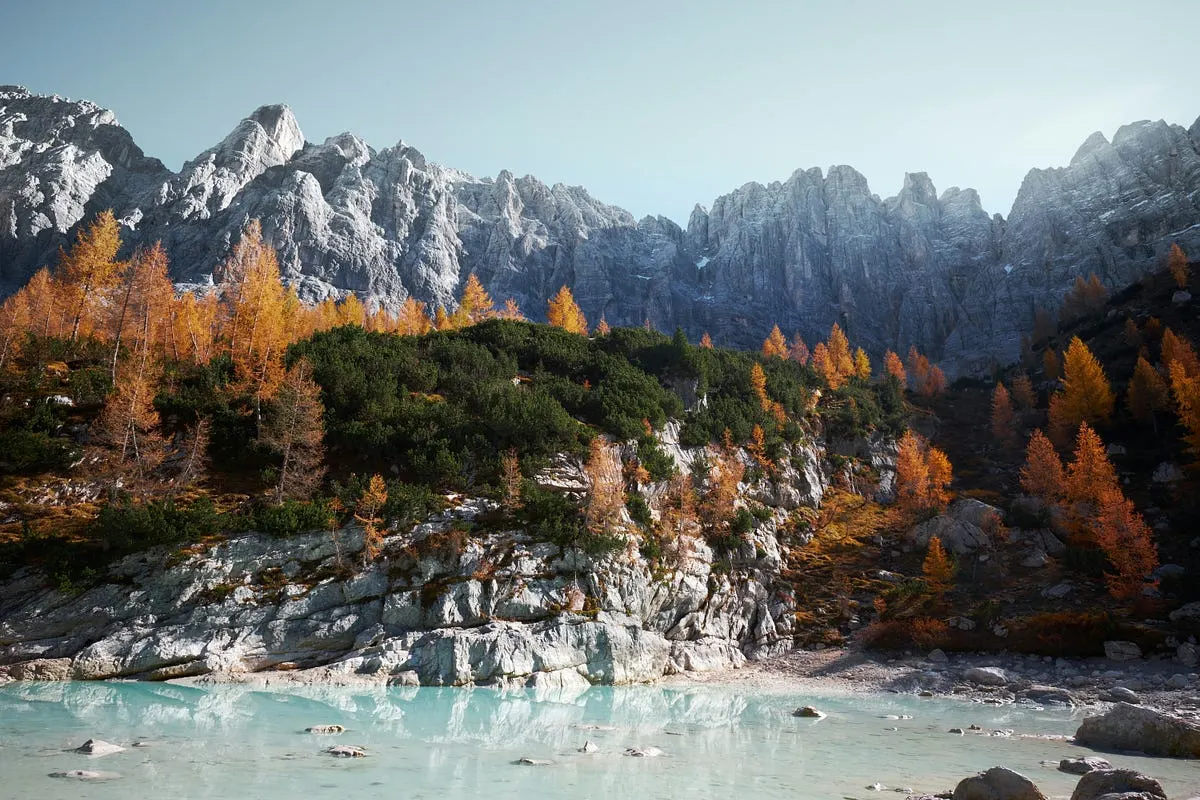
Photo by Luca Bravo on Unsplash
Landscape photography is a passion that combines artistry with adventure. Over the years, I’ve explored breathtaking vistas and captured their beauty through my lens, each experience shaping my understanding of what makes a great landscape camera. In this blog, I will share my personal journey into landscape photography, the essential features I’ve learned to value in a camera, and my top recommendations for the best cameras in this genre.
Top 5 Best camera for Landscape Photography
- Sony A7R IV — View on Amazon
- Nikon Z7 II — View on Amazon
- Canon EOS R5 — View on Amazon
- Fujifilm GFX 50S II — View on Amazon
- Sony A7 IV — View on Amazon
My Personal Story
My journey into landscape photography began unexpectedly. Initially, I was drawn to the vibrant world of music, pouring my creative energy into melodies and lyrics. However, as life unfolded, I found solace in nature. The tranquility of the outdoors called to me, and I began to explore various forms of photography.
After years of experimenting with different styles — portraiture, street photography, and even macro — I discovered that landscape photography resonated with me the most. There was something profoundly fulfilling about capturing the essence of a place and sharing it with others. Each click of the shutter felt like a way to communicate my emotions and experiences in a visual format.
As I ventured into more remote locations, I realized that having the right equipment was crucial. The camera I chose could make or break my ability to capture the stunning vistas I encountered. This realization led me to research what features were essential for landscape photography.
Essential Features for Landscape Photography
Through trial and error, along with countless hours spent researching and testing various cameras, I’ve identified several key features that are vital for landscape photography:
- High Resolution: A camera with a high megapixel count allows for detailed images that can be cropped without losing quality.
- Large Sensor: Full-frame or medium format sensors typically perform better in low light and provide greater dynamic range.
- Weather Sealing: Since landscapes often involve unpredictable weather conditions, a weather-sealed body is essential for durability.
- Good Battery Life: Long shooting sessions in remote locations require a camera that can keep up without frequent recharging.
- Lens Options: A versatile selection of lenses allows for creative flexibility when capturing different scenes.
Top Camera Recommendations
Based on my experiences and research, here are some of the best cameras for landscape photography available today:
1. Sony A7R IV
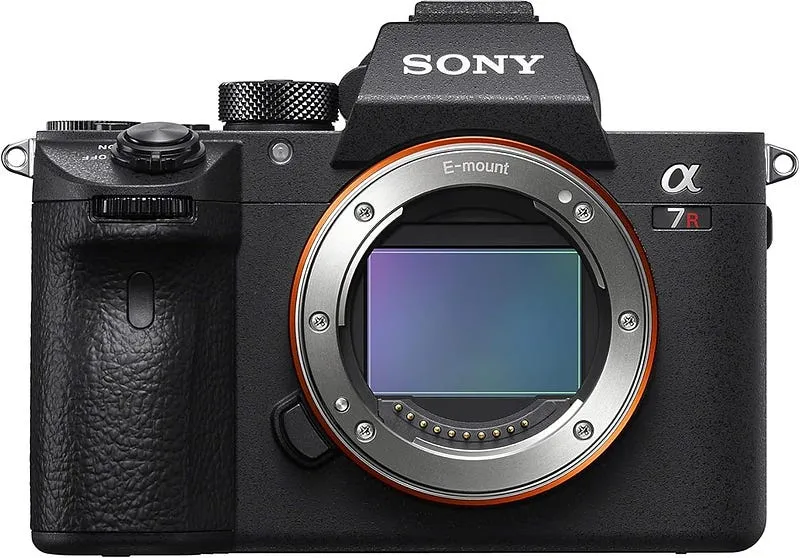
As a passionate landscape photographer, my journey has been filled with exploration, learning, and the pursuit of the perfect shot. One of the most significant turning points in my photography career came when I decided to invest in the Sony A7R IV. This camera has not only enhanced my skills but has also transformed the way I capture the beauty of nature.
Sony A7R IV — View on Amazon
Discovering the Sony A7R IV
Before I acquired the Sony A7R IV, I was using an older DSLR that served me well for many years. However, as I began to venture into more challenging landscapes and sought to create larger prints, I realized that I needed a camera that could keep up with my ambitions. After extensive research and consideration, I chose the A7R IV for its impressive specifications and reputation among photographers.
First Impressions
When I first held the Sony A7R IV in my hands, I was struck by its build quality and ergonomic design. The camera felt solid yet lightweight, making it easy to carry during long hikes in search of the perfect landscape. The intuitive layout of buttons and dials made it easy to adjust settings on the fly, which is crucial when capturing fleeting moments in nature.
Key Features That Changed My Photography
High Resolution
The 61-megapixel full-frame sensor was a game-changer for me. The level of detail captured in each image was astounding. I remember photographing a sweeping mountain vista at sunrise; the colors were vibrant, and every detail — from the texture of the rocks to the delicate clouds — was rendered beautifully. This high resolution allowed me to crop images without sacrificing quality, giving me greater flexibility in post-processing.
Dynamic Range
One of my favorite features of the A7R IV is its exceptional dynamic range. During a trip to a national park, I encountered a scene where sunlight streamed through dark storm clouds over a valley. The contrast was intense, but the camera handled it effortlessly. The shadows retained detail while highlights were beautifully preserved, allowing me to capture a stunning image that truly represented what I saw.
Sony A7R IV — View on Amazon
In-Body Image Stabilization
The in-body stabilization system has been invaluable during my landscape shoots. On one occasion, while photographing a serene lake at dusk, I was able to shoot handheld at slower shutter speeds without worrying about camera shake. This feature opened up new possibilities for low-light photography and allowed me to experiment with longer exposures to create dreamy water effects.
Weather Sealing for Outdoor Adventures
As someone who loves exploring remote locations, having a weather-sealed camera is essential. The A7R IV’s robust construction gave me confidence during unpredictable weather conditions. On one memorable trip to a coastal area, I faced sudden rain showers while trying to capture dramatic seascapes. Knowing my gear was protected allowed me to focus on getting the shot rather than worrying about damage.
Lens Versatility
The versatility of lenses available for the Sony E-mount system has also played a significant role in my photography journey. From wide-angle lenses for expansive landscapes to telephoto lenses for capturing distant details, I’ve been able to adapt my approach based on each unique environment. One of my favorite combinations is using a wide-angle lens with the A7R IV to capture sweeping vistas that draw viewers into the scene.
Conclusion: A Transformative Experience
Reflecting on my experience with the Sony A7R IV, it’s clear that this camera has significantly impacted my landscape photography journey. Its combination of high resolution, dynamic range, and user-friendly features has allowed me to push creative boundaries and capture stunning images that resonate with viewers.
The A7R IV has become more than just a tool; it’s an extension of my vision as a photographer. Each outing becomes an opportunity to explore new landscapes and share their beauty through my lens. For anyone serious about landscape photography, I wholeheartedly recommend considering the Sony A7R IV — it may very well transform your photography experience as it did mine.
2. Nikon Z7 II
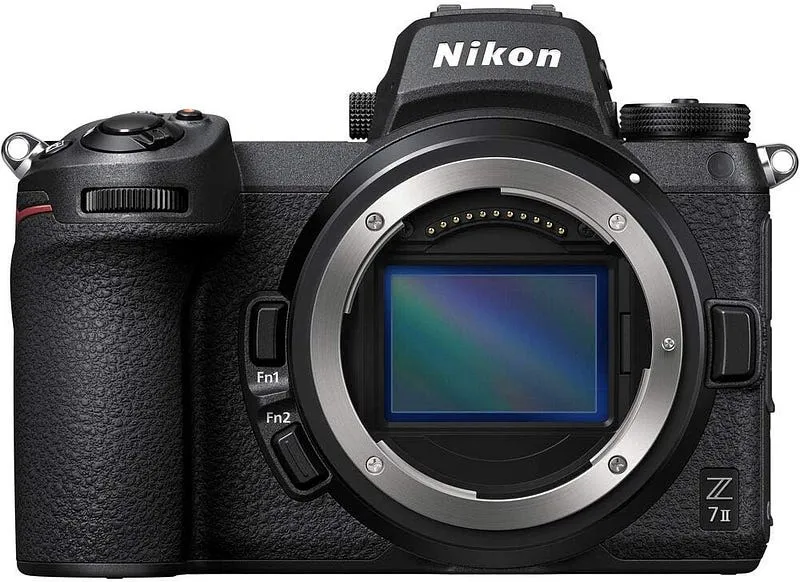
As a landscape photographer, my journey has been a blend of exploration, creativity, and the quest for the perfect camera to capture the stunning vistas I encounter. One of the most pivotal moments in my photographic journey was when I decided to invest in the Nikon Z7 II. This camera has not only elevated my photography but also deepened my appreciation for the art of capturing nature.
Nikon Z7 II — View on Amazon
Discovering the Nikon Z7 II
Before acquiring the Z7 II, I was using a DSLR that had served me well but began to feel limited as I sought to push my creative boundaries. The decision to switch to a mirrorless system was driven by a desire for lighter gear and advanced features. After extensive research and hearing rave reviews from fellow photographers, I chose the Nikon Z7 II for its impressive specifications and capabilities.
First Impressions
Upon unboxing the Nikon Z7 II, I was immediately impressed by its sleek design and build quality. The camera felt robust yet surprisingly lightweight, making it ideal for long hikes in search of breathtaking landscapes. The layout of buttons and dials was intuitive, allowing me to adjust settings quickly while immersed in nature.
Nikon Z7 II — View on Amazon
Key Features That Enhanced My Photography
High Resolution
The Z7 II boasts a 45.7-megapixel full-frame sensor, which has been transformative for my landscape photography. During a memorable trip to a national park, I captured a stunning sunset over a mountain range. The level of detail in the image was extraordinary; I could see every ridge and shadow clearly. This high resolution not only allows for large prints but also provides flexibility in cropping without losing quality.
Dynamic Range
One of the standout features of the Z7 II is its exceptional dynamic range. On a foggy morning shoot near a lake, I was able to capture both the subtle details in the mist and the vibrant colors of the trees reflecting on the water’s surface. The camera handled this challenging lighting situation beautifully, allowing me to create an image that truly represented the serene atmosphere of that moment.
In-Body Image Stabilization
The in-body image stabilization (IBIS) system has been a game-changer for my handheld shooting. While photographing waterfalls and streams, I often found myself needing slower shutter speeds to achieve that silky water effect. With the Z7 II’s IBIS, I could shoot at slower speeds without worrying about blurriness from camera shake. This feature has opened up new creative possibilities for capturing motion in landscapes.
Versatility and Lens Options
The versatility of lenses available for the Nikon Z mount system has greatly enhanced my photography experience. From wide-angle lenses perfect for sweeping vistas to macro lenses for capturing intricate details in nature, I’ve been able to adapt my approach based on each unique environment. One of my favorite setups is using a wide-angle lens with the Z7 II to capture expansive landscapes that draw viewers into the scene.
Weather Sealing for Outdoor Adventures
As someone who loves exploring remote locations, having a weather-sealed camera is essential. The Z7 II’s robust construction gave me confidence during unpredictable weather conditions. On one particularly adventurous trip along a rugged coastline, I faced sudden rain showers while trying to capture dramatic seascapes. Knowing my gear was protected allowed me to focus entirely on getting the shot without worrying about potential damage.
Conclusion: A Transformative Experience
Reflecting on my experience with the Nikon Z7 II, it’s clear that this camera has significantly impacted my landscape photography journey. Its combination of high resolution, dynamic range, and user-friendly features has allowed me to push creative boundaries and capture stunning images that resonate with viewers.
The Z7 II has become more than just a tool; it’s an extension of my vision as a photographer. Each outing becomes an opportunity to explore new landscapes and share their beauty through my lens. For anyone serious about landscape photography, I wholeheartedly recommend considering the Nikon Z7 II — it may very well transform your photography experience as it did mine.
Nikon Z7 II — View on Amazon
3. Canon EOS R5
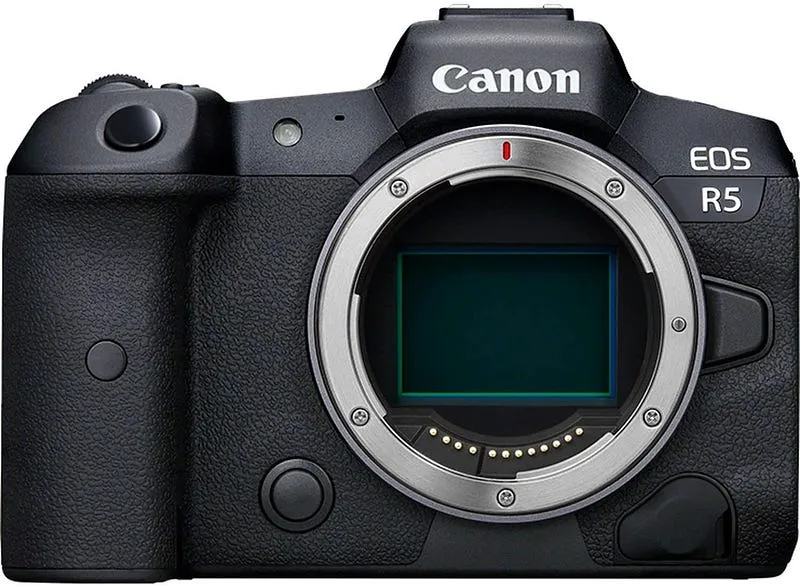
As a landscape photographer, my journey has been a blend of exploration, creativity, and the quest for the perfect camera to capture the stunning vistas I encounter. One of the most pivotal moments in my photographic journey was when I decided to invest in the Nikon Z7 II. This camera has not only elevated my photography but also deepened my appreciation for the art of capturing nature.
Canon EOS R5 — View on Amazon
Discovering the Nikon Z7 II
Before acquiring the Z7 II, I was using a DSLR that had served me well but began to feel limited as I sought to push my creative boundaries. The decision to switch to a mirrorless system was driven by a desire for lighter gear and advanced features. After extensive research and hearing rave reviews from fellow photographers, I chose the Nikon Z7 II for its impressive specifications and capabilities.
First Impressions
Upon unboxing the Nikon Z7 II, I was immediately impressed by its sleek design and build quality. The camera felt robust yet surprisingly lightweight, making it ideal for long hikes in search of breathtaking landscapes. The layout of buttons and dials was intuitive, allowing me to adjust settings quickly while immersed in nature.
Key Features That Enhanced My Photography
High Resolution
The Z7 II boasts a 45.7-megapixel full-frame sensor, which has been transformative for my landscape photography. During a memorable trip to a national park, I captured a stunning sunset over a mountain range. The level of detail in the image was extraordinary; I could see every ridge and shadow clearly. This high resolution not only allows for large prints but also provides flexibility in cropping without losing quality.
Dynamic Range
One of the standout features of the Z7 II is its exceptional dynamic range. On a foggy morning shoot near a lake, I was able to capture both the subtle details in the mist and the vibrant colors of the trees reflecting on the water’s surface. The camera handled this challenging lighting situation beautifully, allowing me to create an image that truly represented the serene atmosphere of that moment.
In-Body Image Stabilization
The in-body image stabilization (IBIS) system has been a game-changer for my handheld shooting. While photographing waterfalls and streams, I often found myself needing slower shutter speeds to achieve that silky water effect. With the Z7 II’s IBIS, I could shoot at slower speeds without worrying about blurriness from camera shake. This feature has opened up new creative possibilities for capturing motion in landscapes.
Versatility and Lens Options
The versatility of lenses available for the Nikon Z mount system has greatly enhanced my photography experience. From wide-angle lenses perfect for sweeping vistas to macro lenses for capturing intricate details in nature, I’ve been able to adapt my approach based on each unique environment. One of my favorite setups is using a wide-angle lens with the Z7 II to capture expansive landscapes that draw viewers into the scene.
Canon EOS R5 — View on Amazon
Weather Sealing for Outdoor Adventures
As someone who loves exploring remote locations, having a weather-sealed camera is essential. The Z7 II’s robust construction gave me confidence during unpredictable weather conditions. On one particularly adventurous trip along a rugged coastline, I faced sudden rain showers while trying to capture dramatic seascapes. Knowing my gear was protected allowed me to focus entirely on getting the shot without worrying about potential damage.
Conclusion: A Transformative Experience
Reflecting on my experience with the Nikon Z7 II, it’s clear that this camera has significantly impacted my landscape photography journey. Its combination of high resolution, dynamic range, and user-friendly features has allowed me to push creative boundaries and capture stunning images that resonate with viewers.
The Z7 II has become more than just a tool; it’s an extension of my vision as a photographer. Each outing becomes an opportunity to explore new landscapes and share their beauty through my lens. For anyone serious about landscape photography, I wholeheartedly recommend considering the Nikon Z7 II — it may very well transform your photography experience as it did mine.
Canon EOS R5 — View on Amazon
4. Fujifilm GFX 50S II
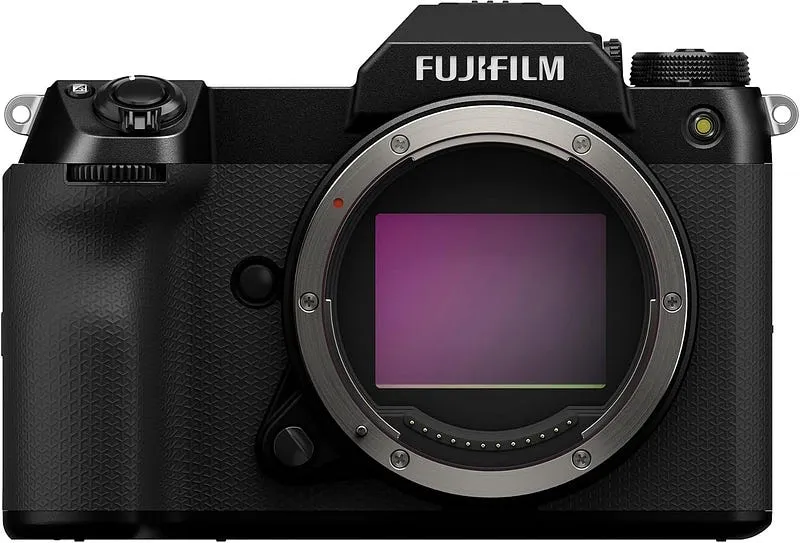
As a landscape photographer, my journey has been one of exploration, creativity, and the constant search for the right tools to express my vision. After years of using various cameras, I finally decided to invest in the Fujifilm GFX 50S II. This decision marked a significant turning point in my photography, allowing me to capture landscapes with an unparalleled level of detail and depth.
Fujifilm GFX 50S II — View on Amazon
Discovering the Fujifilm GFX 50S II
Before I made the leap to the GFX 50S II, I was primarily using a full-frame DSLR. While it served me well, I often found myself yearning for more dynamic range and image quality — especially when photographing expansive landscapes at sunrise or sunset. The allure of medium format photography had been on my mind for quite some time, and after thorough research and consideration, I chose the GFX 50S II for its impressive specifications and reputation for outstanding image quality.
First Impressions
When I first held the Fujifilm GFX 50S II, I was immediately impressed by its solid build and ergonomic design. Weighing around 900 grams, it felt substantial yet manageable during long hikes. The controls were intuitive, making it easy to adjust settings quickly while immersed in nature. The camera’s retro aesthetic also appealed to me; it felt like a blend of modern technology with classic photography charm.
Key Features That Enhanced My Photography
Exceptional Image Quality
The 51.4-megapixel medium format sensor was a game-changer for my landscape photography. On a memorable trip to a national park, I captured a breathtaking sunrise over a mountain range. The level of detail in the image was astounding; every ridge and shadow was rendered beautifully. This high resolution not only allows for stunning large prints but also provides flexibility in cropping without sacrificing image quality.
Dynamic Range
One of the standout features of the GFX 50S II is its exceptional dynamic range. During a foggy morning shoot near a lake, I was able to capture both the subtle details in the mist and the vibrant colors of trees reflecting on the water’s surface. The camera handled this challenging lighting situation effortlessly, enabling me to create images that truly represented the serene atmosphere of that moment.
In-Body Image Stabilization (IBIS)
The addition of 6.5 stops of in-body image stabilization has been invaluable during my handheld shooting sessions. While photographing waterfalls and streams, I often needed slower shutter speeds to achieve that silky water effect. With the GFX 50S II’s IBIS, I could shoot at slower speeds without worrying about blurriness from camera shake. This feature opened up new creative possibilities for capturing motion in landscapes.
Fujifilm GFX 50S II — View on Amazon
Versatility with Lens Options
The versatility of lenses available for the Fujifilm GF mount system has greatly enhanced my photography experience. From wide-angle lenses perfect for sweeping vistas to macro lenses for capturing intricate details in nature, I’ve been able to adapt my approach based on each unique environment. One of my favorite setups is using a wide-angle lens with the GFX 50S II to capture expansive landscapes that draw viewers into the scene.
Weather Sealing for Outdoor Adventures
As someone who loves exploring remote locations, having a weather-sealed camera is essential. The GFX 50S II’s robust construction gave me confidence during unpredictable weather conditions. On one particularly adventurous trip along a rugged coastline, I faced sudden rain showers while trying to capture dramatic seascapes. Knowing my gear was protected allowed me to focus entirely on getting the shot without worrying about potential damage.
Conclusion: A Transformative Experience
Reflecting on my experience with the Fujifilm GFX 50S II, it’s clear that this camera has significantly impacted my landscape photography journey. Its combination of high resolution, dynamic range, and user-friendly features has allowed me to push creative boundaries and capture stunning images that resonate with viewers.
The GFX 50S II has become more than just a tool; it’s an extension of my vision as a photographer. Each outing becomes an opportunity to explore new landscapes and share their beauty through my lens. For anyone serious about landscape photography or considering a transition to medium format, I wholeheartedly recommend considering the Fujifilm GFX 50S II — it may very well transform your photography experience as it did mine.
Fujifilm GFX 50S II — View on Amazon
5. Sony A7 IV
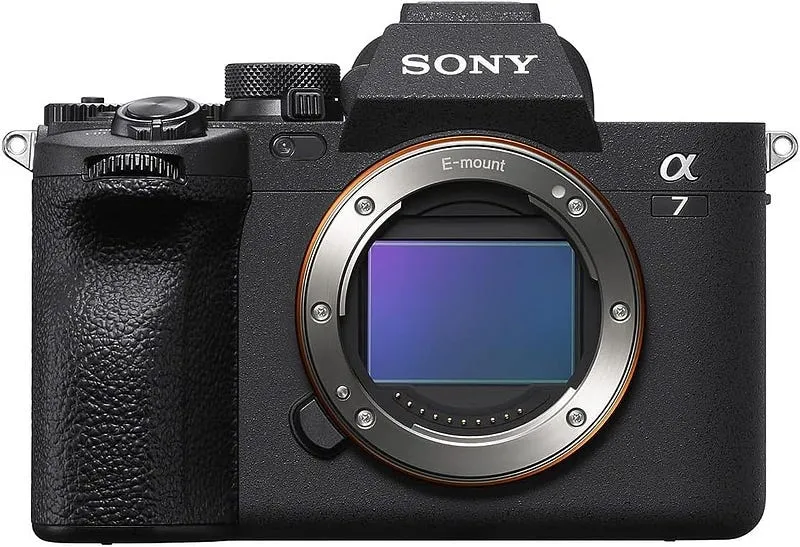
As a landscape photographer, my journey has been filled with exploration, creativity, and the pursuit of the perfect tool to capture the beauty of nature. After years of using various cameras, I finally decided to invest in the Sony A7 IV. This decision transformed my photography, allowing me to express my vision with remarkable clarity and detail.
Sony A7 IV — View on Amazon
Discovering the Sony A7 IV
Before I switched to the A7 IV, I had been using a DSLR that, while reliable, often felt limiting as I sought to capture the stunning landscapes I encountered on my adventures. The desire for a more versatile and capable camera led me to research mirrorless options, and the Sony A7 IV stood out due to its impressive specifications and features tailored for landscape photography.
First Impressions
When I first held the Sony A7 IV, I was immediately struck by its ergonomic design and solid build quality. The camera felt robust yet lightweight, making it easy to carry during long hikes. The intuitive layout of buttons and dials allowed me to adjust settings quickly while immersed in nature, which is crucial when trying to capture fleeting moments.
Key Features That Enhanced My Photography
High Resolution
The 33-megapixel full-frame sensor was a game-changer for my landscape photography. On a memorable trip to a national park, I captured a breathtaking sunset over a mountain range. The level of detail in the image was astounding; every ridge and shadow was rendered beautifully. This high resolution not only allows for stunning large prints but also provides flexibility in cropping without losing quality.
Dynamic Range
One of the standout features of the A7 IV is its exceptional dynamic range. During a foggy morning shoot near a lake, I was able to capture both the subtle details in the mist and the vibrant colors of trees reflecting on the water’s surface. The camera handled this challenging lighting situation effortlessly, enabling me to create images that truly represented the serene atmosphere of that moment.
In-Body Image Stabilization (IBIS)
The in-body image stabilization has been invaluable during my handheld shooting sessions. While photographing waterfalls and streams, I often needed slower shutter speeds to achieve that silky water effect. With the A7 IV’s IBIS, I could shoot at slower speeds without worrying about blurriness from camera shake. This feature opened up new creative possibilities for capturing motion in landscapes.
Sony A7 IV — View on Amazon
Versatility with Lens Options
The versatility of lenses available for the Sony E-mount system has greatly enhanced my photography experience. From wide-angle lenses perfect for sweeping vistas to macro lenses for capturing intricate details in nature, I’ve been able to adapt my approach based on each unique environment. One of my favorite setups is using a wide-angle lens with the A7 IV to capture expansive landscapes that draw viewers into the scene.
Weather Sealing for Outdoor Adventures
As someone who loves exploring remote locations, having a weather-sealed camera is essential. The A7 IV’s robust construction gave me confidence during unpredictable weather conditions.
On one particularly adventurous trip along a rugged coastline, I faced sudden rain showers while trying to capture dramatic seascapes. Knowing my gear was protected allowed me to focus entirely on getting the shot without worrying about potential damage.
Conclusion: A Transformative Experience
Reflecting on my experience with the Sony A7 IV, it’s clear that this camera has significantly impacted my landscape photography journey. Its combination of high resolution, dynamic range, and user-friendly features has allowed me to push creative boundaries and capture stunning images that resonate with viewers.
The A7 IV has become more than just a tool; it’s an extension of my vision as a photographer. Each outing becomes an opportunity to explore new landscapes and share their beauty through my lens. For anyone serious about landscape photography or considering an upgrade, I wholeheartedly recommend considering the Sony A7 IV — it may very well transform your photography experience as it did mine.
Sony A7 IV — View on Amazon
Conclusion
Choosing the right camera for landscape photography can significantly impact your ability to capture breathtaking images that resonate with viewers. My journey has taught me that while equipment is important, it’s equally vital to connect with your surroundings and express your unique perspective through your lens.
Whether you’re just starting or looking to upgrade your gear, consider these recommendations based on my experiences. Remember that every photographer has their own style and preferences; what works best for you may differ from others. Embrace your journey in landscape photography — explore new places, experiment with different techniques, and most importantly, enjoy the process!
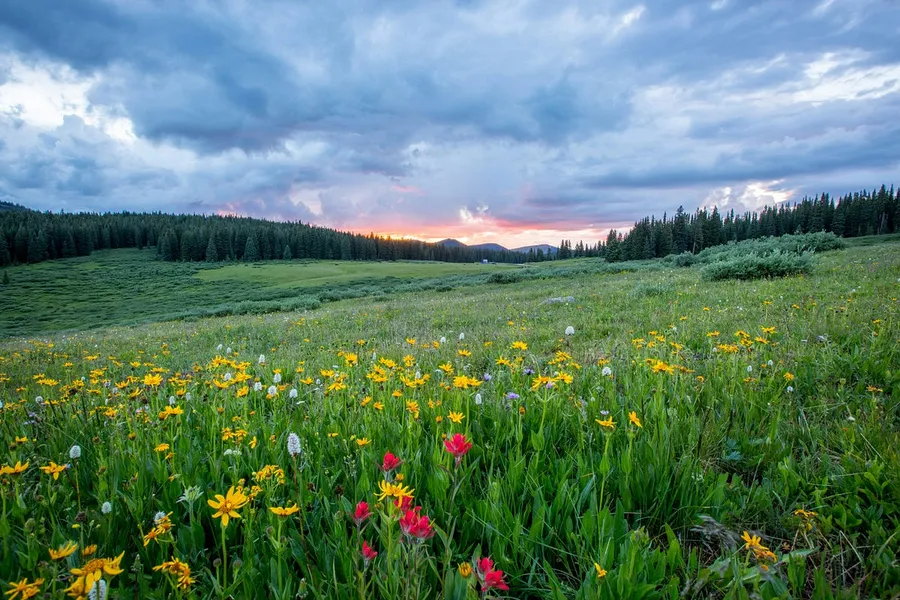
Photo by Joel Holland on Unsplash
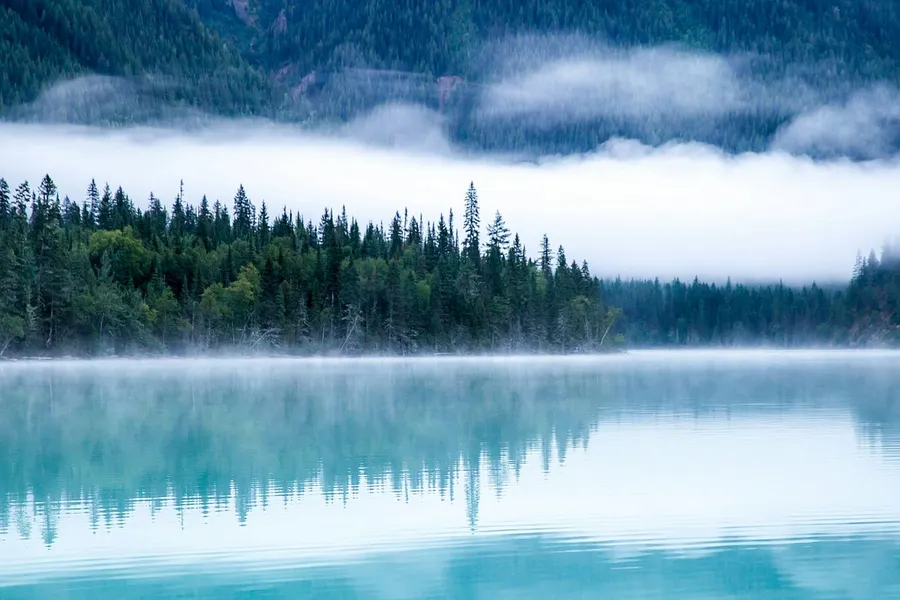
Photo by Kalen Emsley on Unsplash

Written by
Marien CartelProfessional and Certified Digital Photographer born in the USA, with 22 years of experience in the field of photography.
Related Guides
Best Camera for Automotive Photography
What I Actually Reach For When I’m Shooting Cars. Here is how the Canon EOS R5, Sony a7 IV and Nikon Z6 III compare, and the one I keep going back to.
Best Cameras for Virtual Production
After I Wasted a Full Shoot Day Finding Out — why the Sony FX6 and Sony FX9 made the list, and who each one really suits.
Best DSLR Cameras for Beginners: (Guide & Reviews)
My Hands-On Experience with the Best Beginner-Friendly Cameras — why the Canon EOS Rebel T7 and Nikon D3500 made the list, and who each one really suits.