Best Camera for Capturing Flower Details
As an Amazon Associate we earn from qualifying purchases. Some links in this guide are affiliate links — see our affiliate disclosure for details.
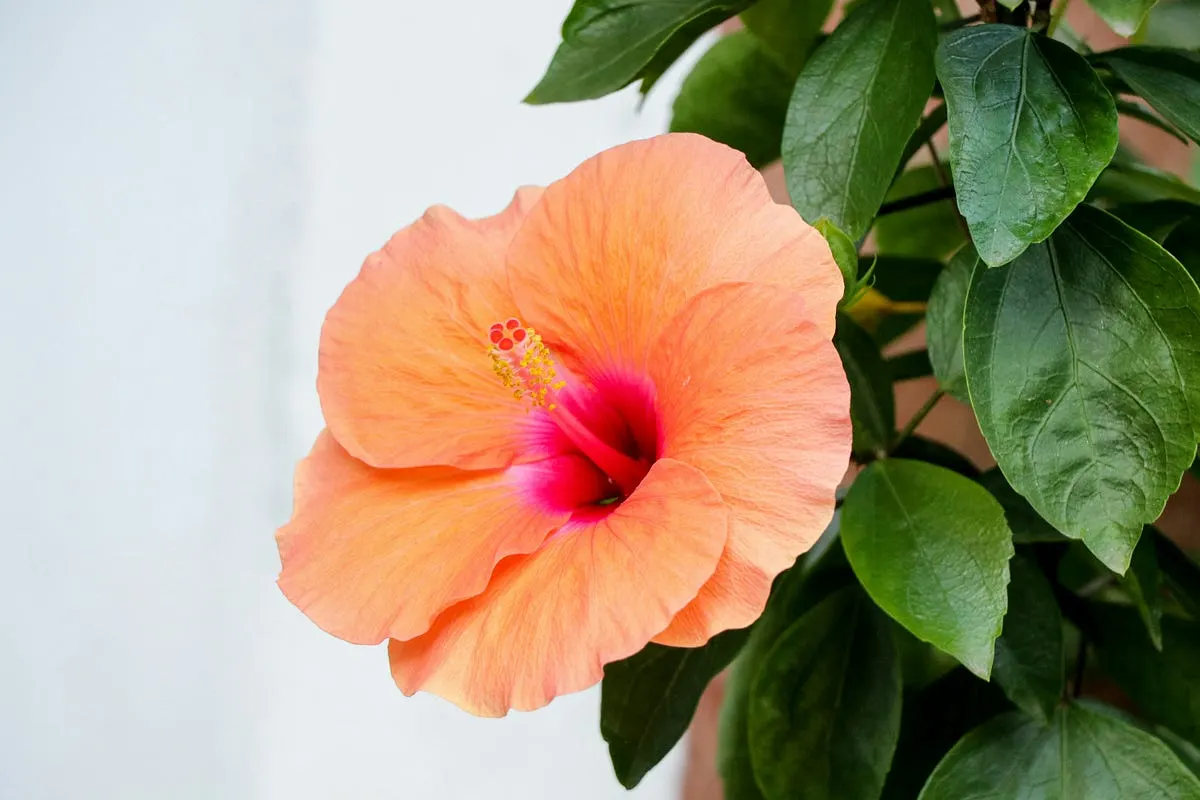
Photo by Tawhidur R on Unsplash
For capturing intricate flower details, a DSLR or mirrorless camera with a large sensor and a dedicated macro lens is generally considered the best option, with popular choices like the Sony Alpha 7R series, Canon EOS R series, or Nikon Z series being highly recommended for their excellent image quality and focusing capabilities; particularly when paired with a macro lens like a 100mm f/2.8 macro lens.
- Sony a7R — View on Amazon
- Canon EOS R — View on Amazon
- Nikon Z 50 — View on Amazon
Key points to consider:
Sensor size:
- A larger sensor allows for better light gathering and finer detail capture, making it ideal for flower photography.
Macro lens:
- A dedicated macro lens enables extreme close-up focusing, essential for capturing minute details on flower petals.
Autofocus performance:
- Look for a camera with fast and accurate autofocus to capture sharp details, especially on delicate flowers.
Specific camera recommendations:
- Sony Alpha 7R series: Highly regarded for its high resolution sensor, excellent low-light performance, and advanced autofocus
- Canon EOS R series: Offers a great balance of image quality, features, and lens selection
- Nikon Z series: Known for its fast autofocus and high-quality image output
Other options for flower photography:
- High-end compact cameras:
- Some advanced compact cameras like the Panasonic Lumix LX10 or the Canon G series can also produce excellent macro results.
- DSLRs with macro lenses:
- If you already own a DSLR, investing in a dedicated macro lens can significantly improve your flower photography.
- There’s something magical about flowers. Their delicate petals, vibrant colors, and intricate details have always fascinated me. As someone who loves nature and photography, I’ve spent countless hours trying to capture the beauty of flowers in a way that does them justice. But finding the right camera to truly bring out the details of these natural wonders wasn’t easy. Today, I want to share my personal story and the camera that changed the way I photograph flowers forever.
My Love Affair with Flower Photography
It all started during the pandemic. Stuck at home, I found solace in my backyard garden. The flowers I had planted years ago suddenly became my muse. I started taking pictures with my smartphone, but I quickly realized that while it was great for casual snaps, it couldn’t capture the fine details — the tiny dewdrops on a rose petal, the intricate veins of a lily, or the delicate fuzz on a sunflower stem.
I knew I needed a better tool, but I wasn’t sure where to start. I began researching cameras, reading reviews, and watching YouTube tutorials. I wanted something that could handle macro photography but was also user-friendly for someone who wasn’t a professional photographer. After weeks of deliberation, I finally settled on the Canon EOS 90D with a Canon EF 100mm f/2.8L Macro IS USM lens. And let me tell you, it was a game-changer.
Why the Canon EOS 90D is Perfect for Flower Photography
- Incredible Detail and Sharpness
The combination of the Canon EOS 90D’s 32.5-megapixel sensor and the 100mm macro lens allows me to capture every tiny detail of a flower. The sharpness is unreal — I can see the texture of pollen grains and the subtle gradients in petal colors that I never noticed before. - Versatility
While I primarily use it for macro photography, the Canon EOS 90D is also great for other types of photography. Whether I’m shooting landscapes or portraits, this camera delivers stunning results. - User-Friendly Interface
As someone who’s still learning the ropes of photography, I appreciate how intuitive the Canon EOS 90D is. The touchscreen interface makes it easy to adjust settings, and the autofocus is incredibly accurate, even when I’m shooting close-ups. - Durability
I’ve taken this camera on countless outdoor adventures, and it’s held up beautifully. It’s weather-sealed, which gives me peace of mind when I’m shooting in dewy morning conditions or light rain.
A Personal Moment That Changed Everything
One of my most memorable experiences with this camera happened last spring. I was in my garden early in the morning, just as the sun was rising. The light was soft and golden, and the dew on the flowers sparkled like diamonds. I noticed a single tulip that had just bloomed, its petals still tightly curled. I set up my tripod, attached my macro lens, and started shooting.
When I uploaded the photos to my computer later that day, I was blown away. The image of the tulip was so detailed that you could see the tiny water droplets clinging to its petals and the faintest hint of pollen on its stamen. It was like seeing the flower for the first time. That photo became one of my favorites, and it reminded me why I fell in love with flower photography in the first place.
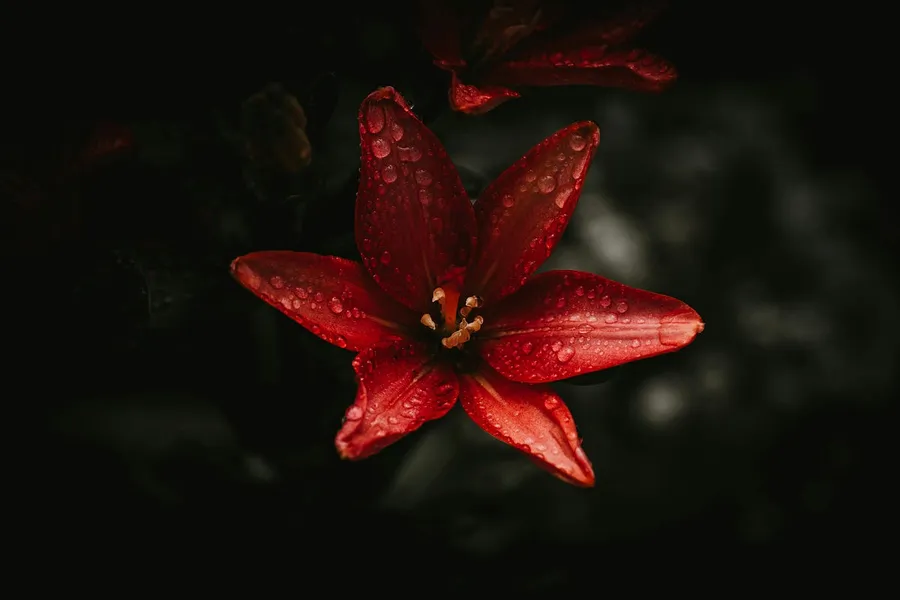
Photo by Xuan Nguyen on Unsplash
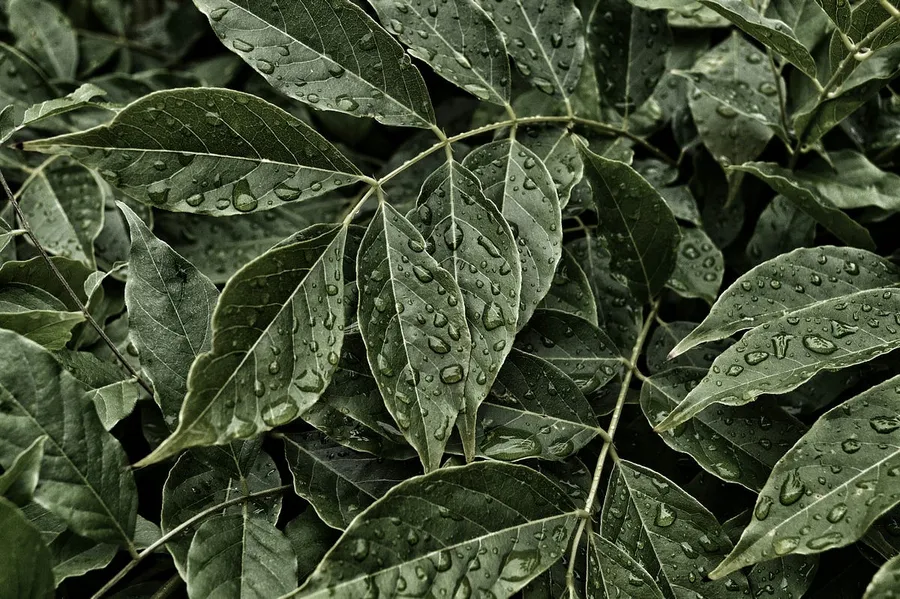
Photo by Jaimie Phillips on Unsplash
Tips for Capturing Stunning Flower Details
If you’re thinking about diving into flower photography, here are a few tips I’ve learned along the way:
- Shoot in Natural Light
Early morning or late afternoon light is ideal for capturing the soft, delicate details of flowers. Avoid harsh midday sun, which can create harsh shadows and wash out colors. - Use a Tripod
Stability is key when shooting close-ups. A tripod helps you keep the camera steady and ensures your images are sharp. - Experiment with Angles
Don’t just shoot from above. Get down low, shoot from the side, or even try shooting from underneath the flower for a unique perspective. - Focus on the Details
Zoom in on the most interesting parts of the flower — the center, the edges of the petals, or the stem. Sometimes, the smallest details make the most compelling images. - Be Patient
Flowers move with the wind, and lighting conditions can change quickly. Take your time and wait for the perfect moment.
Final Thoughts
Flower photography has become more than just a hobby for me — it’s a way to connect with nature and appreciate the beauty of the world around us. The Canon EOS 90D has been an invaluable tool in this journey, allowing me to capture the intricate details of flowers in a way that feels authentic and true to life.
If you’re passionate about flower photography and looking for a camera that can help you take your work to the next level, I highly recommend the Canon EOS 90D. It’s not just a camera; it’s a gateway to seeing the world in a whole new way.
Do you have a favorite camera for capturing nature’s details? I’d love to hear your story in the comments below!
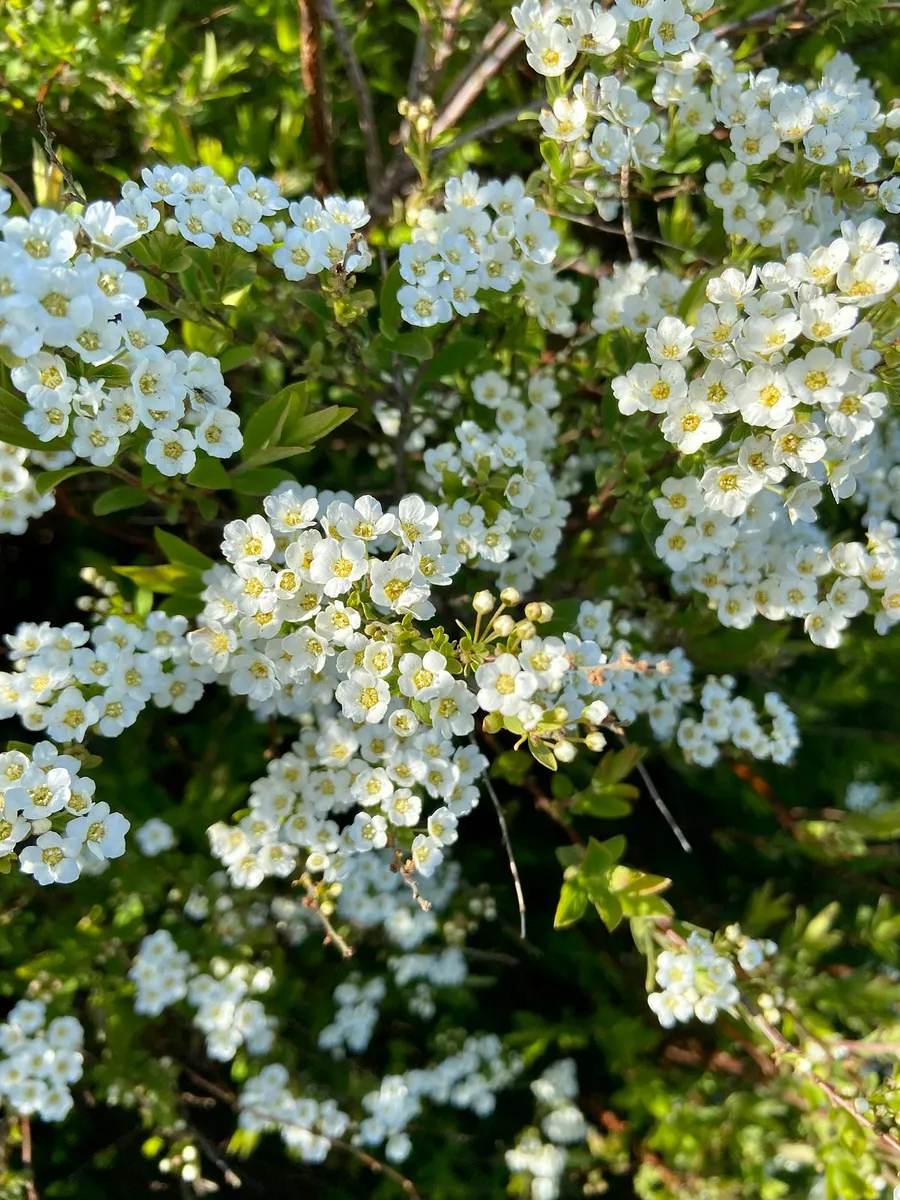
Photo by Magda Smolen on Unsplash
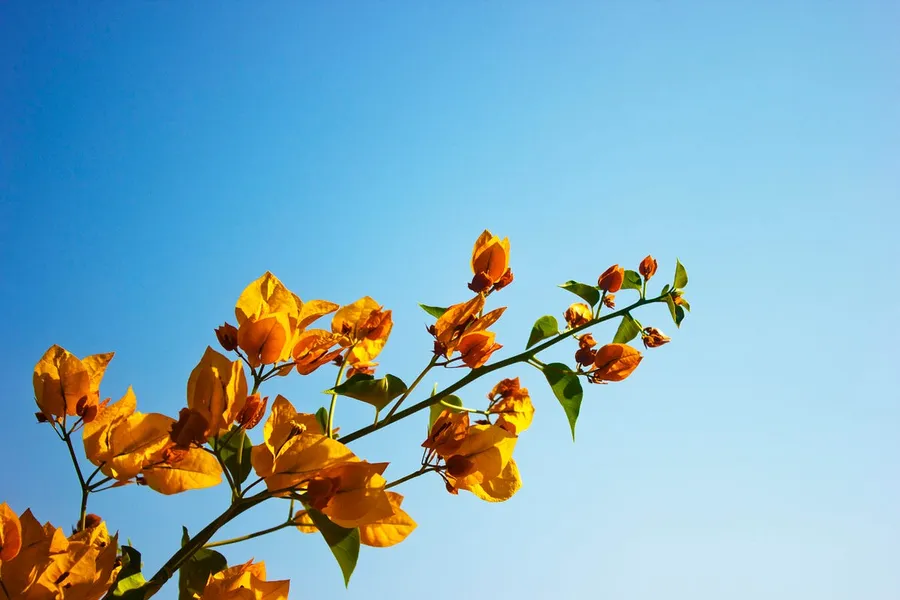
Photo by Poorva Rawat on Unsplash

Written by
Marien CartelProfessional and Certified Digital Photographer born in the USA, with 22 years of experience in the field of photography.
Related Guides
Best Camera for Automotive Photography
What I Actually Reach For When I’m Shooting Cars. Here is how the Canon EOS R5, Sony a7 IV and Nikon Z6 III compare, and the one I keep going back to.
Best Cameras for Virtual Production
After I Wasted a Full Shoot Day Finding Out — why the Sony FX6 and Sony FX9 made the list, and who each one really suits.
Best DSLR Cameras for Beginners: (Guide & Reviews)
My Hands-On Experience with the Best Beginner-Friendly Cameras — why the Canon EOS Rebel T7 and Nikon D3500 made the list, and who each one really suits.