Best Camera for Architectural Photography
As an Amazon Associate we earn from qualifying purchases. Some links in this guide are affiliate links — see our affiliate disclosure for details.
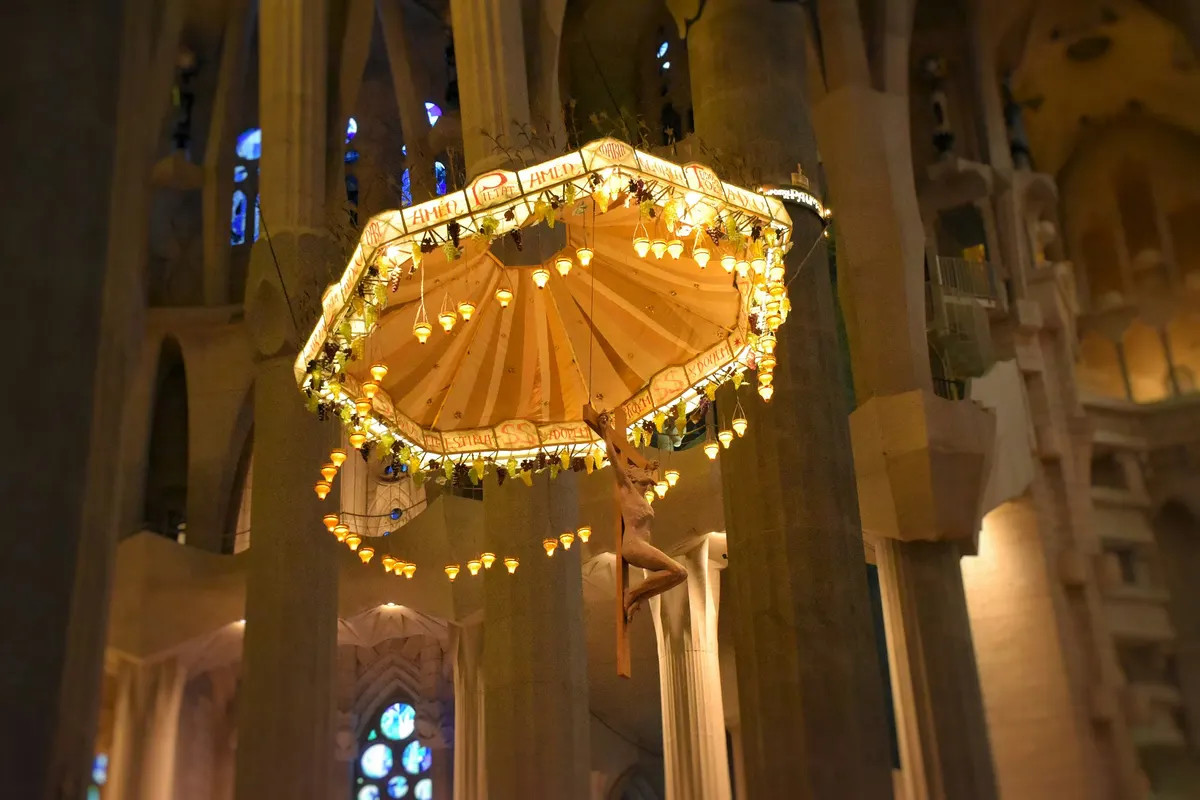
Photography has always been more than just a hobby for me — it’s a way of seeing the world, of freezing moments of human creativity etched in concrete, steel, and glass. My journey into architectural photography began almost accidentally, during a transformative trip to Barcelona when I first truly saw the breathtaking design of Antoni Gaudí’s masterpieces.
Top 3 Best Cameras for Architectural Photography
- Canon EOS 5DS R — View on Amazon
- Sony A7R IV — View on Amazon
- Fujifilm GFX 100S — View on Amazon
As an Amazon Associate, I earn from qualifying purchases at no additional cost to you. Thank you for your support!
The Early Days: Learning Through Mistakes
When I first started, I was armed with nothing more than an entry-level DSLR and boundless enthusiasm. My early photos of buildings were… well, let’s be kind and call them “learning experiences.” Converging lines that looked more like a drunk architect’s sketch, blown-out highlights that erased intricate architectural details, and compositions that seemed to miss the very essence of the structures I was trying to capture.
What Makes a Great Architectural Photography Camera
Before diving into specific camera recommendations, it’s crucial to understand the unique requirements of architectural photography:
- High Resolution: Architectural images demand incredible detail. You’re not just capturing a building; you’re documenting design, texture, and spatial relationships.
- Dynamic Range: Buildings often have complex lighting scenarios — bright exteriors and shadowy interiors. A camera with excellent dynamic range ensures you capture details in both highlight and shadow areas.
- Tilt-Shift Capabilities: This is where serious architectural photographers differentiate themselves. Tilt-shift lenses help correct perspective distortion, keeping lines straight and compositions true.
- Low-Light Performance: Many architectural shots happen during golden hour or in interior spaces with challenging light conditions.
My Top Recommended Cameras for Architectural Photography
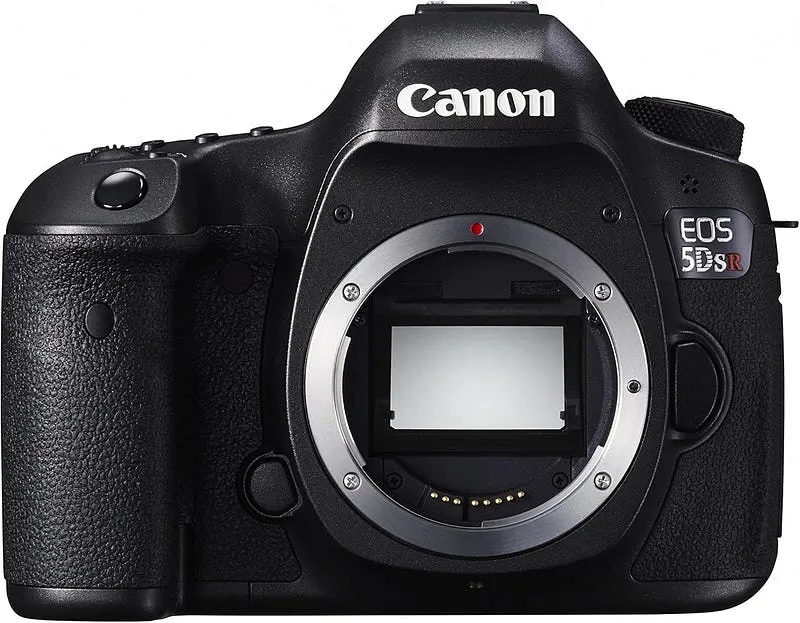
1. Canon EOS 5DS R
It was a crisp autumn morning in Prague when I first realized the true potential of the Canon EOS 5DS R. Standing before the intricate Gothic spires of the Týn Church, I watched as my camera transformed architectural complexity into a canvas of microscopic details.
The Genesis of a Photographic Powerhouse
Let me be clear — the Canon EOS 5DS R is not just a camera. It’s a precision instrument, a technological marvel that pushes the boundaries of what we consider possible in digital photography. Launched in 2015, this camera was Canon’s bold statement to the world: resolution is not just about numbers, but about storytelling.
Technical Specifications That Inspire Awe
- Sensor: 50.6-megapixel full-frame CMOS sensor
- Processor: Dual DIGIC 6 image processors
- ISO Range: 100–6400 (expandable to 12800)
- Continuous Shooting: 5 fps
- Autofocus: 61-point AF system with 41 cross-type points
My Personal Encounter: A Love Story in Pixels
When I first unboxed the 5DS R, I was struck by its familiar Canon ergonomics — substantial, professional, with a weight that speaks of serious intent. Unlike lighter mirrorless cameras, this DSLR feels like a real photographic tool, not just an electronic device.
The Low-Pass Filter Hack
What sets the 5DS R apart from its sibling, the 5DS, is the cancellation of the low-pass filter. In photography speak, this means sharper images with more detail — but it comes with a caveat. You’re trading some protection against moiré patterns for absolutely breathtaking resolution.
Where the 5DS R Truly Shines
1. Architectural Photography
This camera was practically designed for capturing buildings. Those 50.6 megapixels mean you can crop images dramatically while maintaining incredible detail. I’ve printed architectural shots from this camera at 40x60 inches with stunning clarity.
2. Landscape Perfection
The dynamic range allows you to capture everything from sun-drenched facades to shadowy street corners with remarkable precision. It’s like having a visual memory that never forgets a single detail.
3. Studio and Commercial Work
For professionals who need massive, detailed files — this is your weapon of choice. Magazine spreads, large format prints, detailed documentation — the 5DS R handles it all.
Real-World Performance: The Good, The Challenging
Pros
- Unmatched Resolution: 50.6 megapixels of pure photographic potential
- Exceptional Color Reproduction: Classic Canon color science
- Robust Build Quality: Professional-grade construction
- Incredible Detail Retention: Every pixel tells a story
Cons
- Large File Sizes: Be prepared to invest in massive storage solutions
- Performance in Low Light: Not the best high ISO performer
- Battery Life: Intensive shooting requires multiple batteries
- Processing Power: Your computer will work hard with these files
Practical Tips for Maximizing the 5DS R
- Use a Tripod: With this level of resolution, camera shake becomes your enemy.
- Invest in High-Quality Lenses: A 50-megapixel sensor will mercilessly expose any lens weakness.
- Consider Storage and Processing: You’ll need a powerful computer and lots of storage.
- Careful with Shutter Speed: The high resolution means you’ll need faster shutter speeds to maintain sharpness.
My Favorite Moment: A Photographic Memory
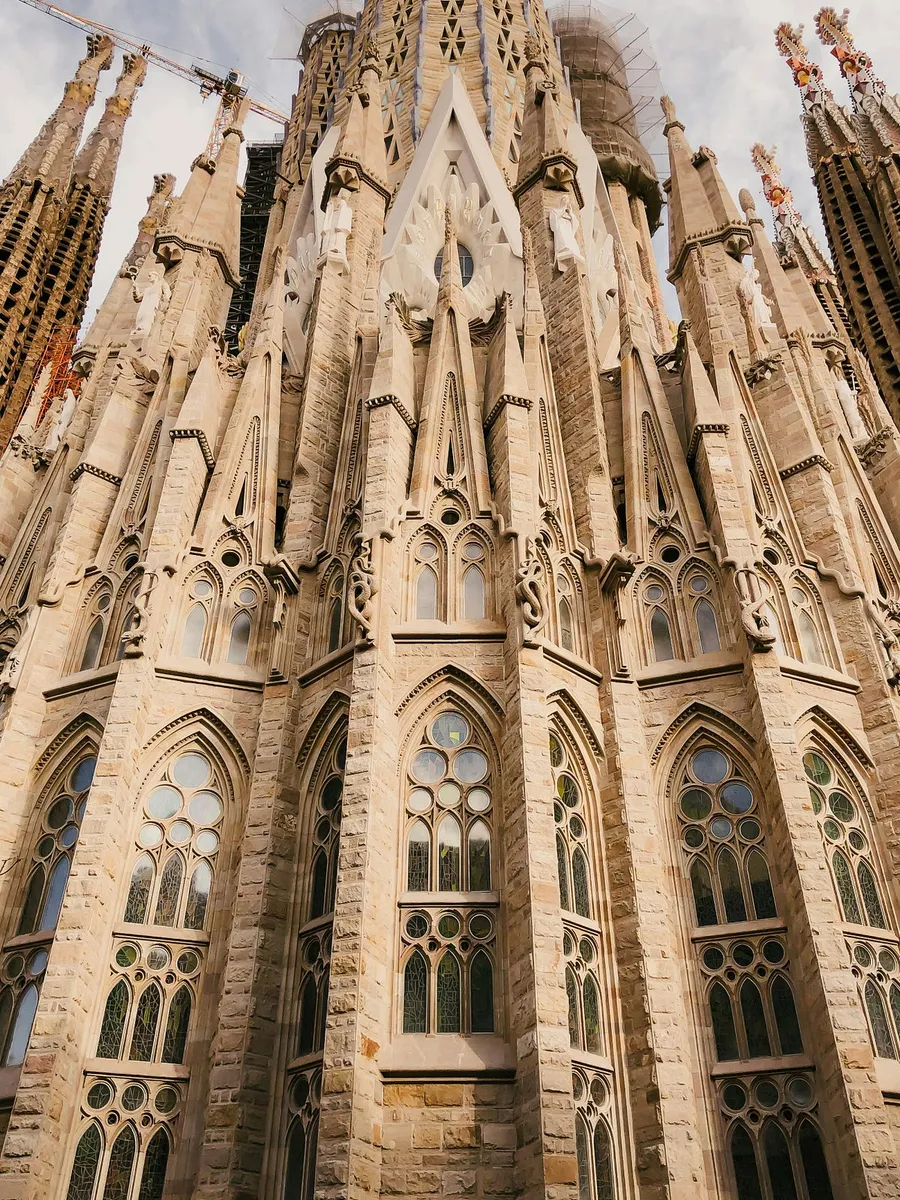
During a workshop in Barcelona, I captured the intricate details of the Sagrada Família. When I later printed the image at 3 feet wide, participants could see the texture of individual stones, the subtle play of light through stained glass — it was like being there all over again.
Is the Canon EOS 5DS R Right for You?
This isn’t a camera for everyone. It’s for the passionate, the professional, those who view photography as an art form that demands precision. If you’re a pixel-peeper, an architectural photographer, or someone who demands the absolute highest resolution — this is your dream machine.
Final Thoughts: More Than Just a Camera
The Canon EOS 5DS R represents a moment in photographic technology — a pinnacle of sensor design that celebrates the art of seeing. It’s not just about capturing an image; it’s about preserving a moment with unprecedented clarity.
To the architects of light and space — may your vision always be sharp.
Recommended For:
- Architectural Photographers
- Commercial Studio Professionals
- Landscape Photography Enthusiasts
- Detail-Oriented Creatives
Not Recommended For:
- Casual Photographers
- Low-Light Event Shooters
- Those on a Tight Budget
2. Sony A7R IV
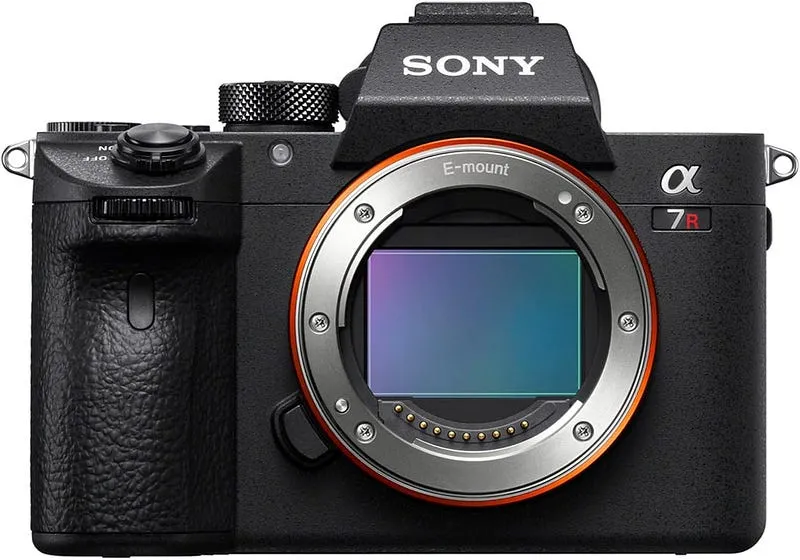
Price Range: $3,500 Standout Feature: 61-megapixel full-frame sensor
Sony has been a game-changer in the mirrorless world, and the A7R IV is a testament to that innovation. Lightweight yet powerful, this camera became my travel companion for architectural shoots across Europe.
Pros:
- Incredible dynamic range
- Compact and lightweight
- Superior electronic viewfinder
- Excellent in-body image stabilization
Cons:
- Battery life could be better
- Complex menu system
- Expensive accessories
3. Fujifilm GFX 100S
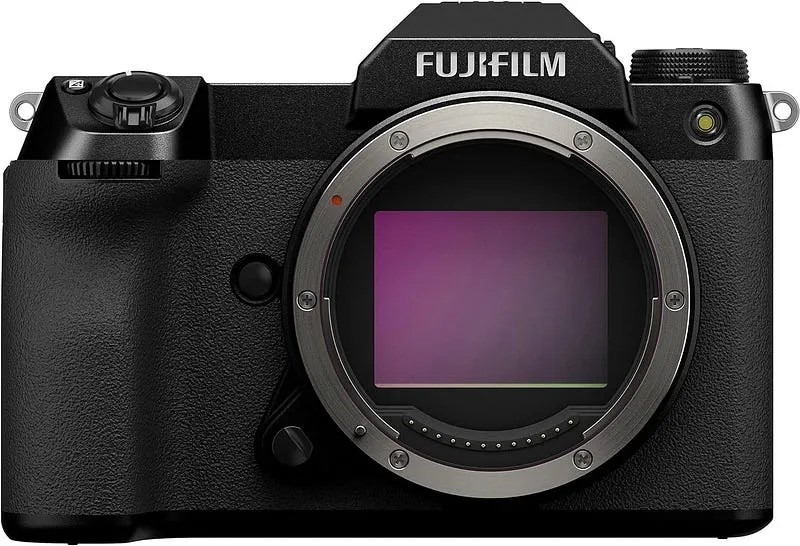
Price Range: $6,000 Standout Feature: Medium format sensor with 102 megapixels
For those who consider architectural photography more than a hobby — this is the ultimate tool. The medium format sensor provides image quality that’s simply breathtaking.
Pros:
- Unparalleled image quality
- Excellent color science
- In-body image stabilization
- More affordable than previous medium format cameras
Cons:
- Extremely expensive
- Large and heavy
- Limited lens selection
Essential Lenses for Architectural Photography
While the camera body is crucial, lenses are where the magic truly happens. I recommend:
- Canon TS-E 24mm f/3.5L II Tilt-Shift Lens: Absolute precision for correcting perspective
- Rokinon 24mm f/3.5 Tilt-Shift Lens: A more budget-friendly alternative
- Sony 16–35mm f/2.8 GM Lens: Versatile wide-angle for architectural interiors and exteriors
Personal Tips I Wish I Knew Earlier
- Invest in a Sturdy Tripod: Sharp architectural images require absolute stability.
- Learn Post-Processing: Even the best cameras need subtle corrections in software like Lightroom and Capture One.
- Understand Light: The best architectural photos are as much about light as they are about structure.
Final Thoughts
Choosing a camera for architectural photography isn’t just about specs — it’s about finding a tool that translates your vision. My journey from amateur snapshots to deliberate, thoughtful architectural documentation has been a continuous learning process.
Remember, the best camera is the one that inspires you to keep shooting, to keep exploring, and to see the world’s built environment with fresh eyes.
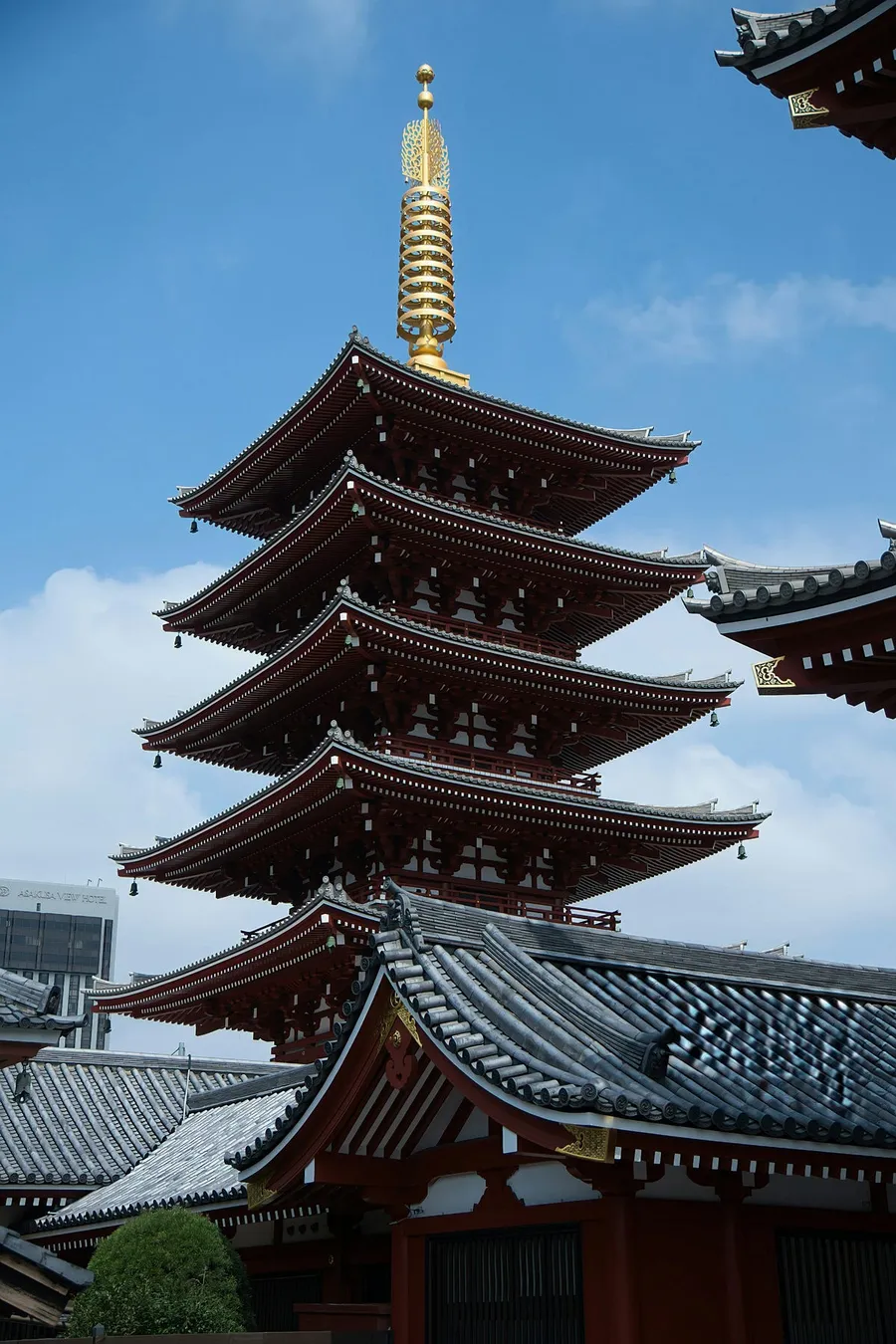
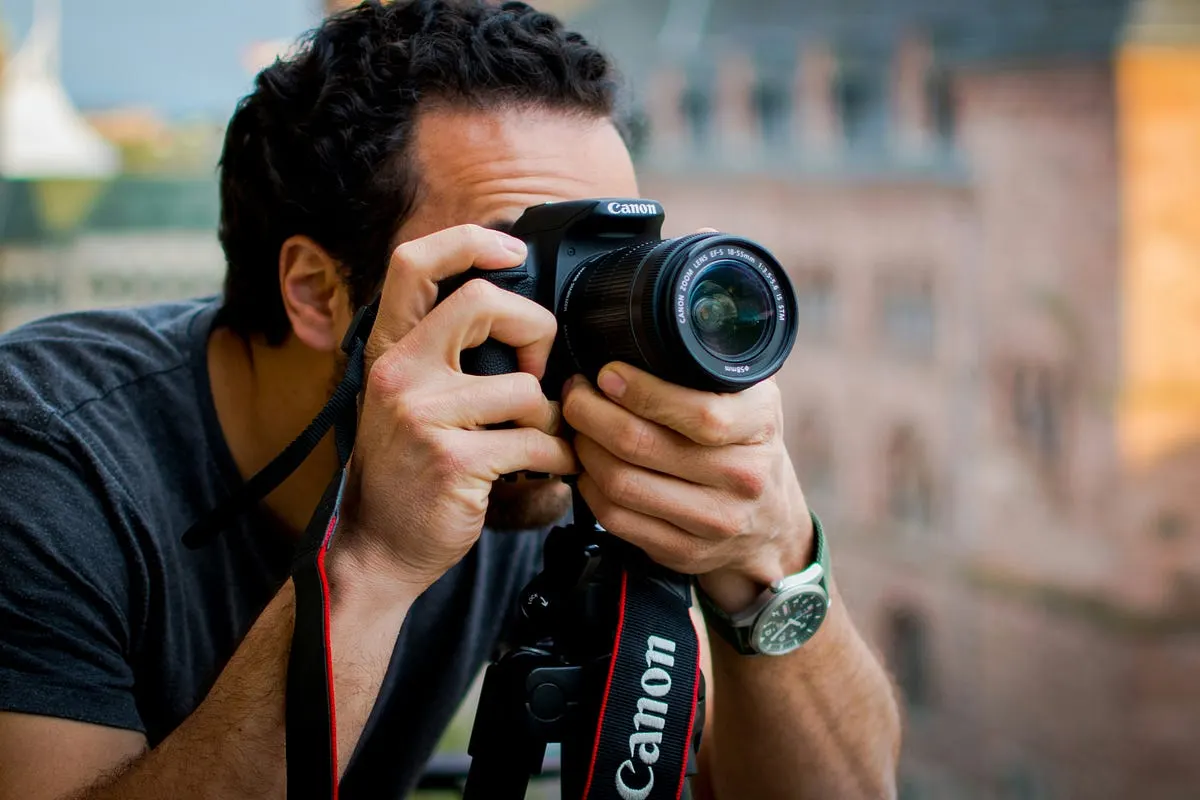
Photo by Gianluca Molteni on Unsplash

Written by
Marien CartelProfessional and Certified Digital Photographer born in the USA, with 22 years of experience in the field of photography.
Related Guides
Best Camera for Automotive Photography
What I Actually Reach For When I’m Shooting Cars. Here is how the Canon EOS R5, Sony a7 IV and Nikon Z6 III compare, and the one I keep going back to.
Best Cameras for Virtual Production
After I Wasted a Full Shoot Day Finding Out — why the Sony FX6 and Sony FX9 made the list, and who each one really suits.
Best DSLR Cameras for Beginners: (Guide & Reviews)
My Hands-On Experience with the Best Beginner-Friendly Cameras — why the Canon EOS Rebel T7 and Nikon D3500 made the list, and who each one really suits.