Best Astrophotography Cameras
As an Amazon Associate we earn from qualifying purchases. Some links in this guide are affiliate links — see our affiliate disclosure for details.
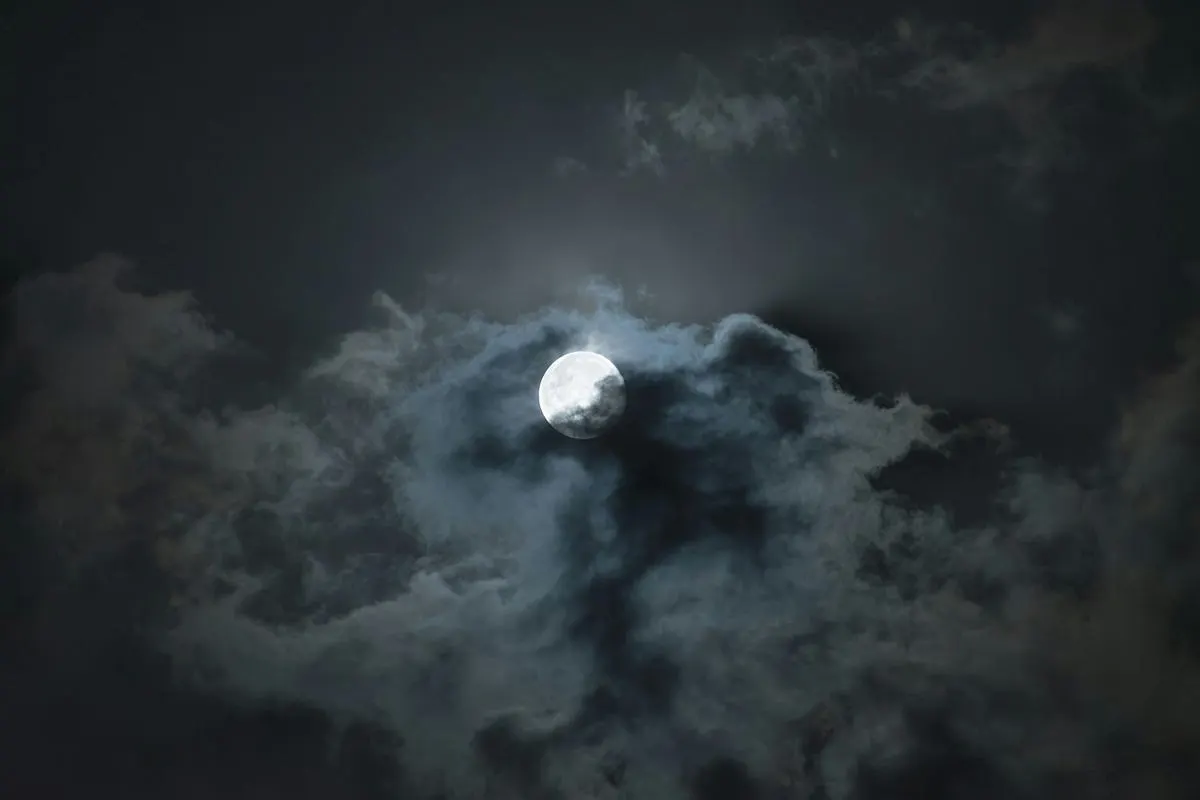
Photo by Friansa rangga on Unsplash
Short answer: Which camera is best for astrophotography?
The guide covers dedicated astronomy cameras and also names the Sony a7S III and the Canon EOS 6D Mark II for night-sky shooting. It advises learning the basics first rather than chasing gear.
Astrophotography. The very word conjures images of swirling galaxies, vibrant nebulas, and the vast, awe-inspiring beauty of the night sky.
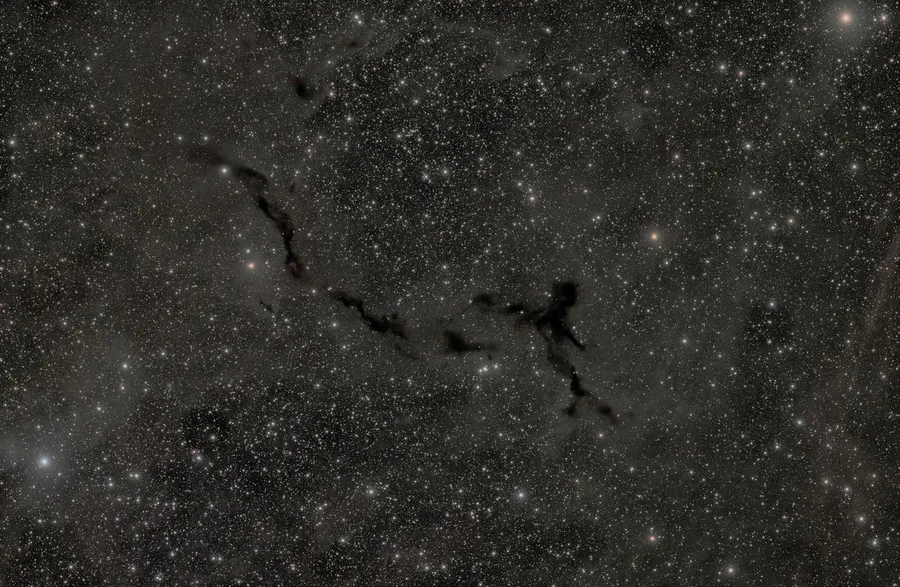
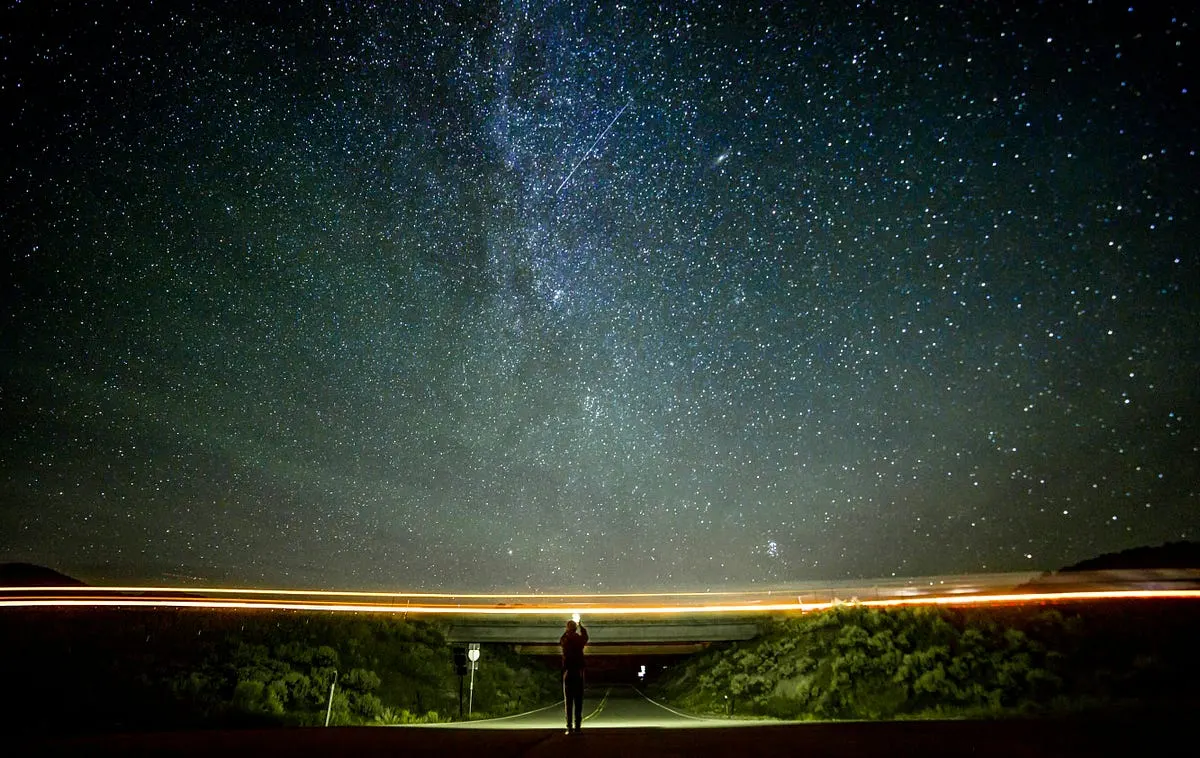
Photo by Steve Gribble on Unsplash
A point-and-shoot camera, a shaky tripod, and a whole lot of trial and error.
The camera, in particular, is crucial. It’s the eye that captures the faint light from distant stars and galaxies.
1. Dedicated Astronomy Cameras:
These are specialized cameras designed specifically for astrophotography. They often feature cooled sensors to reduce noise, high bit depths for capturing subtle details, and monochrome options for advanced imaging techniques.
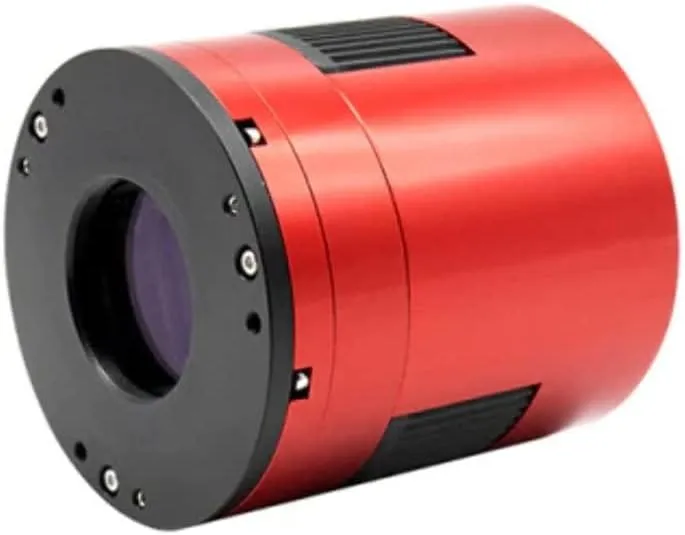
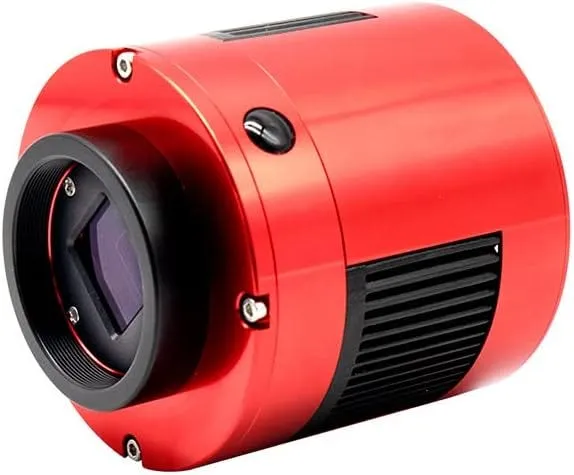
- ZWO ASI2600MM Pro: This is a fantastic monochrome camera with a large APS-C sensor. Its low noise and high sensitivity make it ideal for capturing faint deep-sky objects.
- ZWO ASI533MC Pro: If you prefer color imaging, this camera is a great choice. It has a square sensor that’s well-suited for a variety of celestial targets.
It was a game-changer.
2. Mirrorless and DSLR Cameras:
While dedicated astronomy cameras offer the best performance, many mirrorless and DSLR cameras are also capable of producing stunning astrophotography images.
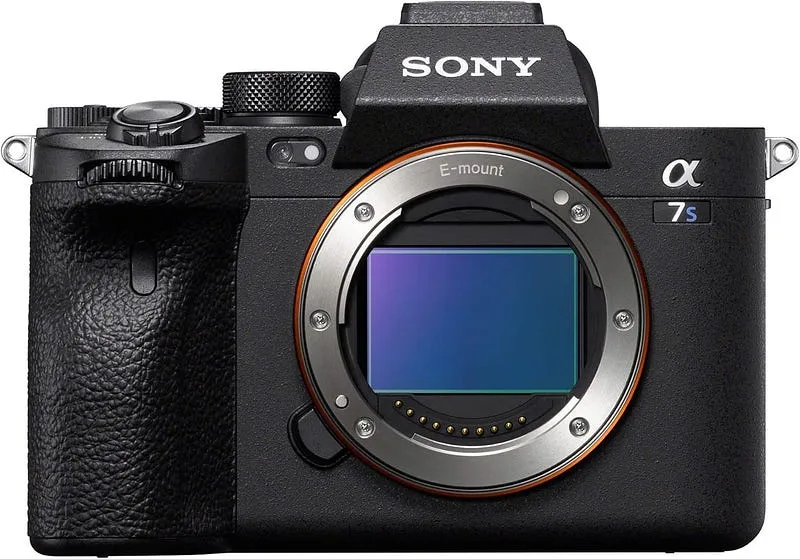
- Sony a7S III: This mirrorless camera is renowned for its exceptional low-light performance, making it a great choice for capturing faint objects.
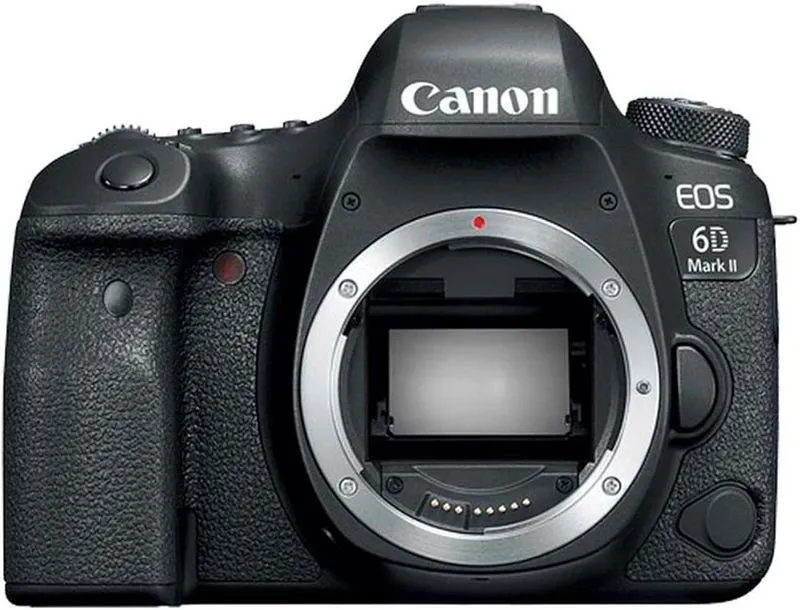
- Canon EOS 6D Mark II: This DSLR is a popular choice among astrophotographers due to its full-frame sensor and relatively low noise.
It’s a great way to get into astrophotography without breaking the bank.
3. Choosing the Right Camera for You:
The best camera for you will depend on your budget, experience level, and specific astrophotography goals. If you’re just starting out, a used DSLR or a budget-friendly mirrorless camera can be a great option. As you gain more experience and want to capture more challenging targets, you may want to consider investing in a dedicated astronomy camera.
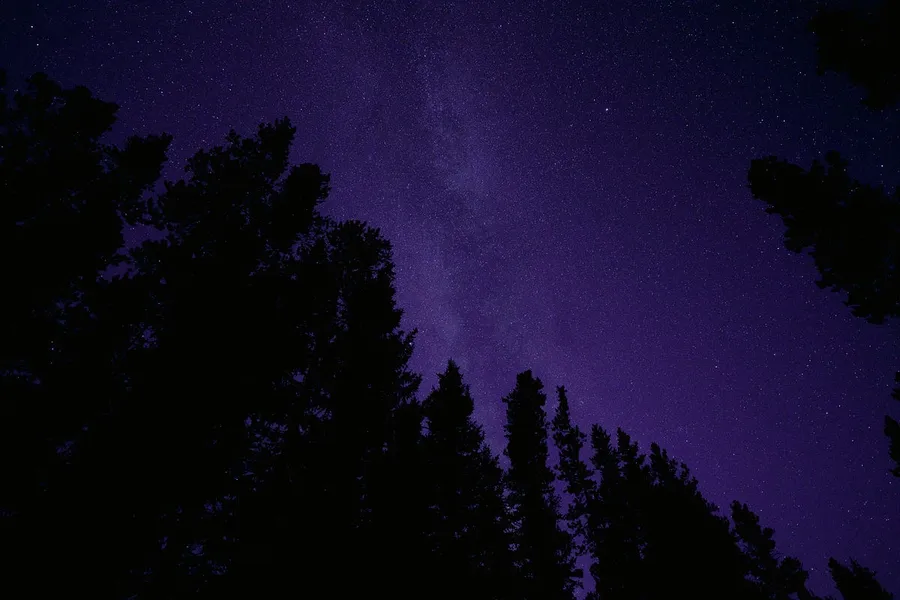
Photo by Joshua Woroniecki on Unsplash
The most important thing is to get out there and start shooting. Learn the basics of astrophotography, experiment with different settings, and most importantly, have fun!
Astrophotography is a journey of continuous learning and discovery. It’s about more than just taking pretty pictures; it’s about connecting with the universe on a deeper level.
Written by
Marien CartelProfessional and Certified Digital Photographer born in the USA, with 22 years of experience in the field of photography.
Related Guides
Best Camera for Night Sky Photography
Best Camera for Night Sky Photography — a practical buying guide covering what matters, common mistakes and what to buy.
Best Camera for Night Sky Time Lapse
Choosing the best camera for night sky time-lapse photography can be a daunting task, especially for beginners eager to capture the beauty of celestial
How to Choose a Lens for Astrophotography and Night Sky Photos
Choosing an astrophotography lens means balancing focal length, a fast aperture and corner sharpness. Here's how to weigh each one for night sky shots.
Best Camera For Long Exposure Photography
Best Camera For Long Exposure Photography: Canon EOS 5D Mark IV, Nikon Z6 and Sony Alpha a7 III compared on features, price and who each one suits.
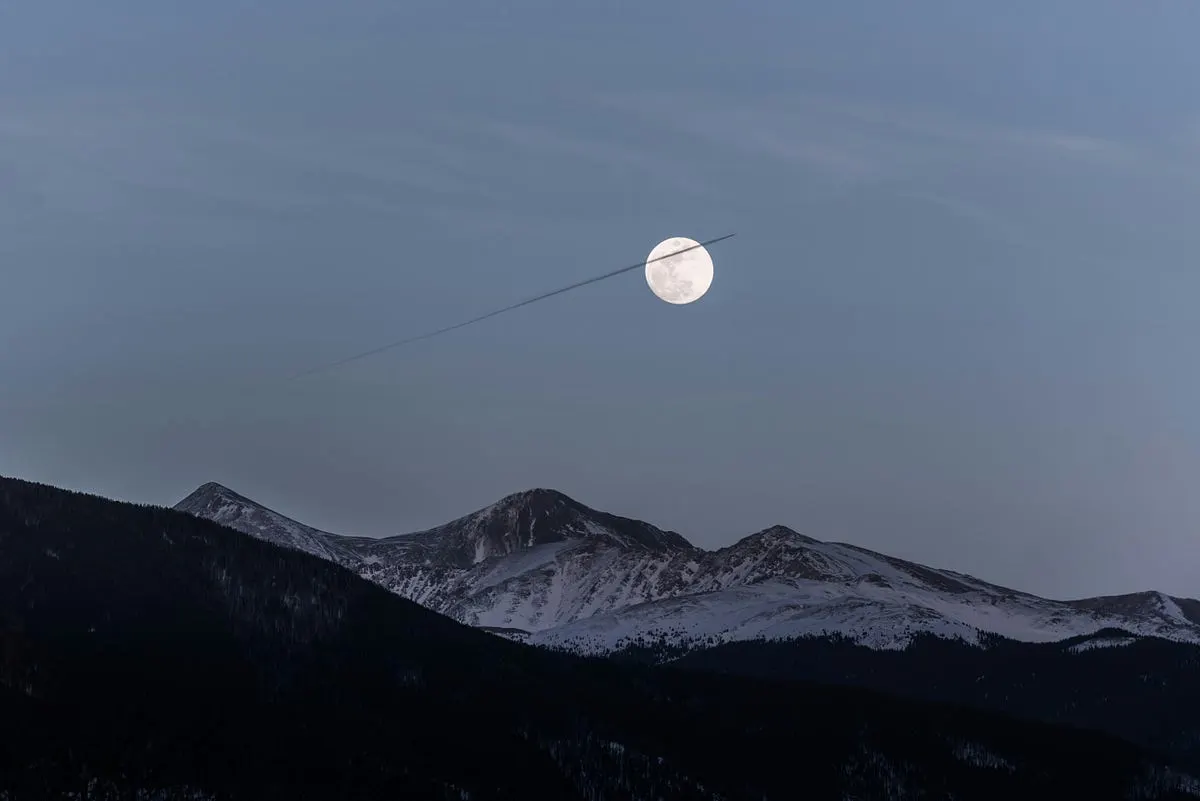
Best Camera for Moon Photography
Best Camera for Moon Photography: Canon EOS R5, Nikon P1000 and Sony Alpha a7R IV compared on features, price and who each one suits.
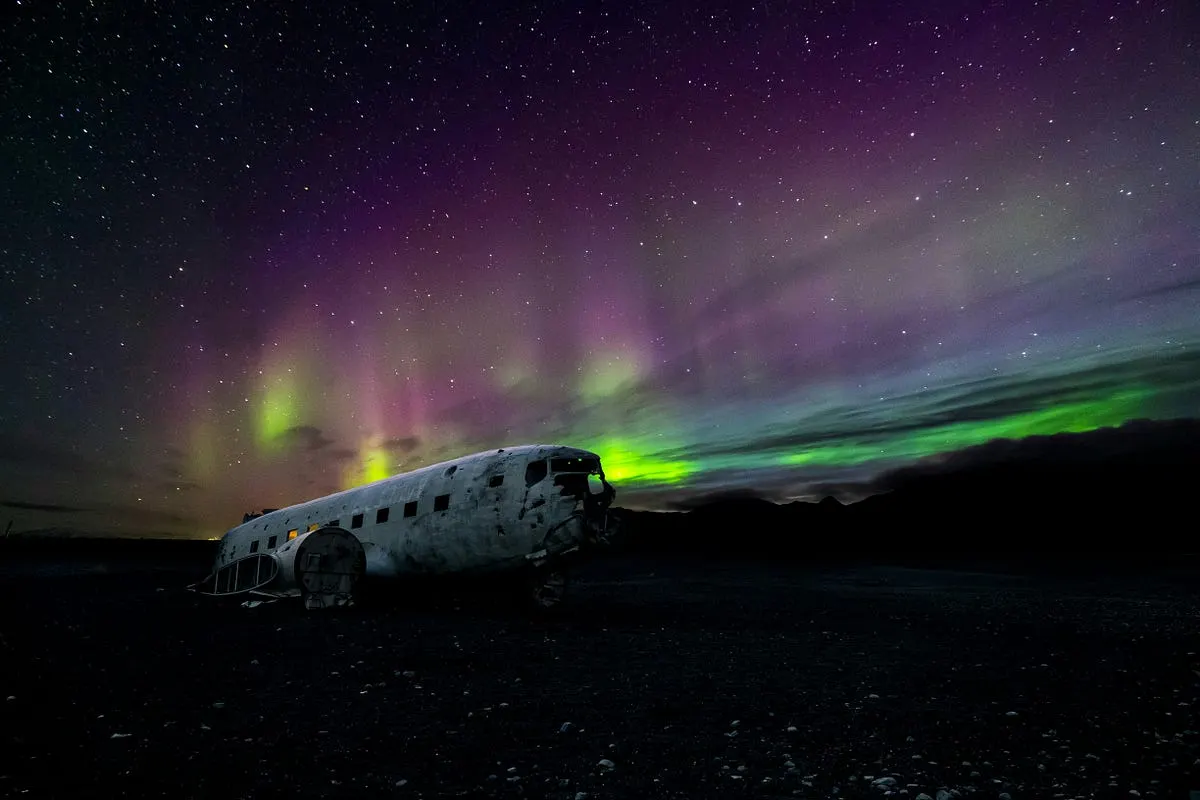
Best Camera for Northern Lights
The guide lists the Sony A7S III, Nikon Z6 II, Canon EOS R6, Sony A7 IV and Nikon Z7 II. It also covers the essential gear and tips for photographing auroras.